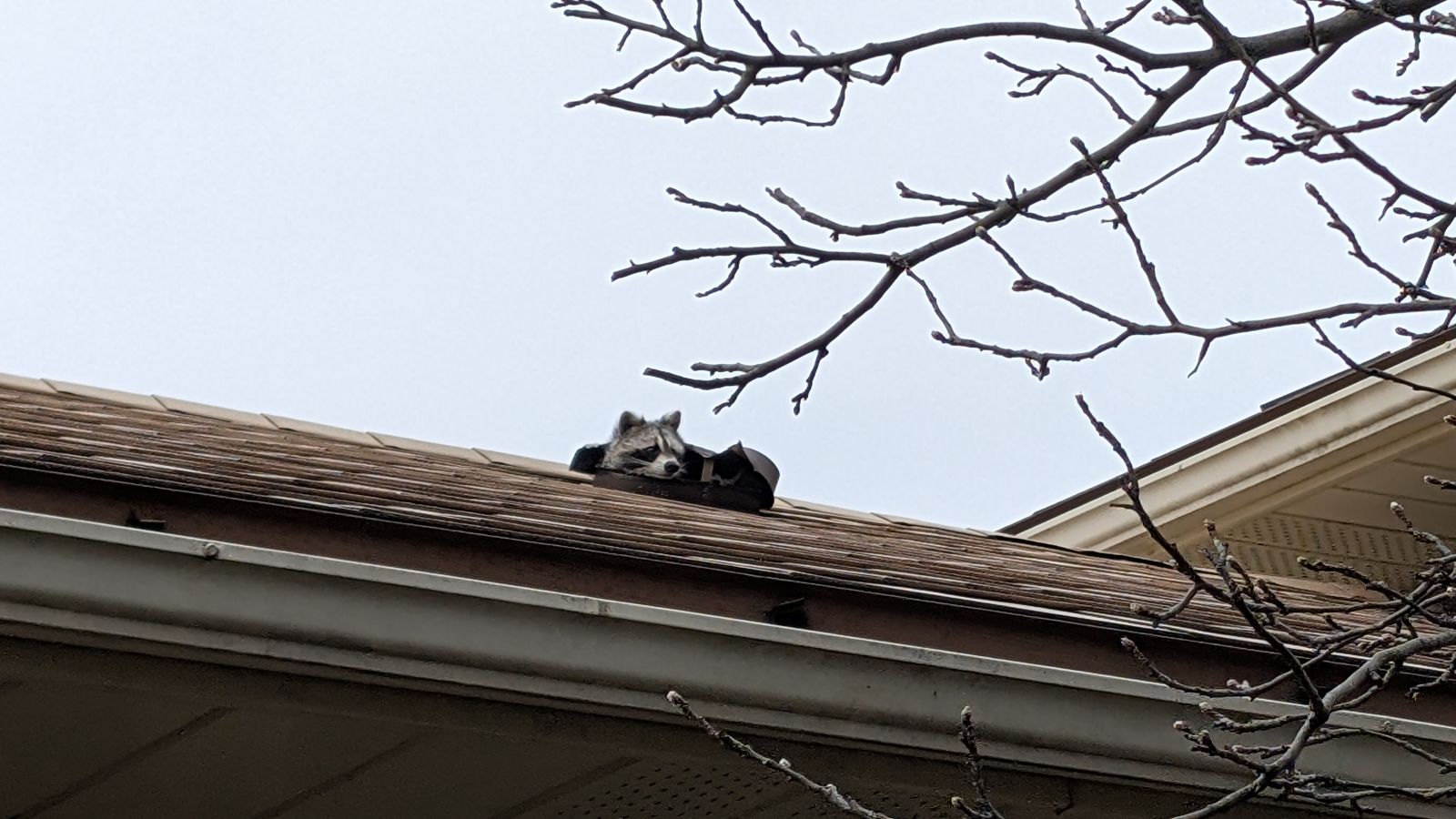
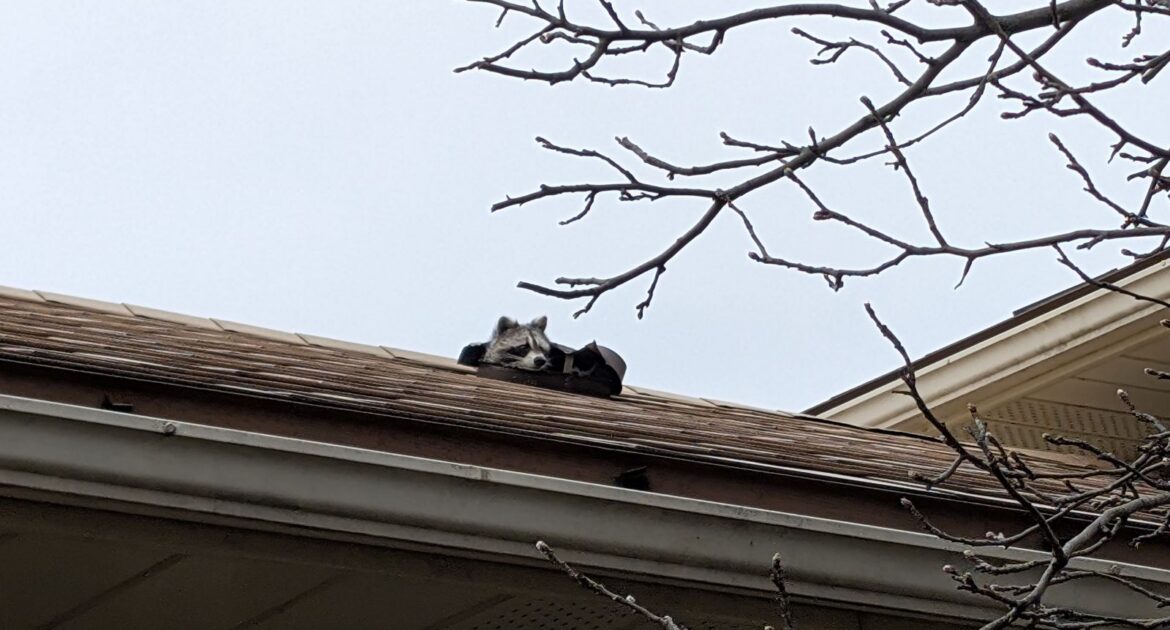
You might think it starts small. A noise at night. A tipped garbage bin. A few missing shingles after a storm. But when wildlife gets comfortable around your home, things can spiral fast. What feels like a minor nuisance can turn into serious raccoon damage to homes before you realize what’s happening.
You need to know how these animals cause problems, why damage spreads quickly, and how situations get worse when access isn’t handled properly. You also need to understand how raccoon removal services work when done the right way and how to stop raccoon infestations before they return.
In this blog, you’ll see how homes become vulnerable, what kind of damage can happen inside and out, and why proper sequencing and prevention matter so much. You’ll also learn how Skedaddle Humane Wildlife Control in Hamilton supports homeowners with humane, structured solutions that protect the home long-term.
Interior Damage Can Escalate Quickly
You might not see the damage right away, but once raccoons are inside, the impact can be severe. Attics are often used as dens because they are warm, quiet, and protected from weather.
Inside the home, damage often includes:
- Destroyed Insulation: Insulation is pulled apart for nesting and movement. This reduces energy efficiency and can lead to higher heating and cooling costs over time.
- Damaged Wood and Supports: Beams, joists, and framing can be scratched, chewed, or weakened. Over time, this damage can affect the structure itself.
- Electrical and Vent Damage: Wiring and ductwork may be disturbed or torn. This increases the risk of system failure and safety concerns.
This type of damage is rarely contained to one area. Once activity begins, it often spreads unless handled properly.
Health and Safety Risks Inside the Home
You don’t just deal with property damage when wildlife gets inside. You also face health risks that can affect everyone living in the home. Waste left behind can harm air quality and expose people to bacteria and parasites that should never be indoors.
Problems often include:
- Concentrated Waste Areas: Raccoons often use the same spots as bathrooms over and over again. Waste builds up quickly in these areas and becomes unsafe to be around. These spaces should never be touched without proper handling.
- Air Quality Concerns: Odours and tiny particles can travel through insulation and air vents. This allows contaminants to spread into living spaces. Over time, poor air quality can affect comfort and breathing inside the home.
- Risk to Pets and Children: Pets and young children are naturally curious and closer to the floor. This makes them more likely to come into contact with contaminated areas. Even brief exposure can create health concerns.
These risks are a major reason raccoon removal services must be handled with care and proper sequencing to protect everyone in the home.
How Problems Get Worse Without Proper Handling
You may hope the problem goes away on its own, but that rarely happens. Once raccoons find a safe place to stay, they remember it. If openings remain, they often return again and again, especially during colder months.
As time passes, small gaps stay open and damage spreads into new parts of the home. Entry points grow larger, insulation gets disturbed, and repairs become more costly. This is why learning how to stop raccoon infestations early helps protect your home and prevents bigger problems later on.
How Humane Removal Protects the Home
You may wonder how removal works without causing more problems. Humane approaches focus on safety, timing, and prevention rather than force.
Our wildlife team uses one-way doors that allow raccoons to leave on their own while preventing re-entry. These doors stay in place until activity has fully stopped. Only then is sealing done.
This sequencing is critical. It prevents raccoons from being trapped inside and avoids creating new damage, odours, or stress during the process..
Long-Term Prevention Makes the Difference
You want more than short-term relief. With Skedaddle Humane Wildlife Control, long-term prevention changes how the home works as a shelter, so raccoons stop seeing it as a safe place to return. This work is done after the activity ends and focuses on preventing future problems from starting.
Prevention focuses on:
- Reinforcing Vulnerable Areas: Skedaddle secures roof edges, soffits, chimneys, and deck spaces once raccoons have left. These areas are common entry points and must be reinforced properly to hold up over time. Strong materials help keep raccoons from forcing their way back inside.
- Protecting Future Seasons: Our exclusion work is designed to last through changing weather and seasons. By closing off access properly, the home is less likely to attract raccoons year after year. This reduces the risk of new damage and surprise issues down the road.
This approach helps protect insulation, structure, and peace of mind for the long term.
A Better Way to Protect Your Home
You don’t just want quiet nights back. You want confidence that the problem won’t return. Prevention gives homeowners that reassurance.
When access points are reinforced and shelter is removed, homes become far less appealing over time. This reduces stress and limits future repair costs. It’s one of the most effective ways to stop raccoon infestations without ongoing disruption.
You don’t need repeated repairs or constant worry. Humane removal services focus on safe exit, proper sealing, and long-term prevention.
You can request an estimate to learn more about our raccoon removal services. Our team at Skedaddle Humane Wildlife Control in Hamilton is ready to help protect your home using proven, humane solutions that work.

 Loading...