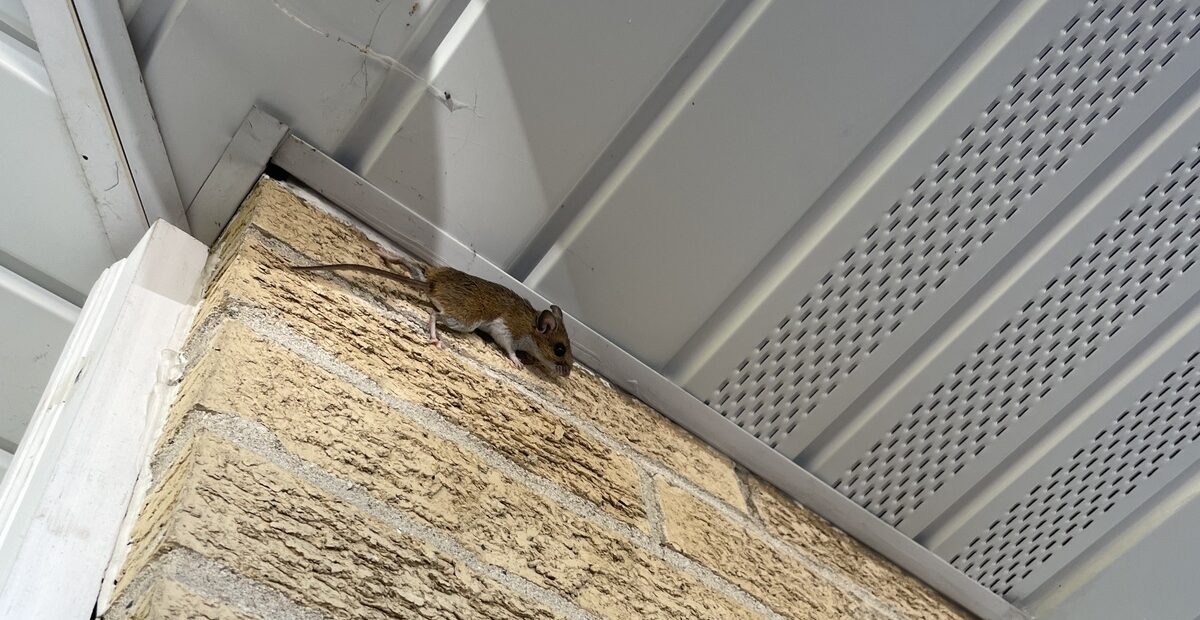
You may notice mice around your Hamilton home before winter feels close. Cooler nights, wet weather, and changes in outdoor food and cover can make sheltered spaces more appealing in the fall. These animals do not need to wait for snow to explore a foundation gap, garage door corner, or opening beside a pipe. An existing weakness may offer a route inside while afternoons are still warm.
You might hear faint scratching after dinner or spot movement near the garage as daylight fades. Those signs do not always mean the whole home is occupied, but they deserve attention. A garage, wall space, or attic may offer dry shelter close to food. Once an entrance is being used, a warm spell does not mean the problem will end.
At Skedaddle Humane Wildlife Control in Hamilton, we check the entry routes and hidden spaces that homeowners cannot safely assess themselves. Our team finds out whether the concern involves outdoor movement, indoor activity, or both. Here is why fall can encourage an early shelter search, which signs matter, and what our professionals check before removal and prevention begin.
Why Do Mice Come Into Houses in the Fall?
Mice may enter houses in the fall because buildings offer shelter from cooler, wetter weather and may provide access to food. As outdoor conditions change, a dry space inside a wall, garage, or attic can become useful. A small opening may let them reach that space without much effort. They do not need freezing temperatures to begin using it.
Food and cover also change as gardens finish producing and plants die back. Those changes vary from yard to yard, so there is no single date when entry begins. Some properties still offer plenty of outdoor food well into autumn. Others may have sheltered building spaces close to regular travel routes.
Entry can happen at any time of year, and signs found in fall may come from an older problem. You may only start hearing movement when the house becomes quieter or windows stay closed. Our team checks the evidence instead of assuming every fall sound means a recent arrival. Finding the actual route helps us choose the right next step.
Why Fall Conditions Encourage an Earlier Shelter Search
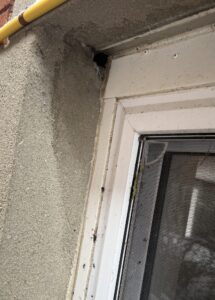 Several changes can make covered spaces more useful before winter arrives. A cool night, a stretch of rain, or less ground cover may affect where mice spend their time. The conditions around your home matter as much as the date on the calendar.
- Cooler Nights: A mild afternoon can be followed by a much colder evening, making dry shelter more useful overnight. Wall spaces, garages, and other covered areas offer protection from wind and changing temperatures. These places may attract attention even before the heating season is fully underway. Our team checks whether nearby gaps provide access rather than assuming cold weather alone caused an entry.
- Rain and Damp Conditions: Wet weather can make a protected nesting space more appealing than an exposed spot outdoors. An opening beneath siding or beside a service line may lead toward a dry part of the building. Still, rain does not prove that anything has moved inside. We look for signs of use and check where each possible route leads.
- Changing Food and Ground Cover: Gardens, fallen seeds, and sheltered ground areas change as autumn moves along. Some food sources remain, while others become less steady or harder to reach under cover. A building with reachable food and a quiet nesting space may meet several needs at once. The inspection considers those conditions without treating every yard sighting as an indoor problem.
Why Foundations and Garage Doors Receive Attention
The edges of a building can form part of a regular travel route. As mice move beside walls, they may encounter foundation gaps, loose siding joins, or worn door seals. An opening already in place can offer access without any new weather damage. Fall does not have to create the weakness for it to become useful.
Garage door corners are worth checking because seals may wear, flatten, or become damaged over time. Gaps can also occur beside a side-entry door or where different building materials meet. A garage may provide shelter on its own. In some homes, it may also have openings toward walls or adjoining indoor areas.
Our team checks what is beyond the visible gap before deciding how to protect it. A crack on the outside may end at solid material, while another may lead into a hidden space. The size, shape, and location all matter. You should not assume a small opening is harmless or close it before we confirm whether it is being used.
Our Early-Fall Exterior Inspection Checklist
An early inspection helps identify weak areas before indoor signs become frequent. This checklist shows what our professionals examine around the home, from ground-level openings to the roofline. You can share concerns noticed during normal use of the property while our team handles the closer checks.
- Foundation, Brickwork, and Siding Joints: We check gaps in the foundation, damaged mortar, and places where siding meets the wall below. These areas may contain openings that are hard to see without a close inspection. Brick drainage openings also need care because they serve a useful purpose. Any suitable protection must keep the building’s drainage and airflow working.
- Garage Seals and Exterior Door Edges: We examine bottom corners, side gaps, and damaged seals around garage and exterior doors. Chewed edges or repeated movement nearby may help show which route is active. A door that appears closed can still have a gap along one edge. Our team recommends protection that fits the door and the conditions found.
- Utility Openings and Vents: We check where pipes, cables, and other service lines pass through exterior walls. Gaps around these openings may lead toward a basement, wall space, or another part of the home. We also assess damaged vent covers and the areas around them. Any repair or guard must suit the system and preserve safe operation rather than simply cover the opening.
- Roof Edges and Upper Openings: We inspect soffits, roofline joins, and gaps beside upper vents because access can happen above ground level too. Mice can climb, so a foundation inspection alone may miss a route. Upper openings may connect directly to an attic or to another hidden space. Our team handles those checks without asking you to climb onto the roof or enter the attic.
How a Small Entrance Can Lead to Hidden Spaces
The opening outside and the place used for shelter may be far apart. Entry near the foundation can lead into a wall space, with movement continuing through connected parts of the building. An attic sound does not always mean the entrance is on the roof. Our team follows the evidence through the structure.
Some routes end in a garage or another separate space, while others lead farther into the home. Building layout, repairs, and additions can change those connections. A gap near one room does not prove every room is affected. We check the areas linked to the signs rather than making that assumption.
This is why covering the first visible opening is not enough to build a sound plan. Another route may remain, or an occupant may still be beyond the gap. Young may also be hidden where they cannot leave on their own. Inspection must come before removal, cleanup, and the final closing of entry points.
Signs That Shelter-Seeking Has Become Indoor Activity
An outdoor sighting tells us less than a pattern of signs inside the building. Sounds, waste, and damage can help show that a sheltered space is being used. Leave affected materials alone and tell our team what you have noticed.
- Scratching or Light Movement: Faint scratching, rustling, or quick movement may be heard behind walls or above the ceiling. The sounds can stand out at night when other household noise fades. Framing and wall materials may carry them away from the true source. We compare the location and timing with the entry routes found during inspection.
- Droppings or Nesting Material: Waste or gathered material noticed in a cupboard, garage, or storage area needs professional attention. These signs may show indoor use, but their location does not reveal the full route. Other affected areas can remain hidden behind walls or above ceilings. Do not touch, sweep, or remove the material before our team checks it.
- Chewed Materials or Repeat Use of a Gap: Damaged packaging, chewed door seals, or marks around an opening may point to regular activity. A repeated sighting at the same gap gives us another useful clue. The damage may also show that a weak area has been widened over time. Our team checks the space beyond it before deciding how removal and protection should proceed.
Why Early Inspection Matters Around Hamilton Homes
Hamilton has older neighbourhoods, newer developments, gardens, and green spaces near the escarpment. These settings can place outdoor cover close to homes, garages, and sheds. Still, the surroundings alone do not tell us whether entry has happened. The condition of the building and the signs found at it matter most.
Older homes may have worn joins or areas changed during past repairs. Newer homes can also have gaps around doors, vents, and service lines. An addition or attached garage may create connections that differ from the original layout. Our team checks each property rather than judging it by age.
Early inspection can identify weaknesses even when there are no clear indoor signs yet. If the space is already occupied, the plan must account for removal before protection is completed. You do not need to wait for snow or louder noises to have a concern checked. Addressing the actual routes early helps limit further access as colder weather settles in.
Let Skedaddle Close the Routes Before Cold Weather Settles In
Our work begins with checking where activity is happening and how the space is reached. We examine foundations, doors, service openings, roof edges, and affected indoor areas. The goal is to find active routes and other weaknesses that could allow future entry. You receive a clear explanation of what we find and the work needed.
When removal is required, we choose a humane plan that fits the space and any young present. Our one-way doors allow wildlife to leave but prevent re-entry where suitable. We confirm that the removal needs have been met before finishing the protection work. A quiet opening alone is not enough to make that decision.
Our Skedaddle Hamilton team also addresses affected materials and secures suitable entry areas. Cleanup needs depend on the waste, nesting material, and damage found during the inspection. Durable protection helps reduce the chance of the same routes being used again. Inspection, humane removal, cleanup, and prevention work together to address the full concern.
Frequently Asked Questions
Can mice enter a home before the first frost?
Yes, existing openings can be used before the weather reaches freezing. Cooler nights and wet conditions may make sheltered spaces useful well before winter begins. Entry can also happen during warmer seasons if food, cover, and a route are available. The first frost is not a reliable signal for when a home needs inspection.
Does one sighting in the garage mean the attic is occupied?
No, a sighting in the garage does not prove there is activity in the attic. Those spaces may be separate, or hidden gaps may connect them through parts of the building. Our team checks the layout and the signs in each affected area. We do not assume that movement in one place means the whole home is occupied.
Does a quiet week mean they have left?
No, activity may continue where it is hard to hear or see. A change in household noise can also make the same movement less noticeable. Silence does not tell us whether an adult or young remain in a hidden space. Our team needs to check before a suspected entrance is closed.
Can newer Hamilton homes have entry gaps?
Yes, newer buildings can have openings around utility lines, vents, doors, and material joins. A damaged seal or a small gap may provide access regardless of the home’s age. Changes made after construction can also create a weak area. Our inspection focuses on those conditions rather than assuming newer construction needs no protection.
Should a suspected opening be sealed right away?
No, closing a route before inspection could trap an occupant or block an adult from reaching its young. An opening can look quiet while the sheltered space beyond it is still being used. Our team checks the route and plans removal before completing the closure. Leave the gap and any nearby waste untouched until we assess them.
Address Fall Entry Before Winter Adds to the Problem
You do not need to wait for winter to take indoor signs seriously. Cooler nights, rain, and changes in outdoor cover can make sheltered spaces useful while daytime weather still feels mild. Existing foundation gaps, garage seals, service openings, and roofline weaknesses may provide access. A small route can matter long before snow arrives.
Outdoor movement does not prove indoor entry, but scratching, droppings, nesting material, and chewing deserve a closer check. Repeated use of one opening gives our team another clue. Do not touch affected materials, enter hidden spaces, or seal a suspected route. A proper inspection must show what is inside before removal and protection begin.
At Skedaddle Humane Wildlife Control in Hamilton, we identify the entry routes and plan the work around the findings at your home. Our team provides humane removal, professional cleanup, and durable protection for suitable openings. We help address the concern before colder weather makes shelter even more useful. Contact us to schedule a professional assessment or request an estimate to learn more.

 Loading...