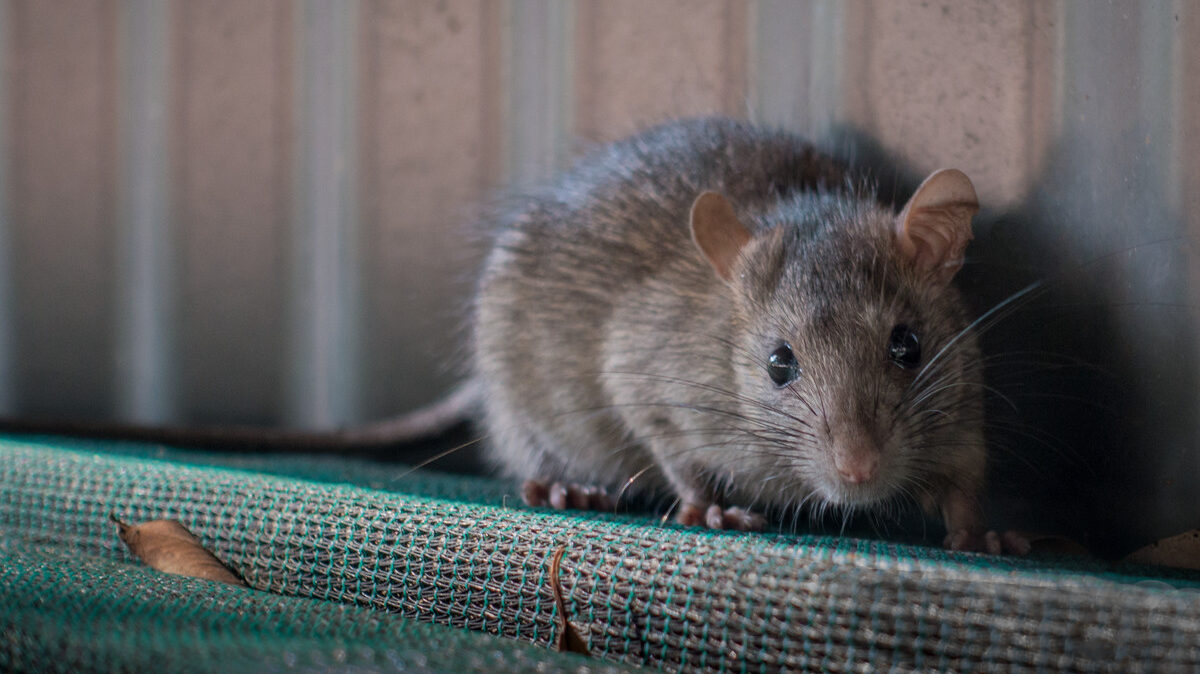
You can help protect your home or business from rats by having food sources, sheltered spots, and entry points checked before winter. Our professionals inspect spilled birdseed, compost, trash storage, and possible burrows around your property. We also look for openings that may connect outdoor activity with spaces inside. This rat prevention checklist helps us find concerns before Thanksgiving adds more food waste.
November can bring changes to your yard and trash area. Seed may pile up beneath feeders, food scraps may be easy to reach, and holiday trash may fill the bins. These food sources can encourage repeat visits without proving that rats have entered the building. Our inspection checks both the food and the possible routes inside.
At Skedaddle Humane Wildlife Control in Franklinton, we do this work for you. You should leave droppings, possible burrows, and damaged materials untouched and contact our team. We explain what we find and which areas need attention. Our plan addresses current activity and the openings that could allow it to continue.
What Do Rats Hate the Most in the Garden?
Removing access to food and shelter is a more useful prevention focus than choosing something rats supposedly hate. Our team checks spilled seed, accessible compost, waste storage, sheltered spaces, and building gaps. These conditions help guide a prevention plan without relying on strong smells or home remedies.
Spilled Birdseed Can Support Repeat Feeding
Birdseed attracting rats can become a concern when edible material remains available on the ground or in storage. The feeder itself may be only one part of that food source. Seed beneath nearby cover can also be harder to notice during everyday yard use. Our team assesses the feeding area and its connections with surrounding shelter.
- Seed Beneath Feeders: Seed that falls beneath a feeder may provide food at ground level. Repeated access can make the area part of a regular feeding route. However, activity beneath the feeder does not prove that a nest sits nearby or that the home is occupied. We compare the seed accumulation with tracks, droppings, and other evidence around the property.
- Stored Seed Supplies: A damaged bag or accessible container may provide food beyond what falls from the feeder. Evidence around stored supplies can help show where feeding or travel has occurred. The storage area may also connect with a garage, shed, or other sheltered space. Our team assesses those connections rather than assuming the seed bag explains the whole problem.
- Nearby Cover and Travel Routes: Sheltered edges and stored materials may provide cover between a food source and a resting area. These routes can remain out of sight even when the open yard looks clear. The important question is how the feeding location connects with other areas being used. We assess those conditions and explain which concerns need professional work or attention from another provider.
Compost Needs Assessment Beyond the Lid
Rats in compost may be reaching food through more than the opening at the top. The base, container condition, and material around it can also affect access. A fitted lid does not establish that the whole setup is protected. Our inspection considers the compost area together with nearby signs of activity.
- Accessible Food Scraps: Food material within reach may provide a reason for repeated visits. Scraps around the container can matter as much as material inside it. A strong smell alone does not confirm an infestation or identify where the occupants are resting. We assess available food alongside physical evidence before explaining how the area may support activity.
- Gaps Around the Base or Container: Openings beneath or beside a compost container may allow access even when its lid closes properly. Damage or disturbed soil can draw attention to those areas. Still, one gap does not prove current use or reveal every route into the compost. Our team checks the container’s condition and the surrounding ground as part of the wider assessment.
- Nearby Evidence of Regular Use: Droppings, gnawing, tracks, and disturbed ground can provide supporting clues. Each finding needs context because it may reflect past activity or have another cause. A hole beside compost does not establish its occupant from appearance alone. We compare the evidence to assess whether the area forms part of a regular feeding or shelter route.
Thanksgiving Trash Can Change the Waste-Storage Picture
Holiday meals can produce more food waste than your usual storage arrangement holds. Small businesses may also see changes in food preparation, customer traffic, or collection needs. Even a sound container offers less protection when waste cannot fit inside it. Our assessment identifies what is needed to secure trash storage from rats and address signs already present.
- Lids, Containers, and Overflow: A damaged lid, split container, or bag left beside a bin may leave food accessible. Extra Thanksgiving waste can expose limits that are less noticeable during a normal week. These conditions deserve attention without assuming that every overflowing container has established activity. We assess the evidence and explain where storage arrangements need to change.
- Dumpster and Collection Areas: Dumpster areas may contain accessible waste, sheltered edges, or openings in surrounding structures. Shared use can make it harder to establish where a problem begins. Our team checks the relevant area rather than blaming one business or neighboring property without evidence. We explain the findings so owners and managers can address the conditions within their control.
- Waste Handling and Collection Timing: Waste may remain accessible when storage capacity and collection arrangements do not match the amount produced. Our inspection can help identify whether that pattern supports repeat feeding. We explain when the owner, property manager, or waste provider needs to coordinate changes. Those changes support prevention, but they do not replace removal or exclusion when occupants remain in the building.
Burrows and Foundation Edges Need Professional Checks
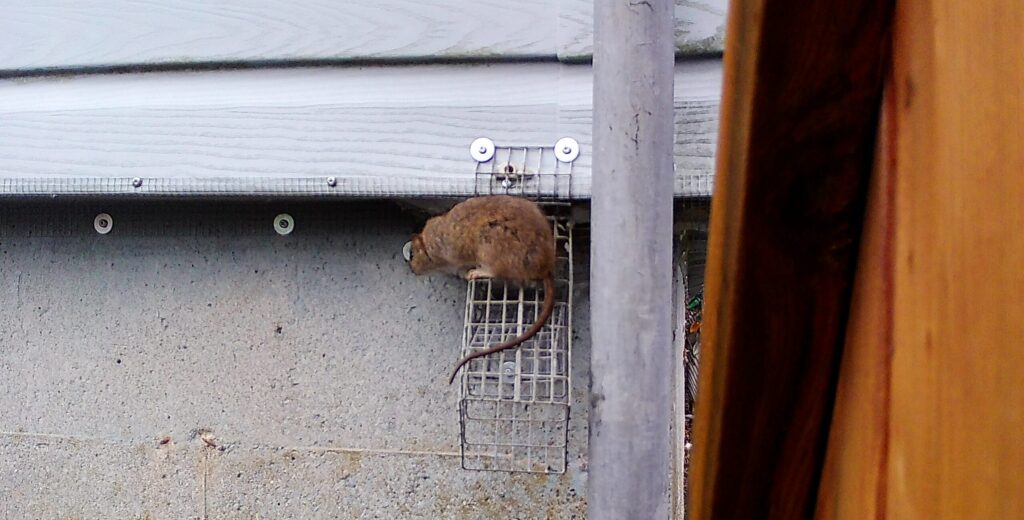
Columbus Public Health identifies Norway rats as Ohio’s most common rat and notes that they prefer to burrow underground along walls. Its Vector Control page lists burrows, droppings, and gnawing among signs of activity. These local facts help explain why ground-level areas deserve attention during an inspection. They do not establish that every hole beside a building is an occupied burrow.
- Openings Beside Foundations, Slabs, and Sheds: Suspected rat burrows near a foundation may connect with sheltered ground beside the structure. Similar openings can appear along slabs or beneath shed edges. Their presence does not automatically mean that the building has been entered or its supports are damaged. Our team assesses the opening and surrounding evidence before recommending work.
- Droppings, Gnawing, and Repeated Routes: Evidence along a wall or storage edge may help show where movement occurs. Droppings and gnaw marks alone cannot reliably establish the number present or the age of the activity. We compare several findings to understand the pattern of use. You should leave waste and affected materials untouched rather than move them for a closer look.
- Building Openings and Occupancy: A nearby structural gap may provide entry, but its connection with current activity needs assessment. An outdoor feeding area and an indoor resting place may sit in different parts of the property. Our inspection also accounts for dependent young and occupants that cannot leave independently. Permanent closure follows the checks needed to avoid enclosing them inside.
Homes and Small Businesses Need a Connected Plan
Food, shelter, and access do not always occur in the same place. A feeding area beside a bin may connect with cover along a fence or an opening elsewhere on the building. The first visible sign therefore may reveal only one part of the route. Our inspection considers how the relevant areas connect before we recommend work.
Rats around small businesses may use shared waste areas, delivery spaces, or sheltered storage edges. Protecting indoor food does not automatically address those outdoor conditions. A manager may need to work with the building owner or waste provider to resolve recurring access to food. We explain the findings without assuming that one change will address every part of the problem.
You receive a plan based on the evidence at your property. Our team handles humane removal, professional cleanup where needed, and protection of identified building openings. Waste-service changes, landscaping work, or structural repairs may require separate providers. We make those responsibilities clear so the work addresses both current activity and the conditions supporting it.
November Prevention in Franklinton and Nearby Communities
Thanksgiving preparations can change waste and outdoor storage needs at homes and businesses in Franklinton and East Franklinton. A property that normally has enough bin space may face overflow after a gathering or busy service period. Our team assesses those practical conditions alongside signs of activity. Rat control in Franklinton, Columbus, should reflect the property’s actual layout rather than assumptions based on the neighborhood.
Downtown Columbus and the Scioto Peninsula include varied residential and commercial settings. Waste areas, yards, storage spaces, and service openings differ from one building to another. Nearby green space or river access alone does not prove that a property has an infestation. Our Franklinton team checks the evidence and explains which conditions matter at the site.
The same approach applies to properties in Hilltop, Grandview Heights, and the Near West Side. Across Franklin County, building age does not establish whether an opening is accessible or currently used. A newer structure may have a service gap, while an older one may have well-protected entry points. Inspection helps separate a possible weakness from an active route and guides the next steps.
Address the Food Sources and Access with Skedaddle
At Skedaddle Humane Wildlife Control in Franklinton, our professional wildlife team assesses feeding areas, shelter, and relevant entry points. We compare outdoor signs with evidence that may connect activity to the building. Our plan also accounts for dependent young and the conditions affecting removal. You receive a clear explanation of what we found and the work we recommend.
Where suitable, our one-way doors allow rats to leave while preventing them from getting back inside. We account for occupants that cannot use an exit on their own. Our team checks that the removal process is complete before permanently securing the relevant openings. This approach addresses occupancy and access rather than simply covering the first visible gap.
We also handle professional cleanup and sanitation of affected areas where needed. Our team protects identified structural openings and explains when other providers should address waste storage, landscaping, or repair needs. Our Columbus rat-removal service combines assessment, humane removal, cleanup, and exclusion. Those steps work together to reduce the chance of recurring activity.
Frequently Asked Questions
Does an outdoor sighting mean they have entered the building?
No, an outdoor sighting does not prove that rats have entered your home or business. They may be passing through, feeding, or using shelter elsewhere nearby. The sighting becomes more useful when compared with evidence around building openings and indoor spaces. Our team checks those connections before deciding whether removal from the structure is needed.
Does a closed compost lid rule out access?
No, a closed lid does not establish that the base and sides are protected. Gaps, damage, or food material nearby may still provide access. The lid also does not reveal whether the surrounding ground contains signs of regular use. We assess the complete setup rather than relying on its appearance from above.
Can a business have activity even when its indoor food is protected?
Yes, accessible outdoor waste or nearby shelter may support visits even when indoor food is protected. That does not mean the building is occupied or that staff caused the problem. Shared areas can also require coordination between several responsible parties. Our assessment identifies relevant conditions without assigning blame based on a sighting alone.
Does a quiet burrow mean it can be closed?
No, a quiet opening does not confirm that every occupant has left. Resting areas may extend beyond what can be seen from outside. Dependent young may also remain hidden while an adult is away. Our professionals assess occupancy before planning removal or permanent closure.
Keep November Food Sources From Becoming a Lasting Draw
You can use this rat prevention checklist to see what our professionals check before winter. Spilled birdseed, open compost, and Thanksgiving trash may provide easy meals. Sheltered spots and gaps around buildings also need attention. Seeing a rat outdoors does not prove that it has entered your home or business.
You should leave droppings, possible burrows, and affected materials untouched and contact our team. A quiet opening does not mean the space behind it is empty. Our inspection helps us find signs of current activity and decide whether removal is needed. We also check how food, shelter, and entry points connect around your property.
At Skedaddle Humane Wildlife Control in Franklinton, we explain our findings and create a plan for your property. Our team handles humane removal when needed, professional cleanup, and protection of entry points. We also point out repairs or other work that needs another qualified professional. Contact us to schedule a professional assessment or request an estimate to learn more.

 Loading...








