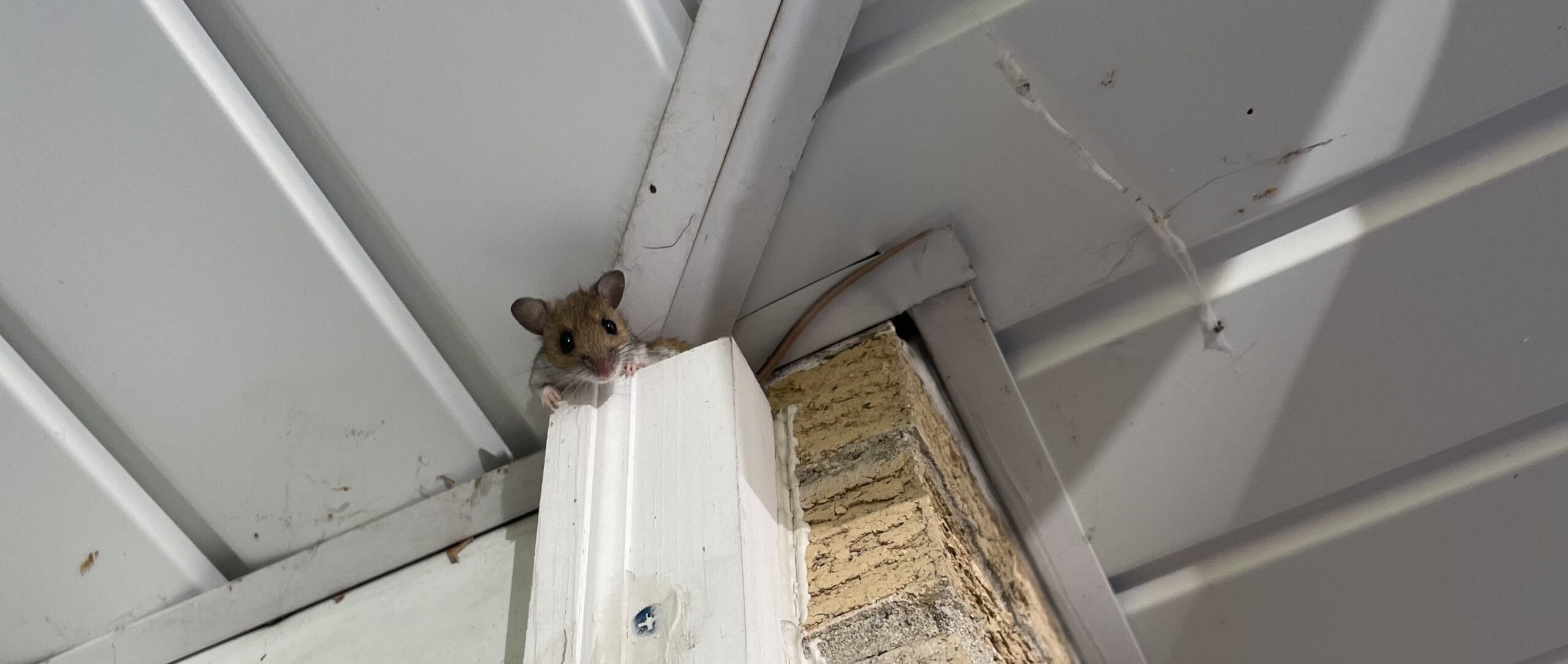
You may love the solid brick walls, tall windows, and unique details of an older Hamilton home. However, age can leave the building with many small openings that are easy to miss. Worn mortar, uneven stone foundations, later additions, utility lines, and gaps between different materials can all give mice a way inside.
You may not find one large entrance when you look at the outside of the house. Instead, the building may have a patchwork of narrow cracks that lead into the basement, walls, ceilings, or attic. These animals can enter close to the ground, but they can also climb rough brick and reach gaps around windows, soffits, vents, and roof edges.
Removing the mice you currently see will not correct those structural problems. If the openings remain, more can enter later and follow the same hidden routes. A lasting solution must address both the current activity and the condition of the building.
At Skedaddle Humane Wildlife Control in Hamilton, we inspect the entire structure before creating a removal and prevention plan. In this blog, we explain why aging mortar, stone foundations, renovations, utility openings, and mixed materials make older brick homes difficult to seal. We will also cover common warning signs and explain how professional exclusion can stop the cycle.
What Sealant Will Mice Not Chew Through?
No soft sealant should be trusted by itself to keep mice out. Standard foam, plastic, rubber, and soft caulking may be chewed, pulled apart, or pushed out of an opening. A product may cover a crack without creating a strong, lasting barrier.
Professional exclusion often combines durable sealants with metal screening or other chew-resistant materials. The correct material depends on the location of the gap and what surrounds it. A foundation crack, masonry joint, vent, roof edge, and utility opening may each require a different solution.
You should not seal a suspected entry point while mice may still be inside. Closing the wrong opening could leave them trapped in a wall, attic, or basement. Our professionals first determine what is present, locate the active routes, and plan safe removal before completing permanent exclusion.
Aging Mortar Creates Openings Across Brick Walls
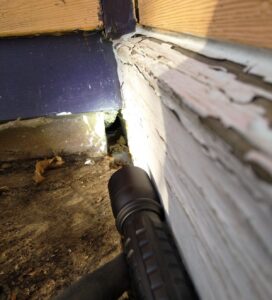
Mortar holds bricks together, but it does not last forever. Years of rain, wind, snow, and changing temperatures can cause it to crack or crumble. An older wall may contain many possible entry points instead of one obvious hole.
- Crumbling Mortar Joints: Small pieces of mortar may fall away as the wall ages. The spaces left behind can lead deeper into the brickwork or an interior wall. Mice can use openings that may look far too small to concern you.
- Damaged Brick Surfaces: Older bricks may chip, flake, or break after years of moisture and cold weather. Damage around the face of a brick may expose a deeper space behind it. A professional must determine whether that space connects to the home.
- Open Weep Holes: Some brick walls contain planned openings that help moisture drain and air move. These spaces should not simply be filled because doing so may create a water problem. Our technicians can protect suitable openings with exclusion materials that preserve their needed function.
- Loose Window and Door Joints: Mortar and trim can separate from older window or door frames. A narrow seam may lead behind the frame and into a wall cavity. These higher openings matter because mice can climb the rough surface of a brick wall.
A quick patch over one cracked joint may not address the full problem. Similar wear may appear on several sides of the house and at different heights. That is why a detailed exterior inspection must cover the whole structure.
Stone Foundations Hide Irregular Entry Points
Many older Hamilton homes sit on stone or fieldstone foundations. Unlike a smooth poured-concrete wall, a stone foundation has an uneven surface with many joints. Age and movement can make those natural spaces larger.
- Uneven Stone Edges: Stones vary in shape, size, and position. Small spaces may exist where two stones do not meet evenly, even when the wall appears solid from a distance. Each joint needs to be examined as part of a full inspection.
- Weak Foundation Mortar: The mortar between stones may soften, crack, or fall out over time. A gap can provide access to a basement, crawlspace, or space behind the foundation wall. Covering the most visible hole may leave several nearby routes open.
- Sill Plate Separation: A wooden sill plate often sits where the top of the foundation meets the main frame of the house. Age, moisture, and movement can cause the wood to warp or pull away. This may create a long hidden gap behind siding, brick, or exterior trim.
- Seasonal Movement: Hamilton’s freezing and thawing weather can make soil and building materials shift. Existing cracks may widen, while new spaces can form around old repairs. A house that was once secure may develop fresh entry points as the years pass.
Foundation openings can be especially hard to follow from inside. Finished basement walls, storage rooms, and insulation may hide the route. Our professional assessment connects the exterior evidence with signs found inside the building.
Renovations Leave a Patchwork of Building Materials
Older homes often change many times. A porch may become a room, a garage may be added, or new plumbing and wiring may pass through an original brick wall. Each change can create another seam or opening.
- Joints Around Additions: A new addition may not meet the original house in a perfectly even line. The old and new sections may also settle at different speeds. Hidden gaps can form where their foundations, walls, or rooflines meet.
- Utility Penetrations: Heating pipes, electrical wires, air-conditioning lines, and internet cables require openings through exterior walls. Contractors may leave extra space around a pipe or wire. Soft filler placed in that space may weaken or break down over time.
- Unused Service Openings: An old house may still have holes from former oil lines, vents, cables, or heating systems. Renovations can hide these openings behind decks, cabinets, shrubs, or finished walls. They may still provide a direct path into the basement or wall system.
- Mixed Material Joints: Brick, wood, vinyl, aluminum, and concrete react differently to heat, cold, and moisture. Small spaces can open where one material meets another. Common problem areas include siding transitions, fascia edges, soffits, porches, and roof junctions.
The newest part of your home is not always the most secure part. A modern addition may create difficult connections with an older foundation or wall. The entire building needs to be treated as one connected structure during an inspection.
Why Removing the Current Mice Does Not Solve the Building Problem
Removing the mice currently inside only deals with part of the issue. It does not close the cracks, joints, vents, or service holes they used. If those routes stay open, new mice may enter and bring the problem back.
Activity can also continue when only the most obvious area receives attention. You may see one mouse in a kitchen even though the main entry point is beside a basement pipe or along the garage foundation. They can travel through wall cavities and ceiling spaces before reaching the room where you notice them.
Short-term control also leaves hidden damage and contamination unaddressed. Droppings, nesting material, damaged insulation, and chewed wiring may remain behind walls or in other quiet spaces. A lasting plan requires professional removal, cleanup, inspection, and structural exclusion.
Signs of Hidden Entry in an Older Home
You may hear scratching, chewing, or quick movement in a wall or ceiling, especially at night. These sounds may seem to come from one room even when the animals entered somewhere else. Hollow building spaces can carry noise through several areas of the house.
Droppings, gnawed food packages, damaged insulation, and small chew marks are other common signs. You may also notice a stale smell in a cupboard, basement, garage, or utility room. Homeowners should not sweep, vacuum, or touch droppings or nesting materials.
Exterior clues can include missing mortar, gaps around pipes, worn garage seals, loose vents, or openings where siding meets brick. You should observe these areas from a safe location without reaching into them. Our technicians can inspect difficult spaces and trace the activity back to its source.
Local Challenges for Hamilton’s Older Homes
Hamilton contains many historic neighbourhoods with brick homes built during different periods. Some properties have stone foundations, narrow spaces between houses, shared walls, converted porches, or additions completed many years after the original construction. Each feature can make inspection and exclusion more complex.
Local weather also affects these buildings. Moisture can weaken mortar and wood, while repeated freezing and thawing can widen existing cracks. Wind, snow, and heavy rain may further damage aging roof edges, soffits, and exterior joints.
Historic properties may also require care when repairs affect original brick, stone, or architectural details. The City of Hamilton provides guidance for owners of historic buildings. Our professional exclusion should protect the house while respecting proper drainage, ventilation, and the character of its materials.
Mice Removal and Prevention with Skedaddle
At Skedaddle Humane Wildlife Control in Hamilton, our process begins with a detailed inspection. We examine the foundation, brickwork, utility openings, doors, windows, roofline, vents, soffits, garage, attic, basement, and other possible routes. This allows us to find both active entrances and weak areas that may become problems later.
Our professional wildlife team then creates a humane removal plan based on what we find. When appropriate, we use one-way doors that allow wildlife to leave but prevent re-entry. We do not depend on live trapping and relocation.
After the mice have left, we secure the structure with durable exclusion materials suited to the home. Our team may use strong screening, professional sealants, or other protective materials based on the type and location of each opening. We make sure necessary vents and drainage points can continue doing their jobs.
We can also clean and restore affected areas when droppings, nesting material, odours, or damaged insulation are present. You should not handle these materials yourself. Our goal is to address the animals, their entry routes, and the damage they left behind.
Frequently Asked Questions
How small of a hole can mice enter?
Mice can fit through very small openings, including gaps that may appear no wider than a dime. Their bodies can squeeze through spaces that look too narrow from the outside. A professional inspection must account for small cracks across the entire building.
Can mice climb brick walls?
Yes, mice can climb rough brick and mortar because the surface gives their feet grip. They may use the wall to reach windows, soffits, vents, or openings near the roof. This is why an inspection should include upper parts of the house as well as the foundation.
Do older homes always have mice?
No, an older house will not always have a mouse problem. Its age may simply increase the number of worn joints and hidden openings that require attention. Our professional exclusion can protect an older home when its full structure is properly assessed.
Why do mice keep returning after removal?
They may return because the original entry points were never found or properly secured. Removing the current group does not stop others from using the same openings. Long-term prevention must address the building as well as the animals already inside.
Should mouse droppings be swept or vacuumed?
No, homeowners should not sweep, vacuum, or handle mouse droppings. Disturbing dry waste can spread contaminated dust into the surrounding area. Our trained technicians can assess the contamination and complete professional cleanup when it is required.
Can every opening be sealed with the same material?
No, different openings require different exclusion methods. Mortar joints, vents, roof edges, utility gaps, and foundation cracks do not all serve the same purpose. Our professionals choose materials that block entry without interfering with airflow, drainage, or the building’s condition.
Give an Older Brick Home Lasting Protection
Hamilton’s older brick homes can be difficult to seal because their entry points are rarely limited to one place. Aging mortar, uneven stone foundations, old additions, utility penetrations, and gaps between different building materials may create a network of hidden routes. Mice can use these openings to enter basements, walls, ceilings, garages, and attics.
Removing the mice you see does not change the condition of the building. If the original entrance remains open, new activity may begin after the current problem appears to be gone. Long-term protection requires a full inspection, humane removal, professional cleanup, and durable exclusion from the foundation to the roofline.
You do not need to search through crawlspaces, handle droppings, or seal openings yourself. At Skedaddle Humane Wildlife Control in Hamilton, we can identify how the mice are entering and create a plan suited to your older home. Our team completes the physical work while protecting both your property and the animals involved.
Contact us to schedule a professional assessment. You can request an estimate to learn more about humane mice removal and lasting prevention for your Hamilton property.

 Loading...