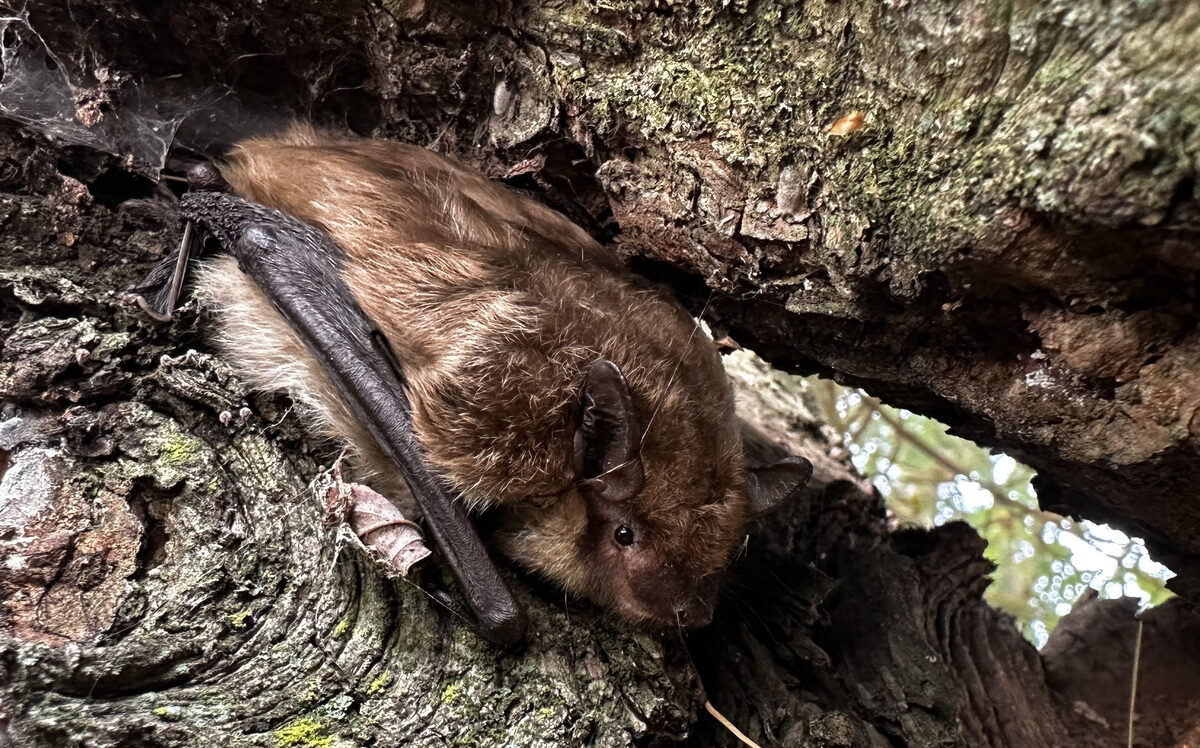
Bats emerging beside your roof at dusk can leave you wondering what is happening behind the brickwork or above the ceiling. If they are using your home as a roost, fall offers an important opportunity to arrange an inspection and plan humane exclusion.
Timing matters because young bats must be able to leave independently. Alabama Extension recommends exclusion outside the April-through-August pupping season, making fall a useful period for assessment. Weather, occupancy, and actual bat activity still determine when work should proceed.
For Birmingham homeowners, including those in Homewood and Mountain Brook, understanding the process can help protect both the building and the bats. Here is what to know about signs, one-way exclusion, cleanup, and encounters that require medical advice.
When can bats be excluded in Alabama?
Alabama Extension recommends excluding bats outside the April-through-August pupping season. Its guidance calls for one-way devices to remain installed for three to five days, or longer during inclement weather. Fall can offer a suitable opportunity, but professional assessment must consider occupancy, weather, and bat activity before exclusion begins.
Why Timing Matters for Bat Exclusion
Bat exclusion allows animals to leave a building while preventing their return. That approach depends on the occupants being able to exit on their own.
During pupping season, young bats may remain in the roost while adults leave to feed. Blocking returning adults can separate them from dependent pups. Young that cannot fly may be left inside without care, creating harm to the animals and additional problems for the property.
Alabama Extension identifies April through August as the pupping-season period to avoid for exclusion. It recommends one-way exclusion outside that period and allows additional time when weather interferes with activity.
October falls outside that guidance, but the calendar is only part of the assessment. A technician must also consider whether bats are using the building and leaving under current conditions.
Factors that affect the plan include:
- Evidence of current occupancy.
- Whether dependent young are present.
- Locations of active entrances and exits.
- Weather during the proposed exclusion period.
- Observed departure through the devices.
Arranging an inspection before winter gives homeowners time to address these questions and plan suitable work. It does not mean every property can be excluded immediately, nor that missing fall necessarily requires waiting until the following fall.
Bats provide ecological benefits, including feeding on insects. Humane exclusion addresses a conflict with the building while allowing these animals to continue their role outdoors.
Recognize Signs of Bats in Attics and Walls
Seeing bats feed over your yard does not establish that they are living in your house. Outdoor flight activity may simply reflect insects in the area.
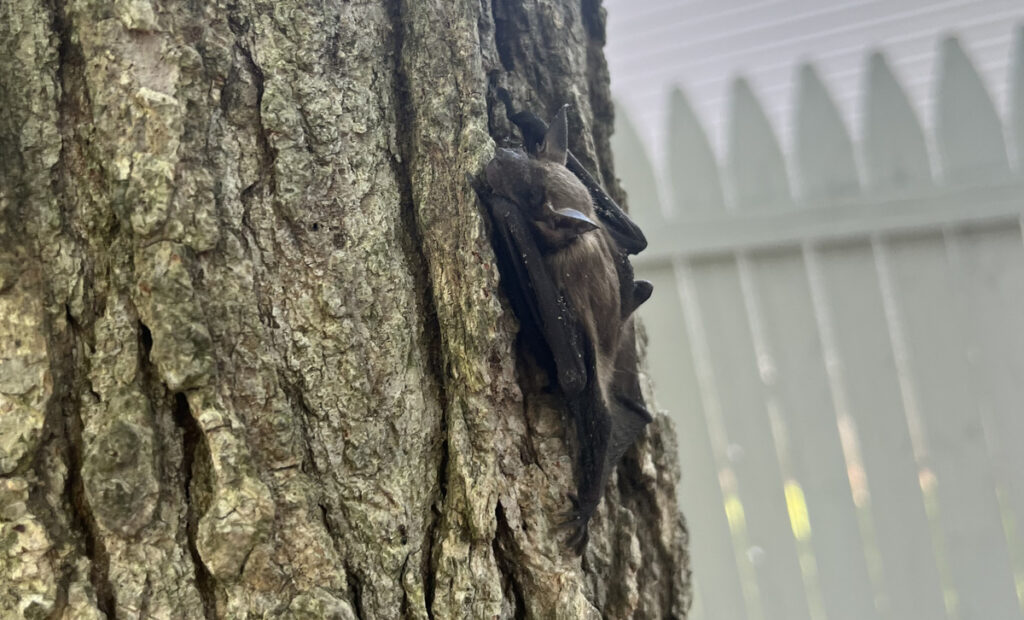
Repeated emergence from a particular opening is more informative. If several bats consistently leave the same roofline junction around dusk, that observation deserves professional assessment.
Other possible clues include:
- Droppings accumulating beneath a suspected entrance.
- Staining around an exterior gap.
- Recurring sounds from an attic or concealed wall space.
- Bat sightings inside occupied rooms.
- Activity returning at the same building location.
These signs should be considered together. Sounds alone cannot identify bats, while droppings do not independently establish colony size or current occupancy.
A single bat entering a living area is also different from evidence of a colony. It may have entered accidentally, but the situation still needs attention, especially if contact with a person or pet may have occurred.
For homeowners in Homewood and Mountain Brook, exterior condition matters more than building age alone. Older brick and masonry homes may have deteriorated mortar joints, connections between roof materials, or damaged vent protection worth inspecting.
Document visible concerns from a safe position. Note the location, time, and frequency of activity without approaching bats, disturbing a roost, or entering an unsafe attic.
An inspection can connect those observations with relevant building openings and help determine the appropriate next steps.
How One-Way Bat Exclusion Works
Professional exclusion begins with identifying how bats use the building. A visible opening may be an active exit, a potential entrance, or unrelated deterioration. Understanding that difference helps determine where devices and repairs belong.
A one-way device allows bats to leave through an established route while preventing them from returning through it. The process must also account for other openings that could provide alternative access.
The work generally follows several stages:
- Inspect relevant building areas and assess occupancy.
- Determine whether timing and conditions are suitable.
- Install appropriate devices at active exits.
- Secure other openings as part of the coordinated plan.
- Monitor departure and assess the result.
- Complete permanent closure when appropriate.
Alabama Extension describes leaving devices in place for three to five days, with longer periods during inclement weather. That is guidance for the process, rather than a guarantee that every building will be ready for permanent sealing after a fixed number of days.
A technician must evaluate whether bats have had a suitable opportunity to leave. Cold, wet, or otherwise unfavorable conditions can affect movement, so monitoring matters as much as elapsed time.
Plugging a suspected occupied opening without this process can trap bats inside. It may also redirect activity toward other spaces instead of resolving the access problem.
Through Skedaddle’s bat removal services, homeowners can arrange an assessment and discuss a humane exclusion plan suited to their property. Permanent protection should use materials appropriate to the opening while preserving ventilation, drainage, and necessary building functions.
Guano, Histoplasmosis, and Safe Cleanup
Bat droppings are commonly called guano. Accumulations in an attic or other sheltered area may require attention even after the access problem has been addressed.
One concern is histoplasmosis, an infection caused by inhaling spores of the fungus Histoplasma. CDC NIOSH explains that the fungus grows especially well in soil or other environmental material containing large amounts of bird or bat droppings. The presence of droppings alone does not confirm that the fungus is present.
That distinction helps keep the issue in perspective. Finding guano is a reason to assess the area and plan suitable handling, rather than assume illness or begin an improvised cleanup.
Disturbing contaminated material can release spores into the air. Avoid dry sweeping, household vacuuming, or moving affected insulation to investigate what lies beneath it.
An appropriate assessment considers:
- The amount and distribution of accumulated material.
- Whether insulation or stored belongings are affected.
- How the space can be accessed safely.
- What cleanup precautions are necessary.
- Whether restoration or additional building work is appropriate.
Substantial accumulations should be evaluated by professionals equipped to plan the work. The cleanup method depends on the conditions found, rather than a single approach suitable for every attic.
Exclusion and cleanup serve different purposes. Exclusion addresses bat access; cleanup addresses affected materials. Coordinating the two helps prevent an occupied roost from continuing to contaminate an area while restoration is underway.
If you develop health concerns after disturbing suspected contaminated material, contact a healthcare professional and describe the exposure.
Bats in the Bedroom: When to Contact a Doctor
A bat in an attic and a bat found in a bedroom raise different questions. Attic occupancy calls for wildlife assessment. A bat in an occupied room may also require evaluation of possible contact.
The Alabama Department of Public Health advises contacting a physician or local health department when bats are found in a house or bedroom. Bat bites may leave minimal marks or go unnoticed, so the absence of an obvious injury does not settle the question of exposure.
Seek prompt consultation if someone may have been asleep with the bat present or cannot confidently rule out contact. Do not wait for symptoms before asking for advice.
Practical next steps include:
- Keep people and pets away from the bat.
- Avoid touching or handling it.
- Contact a physician or local health department promptly.
- Explain who was present and whether anyone was asleep.
- Seek guidance before releasing a bat when exposure is possible.
Public-health professionals can determine whether testing or preventive treatment is appropriate. A wildlife technician can help address the animal and building access, but cannot replace medical evaluation.
Finding a bat does not mean it has rabies. Equally, appearance and behavior cannot establish that contact was harmless. The useful response is calm, timely consultation.
Do not attempt to catch the bat with your hands or release it immediately if testing may be needed. Follow the instructions provided by the health department and the professionals assisting with the encounter.
Protect the Building Against Repeat Entry
Once appropriate exclusion is complete, permanent repairs help prevent return access. Closing the opening bats used is important, but surrounding vulnerabilities should also be considered.
Relevant areas may include:
- Gaps at roofline junctions.
- Damaged vent covers or screening.
- Deteriorated masonry connections.
- Openings around adjoining building materials.
- Previous repairs that have loosened or separated.
The materials and installation must suit the component. Ventilation openings need protection that maintains airflow, while masonry and roofline repairs may require different approaches.
Skedaddle’s assessment considers how bats are using the structure and which areas need attention. Recommendations for affected attic materials can also help homeowners plan any cleanup or restoration work.
Continued maintenance supports the completed exclusion. Check visible exterior components after storms, renovations, or service installations, and report renewed activity promptly.
Securing existing entrances addresses the current access problem. Watching for new deterioration helps protect the building over time.
Frequently Asked Questions
Can bats be excluded from every Alabama home in October?
October falls outside Alabama Extension’s April-through-August pupping-season guidance, but suitability still requires assessment. Weather, occupancy, and whether bats are actively leaving can affect the plan. Arrange an inspection rather than assuming that the date alone makes immediate exclusion appropriate for every building.
How long do one-way bat devices stay installed?
Alabama Extension recommends three to five days outside pupping season, with longer periods during inclement weather. Monitoring is necessary because elapsed time does not confirm that every bat has left. The professional managing the work should assess conditions and departure before completing permanent closure.
Does seeing bats outside mean there is a colony in my attic?
No. Bats may be feeding around the property without roosting inside. Repeated emergence from a specific building opening provides a stronger reason for investigation. Share the timing, location, and frequency of observations with a professional who can assess them alongside other evidence.
Should I clean bat droppings myself?
Have accumulations and affected insulation assessed before disturbing them. Cleanup needs depend on the amount of material, access conditions, and potential exposure concerns. Avoid dry sweeping or household vacuuming and seek appropriate professional guidance rather than treating guano as ordinary attic dust.
What should I do if I wake up with a bat in the room?
Contact a physician or local health department promptly for consultation. Keep people and pets away, avoid handling the bat, and obtain guidance before releasing it because testing may be appropriate. Medical and public-health professionals should determine whether preventive treatment is needed.
Plan Humane Exclusion Before Winter
Fall gives Birmingham homeowners a useful opportunity to arrange bat assessment outside Alabama Extension’s pupping-season guidance. The right plan still depends on occupancy, weather, and observed activity.
Professional exclusion, appropriate cleanup assessment, and permanent entry-point protection address different parts of the situation. Possible exposure inside an occupied room also requires prompt medical or public-health consultation.
Contact Skedaddle Humane Wildlife Control serving Birmingham, Homewood, and Mountain Brook to discuss an inspection. Understanding the timing and the building’s access points is the first step toward protecting your home through humane exclusion.

 Loading...