






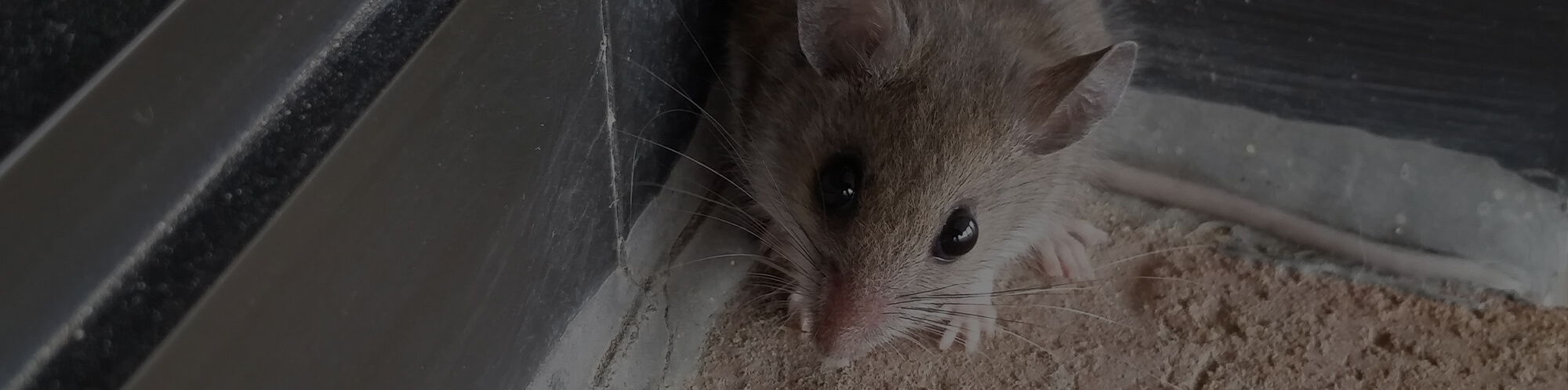


RAT REMOVAL PROCESS

Assess and Remove
Our Hamilton technicians perform a thorough inspection to identify entry points, nesting locations, and signs of rat activity. Using humane removal methods and a customized plan, we address the source of the infestation while preparing the property for effective long-term exclusion and protection.

Clear and Clean
Following removal, we clear contaminated nesting materials, droppings, and debris from affected areas. This service helps restore attics, crawl spaces, and other hidden spaces while reducing odours, contamination concerns, and conditions that may encourage future wildlife activity.

Prevent and Protect
We secure vulnerable entry points using professional exclusion materials designed to withstand rodent activity. Combined with customized recommendations, attic restoration services when required, and qualifying lifetime guarantees, our prevention-focused approach helps protect Hamilton homes from recurring rat intrusions.
Hamilton’s blend of historic neighbourhoods, urban development, escarpment landscapes, and waterfront areas creates an environment where rats can thrive year-round. From older homes with aging infrastructure to newer developments surrounded by green space, rats are constantly searching for reliable sources of food, water, and shelter.
Whether you’re located in Ancaster, Dundas, Stoney Creek, Waterdown, Westdale, Corktown, Durand, or near landmarks such as the Niagara Escarpment, Bayfront Park, Confederation Park, or Hamilton Harbour, rat activity can become a concern. Founded in 1989, Skedaddle Humane Wildlife Control brings more than 30 years of experience to every service call, delivering humane solutions backed by customized removal plans, written quotes, attic restoration services, and qualifying lifetime guarantees.
Lasting, Humane Rat Removal Services
Skedaddle provides humane rat removal services that address active infestations while focusing on long-term prevention. Every project begins with a detailed inspection and customized removal plan. Most rat removal services can be completed in as little as one day, depending on the complexity of the situation. Homeowners receive a written quote outlining the recommended work and associated costs before service begins.

How Rat Behaviour Changes Through the Seasons
Fall: Rats Look for Warmth in Hamilton Homes
As temperatures drop in Hamilton, rats look for warm places to spend the colder months, and openings around foundations, rooflines, vents and utility penetrations become more attractive. Older homes with aging foundations in Westdale and Corktown, properties along the Niagara Escarpment, and homes near Bayfront Park and Hamilton Harbour often see entry attempts increase. Rats are also active in Ancaster, Dundas, Stoney Creek and Waterdown at this time of year. Common signs include gnaw marks, droppings in basements and garages, and scratching inside walls at night.
Rats that get indoors in the fall can nest in wall voids, crawl spaces and attic insulation, contaminate stored food and chew wiring through the winter. Skedaddle’s humane rat control in Hamilton focuses on finding how rats are getting in, removing them, cleaning contaminated areas and sealing entry points so your home stays protected all winter.

Winter: Indoor Activity Continues
Rats remain active throughout winter and do not hibernate. Once they gain access to a heated structure, they can continue feeding, nesting, and reproducing. Attics, wall cavities, basements, and crawl spaces offer protection from cold weather while providing access to nesting materials and food sources.
Spring: New Opportunities for Nesting
As Hamilton emerges from winter, rats become more active as they search for food, nesting materials, and breeding locations. Spring rains can flood outdoor burrows, encouraging rats to move closer to homes and commercial buildings. Garages, crawl spaces, sheds, and attics become attractive shelter options as populations begin expanding after winter.
Summer: Abundant Resources Support Population Growth
Summer provides rats with everything they need to thrive. Food sources become plentiful thanks to gardens, compost bins, outdoor dining spaces, garbage storage, and bird feeders. Access to water is also easier, supporting increased activity throughout residential neighbourhoods.
As young rats begin exploring on their own, homeowners may notice activity around decks, sheds, fences, and foundations. Summer is often when populations grow rapidly, creating greater pressure on homes and businesses throughout Hamilton.
Why Some Hamilton Properties Attract Rats
Certain property conditions make it easier for rats to establish activity around homes and businesses.
Common attractants include:
- Bird feeders and spilled seed
- Compost piles and food scraps
- Unsecured garbage and recycling
- Outdoor pet food and water
- Dense landscaping near foundations
- Wood piles and storage materials
- Standing water and moisture sources
- Overgrown vegetation
- Gaps around vents, doors, and utility lines
While these factors may encourage activity, professional exclusion is often required to prevent rats from entering the structure itself.


Spotting Rat Activity Before It Escalates
Rat infestations often develop gradually, making early detection important.
Common warning signs include:
- Scratching sounds inside walls or ceilings
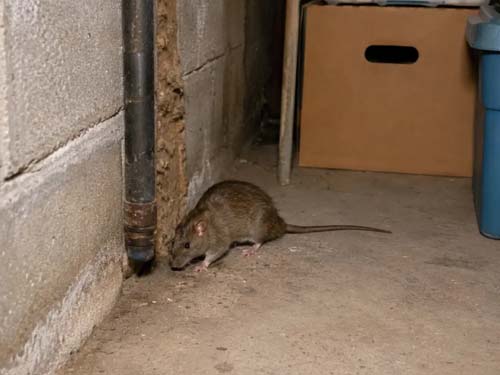
- Droppings in attics, basements, or storage areas
- Gnaw marks on wiring, wood, or insulation
- Grease marks along travel routes
- Nesting materials hidden in secluded areas
- Unusual odours in concealed spaces
- Rat sightings around the property
- Increased activity near garbage or compost areas
Professional inspections can determine the extent of activity and identify how rats are accessing the property.
Skedaddle’s Humane Rat Removal Process
Every rat infestation presents unique challenges. That’s why our team develops a customized removal plan tailored to each Hamilton property.
Detailed Site Investigation: Our technicians conduct a comprehensive inspection of the home and surrounding property. We assess attics, basements, crawl spaces, garages, rooflines, and exterior areas to identify signs of activity, entry points, travel routes, and nesting locations. This information helps us develop an effective removal strategy.
Locating Vulnerable Access Areas: Rats are capable of squeezing through surprisingly small openings. During this stage, we identify gaps around foundations, vents, utility penetrations, siding, roof intersections, and other structural features. Understanding how rats entered is critical to achieving a lasting solution.
Humane Removal Strategy: Once activity patterns have been identified, we implement a humane removal plan specific to the property. Skedaddle does not use trapping, relocation, or inhumane methods. Instead, our process focuses on safely resolving the infestation while preparing the home for long-term protection.
Exclusion and Structural Protection: After removal, vulnerable access points are professionally sealed and reinforced using durable exclusion materials. This step prevents rats from regaining access while strengthening the home’s overall resistance to future wildlife intrusions.
Restoration and Prevention Services: The final stage focuses on restoring affected areas and reducing future risk. Attic restoration services may be recommended if insulation or building materials have been impacted. We also provide prevention recommendations and qualifying lifetime guarantees to help homeowners maintain long-term protection.
The Risks of Rat Activity Inside a Home
Rats can create problems that extend far beyond the initial intrusion. Their constant chewing behaviour can damage insulation, wood, drywall, and electrical wiring throughout a structure.
Because rats often remain hidden behind walls or above ceilings, infestations can continue unnoticed for extended periods. During that time, nesting materials, droppings, and contamination can accumulate in affected areas.
As activity increases, the potential for property damage also grows. Addressing the issue early can help reduce repair costs and limit the disruption caused by a larger infestation.
Professional removal and exclusion provide a more effective long-term solution than simply addressing visible signs of activity.
Restore Comfort with Humane Rat Removal Solutions
Rat activity can make homeowners feel uneasy, especially when noises, odours, or signs of damage begin appearing inside the home. Professional removal services help address the current problem while reducing the likelihood of future activity.
Since 1989, Skedaddle Humane Wildlife Control has provided humane wildlife removal services built around prevention, restoration, and long-term protection. Contact our Hamilton team today to schedule an inspection and learn more about our customized removal plans, written quotes, attic restoration services, and prevention-focused solutions.
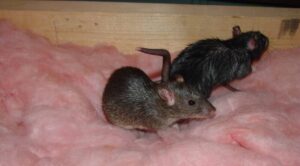
Steel City Wildlife Watch: Why Hamilton Homes See More Raccoons, Skunks, and Rats
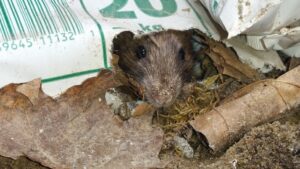
Rats In The Workplace: Skedaddle‘s Commercial Services

Hamilton Wildlife Removal: Are Rats Timid?
Hamilton Rat FAQs: Did You Know?
Older neighbourhoods often contain mature landscaping, aging infrastructure, and structures that may develop small gaps over time. Combined with nearby food sources and shelter opportunities, these conditions can make it easier for rats to establish activity. However, newer homes are also vulnerable if entry points and attractants are present.
Yes. Rats frequently tunnel through insulation, compress it, and use it as nesting material. Over time, this can reduce insulation performance and create contamination concerns. If significant activity has occurred, attic restoration services may be recommended to remove affected materials and restore proper insulation levels.
Absolutely. Restaurants, warehouses, office buildings, retail centres, and industrial properties can all experience rat activity. Any location that provides food, water, shelter, or structural access points can become attractive. Professional inspections help identify vulnerabilities before activity becomes more widespread.
Rat populations can increase surprisingly quickly when food and shelter are readily available. Because rats reproduce throughout the year, a small problem can become much larger if left unresolved. Early detection and professional intervention are important for limiting population growth and reducing potential damage.
No two properties experience rat activity in exactly the same way. Factors such as building design, entry points, infestation size, surrounding habitat, and property use all influence the appropriate solution. A customized plan ensures the removal strategy addresses the specific conditions affecting the home while providing more effective long-term protection.
CALL US TODAY
1.888.592.0387
OR
Request for Services

