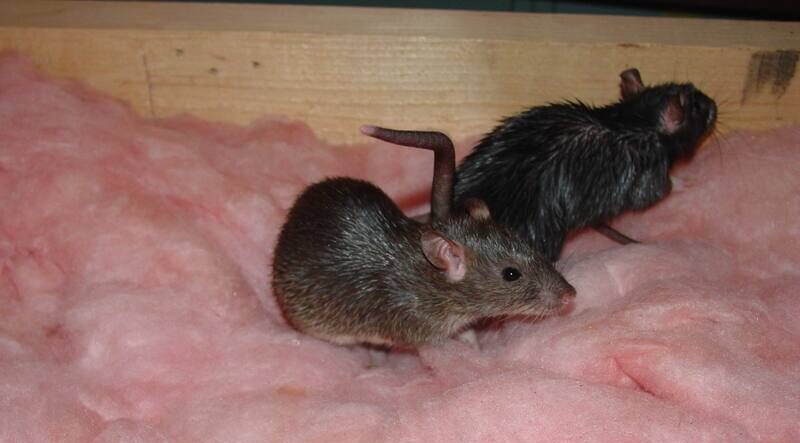
Summer construction can bring big changes to Hamilton neighbourhoods and it often brings more raccoons, skunks, and rats too. Roadwork, home renovations, new builds, and disturbed green spaces can push them out of the spots they normally use for shelter and food. When that happens, they start looking for somewhere new to go, and nearby homes often become their next stop. That is why Hamilton homeowners tend to see more of this kind of activity during the summer months, making it a topic worth paying close attention to.
Hamilton’s older homes, escarpment neighbourhoods, laneways, waterfront areas, and ongoing development all add to the problem. Older buildings may have worn roofing, damaged soffits, or small gaps that make it easier for them to get inside. At the same time, construction can remove shelter and change the routes they normally travel, pushing them closer to people’s homes.
At Skedaddle Humane Wildlife Control in Hamilton, we help homeowners deal with these seasonal problems safely and humanely. In this blog, we explain why construction season leads to more raccoons, skunks, and rats around Hamilton homes, and why our professional removal and prevention are the best ways to protect your property.
How Do Raccoons Get Into a House?
Raccoons usually get into a house by finding small weak spots along the roofline or other parts of the outside of a home. They are strong climbers and can reach the roof using trees, fences, decks, or even downspouts. Once they find a loose soffit, damaged roof vent, or small gap, they can pull it open and get inside. During Hamilton’s busy summer construction season, more of them may be pushed toward homes as nearby shelter disappears.
Older homes in Hamilton are often at greater risk because normal wear and tear creates easy entry points over time. Construction activity can also change the areas where they travel, leading them to explore nearby neighbourhoods in search of a quiet place to rest or raise their young. Attics are especially attractive because they are warm, dry, and protected from weather and other threats.
Disturbed Green Spaces and Escarpment Corridors
Hamilton’s escarpment, parks, ravines, and green spaces give raccoons, skunks, and rats natural paths to travel and find food. During the summer, construction projects can change these familiar areas by removing trees, digging up the ground, and creating a lot of noise. When these spaces become hard to use, many of them start looking for new places to find shelter and food. Nearby homes often become the next stop, especially in neighbourhoods close to active construction sites.
The impact of construction spreads further than most people expect. A project a few streets away can be enough to push them into a whole new area of the neighbourhood. Older homes, garages, porches, and sheds can quickly become part of their new travel route as they search for somewhere safe and quiet. Small changes in the nearby landscape can turn into bigger problems around your home.
Here is how disturbed green spaces affect your neighbourhood:
- Construction Changes Natural Travel Routes: Roadwork, utility repairs, and new builds can block the paths that raccoons, skunks, and rats have used for years. When digging begins, underground shelter and natural cover can disappear quickly. Instead of staying in parks or ravines, they often move into nearby residential areas. Homes with sheds, garages, porches, and accessible rooflines can quickly become places they want to settle.
- Neighbourhoods Near the Escarpment See More Activity: Many Hamilton homes are built close to the escarpment and other natural areas, which makes it easy for these animals to move between green spaces and residential properties. As construction spreads through these areas, they may travel farther than usual in search of quiet places to rest or raise their young. That is one reason homeowners near these neighbourhoods often notice more activity during the summer months.
- Disturbed Land Creates New Problems for Nearby Homes: Construction does not have to happen on your street to affect your property. Even a project a short distance away can change where they go to find food and shelter. Once they begin exploring nearby neighbourhoods, older homes, garages, and porches can become part of their new daily route. These small changes in the landscape can lead to much bigger problems around your home.
Vulnerable Older Homes and Laneways
Many of Hamilton’s older neighbourhoods have homes that have been standing for decades. Over time, weather and normal wear can create small gaps, loose materials, and other weak spots around the outside of a house. Older laneway garages, sheds, and other structures can also provide quiet spots where raccoons, skunks, and rats feel safe. When summer construction pushes them out of nearby green spaces, these kinds of properties often become attractive places to explore.
These buildings don’t need to look run down to have entry points. A small gap around a soffit, a loose roof vent, or a crack near the foundation can be all it takes. Raccoons are strong enough to pull these openings wider, and rats can squeeze through gaps that look too small to matter. Once they find a way in and feel safe, they are very unlikely to leave on their own.
Here is why older homes and laneways are at greater risk:
- Aging Homes Offer Easy Entry Points: Older homes may have loose soffits, damaged roof vents, worn fascia boards, or small openings that have gone unnoticed for years. Raccoons are strong climbers and can take advantage of these weak spots to reach an attic. Rats can squeeze through surprisingly small gaps around the foundation or exterior walls. Once they find a way inside and feel safe, they often stay as long as food and shelter are available.
- Laneway Garages and Sheds Provide Shelter: Laneway garages and older sheds are common in many Hamilton neighbourhoods and are often quieter and less used than the main home. They may have small openings that go unnoticed and can provide good protection from the weather. These buildings can become ideal hiding spots for raccoons, skunks, and rats, especially when a nearby construction project has disturbed their usual shelter.
- Waterfront and Lower-City Neighbourhoods Face Added Pressure: Hamilton’s older waterfront communities and lower-city areas combine aging homes with ongoing redevelopment. As new projects begin, raccoons, skunks, and rats may move away from disturbed areas and into nearby residential streets. Older buildings in these neighbourhoods often have more potential entry points than newer homes. That combination can increase the chances of unwanted activity during the summer months.
Escalated Raccoon Activity
Raccoon activity often goes up in Hamilton during the summer construction season. Mature trees, ravines, and wooded areas normally give them safe places to travel and rest. When construction removes trees, disturbs the ground, or creates constant noise, many of them move into nearby neighbourhoods looking for somewhere else to stay. Homes with easy access to the roofline can quickly become their next choice.
Summer is also when females are raising their young, which means they are actively looking for warm, quiet, protected spaces. An attic in an older home fits that description perfectly. Once a mother settles in with her young, she is very unlikely to leave until they are old enough to move on their own.
Here is how raccoon activity increases during construction season:
- Attics Make Ideal Summer Dens: Attics give raccoons a quiet, dry, and well-protected place to stay during the summer. Females in particular look for spots like this when they are raising their young. Older homes with damaged soffits, loose roof vents, or small openings are especially easy targets. Once inside, a family may stay there for weeks before anyone notices they are there.
- Tree Removal Changes Travel Routes: Mature trees help raccoons move safely through Hamilton neighbourhoods without coming too close to people. When trees are removed for roadwork or new construction, those familiar paths disappear. Raccoons often start exploring nearby rooftops, fences, and garages instead of staying in natural areas. This makes it much more likely they will find a way into a residential property.
- Construction Noise Pushes Them Toward Quieter Homes: Excavation, heavy equipment, and ongoing construction can disturb the places where raccoons normally spend their time. Instead of staying close to active work sites, they often move into quieter residential areas nearby. Homes close to construction projects may see more activity as they search for new shelter. Even a project several streets away can change where they decide to settle.
Garbage and Foraging
Construction projects can change more than roads and buildings. Heavy equipment, dust, and debris often disturb the places where skunks and rats normally find food. When those familiar feeding spots disappear, they start exploring nearby neighbourhoods instead. Homes with easy access to food quickly become more attractive.
Construction sites can also create more garbage, and overflowing residential bins add another easy food source. Food scraps, packaging, and other waste can pull skunks and rats in and give them a reason to keep coming back. Once they find a spot where food is always available, they are very likely to stay close and return night after night.
Food is only part of the problem. After finding a reliable place to eat, they often start looking for nearby shelter too – under porches, inside sheds, in garages, or around other structures. Our team at Skedaddle understands how construction and changing food sources drive this kind of activity. We provide humane removal and help stop them from coming back by identifying entry points and installing one-way doors where needed.
Wildlife Challenges in Hamilton
Hamilton’s neighbourhoods offer a mix of older homes, mature trees, parks, ravines, laneways, and waterfront areas. While these features make the city a great place to live, they also create good conditions for raccoons, skunks, and rats year-round. Summer construction adds another layer to that challenge by disturbing natural shelter and changing where they travel and find food.
Not every neighbourhood feels the same level of activity. Areas close to the escarpment, older downtown communities, and neighbourhoods with active roadwork or new builds often see more movement during the warmer months. As construction changes the landscape, many of them start exploring nearby homes, garages, sheds, and porches. Small openings in older buildings can quickly turn into real entry points.
Construction projects are only temporary, but the problems they create can last much longer if they are not dealt with properly. Once raccoons, skunks, or rats find a good source of shelter, they often keep coming back until something is done. Knowing why activity goes up during the summer can help homeowners spot the signs early and act before the situation gets worse.
Managing Your Wildlife Issues with Skedaddle
When raccoons, skunks, or rats move onto your property, our professional removal is the safest and most effective way to deal with it. At Skedaddle Humane Wildlife Control in Hamilton, we use humane methods that protect both your home and the animals. Every property is different, so our team takes a close look at the full situation before deciding on the best approach.
Our process focuses on solving the problem without live trapping or relocation. We remove wildlife safely and install one-way doors that allow them to leave while stopping them from getting back in. After the removal is done, we find and close off the entry points that made your home vulnerable in the first place.
Acting quickly can stop a small problem from turning into a much bigger one. Strange noises, damage around the roofline, or more activity than usual around your property are all signs worth taking seriously. Our team is ready to carry out a full inspection, handle the removal humanely, and put prevention measures in place so the problem doesn’t come back.
Frequently Asked Questions
Do construction projects attract raccoons, skunks, and rats?
Construction projects don't pull them in on purpose, but they do push them out of the places they normally use. Digging, tree removal, and heavy equipment disturb the spots where they live and find food, which causes them to move into nearby residential areas. This is one of the main reasons activity goes up in Hamilton neighbourhoods during the summer building season. A project even a few streets away can be enough to change where they travel and look for shelter.
Why are older homes more likely to have wildlife problems?
Older homes often have worn materials that create small entry points over time. Loose soffits, damaged roof vents, cracked foundations, and aging exterior materials can all make it easier for raccoons or rats to get inside. Older garages and sheds can also give them quiet, hidden places to hide and build nests. Getting a professional inspection can help find these weak spots before they become bigger problems.
What are the signs that wildlife may be living in my home?
Common signs include scratching, thumping, or movement sounds coming from the attic, walls, or ceiling, especially at night. You may also notice damage around the roofline, soffits, vents, or other parts of the outside of your home. Odd smells or more activity around your yard than normal can also be warning signs. If you notice any of these things, the best step is to call our professionals right away.
How does Skedaddle remove wildlife from a home?
At Skedaddle, we use humane removal methods that are safe for both your home and the animals. Our team installs one-way doors that allow them to leave but stop them from getting back inside. We also find and close off the entry points that let them in in the first place. This approach gives homeowners a real long-term solution, not just a quick fix.
Can wildlife return after it has been removed?
Yes, they can come back if entry points are left open or new gaps develop over time. That is why prevention is just as important as the removal itself. At Skedaddle, we look for weak spots around your home and help stop future entry before it happens. This gives homeowners much better peace of mind through every season of the year.
Keep Summer Wildlife Problems from Growing Bigger
Summer construction can change more than the look of a neighbourhood. Roadwork, new builds, and renovations can disturb natural shelter and food sources, pushing raccoons, skunks, and rats into nearby residential areas. Hamilton’s older homes, escarpment neighbourhoods, laneways, and waterfront communities can make it easier for them to find places to hide. Once they settle into an attic, garage, shed, or under a porch, the problem usually gets harder to solve the longer it goes on.
Our professional removal is the safest way to protect your home and stop the problem from getting worse. At Skedaddle Humane Wildlife Control in Hamilton, we use humane removal methods focused on real, lasting results. Our team removes wildlife safely, finds how they got in, and installs one-way doors that let them leave while keeping them from getting back inside. Every property is different, so we build our plan around your home’s specific situation.
If you have noticed signs of raccoons, skunks, or rats around your property, don’t wait for the problem to grow. Contact our team to schedule a professional assessment or request an estimate. We are here to protect your home and give you lasting peace of mind through every season.

 Loading...