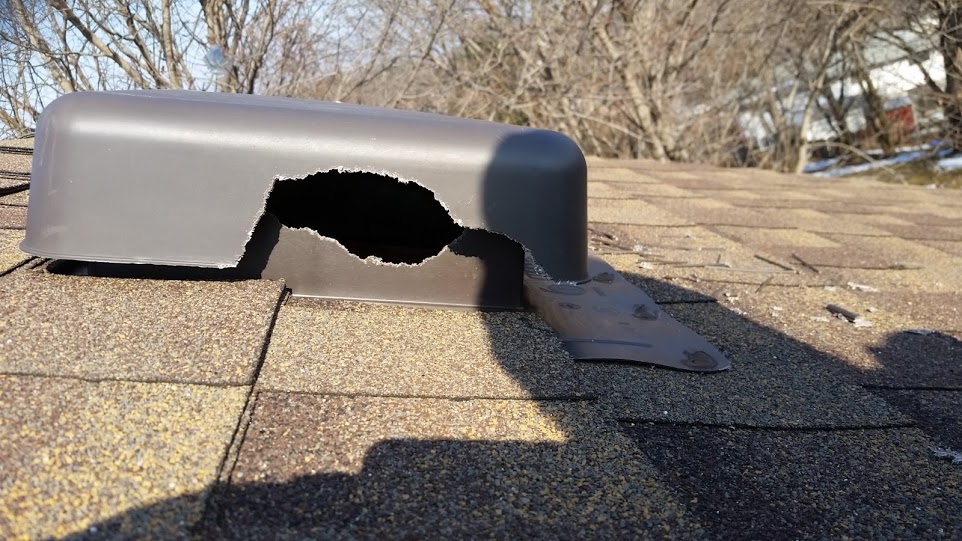
Squirrels are taking over Windsor attics right now because the spring season brings a massive baby boom. Female squirrels urgently need a warm, dry, and safe place to give birth to their young. Your attic provides the perfect high-up shelter to protect their hairless, blind babies from predators and unpredictable spring weather.
You might hear scratching, scurrying, or thumping above your ceiling during the day. You may also notice torn shingles or chewed vent covers on the outside of your roof. These are clear signs that an animal has moved into your house. Homeowners often feel stressed when they realize a family of squirrels is living right above their heads. This guide will list the exact reasons why squirrels are taking over Windsor attics right now during the spring baby boom.
Our team at Skedaddle Humane Wildlife Control in Windsor knows exactly how to handle these situations safely. We have years of experience dealing with the local wildlife population. You can trust our trained professionals to safely remove the animals and secure your home so they cannot return.
Why are squirrels getting into my attic?
Squirrels are getting into your attic because they are looking for a secure nesting site to raise their kits. Attics mimic the high, hollow trees they naturally seek out in the wild. Your house offers them a quiet space away from natural predators like coyotes, foxes, and large birds. It also protects them from the cold rain and wind that often hit Ontario in the early spring months.
You will often find that these animals are incredibly determined to get inside. A mother squirrel can chew through wood, plastic, and thin metal to create a small entry hole. Once she gets inside, she will gather your insulation to build a soft, cozy nest for her upcoming litter. We know how frustrating this damage can be for homeowners. Our skilled technicians can identify these tiny entry points and apply strong, weather-proof sealants to fix the damage.
We always use safe methods to let the animals leave without causing them harm. Our technicians install special one-way doors over the entry points. These doors allow the adult animals to exit the building safely. However, the doors stop them from coming back inside. If there are babies present, we gently remove them by hand and place them in a heated baby reunion box outside. The mother can then safely carry her babies to a new den in the wild.
The Spring Baby Boom
The spring baby boom is the biggest reason why squirrels invade homes between March and May. Grey squirrels typically have their first litter of the year between March and April. Red squirrels mate a bit earlier, usually in February and March, with their babies arriving shortly after. A single mother can give birth to anywhere from one to seven babies at a time.
You will notice a sharp increase in animal activity around your property during this breeding season. The mothers become highly active as they search for the best possible nesting spots. They want to make sure their babies have the highest chance of survival. Because baby squirrels are born completely hairless and blind, they rely entirely on their mother and a warm nest for the first few weeks of life.
Our team understands the specific breeding cycles of local Ontario wildlife. We time our removal services to ensure that families are kept together. We never use live trapping because it can separate a mother from her dependent babies. Separating them would leave the young animals to perish behind your walls, creating terrible smells and health risks.
Search for Safe Shelter
Mothers look for secure spots to protect their vulnerable babies. Attics, chimneys, and vents offer perfect protection. Here is why your house looks so appealing to a mother squirrel:
- High Elevation Provides Safety: You will find that squirrels naturally want to nest high off the ground. This instinct helps them avoid ground-level predators like domestic dogs and cats. Your roof and attic mimic the tall trees they love. We can safely reach these high areas using professional ladders and safety gear to assess the situation.
- Protection from Spring Weather: You know how unpredictable the weather can be during a Canadian spring. Heavy rain, strong winds, and late snowstorms can destroy an outdoor nest in a tree. Your attic provides a completely dry and sturdy shelter. Our professionals can inspect your roof to find exactly where the animals escape the bad weather.
- Quiet and Undisturbed Spaces: You probably do not visit your attic or crawlspaces very often. These dark, quiet areas allow the mother to rest and nurse her babies in complete peace. The lack of human activity makes it an ideal nursery. We safely navigate these tight, dark spaces to locate the exact nesting area without causing you any stress.
Increased Activity After Winter
Following a long, cold winter of limited food, squirrels become highly active in the spring. They spend the winter conserving energy and relying on hidden food caches. Once the weather warms up, they burst back into action. They spend their days running along fences, climbing trees, and exploring rooflines.
You might see them darting across your roof more frequently as the snow melts. This increased activity makes them much more likely to find small, hidden gaps in your rooflines, soffits, and fascia boards. They constantly probe and chew on loose building materials. A gap as small as two inches is enough for them to squeeze through.
Our technicians know exactly what to look for when inspecting a house after the winter thaw. We check for chewed wood, lifted shingles, and damaged vents. We then apply heavy-gauge steel screening to secure these weak spots. You never have to worry about climbing onto a dangerous, slippery roof, because our team handles the entire inspection and repair process.
Warmth and Nesting Materials
Attics are warm, often holding heat from the house below, which is highly appealing. Squirrels also create damage by chewing through your home’s materials to build nests for their young.
- Cozy Insulation: You have thick insulation in your ceiling to keep your house warm during the winter. Squirrels love to tear this soft fibreglass or cellulose material apart. They gather it into large piles to create a warm, padded nest for their hairless babies. Our team carefully removes this damaged, soiled insulation and safely disposes of it for you.
- Heat from Vents and Pipes: You likely have exhaust vents, chimneys, and plumbing stacks running through your upper floors. These utilities often give off heat, creating a toasty environment nearby. Squirrels will naturally build their nests close to these heat sources. We install professional wildlife-proof covers over your vents to stop them from getting inside.
- Chewing on Wooden Beams: You will find that a squirrel’s teeth never stop growing, so they must constantly chew to file them down. They often gnaw on wooden roof trusses, joists, and even electrical wiring inside your ceiling. This chewing behaviour can cause serious structural damage and create dangerous fire hazards. We identify all chewed areas and apply durable materials that squirrels cannot bite through.
Territorial Behaviour and Abundance of Food
Spring is a time of increased territorial behaviour, leading to faster, more desperate efforts to secure nesting areas before the babies arrive. Increased food availability in spring, such as tree buds and bird feeders, also brings more squirrels into residential areas.
- Defending Nesting Sites: You will see squirrels chasing each other away from prime real estate. Once a mother claims your attic, she will fiercely defend it from other animals. This territorial drive makes them very stubborn and hard to remove without our professional help. We use specialized exclusion techniques to safely evict the animals and prevent others from moving in.
- Access to Spring Food Sources: You might have bird feeders, nut trees, or blooming gardens in your yard. These fresh food sources attract large numbers of squirrels to your property. When food is close by, they look for the nearest shelter, which is often your house. Our team can give you helpful advice on how to manage your yard to attract fewer wild animals.
- Sustained Home Invasions: You will face constant home invasions if your property has both food and shelter. Squirrels will return year after year if the entry points are not properly sealed. They leave behind scent trails that signal to other animals that your house is a safe place to live. We clean and deodorize the entry points to remove these scent trails permanently.
Squirrel Prevention and Removal: What You Need to Know
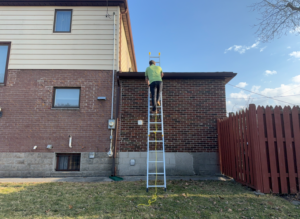 Squirrels are another common wildlife problem, especially during the spring when they are looking for safe places to raise their babies. Unlike skunks, squirrels tend to seek out high places, such as attics, roofs, and chimneys. Once inside, they create nests by tearing apart insulation, wood, and other materials. Their constant chewing can also cause serious damage, including to electrical wiring, which may lead to fire hazards.
At Skedaddle, we specialize in humane and effective squirrel removal and prevention. Our team carefully inspects your property to identify squirrel entry points and address them. If squirrels are already in your home, we use safe and reliable one-way doors to remove them, ensuring they cannot return. After removal, we clean and restore affected areas, sealing all entry points to prevent future problems.
Preventing squirrels from entering your property is vital for avoiding costly damage and health risks. We offer customized solutions such as installing heavy-duty steel mesh over vents and other vulnerable areas to block access. Our trained technicians use methods that are both effective and humane, ensuring the safety of both your home and the wildlife. With Skedaddle, you can trust that your squirrel problem will be handled with professionalism and care.
Windsor Squirrel Challenges
Squirrels can be one of the biggest challenges for homeowners in Windsor. These agile animals easily climb trees and leap onto rooftops, where they can cause significant damage. Squirrels are known to chew through wood, plastic vents, and even aluminum to access your attic. Once inside, they create nests, gnaw on wiring, and leave behind droppings, which can lead to expensive repairs and even safety hazards like electrical fires.
Windsor’s unique mix of mature trees and mild climate provides the perfect environment for squirrels to thrive. Older homes, with their aging soffits and fascia, are particularly vulnerable to squirrel activity. Even newer neighbourhoods, like those in LaSalle or Tecumseh, aren’t immune. Flimsy roof vents and unsealed gaps offer easy entry points for these determined creatures. Squirrels are active year-round, but they’re especially problematic in the colder months when they seek warm shelter.
Our Windsor team understands the challenges that squirrels bring to local homes. We have extensive experience in identifying and sealing the specific weak points that squirrels target. From inspecting chimneys, vents, and rooflines to removing nests safely, we provide solutions tailored to your home’s design. With our proven methods, we can help protect your property from further damage while prioritizing humane wildlife control.
Frequently Asked Questions
Can I just seal the hole when the squirrel leaves for the day?
You should never seal a hole without a professional inspection. During the spring, sealing a hole will trap helpless babies inside your house. The mother will cause massive damage to your roof trying to get back in, and the babies will die inside your walls.
What does a squirrel nest look like inside an attic?
A nest usually looks like a large, messy pile of shredded insulation, leaves, twigs, and chewed paper. You will often find it tucked into a quiet corner, near a heat source, or down inside a wall cavity.
Why do I hear scratching noises in the morning?
Squirrels are diurnal creatures, meaning they are most active during the day. You will typically hear them scratching, running, and chewing early in the morning when they leave to find food, and again in the late afternoon when they return.
Do these squirrels carry diseases?
Yes, wild animals can carry parasites like fleas and ticks into your home. Their droppings and urine can also grow dangerous bacteria and mould, which can negatively affect the air quality inside your house.
Will the squirrels leave on their own?
Squirrels will not permanently leave a safe, warm den on their own. Even when the babies grow up and leave, the mother will often return to the exact same spot to have her next litter in the late summer.
Secure Your Home With Skedaddle Today
Spring is an exciting time as the weather warms up, but it also brings a baby boom for wildlife. Squirrels become more active, looking for safe places to raise their young. Unfortunately, your attic or roof can seem like the perfect spot for these creatures.
It provides warmth, protection, and space, making it attractive to wildlife. While it may seem harmless at first, leaving these animals in your home can lead to serious problems. You’ll hear more noise as they move around. They can cause damage to your insulation, chew through wood or wires, and create strong, unpleasant odours from their waste or nests.
If you’re facing this issue, it’s important to act quickly. At Skedaddle Humane Wildlife Control in Windsor, we make it easy and stress-free to take care of squirrels. Our trained team uses humane methods to remove animals safely, ensuring no harm comes to them or their young. We will also clean up any mess they leave behind and seal any openings to prevent them from returning. Don’t wait for the problem to worsen—contact us today to request an estimate and schedule your property assessment. We’re here to provide reliable, professional help when you need it most.

 Loading...







