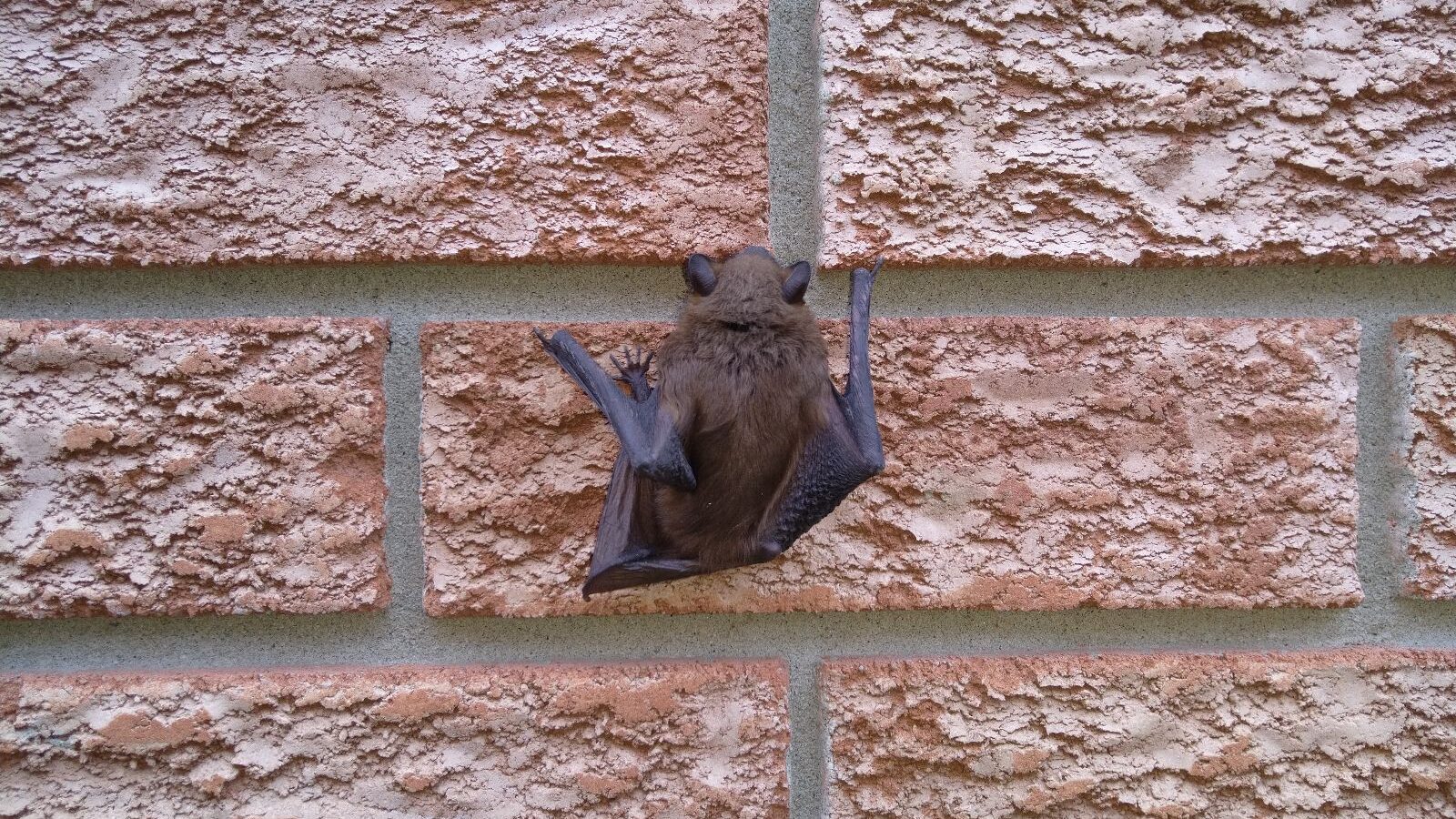
Bat season can bring more activity into your home than you might expect. During this time, bats look for warm, quiet places like attics, walls, and roof spaces to rest and raise their young. Older homes in Toronto often have small gaps and worn areas that make this easier. These hidden entry points can quickly turn your home into a place they return to again and again.
At first, the signs may seem small and easy to miss. You might hear faint noises at night or notice marks near your roofline or vents. These early signs can be ignored without much thought, but they often point to something growing behind the scenes. Once bats settle in, they can stay hidden for long periods and continue using the same space.
Knowing what to watch for makes a big difference. Skedaddle Humane Wildlife Control in Toronto handles these situations with safe, complete solutions that focus on long-term protection. In this blog, you will learn the key signs to look for during bat season, where entry points are most common, and why early action helps protect your home.
Does One Bat Mean an Infestation?
You may see one bat and think it is just a one-time situation. In many cases, one bat can be a sign that more are nearby. These animals often live in groups, especially during warmer months. If one gets inside, there is a good chance others are using the same entry point.
You might not see the full picture right away. Many stay hidden in attics or wall spaces during the day. This makes it hard to know how many are actually present. A single sighting should always be taken seriously.
You need to understand that early action helps prevent larger problems. What seems small can grow quickly if the entry point is not addressed. Our professional inspection helps confirm what is happening and how to handle it safely.
Sounds in Walls and Attics
You may first notice activity through sound. Noises often happen at night or early in the morning when the home is quiet. These sounds can start off very light but become more noticeable over time. The following signs can help you understand what you are hearing and why it matters:
- Scratching and Movement: You may hear light scratching or movement coming from above ceilings or inside walls. These sounds often happen as bats shift or settle in their space. At first, it may seem like a small noise, but it can become more frequent. This is often one of the earliest signs of activity.
- High-Pitched Squeaking: You might hear faint squeaking sounds, especially at dusk or dawn. These sounds are used for communication and are not always easy to notice. Over time, they can become clearer as activity increases. This is a strong sign that bats are using the space regularly.
- Timing of Noise: Sounds often follow a pattern, happening at the same times each day. Evening and early morning are the most active periods. This repeated timing helps confirm that something is living inside. Paying attention to this pattern helps identify the problem early.
Droppings and Waste Buildup
You may not see droppings right away, but they can build up over time. These are often found in attics or near entry points where bats are active. At first, the amount may seem small and easy to ignore. The following signs show how waste buildup can become a bigger concern:
- Small Dark Droppings: You might notice small, dark droppings collecting in certain areas. These can pile up quickly if activity continues. They often break apart into fine particles when touched. This makes them easy to spread through the air.
- Dust and Air Quality Issues: As droppings break down, they can create dust in your attic or walls. This dust can affect the air inside your home over time. It may spread through vents or small openings. This can make the space less safe and less comfortable.
- Growing Buildup Over Time: What starts as a small amount can grow into a large problem. Regular use of the same space leads to more buildup. This can affect insulation and surrounding materials. Our professional handling is required to address this safely and completely.
Foul Odours in the Home
 You may notice a strong smell before you see any clear signs of activity. These odours often build slowly and become more noticeable over time. At first, it may seem like a minor issue, but it can quickly affect the comfort in your home. This is often one of the earliest warning signs that something is not right.
The smell is usually musty or sharp and is often strongest in attic areas. This comes from waste and urine collecting in one space over time. As the buildup grows, the smell can spread into other parts of your home. It may travel through vents, ceilings, or small openings without you realizing it.
You need to take these odours seriously when they appear. A strong smell often means the problem has been present for a while. The longer it is left, the harder it becomes to manage. Early attention helps reduce damage and keeps your home more comfortable.
Stains and Entry Marks
You may start to see small marks around your home that point to where entry is happening. These are often found near rooflines, vents, or soffits. At first, they can be easy to miss or seem unimportant. Over time, they become darker and more noticeable.
These marks often appear as dark stains or smudges near small gaps. They are caused by repeated movement in and out of the same space. Each time bats pass through, they leave behind slight traces. Over time, these marks build up and clearly show where access is happening.
You need to watch for these signs carefully around your home. They can help identify where the problem is starting before it grows. Ignoring these marks can lead to more frequent use of the same entry point. Sealing these areas properly is key to stopping repeat activity.
Activity at Dusk
You may notice more movement around your home in the evening. This is when bats leave their resting areas to feed. Watching your home at dusk can help you spot where they are entering or exiting. This is one of the clearest signs of ongoing activity.
You might see bats flying near roof edges, vents, or corners of your home. They often follow the same path each night when leaving and returning. This pattern can make it easier to track where they are coming from. It also shows how active the space has become.
You need to pay attention to these repeated patterns. When the same movement happens night after night, it means the area is being used regularly. This is not a one-time event but part of a routine. Early action helps stop the problem before it grows further.
Common Entry Points to Watch
You may not realize how small an entry point can be. Even tiny gaps can be used again and again over time. Older homes often have more weak spots that make access easier. The following areas are common places where entry can happen:
- Roofline Gaps: Small openings along the roofline are often used as entry points. These can form where materials have worn down over time. Even a small gap can be enough for access. These areas are often used repeatedly once found.
- Vents and Openings: Vents around the home can create easy access if not properly covered. Damaged or loose vent covers can allow entry without being noticed. These spaces also provide a direct path inside. This makes them a key area to check.
- Chimneys and Siding Gaps: Chimneys without proper caps and loose siding can create hidden openings. These spots may not seem important at first. Over time, they can become regular entry points. Sealing these areas properly helps prevent ongoing problems.
Health and Safety Concerns
You may not think about health risks right away, but they are very important. Droppings and contact can create serious concerns inside your home. These risks are often hidden and build over time. The following points explain why safety should always come first:
- Hidden Contamination: Waste and residue can build up in areas you cannot easily see. This includes attics, insulation, and wall spaces. These hidden areas can still affect your home environment. This makes the risk harder to detect on your own.
- Airborne Particles: As droppings dry out, they can break into small particles. These particles can move through the air and spread into other areas. This can affect indoor air quality over time. It is one reason why proper handling is so important.
- Risk of Direct Contact: Getting too close can increase the risk of exposure. Even if a bat appears calm, it should not be approached. Contact can lead to health concerns that are not always obvious right away. Our professional removal helps keep both you and your home safe.
Bat Prevention With Our Team
You do not need to handle this situation on your own. Our team at Skedaddle focuses on safe and complete solutions that protect your home. We work to remove activity and prevent it from coming back. Our approach is built on long-term protection.
We begin with a full inspection of your home to understand what is happening. This helps us find entry points and areas where activity is present. Some of these areas may not be easy to see without experience. Once everything is identified, we create a clear and effective plan.
We use one-way doors that allow bats to leave safely but not return. After the space is clear, we seal all entry points using strong materials. This prevents future access and repeat problems. Our process keeps your home secure moving forward.
Toronto Homes and Bat Season Activity
Toronto provides ideal conditions for bat activity during warmer months. Homes offer shelter, warmth, and quiet spaces that are easy to use. Older homes often have more gaps and worn areas. This increases the chance of activity around your property.
You may notice more signs during late summer when movement increases. This is when feeding and activity are at their highest. Sounds, smells, and visible movement can become more noticeable. This is often when homeowners first realize there is a problem.
Urban design also plays a big role in how bats move through the city. Rooflines, vents, and aging materials can create easy access points. These features may not seem important at first. Over time, they can become the main entry areas if not addressed early.
Frequently Asked Questions
Does one bat mean more are in the home?
Yes, one bat can often mean there are more nearby, even if you only see one at first. They tend to use the same entry points and may stay hidden in attic or wall spaces during the day. Because they can live in groups, a single sighting should not be ignored. Having the situation checked early helps confirm what is happening and prevents the problem from growing.
What time of year is bat season in Toronto?
Bat season in Toronto is most active from spring through late summer, when temperatures are warmer. This is when bats are looking for safe places to rest and raise their young. Activity usually increases as the weather heats up, making signs more noticeable around your home. Late summer is often when homeowners first start to see or hear more movement.
Are bats dangerous in a home?
Bats are not aggressive, but they can still pose health risks if they are inside your home. Contact with them or their droppings can lead to potential health concerns. Even if one appears calm, it should never be approached or handled. Keeping your distance and letting our professionals handle the situation is always the safest option.
Where do bats hide in homes?
Bats usually stay in quiet, dark areas like attics, wall spaces, and rooflines. These areas provide warmth and protection, especially during the day when they are resting. They are very good at staying hidden, so you may not see them directly. Most signs come from sounds, smells, or marks rather than seeing them in open spaces.
Small Signs Today, Bigger Problems Tomorrow
Bat season can bring hidden issues into your home if you are not paying attention. What starts as small sounds in the attic or faint marks near your roof can grow into a larger problem over time. Activity can spread to different areas, and damage can increase without clear warning. Acting early helps protect your home and keeps the situation from getting worse.
These problems do not go away on their own. Bats will return to the same entry points if they feel safe and undisturbed. Even if activity seems to stop, they often come back to check the same spots again. Without proper removal and sealing, the cycle continues and can become harder to manage.
A complete approach is the best way to solve the problem for good. It is not just about removing what is inside, but also making sure it cannot happen again. Skedaddle Humane Wildlife Control in Toronto focuses on safe removal, sealing entry points, and long-term protection for your home. Our team handles each step with care to make sure your space stays secure.
You can request an estimate today to keep your home clean, protected, and free from ongoing issues.

 Loading...