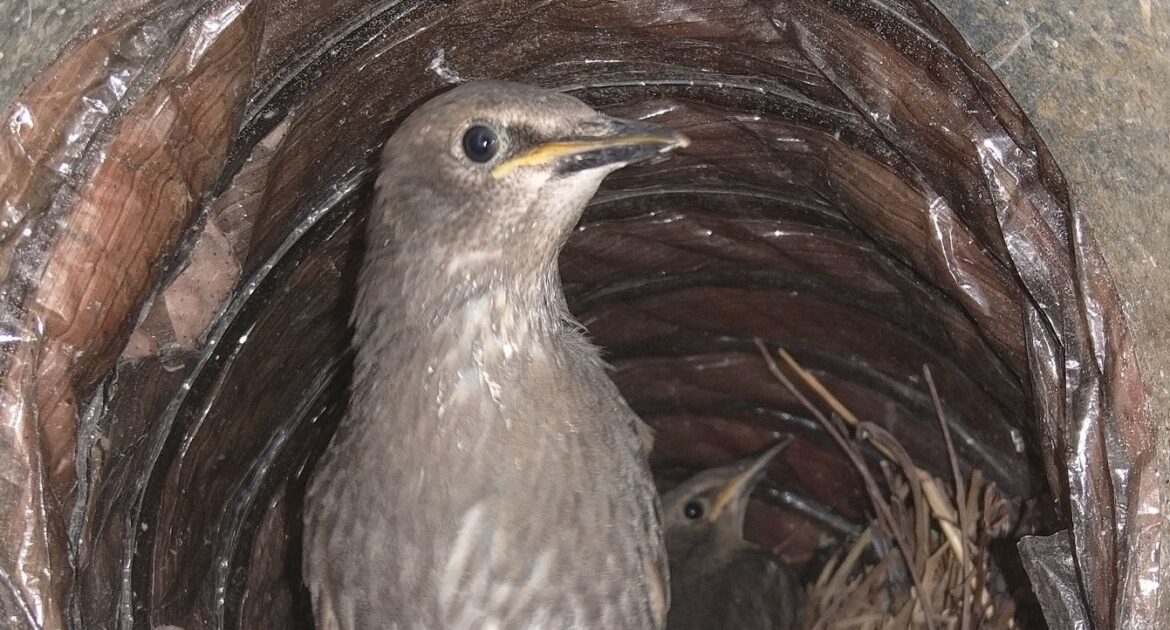
Late one crisp September evening, you might notice birds busying themselves in your yard or around your home. You wonder, “Do birds nest in autumn?” At first glance, it might feel unexpected. Isn’t nesting something birds do in spring?
Contrary to common assumptions, the answer is not so straightforward. Yes, many birds primarily build nests in spring and summer to raise their young, but some species also nest in autumn. However, their reasons for doing so often differ. Bird nesting habits in fall highlight how resourceful these creatures are. Birds that nest in autumn aren’t preparing for chicks but for survival.
They’re building nests for warmth, shelter, and sometimes to store food for the colder months ahead. For those of us in Hillard, this behavior may bring birds closer to our homes than we’d like. If you’ve noticed an uptick in bird activity around your property, Skedaddle Humane Wildlife Control’s Hillard bird control services are here to help.
Why Do Some Birds Nest in Autumn?
Most birds use the spring to prepare nests for reproduction, but autumn is a different story. Birds that nest in autumn typically do so because they need a safer or warmer location to weather the months ahead. Here’s why birds nest during this time:
- Shelter from the Elements: Cold nights and seasonal storms push birds to seek protected spaces. A carefully built nest can provide insulation and keep them safe. This helps birds stay dry and avoid harsh winds, allowing them to conserve energy for survival.
- Roosting Needs: Some species, like sparrows, create nests to huddle together for warmth as temperatures drop. By sharing body heat, they can conserve energy, making it easier for them to survive during colder nights.
- Food Storage: Others, such as blue jays, use nests as a way to store food they’ve gathered to last through winter. This is essential during months when natural food sources like berries and insects are harder to find.
While most natural settings like trees or shrubs provide shelter for birds, urban environments often attract them to places like attics, chimneys, and vents. These spaces not only offer warmth and security but also mimic some of the protection found in their natural habitats.
What Bird Species Build Nests in Autumn?
Not every bird builds nests in autumn, but a few species stand out for their fall activity. Here are some examples you might spot in Hillard:
- European Starlings: These adaptable birds often build large, messy nests in vents or gutters during fall, especially as they prepare to roost for the colder season.
- House Sparrows: Known for their resilience, house sparrows take advantage of small crevices in buildings, crafting nests that keep them warm through brisk nights.
- Blue Jays: Though more known for food storage than nesting, blue jays often secure their caches with added materials, intertwining their storage needs with shelter needs.
Unfortunately, when these birds choose homes, they don’t always stick to trees and bushes. Structures like your home’s roof, vents, and chimneys can all become targets for their nest-building, which can create potential problems.
How Do Birds Pick Nesting Spots in the Fall?
When it comes to bird nesting habits in fall, selecting the right spot is critical for survival. Birds are drawn to sites where they can maximize warmth, safety, and resources. Here’s what makes an attractive nesting location:
- Warmth: Birds scout out areas that capture and retain warmth, such as attics or vents connected to heating systems.
- Shelter: Protection from rain, wind, and potential predators makes off-the-ground areas with stable coverage particularly appealing.
- Accessibility: Proximity to food sources, like gardens, feeders, or berry bushes, influences where birds decide to settle for the fall.
Your neighborhood in Hillard offers plenty of opportunities for birds to find these ideal nesting spots. If left unchecked, birds can take up residence in inconvenient or damaging areas, which makes professional solutions essential.
Challenges of Bird Nests in Your Home
While it might seem harmless to have birds nesting near your home, fall nests can pose several issues. Intact nests in unwanted areas can lead to:
- Blocked Vents and Chimneys: Nests in these spaces can restrict airflow, which may create fire hazards or prevent proper ventilation.
- Allergies and Droppings: Nests can produce dander and droppings, leading to unpleasant odors and even health risks.
- Property Damage: Nesting materials can trap moisture or strain parts of a roof or gutter, leading to long-term wear and tear.
Once birds settle into these spots, human attempts to remove them often result in repeated returns or disturbances.
How Our One-Way Doors Solve the Problem
At Skedaddle Humane Wildlife Control, we’ve developed a solution that’s both effective and compassionate. Our one-way doors are designed to encourage birds to leave their nests without allowing them to get back in. It’s a humane approach that ensures the birds vacate safely while also protecting your home from further disturbances.
By using these doors, we avoid the risks that come with traditional nest removal techniques, keeping both you and the birds safe. If you’re worried about nests on your property, we can help assess the situation and implement long-term solutions to stop birds from coming back.
How to Prevent Birds from Nesting Around Your Home
While professional removal is sometimes necessary, you can take proactive measures to keep birds from nesting in unwanted areas. Here are a few tips:
- Seal Entry Points: Inspect your home for potential gaps, cracks, or loose panels. Seal any openings to make it harder for birds to access spaces like attics or vents.
- Use Vent and Chimney Covers: Protective covers help block out birds while maintaining ventilation.
- Trim Back Trees and Shrubs: Removing overhanging branches near your roofline can discourage birds from settling too close to your home.
- Minimize Food Sources: Avoid leaving bird feeders overly stocked or food scraps outside that might entice birds to stay nearby.
Preventive actions combined with professional expertise from Skedaddle ensure that your fall remains peaceful and bird-free.
Why Choose Skedaddle Humane Wildlife Control in Hillard?
Though this conversation has focused on bird nesting and its challenges, it’s important to know how to handle the problem should it arise. Skedaddle Humane Wildlife Control in Hillard brings a mix of experience, innovation, and empathy to every wildlife removal project.
Our Hillard bird control services are tailored to safely manage removal while ensuring there’s no harm to your property or the animals. With our one-way doors and preventive recommendations, we provide long-lasting solutions to all your wildlife control needs.
See Nesting Differently This Fall
Do birds nest in autumn? Yes, indeed. Birds are fascinating, and autumn nesting habits reveal how resourceful they are in preparing for the colder months ahead. However, seeing bird activity near your home doesn’t mean you have to put up with the disruptions they bring.
If you’ve noticed birds settling in where they shouldn’t, Skedaddle Humane Wildlife Control in Hillard is ready to help. We understand bird nesting habits in fall and have the expertise to ensure their humane removal while keeping your home safe and secure. Request an estimate today to learn how we can solve your bird control challenges this autumn!

 Loading...