You hear chirping coming from inside the wall. You notice a pile of twigs and dried grass poking out from a vent cover on the side of your house. You spot small dark droppings on the soffit near the roofline. If any of this sounds familiar, something has moved into your home and it got in through a gap you probably never noticed.
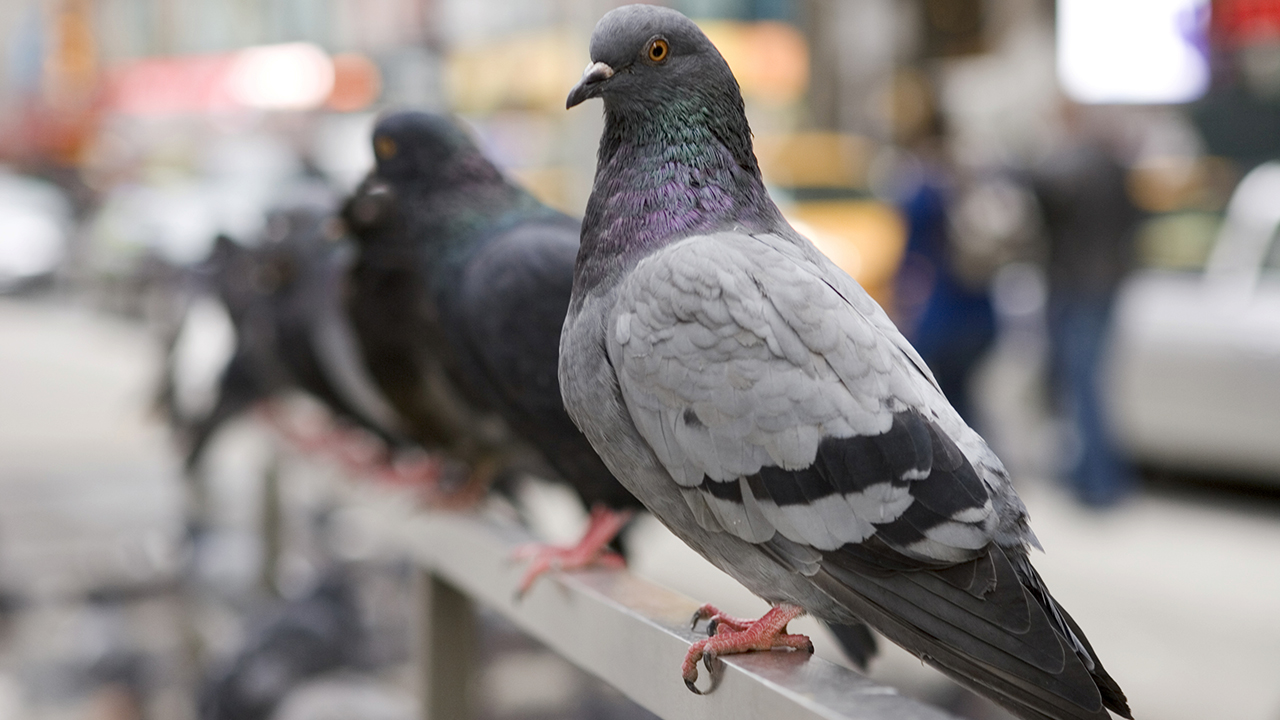
Birds get into houses by using small openings, unprotected vents, damaged roofline materials, and open chimneys. Species like starlings, sparrows, and pigeons are cavity nesters by instinct. In the wild, they look for hollow trees and rock crevices. In London, Ontario, the exhaust vents, open soffits, and aging roofline gaps on residential homes look just like those natural spots. Once they find a warm, sheltered opening, they move in fast and start nesting.
At Skedaddle Humane Wildlife Control in London, Ontario, we deal with nesting situations inside homes every spring across the city. In this blog, you will learn exactly how birds find their way into your home, what problems a nest inside causes, and why calling our team at the first sign of activity is the best step you can take.
Is It Common for Birds to Get Into the Attic?
Yes, it is very common, especially in spring when nesting season is at its peak. Birds are actively looking for enclosed, sheltered, elevated spaces to lay their eggs and raise their young. An attic or the inside of a soffit gives them exactly what they need. In London, our team responds to nesting calls from homeowners across the city every spring as birds move into vents, soffits, and attic spaces in neighbourhoods all over the area.
The species most often found inside homes in London include European starlings and house sparrows. Both are cavity nesters that have adapted well to city life. They are small, persistent, and very good at finding gaps that most homeowners never think to check. A vent cover that is slightly loose, a soffit that has pulled away from the fascia, or an open chimney is all they need to get inside.
Once inside, they do not leave on their own until nesting season is over, and sometimes not even then. A nest built inside your attic or ductwork in April can still be active in July. By that point, droppings have built up, nesting material has filled the duct, and the damage takes more time and money to fix than it would have at the start. If you hear chirping or scratching from inside your walls or ceiling, or if you see nesting material near your vents, call our team right away.
Vents and Exhaust Pipes
Vents are the most common way birds get into a home. They are built to let air out, which also means they can let wildlife in. Here is why vents are such a regular entry point:
- Bathroom and Dryer Vents Lead Directly Into the Home: Bathroom exhaust fans and dryer vents push warm, humid air to the outside. That warmth pulls birds toward the vent opening. Standard plastic and metal vent covers are light and easy to push open or pull aside. Once inside a dryer vent or bathroom exhaust duct, these animals find a warm, dark, enclosed space that is close to ideal for nesting. A nest built inside a duct also blocks airflow, which creates both appliance and fire risks.
- Kitchen Range Hood Vents Are Also Targeted: Kitchen exhaust vents carry warm, food-scented air to the outside, another strong draw. The covers on range hood vents are often flimsy and easy to push aside. Once the cover is compromised, the vent becomes an easy nesting spot connected directly to the interior of your home. Our team regularly finds nesting material inside kitchen exhaust vents during inspections across London.
- Warm Air From Vents Is One of the Biggest Attractants: The steady warmth flowing through exhaust vents keeps birds coming back to the same openings again and again. Even after one season’s nest is removed, the same vent gets targeted the following spring because the warmth and shelter are still there. Without a properly secured vent cover installed after removal, the situation repeats itself every year. Our team replaces damaged and worn vent covers as part of every job to break that cycle.
Unscreened Chimneys
An open chimney is one of the most direct ways birds get into a home. A chimney without a cap or screen is basically an open shaft, and for cavity-nesting species, it looks a lot like a hollow tree.
Chimney swifts are known to nest inside open chimneys. They build small cup-shaped nests on the interior wall of the flue using saliva and twigs. In Canada, chimney swifts are a protected species under the Migratory Birds Convention Act. That means active nests with eggs or young cannot be disturbed. If swifts are already nesting in your chimney, any removal work has to follow federal protection rules. Our team knows these rules and handles every situation in full compliance with the law.
Starlings and sparrows also get into chimneys. These species pile nesting material into the flue from the top down, which can lead to serious blockages. A chimney full of dry nesting material is a fire risk if the fireplace is used without the blockage being found and cleared first. That material can also block ventilation and allow carbon monoxide to back up into the home. Homeowners should never try to clear a chimney that may have active nesting inside. Call our team first and let us check what is in there before any next steps are taken.
Damaged Rooflines
Gaps and damage along the roofline are how most of birds find their way into attic spaces. Here is what makes roofline damage such a reliable entry point:
- Lifted Shingles and Gaps at the Roof Edge: Where shingles have lifted, cracked, or pulled away from the roof edge, small gaps open up that are hard to see from the ground but easy to reach from the air. Birds fly close to rooflines and check every edge and gap they come across. A gap that looks minor from the street is often large enough for a starling or sparrow to squeeze through and get into the attic space above.
- Warped or Separated Soffit Boards: Soffit panels that have warped from moisture or pulled away from the fascia board create long, narrow gaps along the underside of the roofline. These gaps are among the most common entry points our team finds on London homes during inspections. They are hard to see from the ground, rarely checked during regular home maintenance, and give direct access to the attic from outside.
- Gaps Where Roofline Materials Meet: Where different building materials come together along the roofline, such as where the soffit meets the brick or where the fascia meets the gutter, small gaps often form as materials age and shift. These spots are weak points that these animals consistently find and use. Our team checks every transition point on the roofline during an inspection because these are the spots most likely to be missed during a standard walkthrough.
Open Doors and Windows
Not every entry into a home is through the roofline or vents. Sometimes birds simply fly in through an opening that is left unscreened. Here is how that happens:
- Open Windows Without Screens Allow Accidental Entry: During warm weather, a window left open without a screen is an easy entry point for any small bird flying nearby. Most of these entries are accidental; the bird flies in while looking for food and then cannot find its way back out. A panicked bird flying around inside can cause damage to windows, lights, and other items as it tries to escape. Homeowners should never try to catch or handle a bird that has flown indoors; call our team and let us manage the situation safely.
- Open Garage Doors and Patio Doors Are Also Entry Points: A garage door left open for a long time, especially one near trees or bushes, invites birds to come in and look around. The same goes for patio doors left open during outdoor activities. Once inside a garage or enclosed porch, birds can find their way deeper into the home through any gap or opening. Our team handles these situations regularly and can safely remove any animal that has gotten into a garage or enclosed space.
- These Entries Can Lead to Nesting If Not Dealt With Quickly: An accidental entry that goes unnoticed can turn into a nesting situation if the bird finds a good spot before being discovered. A bird that gets into a garage and finds a gap into the attic above, or that enters through an open window and gets into a wall cavity, can start building a nest in just a few days. If you think one of these animals has gotten into your home and you are not sure where it went, call our team to do a check before a nest has a chance to get started.
Risks of Birds in the House
A nest inside your home is not just a nuisance; it creates real risks that get worse the longer it goes unaddressed. Here is what our team commonly finds when birds are nesting inside a home:
- Fire Hazards From Nesting Material in Vents: Dried grass, twigs, and other nesting debris packed into a dryer or stove exhaust vent blocks airflow and creates a serious fire risk if the appliance motor overheats. Our team has pulled nests large enough to fill a garbage bag out of a single exhaust duct. That level of blockage means the appliance cannot work properly and the risk of fire is real. This is one of the most urgent reasons to deal with a vent nesting situation as soon as it is found.
- Air Quality Issues From Droppings and Nesting Debris: Built-up droppings, rotting nesting material, and moisture inside a duct or attic create conditions for mould, bacteria, and bird mites to grow. These contaminants can get into your home’s air supply through the ventilation system and affect the air quality in occupied rooms. Bird mites in particular can move into living spaces when a nest is left behind, looking for a new host. Our team handles cleanup and decontamination as part of every removal job.
- Appliance Damage From Blocked Exhaust Systems: A dryer that suddenly takes much longer to dry a load, a bathroom fan that no longer moves air well, or a range hood that is not exhausting properly can all be signs of a nest blocking the duct behind them. That blockage makes the appliance work harder and shortens how long it lasts. Left in place long enough, a fully blocked exhaust system can cause the motor to fail. Dealing with a vent nesting situation early protects both your air quality and your appliances.
Bird Problems in London, Ontario
London’s mix of older residential neighbourhoods, mature trees, and mild spring weather creates ideal conditions for nesting activity across the city every year. Species like European starlings and house sparrows are well established in London and move through residential areas in large numbers during nesting season. Our team at Skedaddle works across London every spring and sees consistent patterns of vent and soffit nesting in neighbourhoods throughout the city.
Older homes in London are especially at risk. Original wood soffits that have gone through decades of freeze-thaw cycles develop warping and gaps that are easy for birds to use. Aging vent covers crack and loosen over time. Chimneys that have not been capped sit open through winter and become prime nesting targets as soon as temperatures go up in April. The older the home, the more entry point vulnerabilities tend to exist along the roofline.
Spring is by far the most active season for nesting entry in London. These animals start looking for nesting sites in March and April and move fast once they find a good spot. By the time most homeowners notice the signs- chirping inside walls, nesting material at the vent opening, a dryer that is taking longer than usual- a nest is often already in place. Acting at the first sign of activity is always the faster and less costly approach.
Bird Removal and Prevention with Skedaddle
When you call our team at Skedaddle, we start with a full inspection of your home’s exterior, checking every vent opening, soffit edge, roofline gap, and chimney for signs of active nesting or entry. We find every spot where birds are getting in and check whether eggs or young are present before any work begins. Knowing what is inside the nest is essential before any removal or sealing work starts.
Once we have a full picture of the situation, we address the active nesting areas first. Where young are present, our process is managed to make sure they are not separated from the adults too soon. We use one-way doors where appropriate, allowing birds to exit on their own but stopping them from coming back. After the nest is cleared and the animals have left, we put in properly fitted vent covers and seal every entry point with materials that hold up long-term.
Cleanup and prevention complete the job. Our team removes all nesting material, treats contaminated areas, and makes sure every vulnerable spot on the roofline is dealt with before we are done. You do not need to get up on the roof, handle any nesting material, or figure out where they are getting in. Call our team at Skedaddle Humane Wildlife Control in London the moment you notice signs of nesting activity and let us handle every step safely from start to finish.
Frequently Asked Questions
How do I know if a bird has nested in my dryer vent?
The most common signs are a dryer that takes much longer to dry a load, chirping or scratching sounds coming from the vent area, nesting material visible at the exterior vent opening, and an unusual smell from the dryer during use. If you notice any of these signs, call our team right away and do not run the dryer until the vent has been checked.
Can a bird nest in my chimney cause a carbon monoxide problem?
Yes. A chimney blocked by nesting material can stop combustion gases from venting properly, which can cause carbon monoxide to back up into the home. If you have a gas fireplace or furnace that vents through a chimney and you think there may be nesting activity, do not use the appliance until the chimney has been professionally inspected and cleared.
Are chimney swifts protected in Canada?
Yes. Chimney swifts are protected under the federal Migratory Birds Convention Act. Active nests with eggs or young cannot be disturbed. Our team handles all chimney swift situations in full compliance with federal wildlife protection rules and will let you know the correct timing and approach for your specific situation.
How long does nesting season last in London, Ontario?
Most active nesting in London runs from April through July. Some species may nest earlier or later depending on weather. Outside of active nesting season, exclusion work can be done more flexibly, but our team always checks for eggs or young before any removal work begins, no matter the time of year.
Will birds come back to the same vent or entry point next year?
Yes. Birds return to successful nesting sites year after year and will target the same vent or soffit opening the following spring if it is not properly secured after removal. A correctly fitted, durable vent cover is the only reliable way to stop repeat nesting at the same spot.
Can bird droppings make my family sick?
Yes. Droppings can carry bacteria and fungal spores that create health risks if disturbed and inhaled. Built-up droppings inside a duct or attic should never be handled without proper protective equipment. Our team manages all cleanup safely and treats affected areas to fully remove the health hazard.
Heard Something Chirping in the Walls? Call Skedaddle Today
That sound is not going to stop on its own. Birds are committed to their nesting site and will keep coming back to the same spot every season if nothing is done. The nest grows, the droppings build up, and the damage to your ductwork or attic gets worse with every week that passes.
Acting early makes a big difference. A nest caught in the first few days is a much simpler fix than one that has been in place for weeks with eggs or young inside. The longer the situation goes without professional attention, the more involved the removal and cleanup process becomes.
Birds are also persistent. Even after one season ends, they will return to the same vent or soffit opening the following spring if the entry point is not properly secured. Without the right cover in place, the cycle starts over every year.
At Skedaddle Humane Wildlife Control in London, Ontario, our team handles every part of the process: inspection, removal, vent cover installation, sealing, and cleanup. You do not need to get up on the roof or handle any of this yourself. Request an estimate today and let our team take care of it completely before the problem gets any bigger.

 Loading...