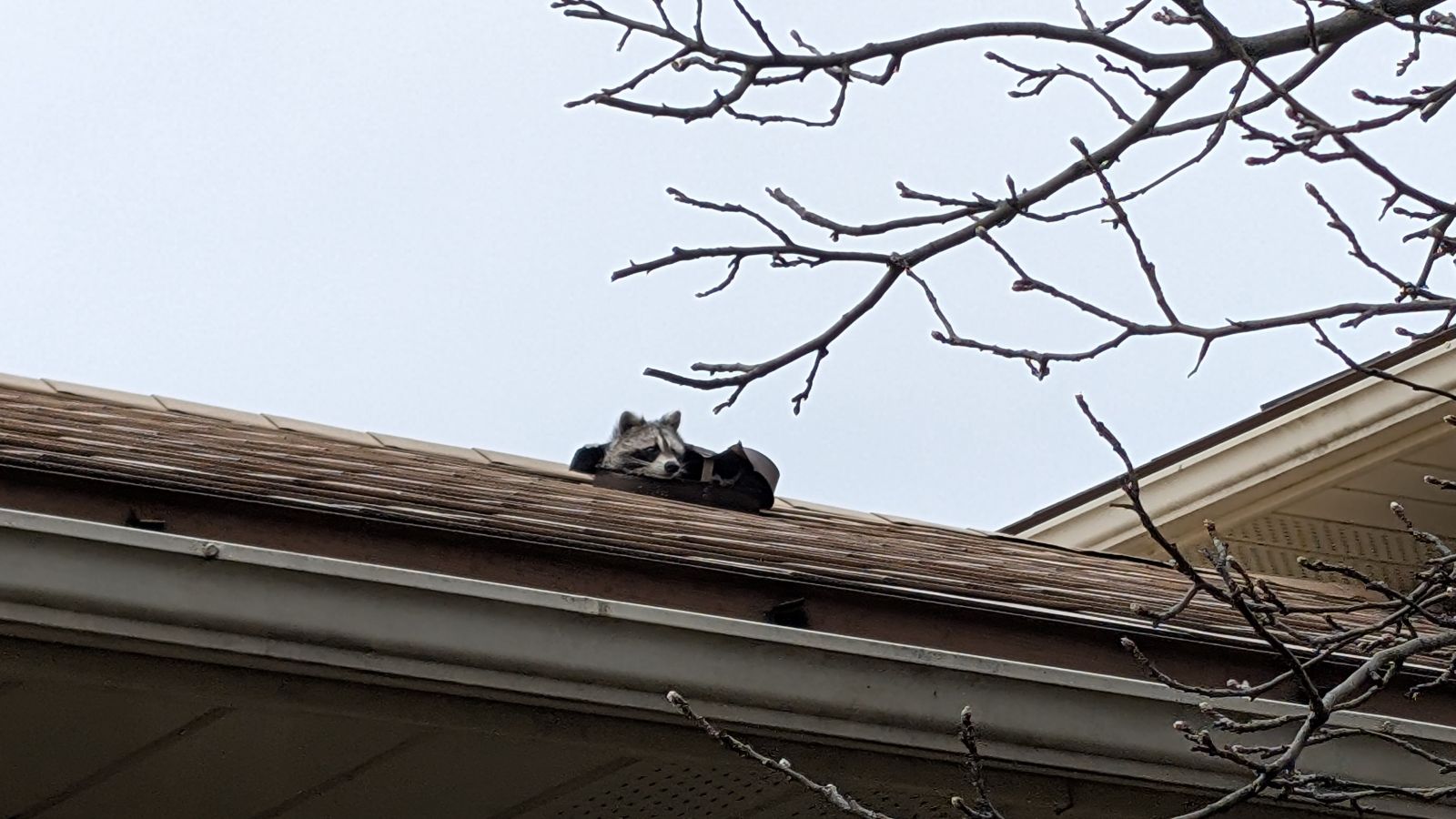
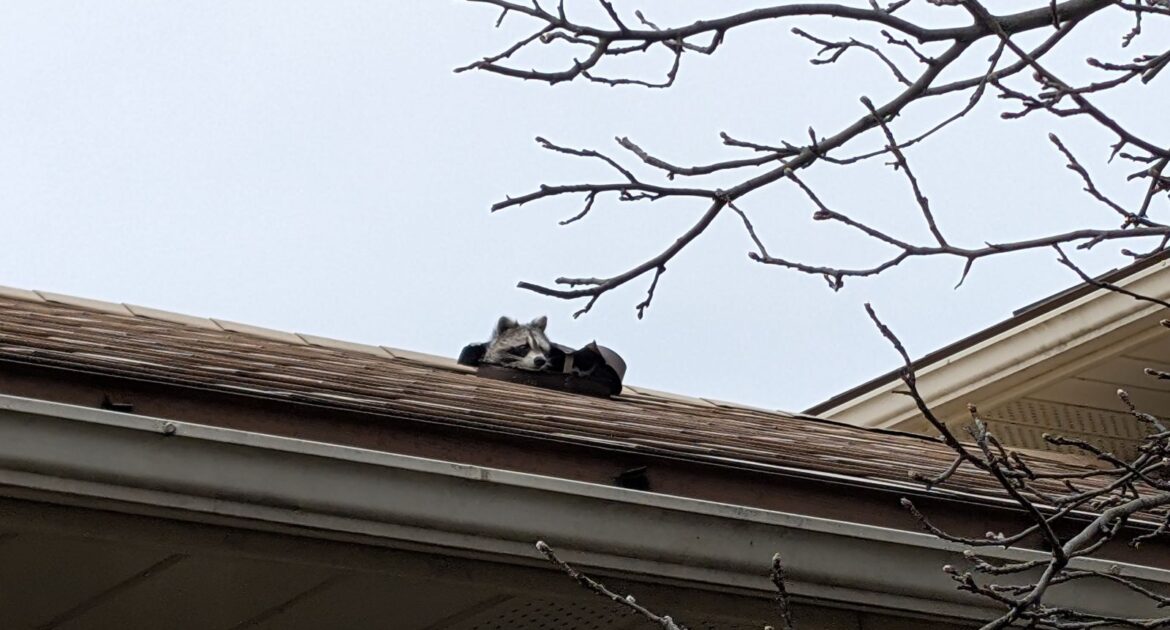
Winter in Madison hits hard. Snow piles up, ice forms on roofs, and cold winds push through every crack. While you’re keeping warm inside, animals outside are facing a very different fight. Many of them struggle to stay dry, safe, and warm.
This is when raccoons in Madison attics in the winter become a major problem. When outdoor shelter breaks down, these animals look for the nearest protected place they can find and many times, that place is someone’s attic.
You may wonder how they break in during harsh winter weather or why winter raccoon problems in Madison seem to spike every year. The answer is simple: winter gives them both the push and the opportunity. Cold air, ice storms, long nights, and weak spots in a roof all come together at the same time. If an attic offers heat and safety, these animals will work hard to get inside.
This guide explains the common ways they enter, the weather conditions that make break-ins easier, and what makes homes so appealing during the colder months. By the end, you’ll also understand how to prevent raccoons in attics with help from our team at Skedaddle Humane Wildlife Control in Madison.
Winter Weather Pushes Raccoons Toward Homes
Madison winters change how wildlife behaves. When temperatures drop and snow covers the ground, outdoor shelters start to fail. Hollow logs fill with ice. Tree holes freeze. Old sheds don’t hold warmth. These changes happen fast, and raccoons react fast too.
Cold winter air pushes them to search for the warmest nearby place. Attics sit higher than the rest of a home, which means rising heat collects there. The inside air stays dry, even when snow is falling heavily outside. And from an animal’s point of view, an attic is quiet, dark, and safer than anything outdoors. When outdoor shelters become unstable, an attic becomes the first place they test.
Wind and heavy snow also damage roof parts, making it much easier for wildlife to exploit weak points. A weak soffit or vent that stayed firm in summer may break open after a storm. That combination. Harsh weather plus damaged structures is why raccoons in Madison attics in the winter are so common.
How Raccoons Break Into Madison Attics During Harsh Winter Weather
This section covers the main ways winter raccoon problems in Madison begin. Each method is tied to both the strength of the animal and the weakness of a home during the cold season.
Loose or Damaged Soffits
Soffits take a lot of pressure during winter. Snow piles up on the roof. Ice forms along the edges. Wind pushes upward from below. Over time, this can loosen panels or create gaps that weren’t there in fall.
When an animal is searching for shelter, soffits are one of the first places they check. If a panel bends or doesn’t sit flat, they can pry it open with their paws. Once a corner lifts, the rest comes apart easily. After that, the attic space is exposed, and they squeeze through. This happens quickly, especially after a storm when materials have softened from moisture.
Signs that soffits have become easy entry points often include:
- Panels that sag or shift when wind pushes against them
- Corners that no longer sit flush
- Edges that lift after snow or ice buildup
- Moisture-damaged spots where animals can grip and pull
Loose soffits remain one of the most common weak points because they sit low on the roofline and give direct access to attic edges.
Roof Vents They Can Bend or Tear
Roof vents let heat escape, which means they release a steady stream of warm air into the cold winter air. Wildlife can feel that heat from a distance. During storms, when snow and ice block other shelter options, warm air becomes a strong signal that a safe space is nearby.
Many roof vents are made from thin plastic or lightweight metal. They’re designed to keep out rain, not large animals. A determined raccoon can bend, crack, or pull the vent cover away. Once the vent is open, the path into the attic is clear. Snow and wind also weaken vents over time, making them easier to damage.
This is why roof vent protection is one of the most effective steps professionals take when working to prevent raccoons in attics.
Weak Spots in the Roofline
The roofline includes every place where two roof surfaces meet. Winter weather puts a lot of strain on these areas. Ice can lift shingles. Wind can loosen flashing. Temperature changes can widen cracks. Weak points that were too small in summer can become major openings by January.
When an animal presses or pushes on those areas, they can widen the gap even more. They may pull up shingles, peel back loose flashing, or dig at soft wood. If a space opens enough for a head or paw, they can force the rest. This is one of the ways raccoons in Madison attics in the winter begin without anyone hearing a sound.
Some of the roofline spots that weaken the fastest include:
- Edges where ice dams form
- Flashing around chimneys or vents
- Valleys where water collects
- Places where shingles overlap
- Areas that have been repaired in the past
Homes with older roofs, storm damage, or past patchwork repairs are more likely to develop these gaps during the cold season.
Chimneys Without Caps
Chimneys act like hollow trees and in the wild, hollow trees are one of the most common shelters animals use during winter. Without a strong cap, a chimney feels like a perfect den site. It is tall, dark, warm, and protected from predators. Snow collects on top but melts quickly because of rising indoor heat.
Raccoons are excellent climbers, and brick or stone chimney walls give them enough grip to climb easily. Once they reach the top, they test the opening. If no cap is in place, they can enter the flue and move toward the attic from inside. This movement often goes unnoticed because the path is hidden.
Chimneys are one of the most surprising entry points because homeowners rarely check them during the winter months.
Overhanging Branches That Act as Bridges
Trees become tools in winter. Snow and ice can bend branches closer to the home, making it easier for wildlife to reach the roof. Some species climb naturally and use those branches as direct walkways to roof edges.
Once they are on the roof, they test weak points. Branches close to the home also hide movement from predators, giving them safe access to upper roof levels. Here are a few ways overhanging branches help animals break in:
- They give easy roof access
- They offer cover from predators
- They provide a path to vents, soffits, and roof gaps
This chain of access, trees to roof to attic, is one of the most common causes of winter raccoon problems in Madison.
Why Attics Become Their Favourite Winter Shelter
Attics offer everything wildlife needs to survive a long winter. They hold warmth better than outdoor shelters. They stay dry even during heavy snow. They remain dark during the day and quiet at night. Tar paper, insulation, and wood framing all help create ideal den conditions.
Once inside, animals spread out in corners or along beams. They choose spots where heat rises the most, often near HVAC lines or above living areas. Because the space is undisturbed, they can settle in for weeks at a time.
This combination, heat, silence, darkness, protection, is why raccoons in Madison attics in the winter rarely leave on their own.
How Skedaddle Prevents Raccoons in Attics
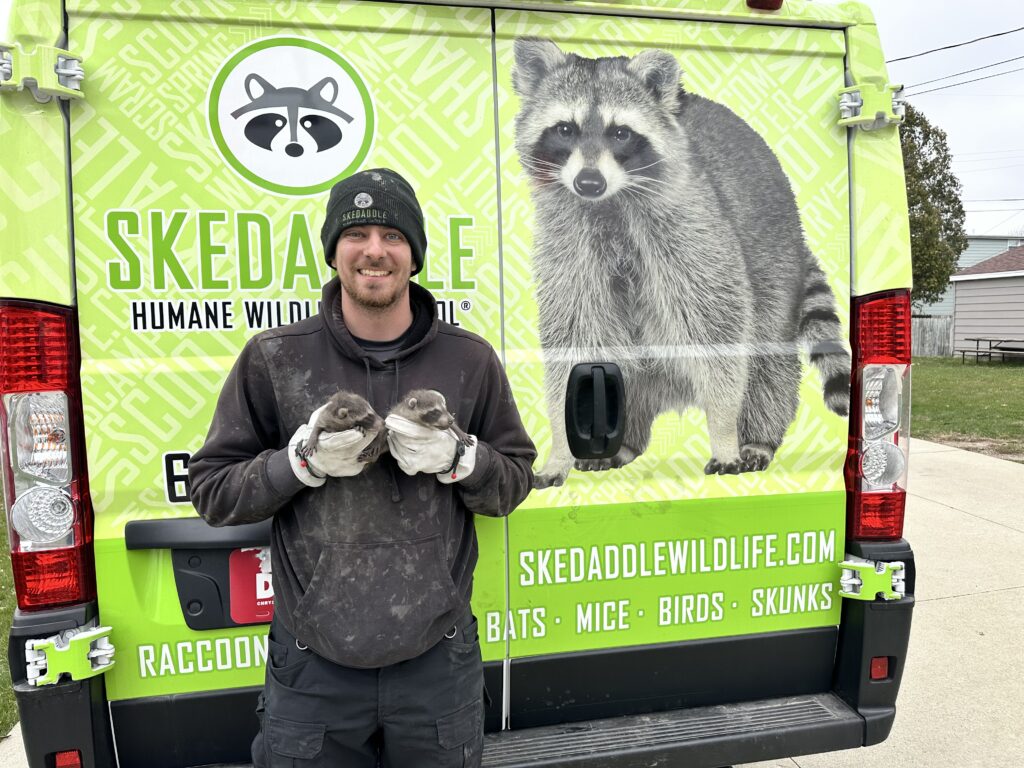
Homeowners should never approach wildlife themselves, especially in winter. When animals feel stressed or cornered, they may react unpredictably. Our team at MadisonSkedaddle Humane Wildlife Control in Madison handles removal, cleanup, and prevention safely and humanely.
Here’s how we help:
- We inspect every entry point along the roofline
- We use one-way doors so wildlife can exit safely
- We seal openings with strong materials
- We reinforce weak spots so the attic stays protected
- We prevent future winter raccoon problems in Madison with long-term solutions
All work is humane and designed to keep both homeowners and animals safe.
A Safer Attic Starts With the Right Help
Raccoons in Madison attics in the winter are a major concern because harsh weather, weak roof parts, and warm attic air all work together to pull wildlife inside.
When you understand how winter raccoon problems in Madison begin, you can take steps to prevent raccoons in attics and keep your home secure. If you need help, our team at Skedaddle Humane Wildlife Control in Madison is ready to inspect, protect, and guide you through the next steps.
Request an estimate to learn more and keep your attic safe all winter long.

 Loading...







