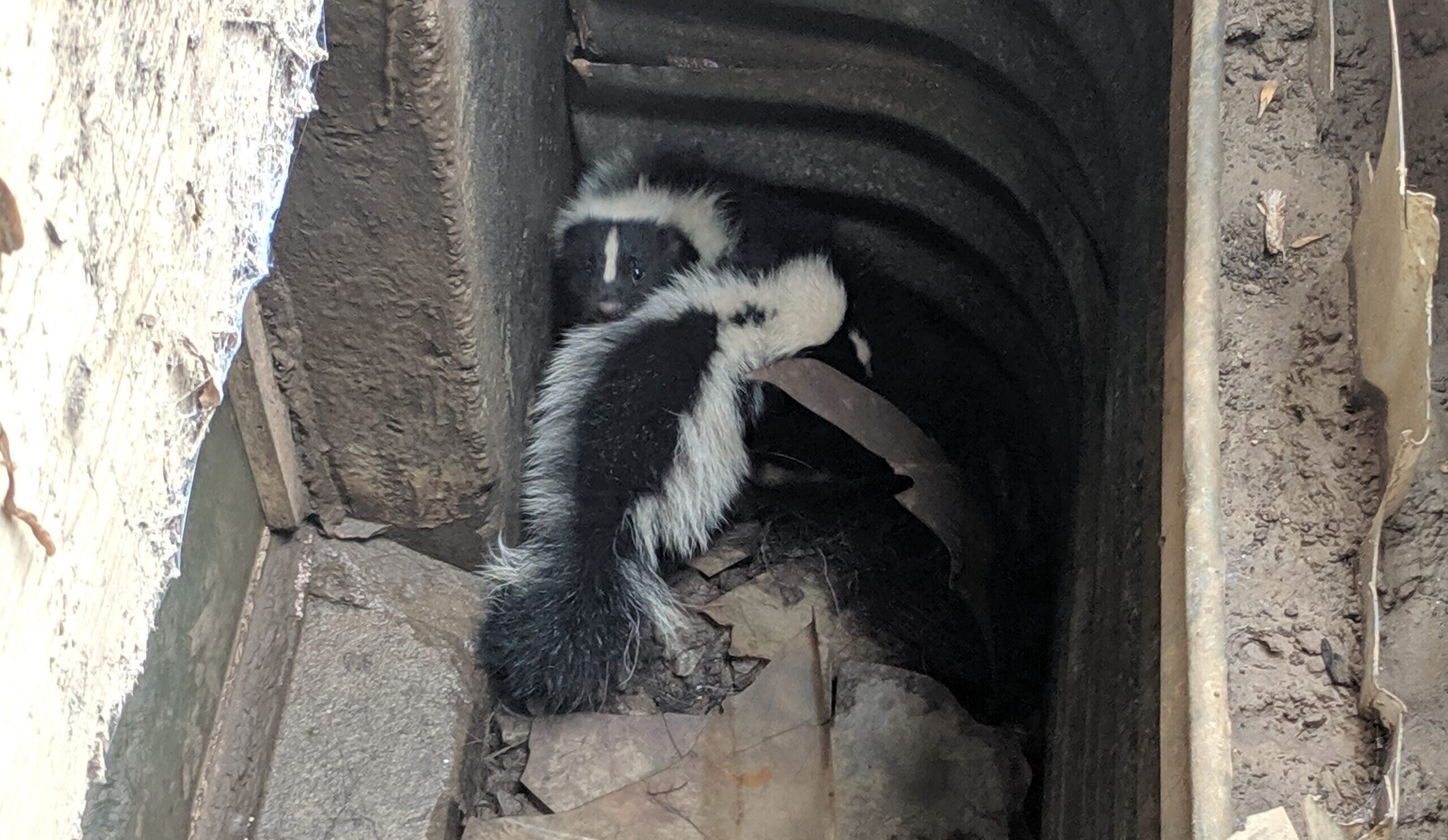
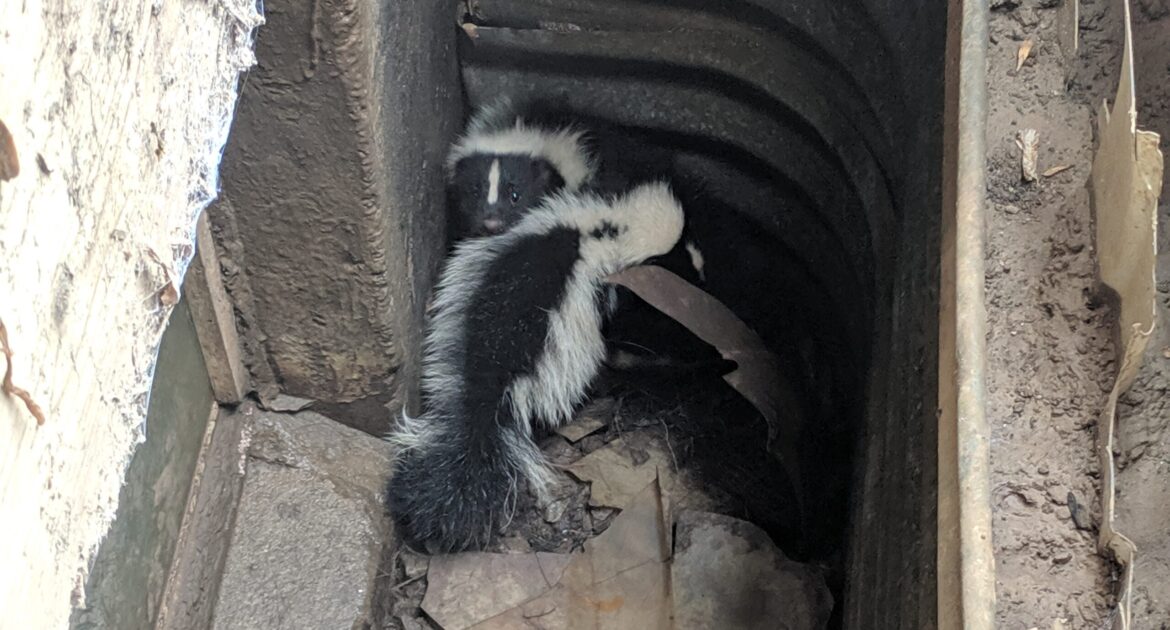
You feel the cold settle in when winter hits Madison, and the animals around your home feel it too. When temperatures drop fast and the ground freezes, many of them look for a warm, dry place to stay. This is why skunks under the deck in winter become such a common problem for Madison homeowners. Your deck, porch, or patio offers shelter that feels safe, hidden, and protected from storms.
You may not see the animals right away, but you notice signs—the smell, the noise, or the fresh digging in the snow. These are classic winter skunk problems in Madison, and they happen because your deck provides everything they need to survive. At Skedaddle Humane Wildlife Control in Madison, we see this all season long. Our team understands how and why these animals choose decks, and what it means for your home.
This guide explains why they move under decks in cold weather, how they survive the winter, the problems that can follow, and what homeowners should know. You’ll also learn simple facts that help you understand their behavior, as well as how we help prevent skunks under the deck with safe, humane methods.
Why Skunks Move Under Decks When Winter Arrives
Winter in Wisconsin can be rough. You deal with freezing nights, icy winds, and heavy snow. Skunks deal with the same thing but with fewer tools to handle it. They’re not fast animals. They’re not great climbers. Their bodies sit low to the ground, which means snow, ice, and wind hit them quickly. So they look for shelter that helps them stay warm without using too much energy.
Your deck offers exactly what they need: a dry space, a wind break, and an easy entrance.
A Deck Feels Like a Natural Den
In the wild, skunks hide in hollow logs, rock piles, or deep burrows. A deck feels almost the same but better. It blocks snow, keeps rain out, and traps pockets of warm air from the house. This makes skunks under the deck in winter very common, especially during storms or sudden temperature drops.
Snow Makes Natural Dens Harder to Reach
When snow covers the ground, it fills burrows and blocks the openings skunks normally use. Digging through frozen soil takes too much energy, so they look for a ready-made shelter. Your deck becomes the easiest option.
Gaps and Soil Disturbance Create Easy Entry Points
Most decks have small openings skunks can slip under. You may not notice them, but these animals do. They can squeeze through surprisingly small spaces, especially when the ground is soft from melting snow or shifting frost.
Here are a few reasons they find openings so easily:
- Soil Freeze and Thaw: When the ground expands and contracts, gaps form around deck posts.
- Shallow Foundations: Many decks sit only a few inches off the ground, leaving space for tunneling.
- Loose Boards or Panels: If the deck has aging wood, small openings can appear over time.
- Gaps Near Steps: These are almost always wide enough for a skunk to pass through.
Every winter, we see how these small openings lead directly to winter skunk problems in Madison.
Skunks Choose Decks Because They Conserve Energy
Staying warm in winter takes a lot of effort for wildlife. Skunks survive by slowing down their activity, staying in sheltered spaces, and using as little energy as possible.
When a skunk finds a deck, it gets:
- A place out of the wind
- A dry shelter away from snow
- A temperature-stable space
- A safe area to rest for long periods
They don’t need to run around or search for new shelters every night. That energy savings is exactly why skunks under the deck in winter happen so often in areas like Madison.
Food Becomes Harder to Find After Snowfall
Food shortages are a huge part of winter wildlife behavior. Before the snow comes, skunks can find insects, fruits, and small animals. Once snow arrives, most of those options disappear.
That pushes them closer to homes because:
- Trash bins smell strong in winter air
- Pet food left outside becomes an easy meal
- Compost piles hold heat and scent
- Bird feeders bring rodents, which skunks hunt
Whenever food sources shift toward neighborhoods, so do the animals searching for them. It’s one of the biggest reasons you see winter skunk problems in Madison.
Decks Offer Protection From Predators
Skunks may not see well, but they know danger. Owls, coyotes, foxes, and dogs all pose threats. Snow makes escaping harder because it slows them down. A deck gives them instant cover.
Two big reasons decks help them stay safe:
- Predators can’t reach them easily. Why? Most predators won’t crawl into tight spaces.
- They stay hidden. The deck blocks scent, sightlines, and footprints in the snow.
This natural protection keeps them under your deck longer than you’d expect.
Why Decks Stay Warm Enough for Skunks to Use All Winter
You may not think your deck stays warm in winter, but it does. Heat escapes from your home—even small sources make a difference. Deck spaces trap that warmth and stay several degrees higher than outdoor temperatures.
Skunks choose these spots because:
- Warm air rises into the deck cavity
- Snow around the deck acts like insulation
- The wind can’t reach under the structure
- Heat leaks through basement walls and vents
For an animal trying to conserve energy, these conditions are perfect.
Why Skunks Stay All Season Instead of Leaving
Once a skunk settles under a deck, it has almost no reason to leave until spring. The space stays warm because the deck blocks wind, snow, and freezing temperatures. It also gives the animal reliable protection from predators and harsh weather. With a safe spot to hide, the animal can rest for long periods and save energy through the coldest months.
Food is another reason they remain in place. Neighborhoods offer easy meals, and skunks don’t have to travel far to find them. Frozen soil also stops them from digging new dens elsewhere, so moving becomes difficult and risky. Because they stay tucked away and move slowly through winter, many homeowners deal with these winter skunk problems for months without ever seeing the animal directly.
How Our Team Helps Prevent Skunks Under Decks
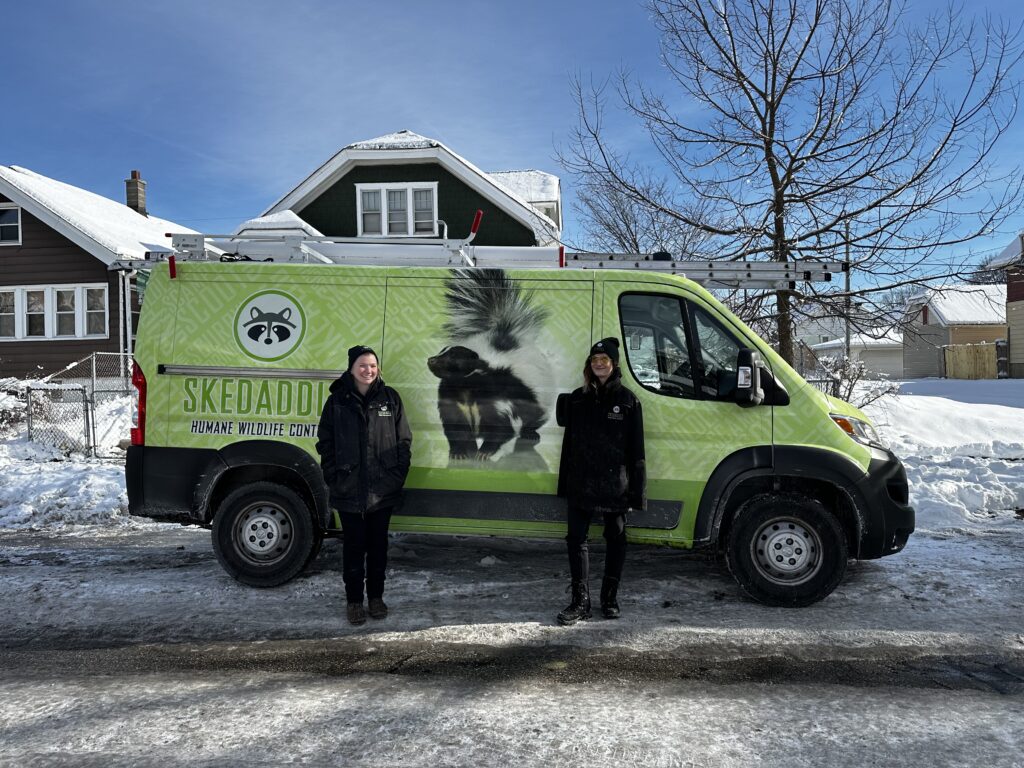
Homeowners should never try to handle or remove wildlife on their own, and that’s where our team steps in. At Skedaddle Humane Wildlife Control in Madison, we use humane one-way doors to guide the skunks out safely and keep them from getting back under the deck. After the animal leaves, we seal every opening so the space stays protected all season. Our focus is always on safety, both for your home and for the animal.
We also make sure your deck and yard stay secure long-term. Our team strengthens weak spots, blocks gaps with the right materials, and checks for any areas that could invite future issues. You don’t have to guess what’s happening under your deck or worry about missing something important. We handle the entire process from start to finish so your home stays protected.
A Safe Home Starts With Proper Wildlife Protection
Skunks living under your deck through the winter is more common than most homeowners realize. You deal with cold weather just like they do, and your home provides warmth, cover, and safety that doesn’t exist outdoors. If you want to prevent skunks under the deck, the safest way is through professional help.
If you’re dealing with skunks under the deck in winter, or you want to avoid winter skunk problems in Madison, our team is ready to help. We use safe, humane methods and one-way doors to guide wildlife out without letting them return.
Contact Skedaddle Humane Wildlife Control in Madison to request an estimate and learn more about how we protect your home from future issues.

 Loading...







