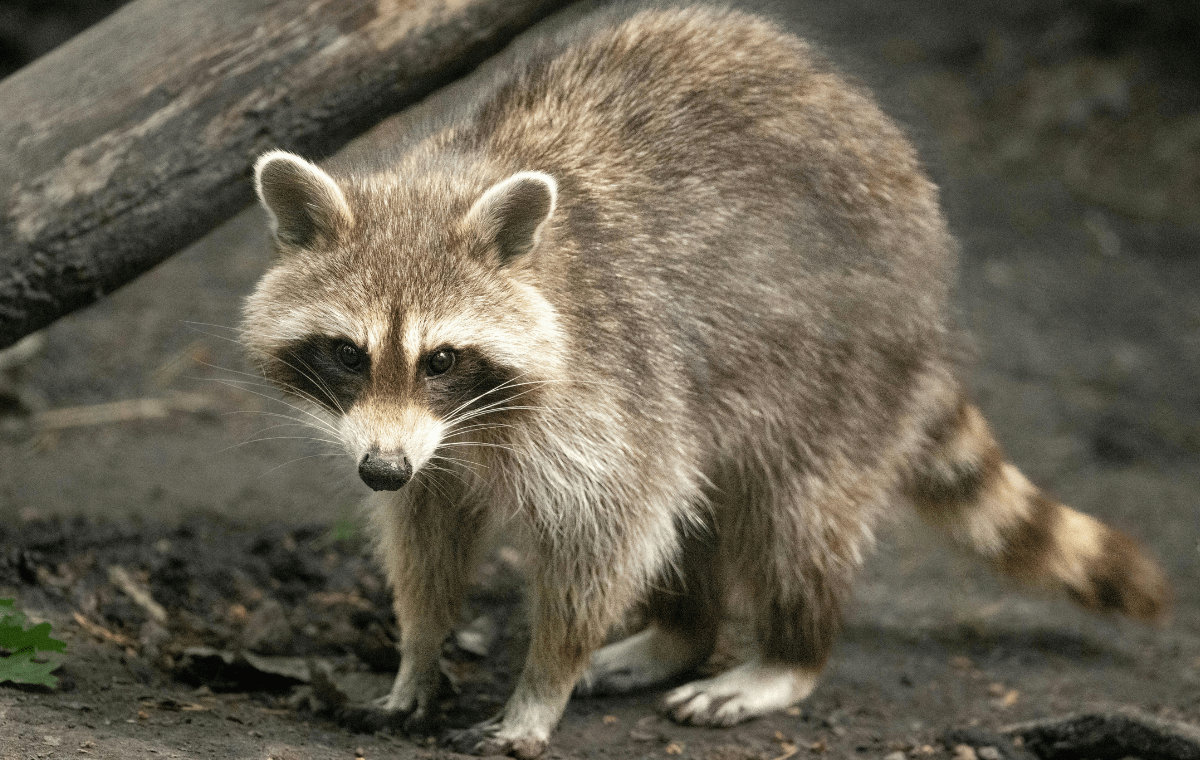
You might be supplying raccoons with their favorite snacks without even knowing it. By leaving pet bowls outside, forgetting to secure your trash, or letting birdseed spill on the ground, you are creating a perfect buffet for these hungry animals. Raccoons are resourceful and opportunistic, meaning they will take full advantage of anything that looks tasty and easy to access. At Skedaddle Humane Wildlife Control in Marietta, we see this happen all the time. Well-meaning homeowners often accidentally invite wildlife right to their front doors without realizing it.
Raccoons thrive in suburban areas because there are so many food sources available to them. They are nocturnal creatures, so you may not even notice them scavenging in your yard at night. However, they do leave plenty of signs behind. If you know what to look for, you can uncover exactly what is attracting these animals to your property.
This blog will help you identify the telltale clues raccoons leave behind and offer tips for removing their favorite snacks from your yard. By making a few small changes, you can avoid inviting uninvited wildlife guests into your space while keeping your home and property safe.
Do raccoons only eat at night?
No, raccoons do not only eat at night. You will mostly see them foraging after dark because they are naturally nocturnal animals, but a hungry raccoon will gladly grab a meal during the day if the opportunity arises. You might spot them in your yard on a cloudy afternoon if they have found a reliable food source like an open garbage can or a full pet bowl.
You should know that seeing a raccoon during the day does not automatically mean the animal is sick. You are simply witnessing an animal taking advantage of an easy meal. We always remind homeowners that these adaptable animals will adjust their schedules to whenever food is most available.
Frequent Trash and Garden Raids
When raccoons frequent your property, they often target trash and garden areas first in search of an easy meal. These clever creatures are highly resourceful and use their dexterous paws and problem-solving skills to access even well-sealed food sources. The signs of their nightly visits are often unmistakable, leaving homeowners frustrated and searching for solutions. Below are some of the most common ways raccoons leave their mark on trash and garden spaces:
- Scattered Trash: One of the first signs of raccoons is garbage bags ripped open with trash scattered across your yard. These animals have incredibly strong and nimble paws that make tearing through thin plastic an easy task. Paper plates, food wrappers, and other debris are often left behind, creating a mess that takes significant effort to clean up. Keeping trash secured in durable bags and containers is essential to discourage this behavior.
- Knocked Over Cans: Heavy-duty trash cans tipped over and lids removed are typical after a raccoon’s visit. Their curious nature and sharp intelligence allow them to figure out how to bypass basic latches or locks on trash bins. Once they identify a can containing enticing smells, they’ll use their strength to take it apart. Investing in raccoon-proof bins or adding locking mechanisms can minimize these disturbances.
- Raided Compost: Raccoons are drawn to compost bins for the enticing mix of decomposing fruits, vegetables, and even the worms found within. A raided compost bin may have its lid removed or be overturned, with scraps of organic material scattered nearby. To protect your compost, consider switching to a sturdy, animal-resistant container or placing a weight on the lid to deter easy access.
- Damaged Gardens: Raccoons can cause significant damage to gardens, often digging up lawns or tearing apart flowerbeds in search of insects or grubs. They are especially attracted to edible plants like corn, tomatoes, and melons, leaving behind half-eaten produce or destroyed crops. These disturbances can frustrate gardeners and result in substantial losses, particularly for those who rely on their gardens for food. To safeguard your garden, consider installing barriers such as fencing or netting, and remove any potential attractants like fallen fruits or open compost nearby.
- Ruined Fruit Trees: If you have fruit trees, raccoons can quickly become a significant nuisance, leaving half-eaten fruit such as apples, cherries, or berries behind. Their excellent climbing skills allow them to scale branches effortlessly, making it easy to reach ripened fruit. Netting your trees or picking fruit as soon as it’s ripe can help prevent raccoons from turning your garden into their feeding ground.
Pet and Bird Feeding Issues
Leaving food for pets or birds outdoors can unintentionally invite wildlife to your yard, leading to challenges for homeowners and pets alike. Raccoons and other critters are highly opportunistic and will eagerly take advantage of easily accessible meals. Preventing these types of encounters involves understanding their behaviors and taking steps to minimize attractants. Below are common scenarios and practical solutions to reduce wildlife activity around pet and bird feeding areas.
- Empty Outdoor Pet Bowls: Unattended pet food bowls left outside overnight act as a beacon for hungry wildlife. Animals like raccoons and opossums are drawn to high-calorie foods, and pet kibble remains an easy target. To prevent this, bring food bowls indoors after your pets have finished eating and clean up any spilled crumbs. If bringing the bowl inside isn’t practical, consider using a sturdy storage container with a secure lid to deter access.
- Scattered Birdseed: Birdseed scattered on the ground or overflowing from feeders often becomes a welcome buffet for local wildlife. Animals like squirrels or raccoons may damage feeders in their pursuit of this easy meal. Choosing bird feeders with baffles or weight-sensitive perches can help limit access to non-bird visitors. Additionally, regularly clean the area beneath feeders to reduce fallen seed and the accompanying temptation it creates.
- Dunking Behaviors: Raccoons have a peculiar habit of dunking food in water sources like bird baths or outdoor water bowls. This behavior not only contaminates the water but also signals the presence of food nearby. To manage this, consider using hanging or elevated water sources that are less accessible to raccoons. Alternatively, replace and clean water dishes frequently to minimize contamination and prevent wildlife dependence on your yard.
Physical Evidence and Behaviors
Raccoons can be fascinating creatures, but their presence on your property often leaves behind noticeable signs that they’ve been searching for a meal. By understanding these physical clues, you can take proactive steps to manage their activity and protect your home. The following behaviors and evidence are key indicators that raccoons may be frequenting your space regularly:
- Distinctive Tracks: One of the easiest ways to identify raccoon activity is by spotting their unique tracks. Their small, hand-like prints with five distinct toes resemble tiny versions of human hands. These can often be found in soft mud, sand, or even dusty areas around decks or garden beds. If you notice these prints gathering around likely food sources, it’s a sign that raccoons are making themselves at home in your outdoor spaces.
- Noisy Nights: Raccoons are nocturnal animals, and their nighttime escapades can be a source of commotion. You might hear chittering, screeching, or even sounds of fighting outside your window after dark. These noises typically occur when raccoons are foraging or competing for food. Sometimes, they’ll bring their young along for the search, which can increase the activity and noise levels near your property.
- Raccoon Latrines: Raccoons are creatures of habit and will often use the same spots as their designated latrines. These areas are characterized by piles of foul-smelling droppings, often located on flat rooftops, in attics, or under porches. It’s important to avoid cleaning these up yourself, as the droppings can carry harmful pathogens. If you discover such evidence, contact a professional wildlife control service for safe removal and sanitation.
- Boldness Around Humans: Over time, raccoons can lose their natural fear of people, especially if they associate your property with easy food access. You may notice them behaving boldly, lingering in your yard, or refusing to retreat when you come outside. This change in behavior highlights the importance of limiting access to food and shelter to discourage their presence and restore their natural instincts toward caution around humans.
Property Damage
You can end up with serious damage to your home when raccoons decide to stick around for the food. You will often see torn soffits, broken roof vents, and ripped shingles as they try to find a warm place to sleep near their new favorite restaurant. They want to stay as close to the food source as possible, which means your attic is a prime target for a den.
You might also notice broken lower tree branches or crushed gutters. They use trees as ladders to climb directly onto your roof. You will quickly find that the damage they cause to your home’s exterior can be very costly to repair.
You should rely on our professionals to handle these situations safely. We have the training and equipment needed to address the issue without putting you or your family at risk. You never want to try to fix these entry points yourself while the animals are still inside.
Professional Raccoon Prevention
Our team specializes in making sure raccoons and other wildlife stay out of your home for good. Once the animals have safely left your attic, we take steps to make sure they cannot return. We carefully inspect your home to find any weak areas that could allow wildlife to get back inside. By sealing these entry points, we help protect your home from future infestations.
We also understand how important it is to use materials that are strong and reliable. That is why we use heavy-duty screening to cover vents, chimneys, and other vulnerable spots around your home. These materials are made to last and withstand harsh weather, ensuring your home remains secure. Our goal is to install protections that will keep wildlife out for many years to come.
By choosing our professional wildlife services, you can count on us to handle everything from start to finish. We work carefully and responsibly, making sure no animals are harmed during the process. With our expert prevention techniques and attention to detail, you can have peace of mind knowing your home is safe. Trust us to help you protect your home and enjoy a raccoon-free environment.
Raccoons in Marietta: Sneaky Neighbors You Should Know About
Raccoons are one of the most common wild animals found in Marietta. These curious creatures are known for their black “mask” markings and bushy tails, making them easy to recognize. While they may look cute, raccoons are experts at finding food and shelter in backyards, garbage cans, and even inside homes. With their quick wits and nimble hands, they can open lids, climb walls, and squeeze through small spaces.
Living close to humans is easy for raccoons because Marietta provides plenty of food and hiding spots. They can be seen roaming neighborhoods, scavenging for leftovers, or munching on birdseed from feeders. However, raccoons can cause problems by damaging property, spreading trash, or even carrying diseases like rabies. That’s why it’s important to take steps to safely deter them from getting too comfortable in your space.
If raccoons are causing trouble on your property, there are solutions to keep them away. Securing garbage cans, sealing entry points, and removing food sources are good places to start. Professional wildlife services, like the ones we offer, can ensure these sneaky animals are removed safely and your home is properly protected. With the right steps, you can keep raccoons at a distance and enjoy a peaceful, wildlife-free home in Marietta.
Frequently Asked Questions
What should I do if I find a raccoon in my yard during the day?
You should stay calm and keep your distance at all times. Watch the animal from inside your home instead of going outside. Daytime activity can sometimes mean there is a den nearby or babies close by. Calling our team allows us to inspect the situation safely and give you the right solution.
Why is it dangerous to clean up raccoon droppings?
Raccoon droppings can carry roundworm eggs that are harmful to your health. These particles can become airborne and easy to breathe in if disturbed. Without proper protection, you could expose yourself to serious illness. Our trained team uses the right safety gear and methods to clean and sanitize the area properly.
Will a fence keep them out of my garden?
A standard fence will not stop them for very long. They are strong climbers and can easily scale most surfaces to get where they want. They can also dig under weak spots if needed. Our professional barriers and exclusion methods are needed to keep them out for good.
Do raccoons travel alone or in groups?
You will often see a mother traveling with her babies, especially in spring and summer. These family groups stay close together while the young learn how to find food. You might also notice several animals gathering around a strong food source. This usually happens near garbage bins or outdoor feeding areas.
Can they open locked trash cans?
They are very smart and have strong, flexible paws. Simple locks like bungee cords or loose lids are easy for them to figure out. Once they learn how to open a container, they will keep coming back. Wildlife-proof bins with tight, secure lids are the best way to stop them.
Stop Supplying Raccoons Snacks with Our Help
Keeping raccoons away from your home is important for the safety of your family and the protection of your property. Open trash cans, leftover pet food, and birdseed might seem small, but they can quickly attract animals to your yard. When wildlife gets too close, it can cause serious issues, from property damage to health risks. The good news is you don’t have to handle this on your own; Skedaddle Humane Wildlife Control is here to help.
Our professional team in Marietta can provide you with solutions to keep wildlife out and your home safe. We use humane, effective methods to protect your property while ensuring the safety of the raccoons. Requesting an estimate is easy, and we are ready to discuss your specific concerns and create a plan to address them. At Skedaddle, we prioritize your peace of mind by keeping your spaces clean, safe, and raccoon-free. Reach out today and take the first step towards a worry-free home.

 Loading...