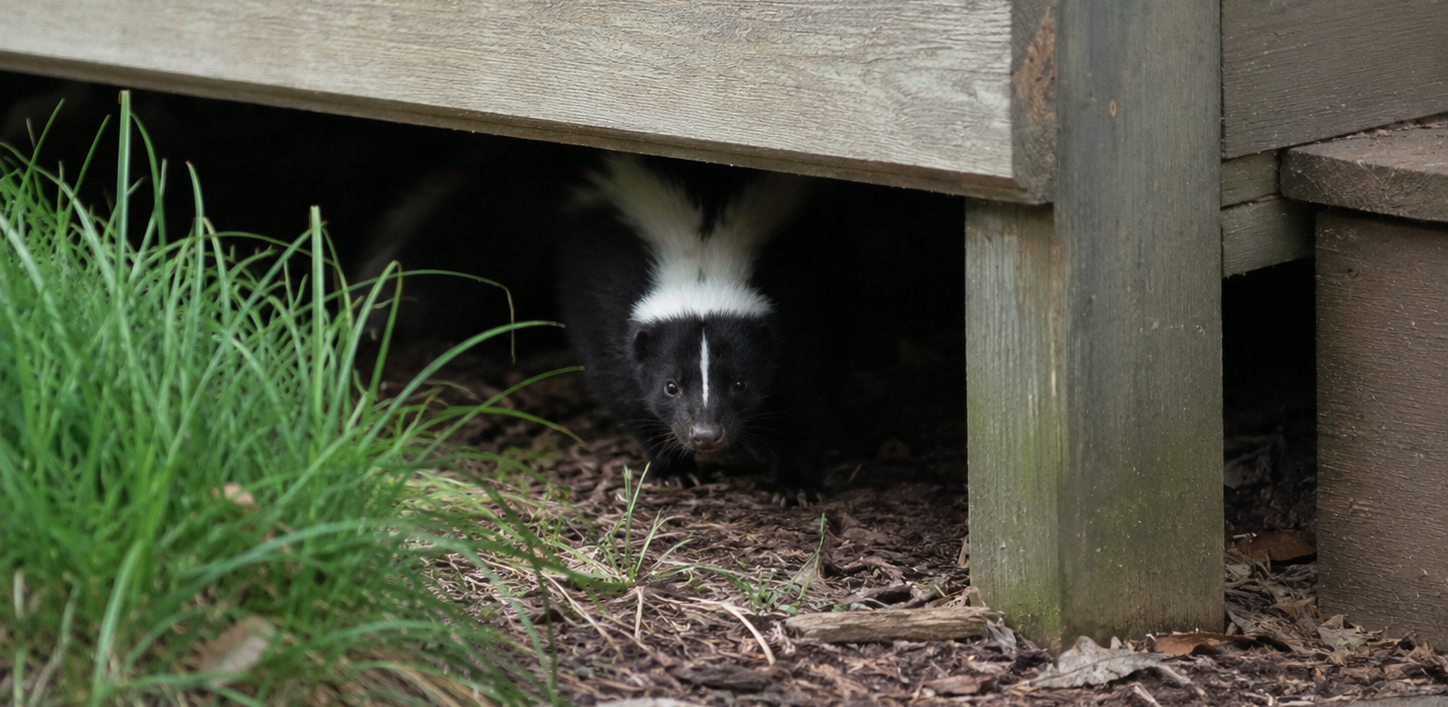
Skunks do not only come out at night. While these creatures are primarily nocturnal, it is completely normal to see them during the day. You might spot one foraging for food, caring for young, or looking for a mate. Seeing one in the daylight does not automatically mean it is sick or dangerous.
If you notice one wandering through your yard, you might wonder what it is doing there. This guide is for homeowners who want to know why these creatures appear during the day and what it means for their property. You will learn about their daily habits, why they might be active in the sunlight, and how to safely keep them away from your home.
Living with wildlife is a common part of life. We often receive calls from concerned residents who see these striped creatures during the morning or afternoon. Because they have a reputation for carrying diseases and spraying a terrible odor, seeing one in the daylight can feel alarming. However, a healthy creature can be active at any time of day depending on the season and its basic needs.
It is always best to leave wildlife alone. Approaching them can lead to defensive sprays or bites. We always recommend contacting our professionals at Skedaddle Humane Wildlife Control in Minneapolis to handle the situation. We use safe, proven methods like one-way doors that allow the creature to leave but prevent it from coming back inside. Keep reading to learn why you might see them while the sun is out and how our team can help protect your home.
What does it mean when skunks hang out around your house?
When these creatures hang out around your house, it usually means your property offers them food, water, or a safe place to hide. They are opportunistic foragers. A yard with accessible garbage, pet food, or a lawn full of grubs is a perfect feeding ground. They also look for secure spots to build their dens. Spaces under your deck, porch, or shed are very attractive because they provide shelter from the weather and predators.
If they are hanging around, they have likely found a comfortable spot to settle down. This can lead to burrowing damage around your foundation and a lingering odor. You should not try to scare them away yourself, as this often results in someone getting sprayed. Instead, rely on our team to assess your property. We can find their hiding spots and safely remove them without causing stress to you or the creature.
Searching for Food
One of the most common reasons for spotting skunks during the day is their constant search for food. Their survival depends on finding reliable sources of nourishment, pushing them to be opportunistic and resourceful. This behavior can sometimes lead to noticeable signs around your property, which help indicate their presence.
- Looking for Grubs: Skunks are particularly fond of grubs and insects that are commonly found in grassy areas. To access these food sources, they will dig small, cone-shaped holes in lawns or gardens. This digging often leaves behind visible turf damage, especially in yards with an abundance of insects. Their search for grubs not only impacts the property’s appearance but also signals a regular food source nearby.
- Eating Pet Food: Dog or cat food left outside can quickly become a meal for these creatures. With their sharp sense of smell, they are capable of locating even small amounts of pet food left unattended. Open bowls or spilled kibbles provide an easy and appealing option for their diet. Pet owners should be mindful of these risks, as consistent access to food outside can encourage repeat visits.
- Raiding the Trash: Unsecured garbage cans offer another convenient source of food for skunks. They are adept at knocking over lightweight bins, tearing open bags, or climbing into accessible containers to scavenge for scraps. This behavior not only leaves behind a mess but may also attract additional wildlife to the area. Ensuring trash is properly secured can help deter this behavior and protect your property.
If food is scarce at night, they will extend their hunting hours into the daylight. Removing these food sources is a big step in keeping them away from your yard.
Nursing Mothers
Motherhood brings about significant adjustments to daily life for many wildlife species. Nursing mothers face unique challenges as they work tirelessly to care for their young while ensuring their own survival. Their behaviors, while instinctual, can often bring them into closer contact with residential areas. Understanding these habits can provide valuable insight into how to manage interactions with wildlife around the home.
- Feeding the Babies: Nursing mothers require a much higher calorie intake to produce enough milk for their young. To meet this demand, they may not limit their hunting to nighttime hours and can often be seen out during the day searching for food. This increased activity might lead them to explore backyard gardens, trash bins, or pet food left outside. Ensuring food sources are secured and inaccessible can discourage this behavior and protect your property.
- Teaching the Young: Once the young are old enough, mothers take the lead in teaching them survival skills. This includes foraging for food, recognizing potential threats, and becoming familiar with their surroundings. It’s not uncommon to witness a mother guiding her babies in the late afternoon or early evening as they learn about their environment. These moments are vital for the young to gain independence as they mature.
- Finding Safe Shelter: A nursing mother’s top priority is the safety of her offspring. If she perceives her current den as unsafe, she may relocate her babies to a new shelter nearby, such as under a deck or shed. This relocation is often done during the day and might include carrying her young one by one to their new home. Reducing access to potential nesting sites can help prevent skunks from settling too close to human dwellings.
Seeing a mother and her babies is a clear sign that a den is nearby. We do not recommend going near them, as mothers are highly protective. Our team knows how to handle families safely.
Mating Season
Mating season is a pivotal time in the life cycle of many skunks. The shift from late winter into early spring brings significant changes in behavior and movement, largely driven by the instinct to reproduce. This period often leads to increased visibility of skunks as they venture into new areas and interact with one another in ways not commonly observed during other months. Understanding these behavioral shifts can provide valuable insight into their activities while helping to mitigate potential conflicts.
- Looking for a Mate: During February and March, males expand their range in search of potential mates. It is common for them to travel far beyond their usual territory, often venturing into urban or suburban areas. These long-distance journeys can lead them to unfamiliar spaces, where they may be more noticeable during daylight. This increased activity is often temporary but plays a critical role in securing mates to ensure the continuation of their species.
- Increased Travel: With the focus on finding mates, males cover much more ground than usual during this time of year. It’s not unusual to see them roaming through yards, crossing roads, or even walking down neighborhood streets during the day. This change in travel patterns often brings them into closer proximity with people, increasing the likelihood of sightings. While this behavior is fascinating to observe, it is important to maintain a safe distance.
- Aggressive Behavior: Males may exhibit heightened aggression during the mating season, particularly toward other males. This aggression is often tied to disputes over territory or competing for the same female. Such encounters may result in physical fights or loud vocalizations that could draw attention. Recognizing this behavior helps in understanding their natural instincts while promoting safer interactions with wildlife during this period.
Mating season is a busy time for wildlife. If you see an increase in daytime activity during the spring, it is likely related to this natural cycle.
Disruption to Their Den
Disrupted dens are a common challenge for wildlife, particularly during the spring when activity increases. Skunks rely on their dens for shelter and safety, but various unexpected events can force them to abandon their homes. These interruptions not only put wildlife at risk but can also bring them into closer contact with humans as they search for new, secure spaces to live. Understanding the causes behind these disruptions is key to promoting coexistence and reducing stress on skunks during these moments.
- Flooded Burrows: Heavy rain or melting snow can quickly flood underground dens, making them unlivable. Wildlife caught in this situation has no other choice but to leave and search for dry shelter. This often leads to increased daytime activity as skunks move in unfamiliar directions in search of safety. Flooded burrows highlight how weather patterns can directly impact local wildlife and their habits.
- Construction Noise: Loud sounds caused by construction or yard work can frighten skunks and disturb their dens. The vibrations and noises from heavy machinery or tools often feel threatening, causing wildlife to flee their usual hiding spots. These disturbances may push skunks into open areas, which can increase risks for both them and humans. Noise pollution remains a significant factor in disrupting the natural habitats of many species.
- Predator Threats: Skunks will abandon their dens if they sense a predator’s presence nearby. A dog digging outside their burrow or signs of a larger predator can make them feel unsafe. To protect themselves, they will vacate and search for a new hiding spot, often under pressure and in haste. This behavior is a vital survival instinct to avoid harm, but it places additional stress on wildlife, especially during critical times like nesting or rearing young.
When their home is destroyed or threatened, they become disoriented. They will wander your yard looking for a new, quiet place to hide.
Is a Daytime Skunk Sick?
Many people assume a creature seen during the day has rabies. While rabies is a serious concern, daylight activity alone does not mean the creature is sick.
You should look for other warning signs. A healthy creature will move with purpose, look alert, and react to its surroundings. A sick one might stumble, look confused, or foam at the mouth. It might also show no fear of humans or pets. If you see a creature displaying these strange behaviors, stay far away and keep your pets inside.
Do not try to trap or contain a potentially sick creature. Our experienced technicians are trained to assess these situations safely. We have the right equipment to handle wildlife issues without putting your family at risk.
Skunk Behavior Patterns
Understanding skunks and their natural tendencies can help clarify the reasons behind many of their behaviors. These animals follow distinct patterns based on their instincts and environmental needs. Learning about their routines and physical traits offers important insights into how they interact with their surroundings.
- Crepuscular Tendencies: Skunks are most active during the low-light hours of dawn and dusk. These times provide enough cover to reduce the risk of encountering predators. During their active periods, skunks travel in search of food and shelter, using their keen senses to guide them. They tend to avoid activity during the middle of the day and late at night to conserve energy and avoid danger.
- Foraging Habits: Skunks rely on their strong sense of smell to locate food, which means they spend a lot of their time sniffing along the ground. Their diet primarily consists of insects, worms, small rodents, and fruits that have fallen from trees. Moving slowly and methodically, they search for sustenance, often digging small holes in soil to uncover hidden treats. This behavior benefits the ecosystem by controlling pest populations.
- Poor Eyesight: Skunks have very limited vision, which can make it difficult for them to detect fast-moving threats. Because of this, they rely more heavily on their sense of smell and hearing to understand their environment. Their poor eyesight often causes them to wander into roads without recognizing the danger posed by cars. Understanding this vulnerability can help people take precautions to avoid harming skunks in their natural habitats.
Because of their poor eyesight, they might not notice you until you are very close. This is why it is important to make noise when you walk outside, giving them a chance to scurry away.
Skunks in Minneapolis
The Minneapolis area offers a unique environment for wildlife. With a mix of urban neighborhoods, parks, and waterways, it is a great place for them to thrive.
Our harsh Minnesota winters force them to seek warm, reliable shelter. They often choose the spaces under our heated homes, decks, and sheds to stay warm. In the spring, the melting snow can flood natural burrows, pushing them closer to residential areas. The abundant greenspace in our city means there is always plenty of food, from garden vegetables to lawn grubs.
Homeowners in Minneapolis often find these creatures living under their front steps. Because our city has older homes with accessible crawl spaces, it is easy for them to move in. Our local Skedaddle technicians understand the specific challenges of this region and know exactly where to look for hidden dens.
Skunk Prevention
Keeping them away from your property requires a proactive approach. You need to make your yard as unappealing as possible.
Start by securing your garbage. Use bins with tight-fitting lids so they cannot dig through your trash. Clean up any fallen birdseed or fruit from trees. If you feed your pets outside, bring the bowls in before the sun goes down. Keep your grass trimmed and treat your lawn for grubs so there is nothing for them to eat.
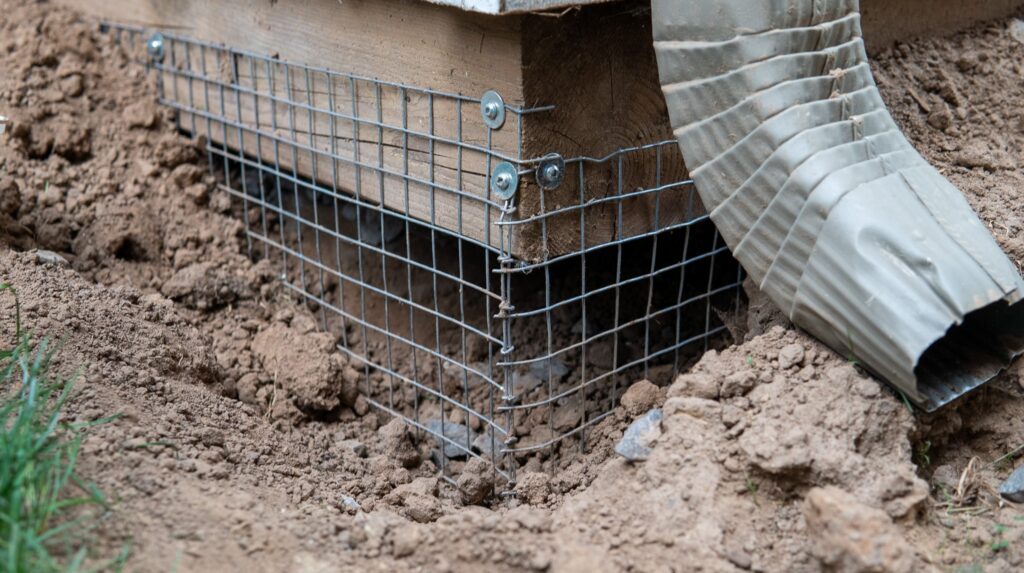
For real protection, you need to block their access to shelter. This means installing heavy-duty barriers around your deck, shed, and porch. Because they are excellent diggers, these barriers must be installed deep underground. Our professional wildlife team at Skedaddle specializes in these exclusion methods. We install durable barriers and one-way doors that let the wildlife exit safely but prevent them from returning.
Frequently Asked Questions
Where do skunks sleep during the day?
These animals sleep in dark, quiet places where they feel safe and hidden. Common spots include underground burrows, hollow logs, and spaces under decks, sheds, or porches. They choose areas that protect them from predators and bad weather. During the daytime, they usually stay very still and avoid coming out unless they feel threatened. If one chooses your property as a den, it may return every night.
Can skunks spray without lifting their tail?
No, they usually need to lift their tail before they spray. Raising the tail is a warning sign that they feel scared or threatened. They also plant their feet firmly on the ground before spraying. This gives them better balance and aim. If you see this behavior, the safest thing to do is slowly back away and give the animal space.
Do skunks hibernate in the winter?
Skunks do not fully hibernate like some other wildlife. Instead, they enter a deep resting state called torpor during very cold weather. They may stay inside their den for several days or even weeks at a time. However, they will wake up and search for food during warmer winter days. This means you may still see activity around your property in the winter months.
What should I do if my dog gets sprayed?
If your dog gets sprayed, keep it outside right away to stop the smell from spreading through your home. Do not rinse your dog with plain water immediately because it can make the smell harder to remove. The spray contains oily chemicals that need special cleaning solutions. Contact your veterinarian or a professional for safe treatment advice. Acting quickly can help reduce the smell and keep your pet comfortable.
Why do skunks dig holes in my lawn?
These animals dig small holes in lawns while searching for food underground. They are usually looking for insects like grubs, worms, and beetles living in the soil. If your yard has a large insect population, it becomes a very attractive feeding spot. The holes are often cone-shaped and scattered around the grass. Reducing lawn pests can help make your property less appealing to them.
We Control Your Skunks, Day or Night
At Skedaddle Humane Wildlife Control, we understand how stressful it can be to discover skunks making themselves at home on your property. Seeing wildlife during the day can be normal, but it is essential to prevent them from settling in permanently.
Whether they are searching for food, creating a shelter, or caring for their young, these creatures can cause significant damage if left unchecked. That is why our professional team is here to help. We use humane and effective methods to safely remove wildlife from your property and ensure they cannot return. Our techniques, such as one-way doors, prioritize the well-being of the skunks while protecting your home and family.
You can rely on us to handle the messy, hazardous work and give you peace of mind knowing the job is done right. If you are facing a wildlife problem, do not wait, contact Skedaddle Humane Wildlife Control in Minneapolis today to request an estimate. Together, we can safeguard your home and keep it a safe and happy place.

 Loading...