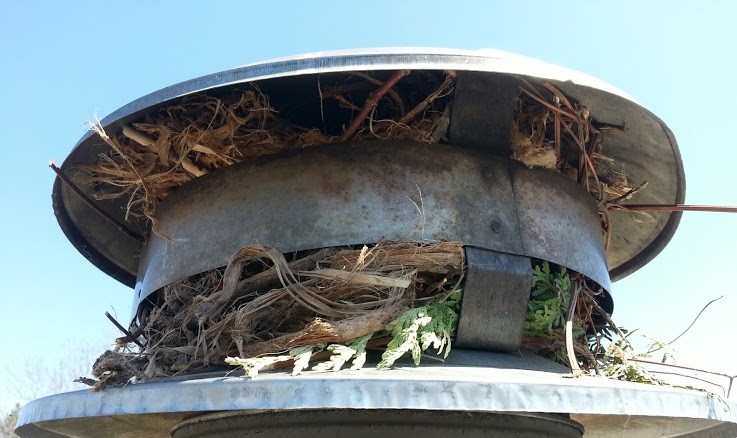
Spring brings more activity around your home, and that often includes bird nesting in vents, rooflines, and small openings. You may not notice it right away, but once nesting begins, it can lead to noise, mess, and damage. The best way to prevent this is through a complete approach that focuses on finding entry points, removing nesting areas safely, and stopping access before it starts. Skedaddle Humane Wildlife Control in Marietta handles this process from start to finish so your home stays protected.
You are dealing with a problem that grows quickly when left alone. Bird nesting happens fast, especially in warm and sheltered spaces like attics and vents. Once a space is used, it often becomes a repeat spot. Long-term prevention is key, and that means identifying risks early and putting strong barriers in place.
You need a solution that works right away and lasts over time. Our team uses proven methods to assess, clear, and protect your home. In this blog, you will learn how our experts help prevent nesting, what steps are involved, and how your home stays safe with the right approach.
Should you remove birds yourself?
Removing nests or handling this situation on your own is not recommended. There are laws that protect many bird species, especially during nesting season. Handling it the wrong way can lead to serious problems and may harm young birds.
There are also health and safety risks to consider. Nesting areas can carry bacteria and create poor air quality. Our trained professionals know how to handle the situation safely and properly.
Expert Inspection and Entry Point Detection
A strong prevention plan always starts with a detailed inspection. Small gaps and openings are often the main reason nesting happens in the first place. Our team focuses on finding these hidden risks before they become bigger problems. Key steps in this process include:
- Locating Entry Points: Rooflines, vents, and soffits are carefully checked for gaps and openings. Even very small spaces can allow birds to get inside and start nesting. These areas are often high up and hard to see without proper tools. A full inspection helps make sure nothing is missed and every risk is found.
- Identifying High-Risk Areas: Some parts of your home are more likely to be used for nesting than others. Warm, quiet, and sheltered areas are the most common spots. These spaces can include vents, attic edges, and roof corners. Once found, these areas are noted and prepared for protection.
- Assessing Structural Weak Spots: Weak or damaged materials can make it easier for nesting to happen. Over time, these spots can get worse if they are not fixed. Small cracks or loose sections can turn into larger openings. Fixing these early helps prevent bigger problems later.
Safe and Careful Nest Removal
Removing bird nests the right way is an important part of the process. This step must be done carefully and at the right time. Our team follows proper methods to handle each situation safely. This stage includes:
- Careful Removal of Nesting Materials: All nesting materials are removed from the area with care. This includes sticks, leaves, and other debris left behind. Clearing these materials helps remove the source of the problem. It also prepares the space for proper sealing and protection.
- Checking for Active Nesting: Timing is very important when dealing with nests. Our team checks to make sure removal is done at the right stage. This helps avoid issues and ensures everything is handled properly. Careful planning leads to better results.
- Preparing the Area for Protection: Once the area is cleared, it is ready for the next step. A clean space allows prevention methods to work better. This step helps set up long-term protection. It also reduces the chance of nesting happening again.
Cleaning and Restoring Affected Areas
After bird nest removal, the space must be cleaned and restored. This helps remove contamination and improve the condition of your home. A clean area also supports better prevention results. This part of the process includes:
- Removing Debris and Build-Up: All leftover nesting materials and waste are cleared away. This helps improve the condition of the space. It also reduces the risk of further damage over time. A clean area is important for long-term protection.
- Improving Air Quality: Cleaning helps reduce harmful particles in the air. This can improve the overall comfort of your home. Better airflow also supports a healthier space. This step helps restore normal conditions.
- Restoring Vent and Attic Spaces: Blocked or damaged areas are repaired and cleared. This helps vents and attic spaces work properly again. Restoring these areas is important for both safety and function. It also prepares the space for sealing and protection.
Long-Term Prevention and Protection
Prevention is the key to stopping nesting from happening again. This step focuses on sealing and protecting all entry points. Our team uses strong and lasting solutions for the best results. Key prevention steps include:
- Installing Protective Screens: Durable screens are placed over vents and openings around your home. These screens block access while still allowing proper airflow. They are built to handle weather and long-term use. This helps protect your home from future nesting.
- Sealing Small Gaps and Openings: Cracks and small openings are sealed using proper materials. Even the smallest gaps are covered to prevent access. This step stops nesting before it can begin. A tight seal helps keep your home secure.
- Using One-Way Doors When Needed: One-way doors are used to allow wildlife to leave safely. Once they exit, they cannot get back inside. This helps clear active areas without causing harm. After the space is empty, it is sealed to prevent return.
Why Prevention Matters for Your Home
Preventing nesting is about more than just avoiding noise. It helps protect your home from damage that can build over time. Once nesting begins, activity often continues and can become harder to manage. Early prevention makes a big difference in keeping your home safe.
Entry points can get larger if they are not fixed right away. Small gaps can turn into bigger openings as materials become worn or damaged. This makes it easier for nesting to happen again in the same spots. Addressing these areas early helps stop the problem from growing.
Long-term protection helps break the cycle of repeated activity. A complete solution focuses on both removal and prevention. When entry points are sealed, nesting is much less likely to return. This helps keep your home secure and protected over time.
Marietta Homes and Nesting Risks
Homes in Marietta often have features that make nesting easier. Rooflines, vents, and small gaps can all provide access points. These areas may go unnoticed until activity begins. Warmer weather also increases movement and nesting behaviour.
Seasonal changes play a big role in how often nesting happens. Spring and early summer are the busiest times of year. During this period, homes are more likely to be targeted. This is when prevention matters the most.
Different building styles can also affect the level of risk. Some homes have more exposed areas than others. These features can make access easier over time. Taking action early helps reduce long-term problems and damage.
Bird Nest Removal With Our Team
Proper nest removal is an important part of protecting your home. This step must be handled with care and done at the right time. Our team ensures everything is completed safely and correctly. Each situation is treated with attention and planning.
We focus on removing bird nests without causing harm or creating new issues. Every space is checked before any work begins. This helps ensure the best outcome for your home. Careful removal also prepares the area for the next step.
Once removal is complete, prevention steps are put in place right away. Entry points are sealed to stop future access. This helps prevent nesting from happening again. Your home stays protected moving forward.
Frequently Asked Questions
When is nesting most common?
Nesting is most common during spring and early summer. This is when birds look for safe and warm places to raise their young. Activity can increase quickly during this time, especially around roofs and vents.
Do nests cause damage?
Yes, nests can block vents and create buildup over time. This can affect airflow and lead to damage inside your home. If left alone, the problem can grow and become more costly to fix.
Will they return after removal?
Yes, birds may return if entry points are not properly sealed. Spaces that feel safe are often used again and again. Proper prevention helps stop this cycle and keeps your home protected.
Why do they choose vents and rooflines?
Vents and rooflines provide warmth, shelter, and protection from weather. These areas are also easy to access through small openings. This makes them very appealing for nesting.
Bird Nests at Home? Keep Your Home Protected This Spring
Bird nesting can start quickly and often goes unnoticed at first. What may seem like a small issue can grow into a bigger problem over time. Noise, mess, and damage can build as activity continues. Taking action early helps prevent these issues from getting worse and protects your home.
Small openings and weak spots around your home can turn into easy access points. Once a space is used, it often becomes a regular nesting spot. This can lead to repeated activity and more damage over time. Long-term protection is the best way to stop the cycle and keep your home secure.
We provide safe, complete solutions at Skedaddle Humane Wildlife Control in Marietta. Our team focuses on prevention, proper removal, and lasting protection. Each step is handled with care to make sure the problem is fully resolved. You can request an estimate today to learn how we can help keep your home safe, clean, and protected.

 Loading...







