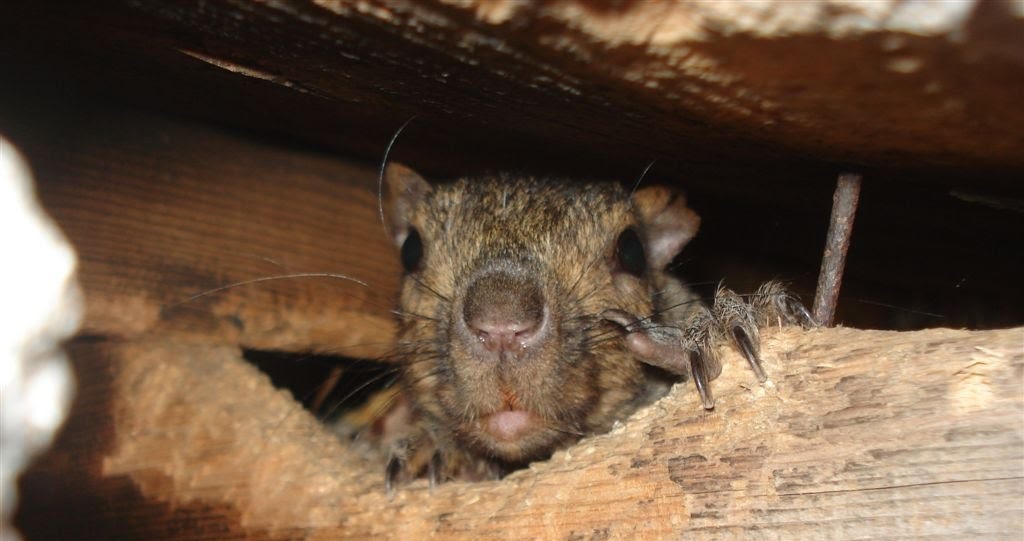
You might think your home is secure, but squirrels see it differently. These rodents look for weaknesses in rooflines, vents, and soffits—spots most homeowners overlook. A small crack or gap is all they need to gain access. Once inside, they chew wires, damage insulation, and create nests that lead to costly repairs.
Understanding how squirrels get into houses starts with knowing where they look. These animals are skilled climbers with strong jaws capable of gnawing through wood, vinyl, and even aluminium. They only need a two-inch opening to squeeze through. That’s smaller than a golf ball. If your home has vulnerable spots—and most do—squirrels will find them.
In this blog, we’ll walk through the home features squirrels target most, the damage they cause, and how Skedaddle Humane Wildlife Control in Marietta protects your property. You’ll learn to spot squirrel entry points, recognize signs of activity, and understand why our professional help is essential for keeping these animals out for good.
What Are Squirrels Looking For in Your Home?
Squirrels don’t invade homes randomly. They’re searching for three things: warmth, safety, and a place to raise young. Your attic offers all three. It’s quiet, protected from predators, and insulated. To a squirrel, it’s the perfect den.
Most homeowners notice the problem when they hear scratching sounds in the walls or ceiling. By then, squirrels have already settled in. They’ve chewed through materials, built nests, and possibly caused damage to your home’s structure.
These animals are most active during dawn and dusk, but their presence leaves traces throughout the day. Chewed wood near entry points, droppings in the attic, or torn insulation are all signs of an infestation. The longer they stay, the worse the damage becomes.
Rooflines and Fascia Boards
Squirrels often target the edges of your roof. Rooflines and fascia boards are common entry points, especially if the wood is old or rotting. These areas are easy for squirrels to chew through, and they provide direct access to the attic.
Why squirrels exploit this feature:
- Older Wood Softens Over Time, Making It Easier to Gnaw: Wood weakens as it ages and is exposed to rain and heat. Soft or rotting boards are much easier for squirrels to chew through. What starts as a small weak spot can quickly turn into a larger hole.
- Gaps Between the Roof and Fascia Create Entry Points: Even small gaps along the roof edge can allow squirrels to squeeze in. They will test these areas with their teeth and claws. If the space widens, it becomes a reliable doorway.
- Heat Escaping from the Attic Attracts Squirrels Looking for Warmth: Warm air escaping from the attic signals a safe nesting area. During colder months, squirrels look for heated spaces. The warmth makes your attic especially appealing.
Once a squirrel chews through the roofline, they can move freely between the attic and the outside. This creates an ongoing problem. Even if you remove the animal, they’ll return unless the entry point is sealed properly.
We see this issue frequently in Marietta. Homes with aging roofs or deferred maintenance are especially vulnerable. A small hole can quickly become a major infestation if left unaddressed.
Roof Vents and Gable Vents
Roof vents and gable vents help move air through your attic. They keep moisture from building up and protect your roof over time. However, many vents are made from plastic or thin aluminium. These materials are easy for squirrels to chew through.
Squirrels target vents for several reasons. Vents are placed high on the home, which keeps squirrels away from ground predators. The thin materials do not offer much resistance to their strong teeth. Warm air escaping from the attic also makes these spots more attractive for shelter.
Many homeowners do not notice vent damage right away. By the time scratching sounds are heard, squirrels may already have built a nest. Damaged vents can also let rain and insects inside. We replace broken vents with strong, chew-proof materials to prevent future problems.
Soffits and Eaves
The soffit is the underside of your roof’s overhang, where the roof meets the exterior wall. Soffits and eaves are prime targets for squirrels, especially if they’re improperly fitted or starting to rot. A small gap is all they need.
Why squirrels exploit this feature:
- Soffits Often Have Small Gaps or Weak Points from Weathering: Wind, rain, and heat can cause soffits to shift or crack. These small openings may go unnoticed for years. Squirrels test these weak spots and use them as starting points.
- Rotting Wood is Easy to Chew and Widen: Wood that has softened from moisture is much easier to gnaw through. Squirrels use their strong teeth to expand small cracks. What begins as a minor flaw can quickly turn into a full entry hole.
- This Area Provides Access to Wall Cavities and the Attic: Once squirrels get through the soffit, they can move into wall spaces. From there, they may reach the attic. These hidden areas allow them to travel without being seen.
Squirrels are persistent. If they find a weak spot in the soffit, they’ll keep working at it until they create an opening. Once inside the wall cavity, they can move throughout your home undetected.
Repairing soffits requires more than a quick patch. We inspect the entire area, replace damaged sections, and seal entry points with durable materials. This stops squirrels from returning and protects your home’s structure.
Chimneys
Chimneys are another common squirrel entry point. To a squirrel, a chimney looks like a hollow tree. It feels safe, enclosed, and protected from weather. If the chimney cap is missing or loose, squirrels can climb right in.
Squirrels are drawn to chimneys because they provide warmth, especially in colder months. A broken or missing cap leaves the flue open and easy to access. The tall, narrow structure is similar to natural nesting spaces found in trees.
Once inside, squirrels can become trapped or fall into the fireplace. This creates noise, stress, and potential danger for your family. We install secure chimney caps that allow smoke to escape while keeping wildlife out. If an animal is already inside, we use safe one-way doors to help it exit properly.
Plumbing Mats and Roof Gaskets
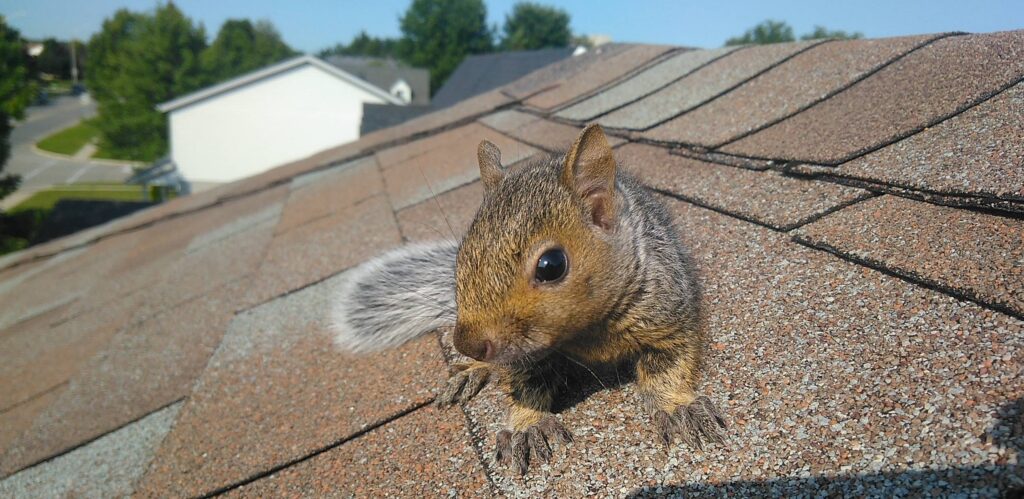 Plumbing vents on your roof are sealed with rubber or plastic gaskets. Over time, sun and weather cause these materials to crack and weaken. Squirrels can chew through damaged seals to reach the opening around the pipe. That opening often leads straight into the attic.
Rubber gaskets break down after years of exposure to heat and rain. Squirrels may also notice warm air escaping from small gaps. Because these seals are small and hard to see, they are often missed during routine checks.
This entry point is easy to overlook. Many homeowners never think to inspect plumbing vent seals. During our assessments, we carefully check these areas. We replace worn gaskets with durable materials designed to resist both weather and wildlife.
Power Lines and Overhanging Branches
Squirrels are expert climbers. Power lines and tree branches that hang over your roof act as highways, giving them easy access to vulnerable areas. Once they reach your roof, they can exploit weak points like vents, soffits, or fascia boards.
Why squirrels exploit this feature:
- Power Lines and Branches Provide Safe, Elevated Travel Routes: These high pathways allow squirrels to move quickly between trees and homes. They can cross yards without ever touching the ground. This makes it easier for them to explore rooftops and search for entry points.
- Squirrels Avoid Ground-Level Predators by Staying High: Staying above ground helps squirrels avoid dogs, coyotes, and other predators. They feel safer when traveling along branches and wires. This natural instinct keeps them close to rooflines and upper structures.
- Overhanging Branches Give Them Direct Roof Access: Branches that hang close to your roof act like bridges. Squirrels can jump or step directly onto shingles. From there, they begin searching for soft wood or small gaps to chew through.
Trimming branches and removing access points won’t stop a determined squirrel, but it does make your home less attractive. Combined with our professional sealing, this reduces the chances of an infestation. We work with homeowners to identify and eliminate these access routes. Simple changes, like trimming trees back from the roofline, can make a significant difference.
Foundation Gaps and Crawl Spaces
Squirrels usually look for high entry points, but they will use lower openings if they find them. Gaps around utility lines, damaged crawl space doors, and cracks in the foundation can all provide access. These openings are often small and easy to miss. Once squirrels find them, they will return again and again.
Foundation gaps are often hidden and overlooked during regular maintenance. Crawl spaces stay warm and protected from weather, which makes them attractive nesting spots. Squirrels can build nests underneath the home and then move into wall cavities. From there, they can spread through different parts of the house without being noticed right away.
Once inside a crawl space, squirrels may chew insulation and electrical wiring. This can lead to costly repairs and even fire risks. Sealing foundation gaps is an important step in squirrel prevention. Our team inspects the full perimeter of your home and seals every potential entry point to help stop future damage.
How Skedaddle Prevents Squirrel Entry
At Skedaddle Humane Wildlife Control in Marietta, we don’t just remove squirrels—we make sure they can’t come back. Our process is thorough, humane, and designed to protect your home long-term.
Here’s how we handle squirrel damage to homes:
- Full Property Inspection: We examine every vulnerable area, from rooflines to foundations, identifying all squirrel entry points.
- Humane Removal: We use one-way doors that allow squirrels to leave but prevent them from re-entering. This approach is safe for both the animals and your home.
- Sealing Entry Points: Once squirrels are out, we seal every opening with materials they can’t chew through. This includes damaged vents, soffits, fascia boards, and foundation gaps.
- Attic Clean-Up: Squirrels leave behind droppings, urine, and damaged insulation. We clean and sanitize the area, restoring healthy air quality and preventing bacteria from spreading.
- Long-Term Prevention: We provide recommendations to keep squirrels away, including trimming overhanging branches and maintaining vulnerable areas like vents and chimneys.
Understanding how squirrels get into houses is the first step in protecting your home. These animals are resourceful, but with the right prevention measures, you can keep them out for good.
Why Professional Help Matters
Many homeowners try to handle squirrel problems on their own. They patch a hole or set a trap, hoping the issue is solved. But squirrels are persistent. If the entry point isn’t sealed properly, they’ll return. And if baby squirrels are inside, removing the mother can leave them trapped in your walls.
Our professional wildlife control ensures the job is done right. We understand squirrel behaviour, know where to look for entry points, and use methods that keep your home safe without harming the animals.
DIY solutions often make the problem worse. Poorly sealed holes allow squirrels back in, and improper removal methods can leave animals suffering. Our humane approach respects wildlife while protecting your property.
Frequently Asked Questions
How big of a hole can a squirrel fit through?
Squirrels can squeeze through an opening about two inches wide. That is roughly the size of a golf ball. Even if a gap looks small, a squirrel can chew and widen it over time. Soft wood, loose siding, or damaged vents make it even easier. Small cracks along rooflines or soffits should never be ignored.
Do squirrels return to the same house after being removed?
Yes, squirrels will return if entry points are not sealed properly. They remember safe nesting spots. If a home provided warmth and shelter once, they will try again. This is why our professional sealing is just as important as removal. Blocking access with strong materials prevents repeat infestations.
Can squirrels cause electrical fires?
Yes, squirrels can create fire hazards by chewing on wiring. Their teeth constantly grow, so they gnaw on many materials. Exposed wires can spark or overheat inside walls and attics. This type of squirrel damage to homes is serious and often hidden. Our professional inspection helps catch these risks early.
What time of year are squirrels most likely to enter homes?
Squirrels are most likely to enter homes in late winter and early spring. This is when they search for warm nesting areas to raise young. They may also move indoors in the fall to prepare for colder weather. Attics provide heat, safety, and protection from predators. Acting before these seasons reduces the chance of entry.
Protect Your Home from Squirrel Damage
Understanding how squirrels get into houses is the first step to protecting your home. Rooflines, vents, soffits, chimneys, and nearby power lines are common squirrel entry points. Once inside, squirrels chew wood, tear insulation, and damage wiring. This type of squirrel damage to homes can become expensive very quickly.
If you hear scratching in the attic or see squirrels going in and out of your roof, do not ignore it. Chewed wood, small holes near the roofline, droppings, and torn insulation are clear warning signs. The longer squirrels stay, the more damage they cause. Acting early protects your home and reduces repair costs.
At Skedaddle Humane Wildlife Control in Marietta, we focus on safe removal and long-term prevention. We identify squirrel entry points, remove animals humanely, and seal gaps using durable materials built to last. Our goal is to stop repeat problems, not just remove one animal. Request an estimate to learn more and let us protect your home before the damage spreads.

 Loading...