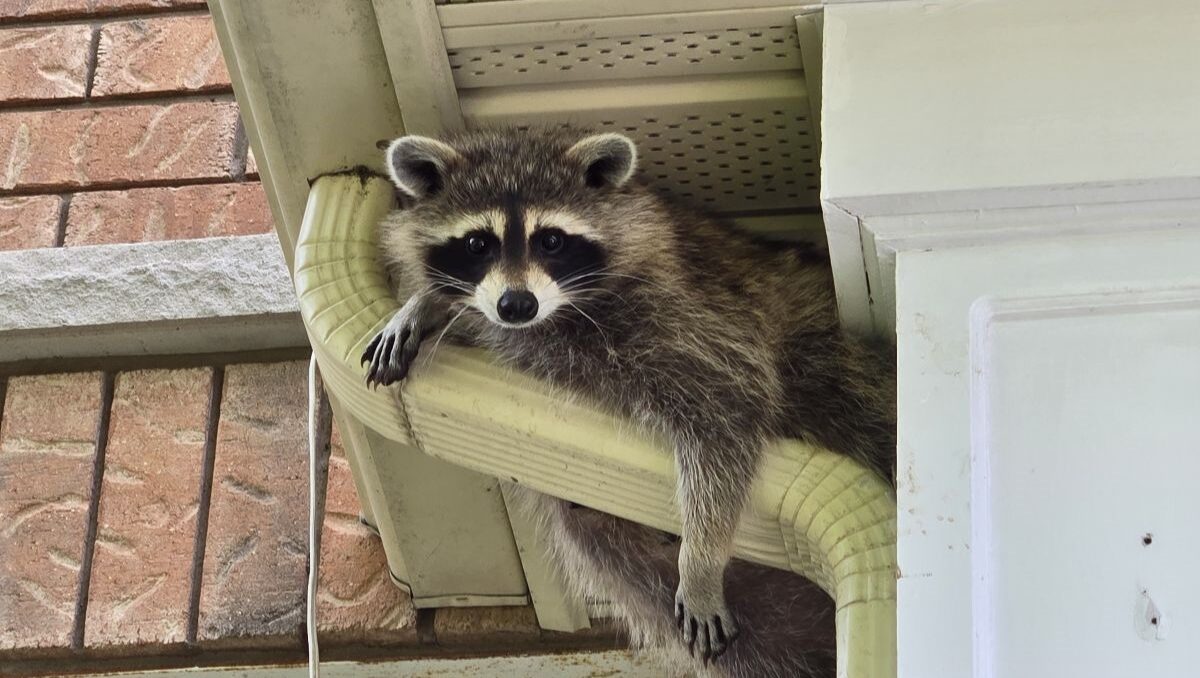
You spot a raccoon digging through your trash. A squirrel scurries across your attic beams. Coyotes howl in the distance at night. Your first thought might be that wildlife is invading your property. But here’s the truth: animals aren’t the problem. Poor planning is.
When raccoons, squirrels, or skunks find their way into your home, it’s rarely because they’re aggressive or territorial. These animals are simply responding to changes in their environment—changes humans created. Urban sprawl, habitat destruction, and inadequate home maintenance are the real culprits behind human-wildlife conflict. Understanding why wildlife enters homes and implementing proper wildlife prevention planning with Skedaddle Humane Wildlife Control in Marietta can help you avoid these issues altogether.
In this blog, we’ll explore why blaming animals misses the mark entirely, examine the root causes of wildlife encounters, and show you how our professional prevention planning protects both your home and the animals themselves.
What’s Really Causing Human-Wildlife Conflict?
Before pointing fingers at the raccoon in your chimney, consider this: that animal was likely displaced by human development. When forests are cleared for housing developments, wetlands are drained for shopping centres, or green spaces are paved for parking lots, wildlife loses its natural habitat. Animals don’t have a choice—they must adapt or perish.
Human-wildlife conflict happens when our expansion collides with animals trying to survive. Poor land-use planning forces wildlife into residential areas where food, water, and shelter are readily available. Your home might offer a warm attic, accessible garbage, or a quiet space under the deck—exactly what a displaced animal needs.
Habitat Loss and Fragmentation Push Animals into Homes
Rapid urbanization disrupts natural ecosystems. When developers build without considering local wildlife corridors or natural habitats, they create situations where encounters between humans and animals become unavoidable.
Consider these realities:
- Shrinking Natural Spaces: As cities expand, forests and fields disappear. Animals that once roamed freely now navigate a patchwork of isolated habitat fragments.
- Broken Wildlife Corridors: Animals need connected pathways to find food, mates, and seasonal shelter. When these corridors are destroyed, animals end up trapped in suburban neighbourhoods.
- Limited Food Sources: Natural food sources vanish with habitat loss. Animals turn to human-provided alternatives like garbage bins, pet food, and gardens.
When natural barriers between wildlife and humans are removed, animals have no choice but to venture closer to our homes. This isn’t an invasion—it’s displacement.
Why Wildlife Enters Homes: Survival, Not Aggression
Wild animals do not move into attics or crawl spaces because they prefer houses over nature. They enter homes because they are trying to survive. As cities grow and green spaces shrink, animals have fewer safe places to live. Human activity often leaves them searching for new shelter.
Homes provide strong protection from harsh weather. Attics, chimneys, and crawl spaces stay dry during rain and warm during cold months. These areas also offer quiet, hidden spaces where female animals can safely raise their young. For wildlife, your home can seem like the perfect nesting site.
Food sources near homes also attract animals. Unsecured garbage bins, pet food left outside, and bird feeders provide easy meals. Buildings also protect animals from natural predators that would normally keep their numbers in balance. Wildlife is not acting out of aggression — it is simply responding to basic survival needs in a changing environment.
Disruption of Natural Barriers Increases Risk
Changes in land use remove the natural barriers that once separated wildlife from people. Forests are cleared for roads, homes, and new buildings. As green spaces shrink, animals are pushed closer to neighbourhoods. This increased contact raises the chance of conflict and disease spread.
When natural buffers disappear, ecosystems lose balance. Wildlife no longer has enough space to hunt, nest, and travel safely. Animals begin searching for shelter in attics, crawl spaces, and yards. What once stayed in the wild now moves into residential areas.
Wildlife plays an important role in healthy ecosystems. They control insect populations, spread seeds, and support soil health. Poor planning and rapid development disrupt these systems. When natural balance is lost, both animals and humans feel the impact.
Human-Created Conflict Situations Make Problems Worse
Many human-wildlife conflicts stem from poor management practices rather than the animals themselves. When we fail to address the root causes, problems escalate.
Common human errors include:
- Improper Waste Disposal: Leaving garbage cans unsecured gives animals easy access to food. Raccoons, skunks, and other scavengers are drawn to strong smells. If trash is placed outside too early or lids are loose, wildlife will return night after night.
- Structural Vulnerabilities: Small holes in roofs, gaps in siding, and uncapped chimneys create simple entry points. Animals only need a small opening to squeeze inside. Once they find a weak spot, they may widen it and use it again.
- Lack of Maintenance: Overgrown shrubs and tree branches close to the house give animals cover. Piles of debris and standing water create safe places to hide. When yards are not maintained, they become more inviting to wildlife.
- Feeding Wildlife: Leaving pet food outside or scattering birdseed on the ground attracts animals. Even feeding wildlife on purpose teaches them to depend on your property. Once food is easy to find, they will keep coming back.
Instead of managing our environment sustainably, we often react by trying to eliminate the animals. This approach ignores the systemic issues that created the problem in the first place.
The Solution: Better Planning and Coexistence Through Wildlife Prevention Planning
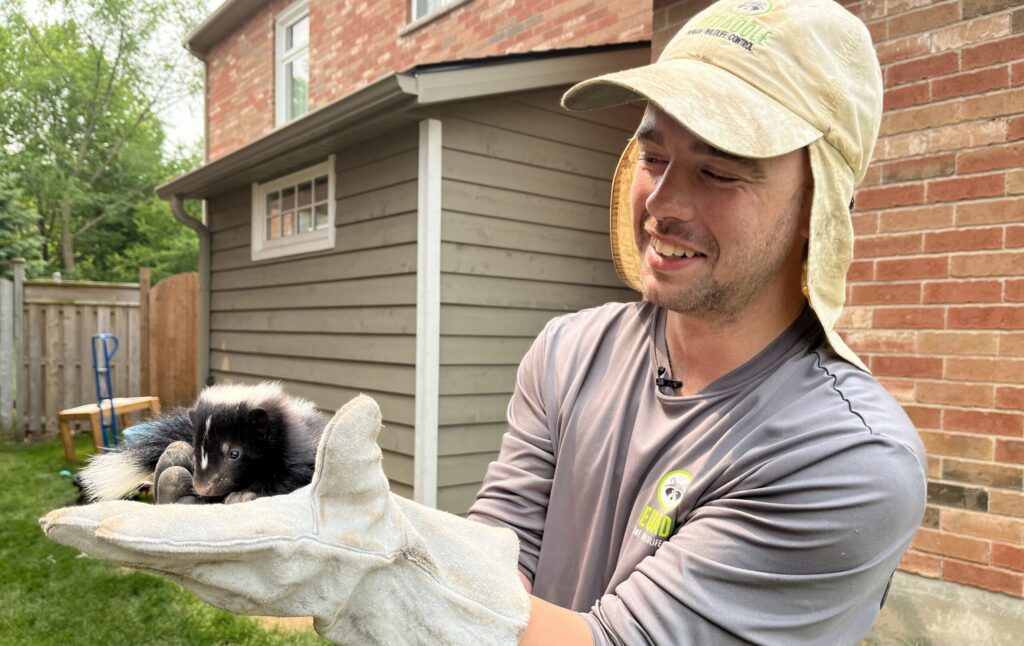
The answer isn’t to wage war against wildlife. It’s to implement smart wildlife prevention planning that addresses the real issue—inadequate preparation and poor property maintenance.
At Skedaddle Humane Wildlife Control in Marietta, we focus on long-term solutions that protect your home while respecting wildlife. Our approach includes:
- Professional Property Assessment: Our trained technicians conduct thorough inspections to identify current entry points and potential vulnerabilities. We look for gaps in your roofline, damaged vents, unsealed crawl spaces, and other areas where animals might gain access.
- Humane Removal Using One-Way Doors: When animals are already inside your home, we use specialized one-way doors that allow them to leave safely but prevent re-entry. This method ensures that animals aren’t trapped inside or separated from their young.
- Comprehensive Exclusion Services: After removal, we seal all entry points using durable materials designed to withstand determined animals. This prevents future intrusions without harming wildlife.
- Habitat Modification: We provide guidance on making your property less attractive to wildlife. This might include securing garbage storage, removing food sources, and trimming vegetation away from your home.
- Professional Cleaning and Restoration: Animals can leave behind contaminated insulation, droppings, and nesting materials. Our team safely removes these hazards, sanitizes affected areas, and restores your home to a healthy condition.
- Ongoing Prevention Support: Wildlife prevention isn’t a one-time fix. We provide ongoing advice and services to help you maintain a wildlife-free home for years to come.
The Importance of Professional Wildlife Prevention Planning
Attempting to handle wildlife issues yourself rarely works. DIY methods often fail because they don’t address the underlying causes or may inadvertently harm animals. Our professional wildlife prevention with Skedaddle ensures that problems are solved correctly the first time.
Our team understands animal behaviour, local wildlife patterns, and the most effective prevention techniques. We use this expertise to develop customized solutions for your specific situation.
The best time to implement wildlife prevention planning is before animals move in. Proactive measures save you time, money, and stress while protecting wildlife in the process.
If you’ve already experienced a wildlife intrusion, don’t wait for it to happen again. Contact Skedaddle Humane Wildlife Control in Marietta to schedule a professional assessment. We’ll identify vulnerabilities, recommend solutions, and help you keep your home secure.
Frequently Asked Questions
Why do raccoons keep coming back to my house?
Raccoons return when food or shelter is still available. If garbage is easy to access or entry points remain open, they see your property as a safe resource. Without proper sealing and habitat changes, the cycle continues. Our professional prevention stops repeat visits.
Is it illegal to remove wildlife on my own in Georgia?
In many cases, yes. Certain wildlife species are protected, and improper removal can violate state regulations. DIY trapping or relocation can also harm animals and create bigger problems. Our professional services ensure safe and lawful removal.
Does removing one animal solve the problem?
Not always. If entry points and attractants are still present, another animal may move in quickly. Long-term prevention requires sealing gaps, securing food sources, and addressing structural vulnerabilities.
How can I wildlife-proof my home in Marietta?
Start by sealing small gaps, securing garbage bins, and trimming vegetation away from your home. Regular property maintenance reduces risks. Our professional inspection helps identify hidden vulnerabilities that homeowners often miss.
What time of year is wildlife most likely to enter homes?
Spring and fall are common seasons for wildlife intrusions. Animals search for nesting sites in spring and warm shelter before winter. Early prevention during these times reduces the chance of attic or crawl space activity.
Protect Your Home with Skedaddle’s Professional Team
Human-wildlife conflict isn’t about aggressive animals invading your space. It’s about poor planning, habitat destruction, and inadequate property maintenance creating situations where wildlife has nowhere else to go. By addressing these root causes through our professional wildlife prevention planning, you can coexist peacefully with the natural world around you.
At Skedaddle Humane Wildlife Control in Marietta, we believe in solutions that work for everyone—homeowners and wildlife alike. Our team of experts is ready to help you protect your property while treating animals with the respect they deserve.
Don’t wait until you hear scratching in your walls or find evidence of unwanted guests. Request an estimate today to learn more about how our wildlife prevention services can keep your home secure and wildlife where they belong—in their natural habitat, not yours.

 Loading...







