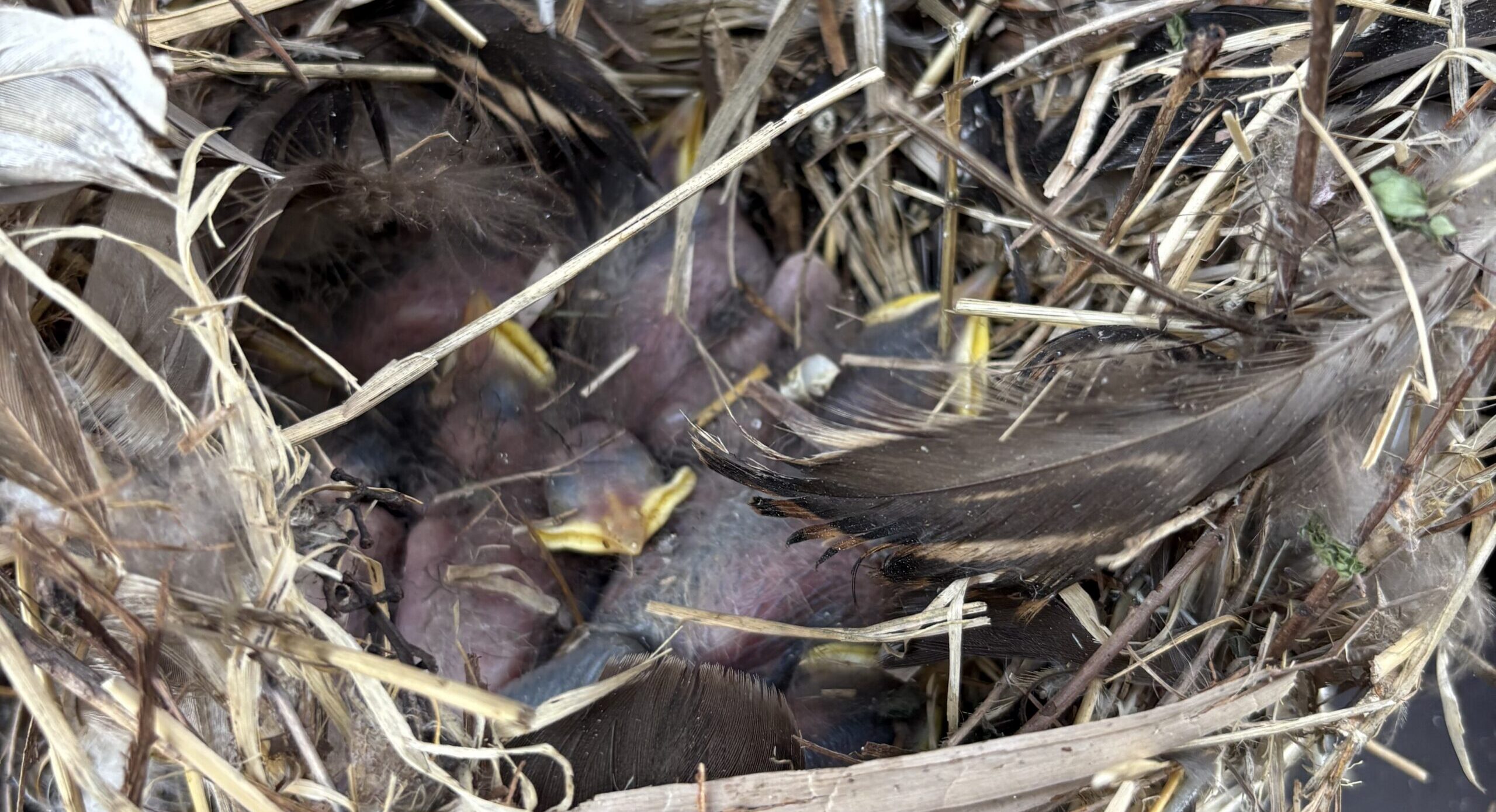
The short answer? It depends on the species. Some birds, like eagles and storks, are loyal to their nests, returning to the same one year after year. They’ll add new material and build it up over time, creating a sturdy and often large structure. Most smaller birds, like robins and cardinals, take a different approach—they build a brand-new nest every breeding season. This practice is often due to the nest’s condition after a season, its exposure to predators, or simply their instinct to start fresh.
Understanding how and why birds reuse nests can be helpful when they begin to nest around your home. For example, you might find birds nesting inside vents, eaves, or even your attic. While it may seem harmless at first, these nests can quickly lead to bigger issues like blocked vents, damaged property, or pest infestations.
At Skedaddle Humane Wildlife Control in Toronto, we deal with these nesting problems every spring and summer. Our team has the expertise to help you safely address bird nests while keeping the birds and your home protected. In this blog, we’ll explain how these animals reuse nests, identify which species are most likely to choose your property, and provide tips on what to do if you find a nest in or around your home.
Should You Move a Bird’s Nest?
No — you should not move a bird’s nest on your own. In Canada, most wild birds and their nests are protected under the federal Migratory Birds Convention Act. Moving or removing an active nest can be illegal and may cause the birds to abandon their eggs or young.
If a nest is built inside your home — in a dryer vent, attic, or wall cavity — it’s important to contact a professional right away. Our team at Skedaddle can assess the situation and handle it safely, without putting you or the birds at risk.
We understand that finding a bird’s nest in your home can be alarming, but we are here to help. Our skilled technicians have experience dealing with these animals and their nests, and we follow strict protocols to ensure the safety of both the birds and our customers.
How Birds Reuse Old Nests Each Year
Not every bird builds from scratch each spring. Many species have developed smart, energy-saving ways to reuse or renovate existing nests. Here’s a look at the most common methods:
Renovation and Expansion
Some large birds return to the same nest year after year. Instead of building a new one, they add fresh sticks, grass, and lining on top of the old nest. Over time, the nest becomes bigger and stronger.
Bald eagles and white storks are well known for this habit. Each season they repair and expand the same nest. This saves time and protects a nesting spot they already trust.
Some of these nests become extremely large. One bald eagle nest in Ohio was used for more than 30 years and weighed over two tonnes. The location was so valuable that the birds kept adding to it instead of starting over.
Layering Over Old Structures
Some birds do not remove the old nest at all. Instead, they simply build a new layer over it. This method is fast and requires less work.
Eastern Phoebes are a good example of this behaviour. They often nest on sheltered ledges, porch lights, or under roof eaves. When they return, they place fresh materials over the old nest.
This helps them reuse a safe location. Good nesting spots are not always easy to find. By layering over the old structure, they can quickly prepare for a new brood.
Cleaning and Relining
Some birds return to the same nesting spot each year. Before raising new young, they prepare the nest for another season. This often means clearing debris or adding fresh lining. How do birds refresh old nests?
- House Wrens Remove Old Debris: House wrens often clean out old nests before starting again. They carry away old twigs, feathers, and other materials. Once the space is clear, they bring in fresh nesting material.
- Bluebirds and Swallows Return to Nest Boxes: Bluebirds and swallows often reuse tree cavities or nest boxes. These enclosed spaces are safe and familiar. Many pairs will return to the same box for another brood.
- Some Birds Add Fresh Lining Instead: Not all birds remove old nesting material. Some simply place a fresh layer on top of the old nest. This saves time and still provides a clean space for eggs.
- Enclosed Nests Offer Better Protection: Covered nesting spots protect birds from wind and rain. They also make it harder for predators to reach the eggs. Because of this protection, birds often reuse these spaces.
Mud Repairs
Some birds build nests using mud, which makes them very strong. These nests can survive rain, wind, and winter weather. When spring arrives, the birds return to repair them. This is how swallows repair mud nests:
- Mud Nests Last Through Winter: Barn swallows and cliff swallows build nests from mud and grass. This makes the nests sturdy enough to last for many months. When birds return in spring, the nest is often still in place.
- Swallows Patch the Nest Each Spring: When swallows return, they inspect the old nest carefully. If they find cracks or damage, they add fresh mud. This repair work strengthens the nest for the new season.
- Some Repairs Take Several Days: Cliff swallows may spend up to a week fixing their nests. They gather mud from nearby puddles and fields. Bit by bit, they rebuild the nest until it is safe again.
- Mud Nests Are Common on Buildings: Mud nests are often found on buildings, barns, and bridges. They are usually tucked under ledges where rain cannot wash them away. Many homes and structures in the Toronto area provide these sheltered spots.
When Nests Are Not Reused
Many small songbirds do not reuse old nests. Species like robins, catbirds, and cardinals usually build a new nest every year. This helps protect their young.
Old nests can collect parasites such as mites and lice. These pests can harm new hatchlings. Building a fresh nest helps reduce this risk.
A new nest also makes it harder for predators to find the eggs. Predators may remember old nest locations. Starting fresh gives the birds a better chance of success.
Why Location Matters So Much
Birds often return to the same nesting spot because it worked before. A safe location makes raising young much easier. Once birds find a good place, they remember it. But what makes a nesting spot ideal?
- Protection from Rain and Wind: Sheltered spaces keep eggs and chicks dry. Covered areas like eaves and ledges block strong wind. This protection helps young birds survive.
- Safety from Predators: Hidden nesting spots make it harder for predators to reach the nest. Birds often choose places high above the ground. Small openings also make it harder for larger animals to enter.
- Warm, Safe Space for Raising Young: Nests placed near buildings often stay warmer than open areas. Walls and roofs block cold air and rain. This creates a safe place for birds to raise their chicks.
- Why Birds Return to Homes: Roof vents, soffits, and eaves can look like perfect nesting spots. They offer shelter and protection in busy neighbourhoods. Once birds find a good location, they may return year after year.
Bird Nesting in Toronto
Toronto’s warm springs and busy urban environment make it a great place for birds to nest. Many species live close to homes and buildings. Sparrows, starlings, pigeons, and swallows are common in the city.
These birds often look for sheltered spots on houses. Roof vents, chimneys, attic spaces, and gaps along roof edges are popular nesting areas. These spaces provide protection from wind and rain.
Nesting inside a structure can cause problems. Materials can block vents and damage insulation. Droppings and debris can also create health and fire risks if they build up.
Keeping Birds Out — How Skedaddle Can Help
Bird nests around your home can cause more than just noise. They can block vents, damage structures, and attract parasites like mites. Droppings can also create unsanitary conditions around your home.
Trying to remove a nest yourself can create new problems. Some birds are protected during nesting season, and disturbing them may be illegal. Handling nests or debris can also expose you to harmful bacteria.
Our team at Skedaddle Humane Wildlife Control uses safe and humane methods to solve the problem. We locate entry points, remove nesting materials, and install barriers to keep birds out. These long-term solutions help protect your home and prevent future nesting.
Frequently Asked Questions
Do robins reuse their nests?
Robins typically build a new nest for each brood. However, they may occasionally return to a previous location and build a new nest on top of the old one if the spot was particularly good.
How long do birds stay in their nests?
Most birds only use their nest as a place to lay eggs and raise young until they fledge. Once the young birds leave, the nest is usually abandoned.
Is it safe to leave an old nest on my property?
Outdoor nests in trees or bushes generally don't need to be removed. Nests inside vents, attics, or wall cavities are a different story — these should be handled by a professional.
How do I know if birds are nesting in my home?
Common signs include chirping sounds coming from walls or ceilings, nesting material near vents or eaves, droppings around entry points, and visible activity near a specific area of your home.
Can bird droppings cause health problems?
Yes. Bird droppings can carry bacteria, fungi, and parasites that pose a health risk to people. This is one reason why professional cleanup is recommended after an infestation.
What should I do if I find a nest with eggs inside my home?
Do not touch or move it. Contact a wildlife control professional right away. Our team at Skedaddle can assess the situation and advise on the safest course of action.
Get the Right Help Before Nesting Season
Birds may seem harmless, but when they make their way into your home, they can create a lot of trouble. From noisy disturbances to damage caused by their nesting, they can quickly turn into a big problem. That’s why it’s so important to act early and take the right steps to protect your property before nesting season starts. If birds have already found a way into your home once, they are very likely to try again — and this time, it could get worse.
At Skedaddle Humane Wildlife Control in Toronto, we have over 30 years of experience helping homeowners solve bird and wildlife problems. We take pride in providing reliable and humane solutions, using our deep understanding of bird behavior to find and seal off entry points, ensuring the problem is solved for good. Our team works hard to keep your home safe and free of wildlife in a way that respects nature.
Don’t wait until the problem gets out of hand. Request an estimate from Skedaddle today and trust us to handle the issue. We’re here to help you enjoy a secure and wildlife-free home, offering peace of mind when you need it most.

 Loading...







