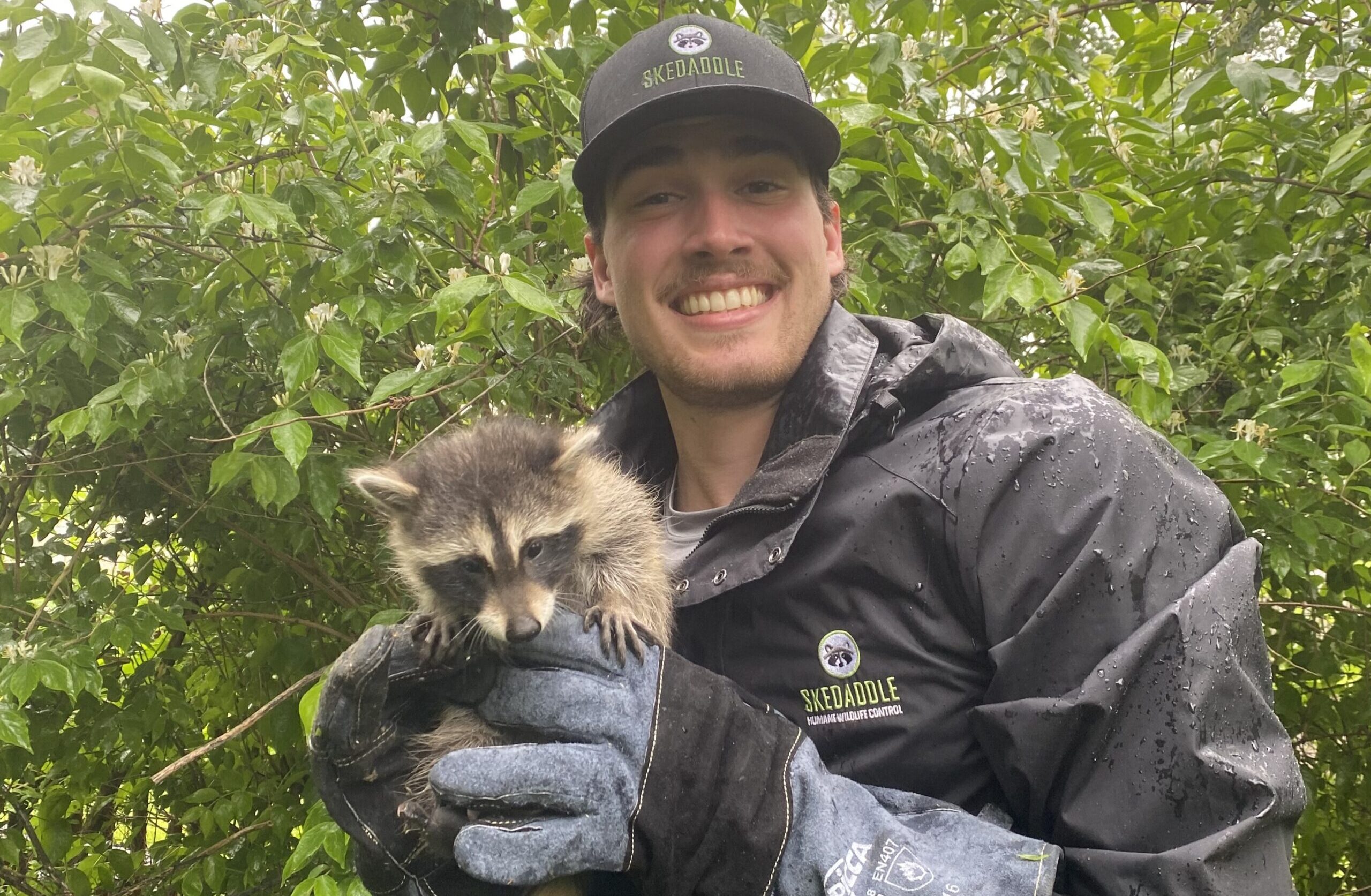
The animals you see in your backyard are like a report card for the local environment. Wildlife activity acts as a real-time monitor of nature, telling us about the quality of the air, water, and soil around us. These urban wildlife indicators reveal how well we are balancing city life with the natural world. If you see a wide variety of birds and insects, it usually means your area has healthy green spaces and clean water. However, if you mostly see animals that love garbage, like rats or raccoons, it might mean there is too much human waste or not enough natural habitat.
At Skedaddle Humane Wildlife Control in Clintonville, we see these signs every day. Understanding what wildlife presence means can help you appreciate your local ecosystem, but it also alerts you to potential problems. When animals lose their natural homes, they often try to move into yours. This connects wildlife and neighborhood health directly to the safety of your own house. You can learn a lot by simply watching what is happening outside your window. By paying attention to these animal patterns, you can better understand the health of your community and know when it is time to call for professional help to keep your home safe.
In this blog, we will explore practical steps you can take to monitor wildlife activity, protect your home, and foster a harmonious relationship with the natural environment around you.
Why is Wildlife Important for a Healthy Environment?
Wildlife is important because every animal has a specific job that keeps nature working correctly. Animals help plants grow by moving seeds around and pollinating flowers. Predators, like hawks and foxes, eat smaller animals like mice, which keeps those populations from getting too big and taking over. When you have a good mix of different animals, it creates a balance.
This balance prevents diseases from spreading too fast and ensures that forests and parks stay healthy. If one part of this system goes missing, it can cause problems for the whole neighbourhood. For example, without enough bats to eat insects, you might notice a lot more mosquitoes in your yard. A healthy environment with many different animals makes our communities cleaner and more pleasant places to live.
Indicators of a Healthy Ecosystem
When you look outside and see many different types of animals, it is usually a very good sign. A healthy ecosystem has high biodiversity. This just means there are many different kinds of plants and animals living together. When nature is balanced, sensitive animals can survive, and the food chain works the way it is supposed to.
Here are some signs that your neighbourhood has a healthy ecosystem:
- Sensitive Species: If you see frogs, salamanders, or specific types of birds, it is a great sign. These animals are very sensitive to pollution. If they are living near you, it means the water and air are likely clean.
- Active Pollinators: Seeing lots of bees and butterflies is wonderful. It suggests there are plenty of flowers and native plants nearby. These insects are essential for helping gardens and trees grow.
- Birdsong and Variety: A neighbourhood full of different bird songs is a healthy one. When there are many types of birds, it means there are enough trees and bugs for them to eat.
- Top Predators: Seeing a hawk, owl, or fox might seem scary, but it is actually good. These predators only live where there is enough food, like mice or rabbits. They help keep the number of rodents down naturally.
Indicators of Urbanization and Changes
Sometimes, the animals we see tell us that the environment has changed a lot because of humans. As cities and suburbs grow, natural spaces get smaller. This forces animals to adapt. Some animals are very good at living near people, while others struggle. When we change the landscape with roads and houses, we create new opportunities for animals that are smart enough to use our resources.
Here is what it means when you see certain “city-smart” animals:
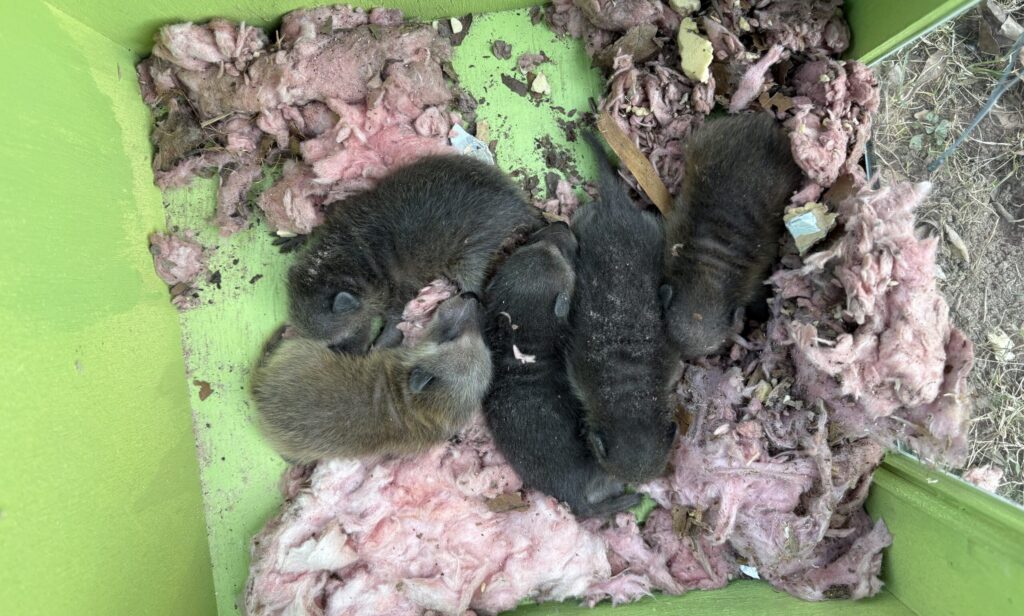
- Human Associates: Animals like raccoons, skunks, and rats are called “exploiters.” If you see a lot of them, it often indicates they are finding easy food. This usually comes from garbage cans, pet food left outside, or garden waste.
- Less Birdsong: If you stop hearing songbirds, it might mean there is too much noise or light pollution. It can also mean there are not enough native trees for them to nest in.
- Nuisance Activity: When animals act aggressively or are not afraid of people, it signals a disruption. It means they have gotten too used to humans and are relying on your home or yard for survival instead of the wild.
Indicators of Environmental Stress
when the environment is under stress. Animals often show signs of trouble before people notice anything is wrong. Pollution, overcrowding, and lost green space can all upset the balance of nature. When this happens, certain animal patterns act like a warning sign for the community.
One sign to watch for is low diversity. If you only see one or two types of animals, such as large groups of pigeons or rats, that is not a good sign. A healthy area should have many different species living together. When just one type takes over, it often means the environment is struggling.
You should also notice if animals look sick or out of place. Missing fur, weak movement, or unusual daytime behavior can signal disease caused by overcrowding. Seeing animals like turtles or other wildlife crossing busy roads may mean their natural homes were destroyed. These changes remind us that the health of wildlife reflects the health of our neighbourhood.
Wildlife as a Bridge to Human Health
It is interesting to note that the health of local wildlife is often connected to how humans feel. Wildlife and neighborhood health go hand in hand. Studies have shown that people who live in areas with more nature and wildlife are generally happier and healthier. It is not just about the animals; it is about the green spaces they live in.
When we take care of our neighbourhoods to help wildlife, we help ourselves too:
- Mental Health Boosts: Hearing birds sing and seeing nature out your window can lower stress. People who live near active wildlife often report feeling less depressed and more relaxed.
- Connection to Nature: Seeing butterflies or squirrels daily helps people feel connected to the earth. This makes residents more likely to care about the environment and support conservation.
- Cleaner Air and Water: The same green spaces that support foxes and birds also give us cleaner air to breathe and cooler temperatures in the summer.
How We Handle Wildlife Intrusions
While it is nice to know that wildlife means a healthy ecosystem, you still do not want them living in your attic. At Skedaddle Humane Wildlife Control in Clintonville, we understand that you need to protect your home. We focus on keeping animals out without hurting them. We never use traps to relocate animals because it is stressful for them and often doesn’t work long-term.
Instead, we use a process that solves the problem for good. First, we inspect your home to find exactly where they are getting in. Then, we install specialized one-way doors. These clever devices allow the animals to leave your house to find food, but they cannot get back in. Once they are gone, we seal up the entry points with animal-proof materials. This keeps your home safe and lets the animals go back to their role in the local environment.
After the entry points are sealed, we clean and sanitize the affected areas. Wildlife can leave behind droppings, nesting material, and strong odors. Removing these helps protect your health and prevents other animals from being attracted to the same spot. Our goal is to leave your home secure, clean, and protected for the future.

Frequently Asked Questions
Why do animals try to get into my house?
Animals enter homes to find shelter, warmth, and a safe place to have babies. Your attic or walls act like a hollow tree to them, offering protection from the weather and predators.
Is it safe to clean up animal droppings myself?
No, you should avoid touching or cleaning droppings. Wildlife waste can carry dangerous diseases and bacteria that are harmful to humans. It requires professional equipment to clean it safely.
Will the animals go away on their own?
Usually, no. Once an animal finds a safe, warm home with food nearby, they will stay. They will often invite their families and have babies there, making the problem worse over time.
Does trapping work to solve the problem?
Trapping is a temporary fix that rarely works long-term. When you remove one animal, another usually moves in to take its place. It is better to block them out so no animals can enter.
How can I tell if animals are in my attic?
You might hear scratching, thumping, or vocal noises at night or early in the morning. You might also see damage to your roof vents or notice a bad smell coming from the ceiling.
Protect Your Home and the Ecosystem
Understanding urban wildlife indicators helps us see the bigger picture of our environment. The animals around us tell a story about the health of our water, trees, and air. A diverse range of species is a great sign for wildlife and neighborhood health, but it also means homeowners need to be vigilant. From raccoons nesting in attics to squirrels finding their way into chimneys, these encounters highlight the proximity of nature to our living spaces. We want nature to thrive, just not inside our walls.
If you suspect that the local wildlife has moved into your home, do not wait. Skedaddle Humane Wildlife Control in Clintonville is here to help you establish safe boundaries. Our experienced team can assess your property, identify vulnerabilities, and use humane methods to remove intruders while ensuring they don’t return.
With a commitment to protecting both your home and the animals, we provide reliable, effective solutions that you can trust. Contact us today to request an estimate and ensure your home remains a people-only zone.

 Loading...







