
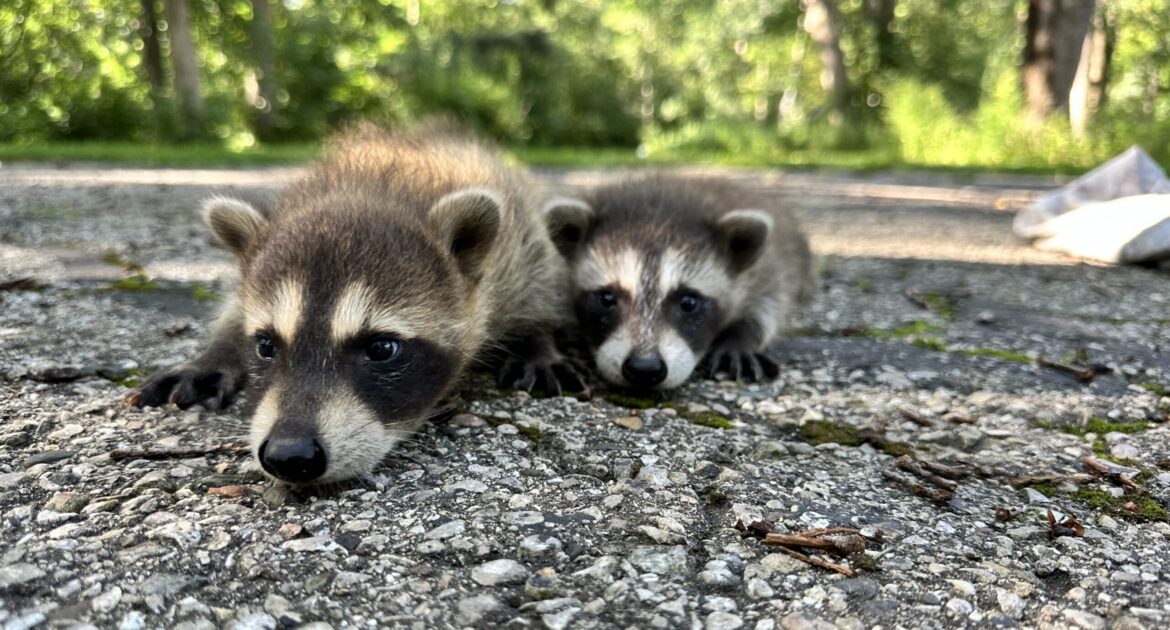
As the weather starts to warm up, you might be thinking about spring cleaning, gardening, or finally opening up the windows. But while you are getting ready for the new season, raccoons are busy doing the exact same thing. Spring is the busiest time of year for these animals because they are looking for a safe, warm place to have their babies. Unfortunately, your attic or chimney might look like the perfect nursery to them.
Raccoon prevention in the spring is essential if you want to avoid waking up to thumping noises in your ceiling. Once a mother raccoon moves in, it can be very difficult to get her out, especially if she has babies tucked away. Protecting your home now is much easier than dealing with a family of wild animals later.
In this blog, we will explain why raccoons want to get inside during the spring and list simple steps you can take to stop them. We will also cover how our team at Skedaddle Humane Wildlife Control in Milwaukee can help you keep your home safe and animal-free this season.
How Do You Protect Your Home From Raccoons?
The most effective way to protect your home is to make it hard for raccoons to find food or shelter on your property. Raccoons are very smart and have strong paws that can open latches or tear through weak materials. To keep them out, you need to remove the things that attract them and strengthen the outside of your house.
Start by looking at your home from an animal’s point of view. Is there an easy way to climb onto the roof? Is there garbage left out that smells like a free meal? By fixing these small issues, you can stop raccoons from ever taking an interest in your house. The goal is to make your property boring and difficult for them to access so they move on to somewhere else.
Why Do Raccoons Enter Homes in the Spring?
Spring is known as “baby season” for wildlife. During this time, mother raccoons are desperate to find a safe, warm, and dark place to give birth and raise their young. In nature, they would look for hollow trees. However, in cities and suburbs, your home offers even better protection from predators and bad weather.
Common areas raccoons target include:
- Attics: Attics are warm, dry, and usually quiet. This makes them feel safe from rain, snow, and predators. The soft insulation also makes great bedding for building a nest, especially in the spring when mothers are raising babies.
- Chimneys: Chimneys look like hollow trees to a raccoon. In the wild, raccoons often nest inside tree cavities, so a chimney feels natural to them. It is tall, enclosed, and protected from danger, which makes it a favorite spot for raising young.
- Under Decks or Sheds: The space under a deck or shed gives raccoons easy shelter at ground level. They can dig a small hole and create a den without much effort. These areas are dark and hidden, which helps them feel secure and out of sight.
Because mother raccoons are so determined to protect their babies, they will work very hard to get inside. They can rip off shingles, chew through wood, and squeeze through surprisingly small holes. This is why knowing how to keep raccoons out of your house before they get in is so important.
Secure Your Garbage and Food Sources
One of the main reasons raccoons visit your yard is food. If they find an easy meal, they will return again and again. Over time, they may even try to nest nearby. Taking away food sources is one of the best ways to keep them away.
Make sure your garbage bins have tight, locking lids. If possible, store them in your garage until the morning of pickup. Never leave pet food outside overnight, and pick up bowls right after your pets finish eating.
Bird feeders can also attract raccoons because they love birdseed. Use wildlife-proof feeders or bring them inside at night. Do not forget to clean your barbecue grill, too. The smell of grease can travel far and pull animals into your yard.
Seal Entry Points on Your Roof
Your roof is the most common entry point for raccoons. They are excellent climbers and can use tree branches or downspouts to get up high. Once on the roof, they look for weak spots to break in.
Inspect these areas to prevent raccoons from nesting:
- Roof Vents: Plastic roof vents are very easy for raccoons to rip off. We recommend protecting them with heavy-duty metal screening that animals cannot chew through.
- Chimneys: An open chimney is an open door for wildlife. Installing a steel chimney cap will let smoke out but keep animals out.
- Soffits and Fascia: Check for any loose or rotting wood along the edge of your roof. Raccoons can push up on lightweight aluminum soffits to slip inside your attic.
- Shingles: Look for any torn or missing shingles, as raccoons can tear through the underlying wood to make a hole.
Remove Climbing Access
Raccoons are excellent climbers. If they can reach your roof, they will look for a way inside. That is why it is important to remove easy climbing paths around your home. The harder you make it for them to climb, the safer your house will be.
Start by trimming tree branches that hang over your roof. Raccoons can easily jump from a branch onto your shingles. You should also keep vines and trellis plants cut back. Thick vines growing up your house can act like a ladder for wildlife.
Do not forget about your downspouts. Raccoons often use them to climb straight up to the roof. You can add smooth guards around the bottom to make them too slippery to grip. Small changes like these can make a big difference in keeping raccoons away.
Protect the Space Under Your Deck
While many raccoons want to go up to the attic, others prefer to stay low to the ground. The space underneath a deck, shed, or porch is a perfect den for a mother raccoon. It is dark, protected, and usually has dirt for digging.
To secure these areas:
- Inspect the Perimeter: Walk around your deck or shed and look for holes dug in the dirt or gaps in the lattice.
- Install a Trench Screen: This involves digging a trench around the structure and installing heavy-gauge wire mesh (hardware cloth) that goes down into the ground and bends outward. This stops raccoons from digging underneath the barrier.
- Close Gaps: Make sure any lattice or skirting is securely fastened to the structure so it cannot be pried open.
Raccoon Prevention in the Spring
Raccoons are smart and determined, but you can make your home less inviting. Removing food sources, sealing small gaps, and trimming back tree branches all help reduce the risk. Still, even careful homeowners can end up with unwanted attic guests.
That is what happened to Christopher. He started hearing strange noises in his bedroom ceiling. Another company told him it was likely mice or squirrels. But after living in his wooded home for over fifty years, he knew those sounds were different. The scratching and movement did not match what he had heard before.
When Skedaddle arrived, the team inspected the roof and listened carefully to the recording Christopher had made. Using infrared technology, they found the real problem: a mother raccoon and three babies hidden inside. The raccoons had entered through a detached garage connected by a crawlspace — a clever and hidden path.
Skedaddle carefully removed the babies by hand and placed them in a safe, heated reunion box outside. They sealed all entry points and installed a one-way door so the mother could leave, collect her babies, and move them to another den nearby.
The result? Christopher finally slept through the night, his home was secure, and the raccoon family stayed together safely in the wild.

Keep Your Home Raccoon-Free Spring!
Don’t let unwanted guests ruin your spring. Raccoon prevention in the spring is the best way to protect your biggest investment—your home. By taking the steps to learn how to keep raccoons out of your house, you can relax knowing your attic and chimney are secure.
If you suspect raccoons have already moved in, or if you want to prevent raccoons from nesting in the future, we are here to help.
Contact Skedaddle Humane Wildlife Control in Milwaukee today to request an estimate and protect your home.
Frequently Asked Questions
Are raccoons more active in the spring?
Yes, raccoons are much more active in the spring because it is baby season. Female raccoons search for safe, warm places to give birth, which often leads them into attics, chimneys, and under decks. You may notice more noise, movement, or damage during this time.
How small of a hole can a raccoon fit through?
A raccoon can squeeze through a hole as small as 4 inches wide. They are very flexible and strong. If a gap is slightly too small, they can often tear or chew materials to make it bigger.
What time of year do raccoons have babies?
Raccoons usually have babies between March and June. This is why spring is the most common time for raccoon infestations. Mothers look for quiet, protected spaces to raise their young.
Can raccoons damage a new roof?
Yes, raccoons can damage new roofs. They can rip off shingles, tear through vents, and pry open weak soffits. Even newer homes can have small gaps that raccoons will exploit.
Will raccoons leave on their own?
In most cases, no. Once a raccoon finds a safe place with shelter and nearby food, it will stay. If babies are involved, the mother will work even harder to remain in that space.
Is it safe to remove raccoons yourself?
No, it is not safe to remove raccoons on your own. Raccoons can become aggressive if they feel trapped, and they may carry parasites or diseases. It is always safer to call a professional wildlife control team.

 Loading...