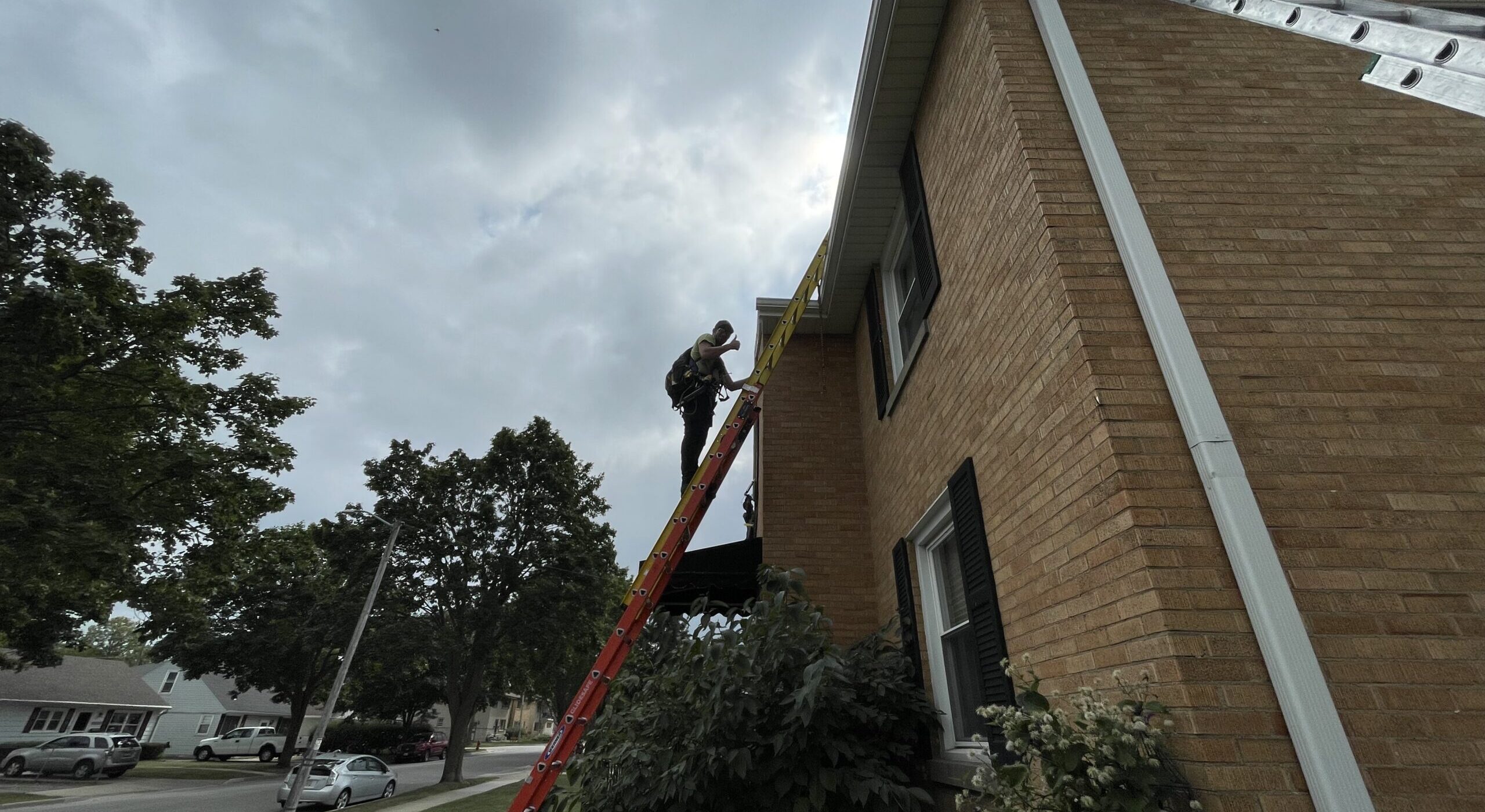
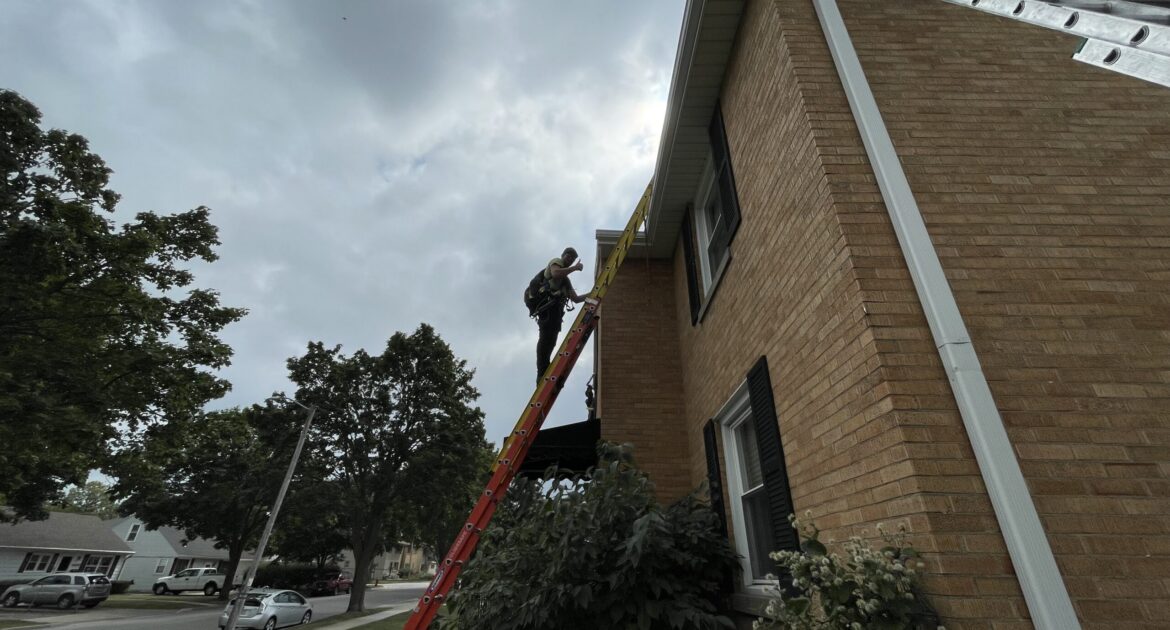
You just bought a brand-new house. The paint is fresh, the floors are spotless, and everything smells clean. You expect to be the first one living there. But sometimes, you might find that you already have roommates. It can be a shock to hear scratching in the walls or footsteps in the attic of a new build. Many people think only old, drafty houses have these issues. However, new homes often attract more wildlife than older ones.
This happens for a few key reasons. Building a new neighborhood changes the land where animals live. It also creates easy ways for them to get inside. In this article, we will explain why wildlife enters new homes and how new construction wildlife problems start. At Skedaddle Humane Wildlife Control in Milwaukee, we help you understand why this happens and what to look for.
In this blog, we will explore the common reasons wildlife is drawn to new construction, the challenges it creates for homeowners, and effective, humane solutions to address the problem.
Why Do Animals Enter New Construction Sites?
It might seem strange that animals would want to be near loud construction sites. There is so much noise from hammers, saws, and heavy trucks. You would think this would scare them away. While the noise does scare them at first, it also wakes them up.
When we build new houses, we dig up the ground. We cut down trees and clear away brush. This destroys the dens and nests where animals were already living. They do not have time to pack up and move far away. They need a safe place to sleep right away. Often, the closest safe place is the new house being built right next to where their old tree used to be. Your new attic or crawlspace looks like a perfect, warm cave to them.
The Disruption of Natural Habitats
The biggest reason animals in new houses become an issue is habitat loss. Before your street was built, that land belonged to nature. It might have been a forest, a field, or just an empty lot with tall grass. Animals like raccoons, squirrels, and skunks had homes there.
When construction starts, bulldozers clear everything away. This forces the animals to find new homes very quickly. They are confused and scared. They look for the nearest shelter they can find.
Here is why habitat disruption leads them to your home:
- Loss of Trees: Squirrels and birds lose their nesting spots when trees are cut down. Your roof and eaves act like new, sturdy branches for them.
- Loss of Ground Cover: Skunks and groundhogs lose the tall grass and bushes they hide in. They might dig under your new porch or deck to feel safe again.
- Confusion: Animals have excellent memories of their territory. When that territory changes, they try to stay as close as possible to what they know. This often means moving into the structure that replaced their old den.
Construction Materials Are Invite-Only Signs
You see a pile of lumber or a stack of insulation. An animal sees a free supply store for building a nest. Construction sites are full of materials that animals love to use. Even after the builders leave, scraps can stay behind in walls or attics.
Rodents and birds are always looking for soft, warm things to line their nests. Fiberglass insulation is very popular with mice and squirrels. It is fluffy and holds heat very well. If builders leave rolls of insulation accessible, animals will tear into it.
Here are some materials that attract them:
- Insulation: This is the number one choice for bedding. It is warm and easy for small animals to carry.
- Wood Scraps: Piles of wood left in the yard are great hiding spots for chipmunks or mice.
- Cardboard and Paper: Packaging left on the site gives animals something to shred for their nests.
New homes smell different, too. The glues, wood, and sealants used in building have strong scents. Curious animals, like raccoons, investigate these new smells. They explore the site to see if there is any food or shelter associated with the new odors. This curiosity brings them right to your front door.
Easy Access Points During Building
Building a house takes a long time. It can take months from the time the foundation is poured until the owners move in. During this time, the house is not sealed up tight. There are many days when the house is wide open.
Walls might be up, but the roof is not finished. Windows might be installed, but the vents are not covered yet. These are open invitations for wildlife. A raccoon can climb up the framing and settle into the attic before the ceiling is even put up.
Here are common ways they get in during construction:
- Unfinished Roofs: If the soffits (the underside of the roof overhang) are not sealed right away, birds and squirrels can fly or climb right in.
- Open Vents: Plastic vent covers are often one of the last things installed. An open pipe is an easy doorway for a mouse or bird.
- Gaps in Siding: Before the final trim is put on, there can be small gaps where the siding meets the roof or foundation. Mice can squeeze through a hole the size of a dime.
- Open Garage Doors: Workers often leave doors open while they carry things in and out. Animals can sneak in and hide in the corners or walls without anyone seeing them.
Fresh Landscaping is a Food Buffet
New homes usually come with new lawns and gardens. To make the yard look nice, builders put down fresh topsoil and rolls of sod (grass). They might also plant new bushes and trees.
This fresh dirt is very easy to dig in. It is not packed down hard like older dirt. This attracts animals that like to dig for food, like skunks and raccoons. They are looking for worms, grubs, and insects that live in the soil.
Why fresh landscaping attracts them:
- Soft Soil: It takes very little effort to dig up a new lawn compared to an old one. Skunks can tear up a new lawn in one night looking for grubs.
- Watering: You have to water new grass a lot. This brings worms to the surface. It also makes the soil easy to move.
- New Plants: Young trees and bushes are tender and tasty. Rabbits and deer love to eat the fresh leaves and bark of new landscaping.
The “Quiet” Phases of Construction
Construction sites are loud during the day, but they are very quiet at night. Workers go home in the late afternoon. On weekends, the site might be empty for two whole days.
During these quiet times, animals feel safe exploring. There are no dogs barking to scare them. There are no TVs playing or people walking around. It is a large, empty shelter.
In the winter, builders might leave temporary heaters turned on inside to help the paint or drywall dry. This warmth leaks out of the unfinished house. A cold raccoon walking by will feel that heat. They will follow the warmth to find a way inside. Once they find that cozy, warm spot, they do not want to leave.
By the time you move in and start making noise, the animals have already claimed the space as their territory. They are used to the house being theirs.
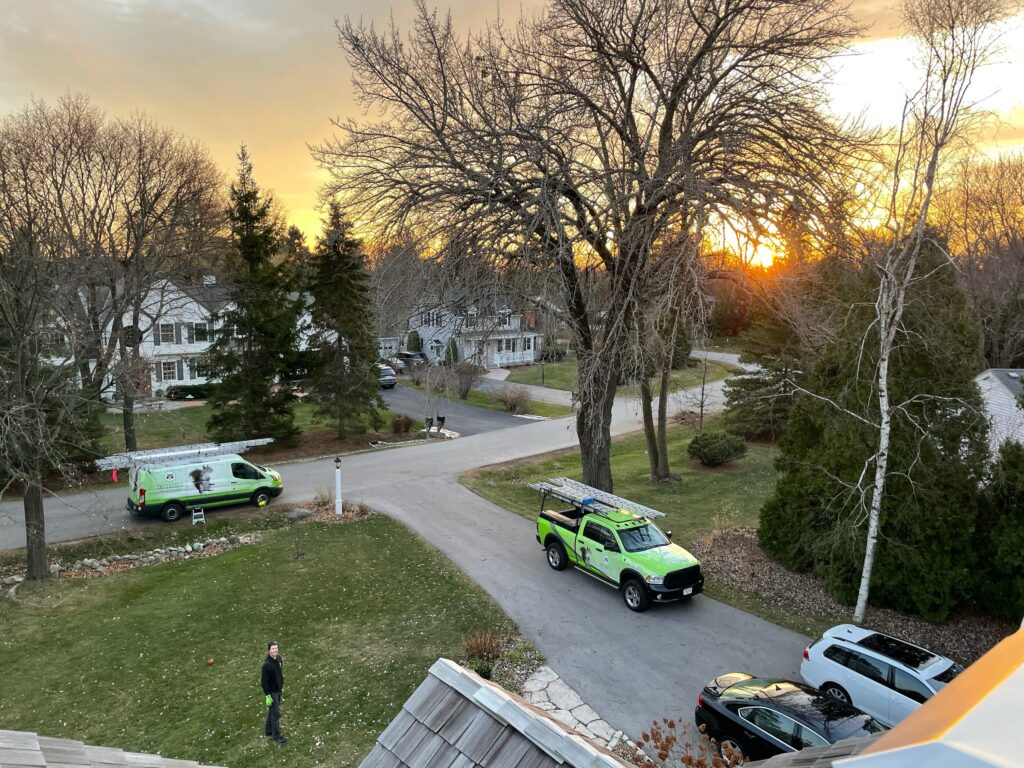
Common Questions About Wildlife in New Builds
You might still have questions about new construction wildlife problems. Here are some things we hear often from homeowners.
Do animals chew on new houses?
Yes, they do. Squirrels and mice have teeth that never stop growing. They have to chew on things to keep their teeth filed down. New wood framing and plastic pipes are perfect for this. They can cause damage to wires and plumbing inside the walls.
Can they climb on new siding?
Yes. Vinyl and aluminum siding can be slippery, but raccoons and squirrels are very good climbers. They can use downspouts (drain pipes) to climb up to the roof. If there are brick or stone accents, those are like ladders for animals.
Will they leave on their own?
Usually, no. Once an animal has a safe, warm home with food nearby, they will want to stay. They will raise their babies there. Ignoring the problem will usually make it worse over time.
Is it my builder's fault?
Not necessarily. Builders follow codes for human safety and weather protection. They are not always trained in wildlife prevention. A small gap that passes a building inspection might still be big enough for a mouse. Also, builders cannot control the habitat loss happening around the site.
How We Help With One-Way Doors
If you hear noises in your new home, you need to act fast. But you should not try to handle it yourself. Animals can be dangerous when they feel cornered. They can also carry diseases.
At Skedaddle Humane Wildlife Control, we use a special method to get animals out. We do not use traps that can hurt them. We use something called a one-way door.
We find the spot where the animal is getting in and out. We place the one-way door over that hole. This door allows the animal to walk out of your house to go find food. But when they try to come back in, the door will not open. They are locked out, but they are not hurt.
This allows the animal to move on to a new home naturally. We also seal up any other weak spots on your home so they cannot find a new way in. This protects your new investment without harming the wildlife.
Protect Your New Investment
Buying a new home is exciting. You want to enjoy it without worrying about animals in new houses. It is important to know that even the newest, cleanest home can have wildlife issues. The combination of digging up the land, easy access during building, and fresh landscaping makes new homes a target.
If you suspect you have unwanted guests, do not wait. The longer they stay, the more damage they can do to your insulation and wires. You need a professional team to check your home.
We can inspect your property from top to bottom. We know exactly where to look for the signs of why wildlife enters new homes. We can help you keep your home safe and animal-free.
Contact Skedaddle Humane Wildlife Control in Milwaukee today to request an estimate. Let us handle the hard work so you can relax in your beautiful new home.

 Loading...







