It usually starts with a noise scratching in the attic, movement in the walls, or something shifting overhead late at night. For many homeowners, the first instinct is to handle the problem themselves. After all, how hard could it be to remove a raccoon or squirrel, seal the entry point, and move on?
The reality is far more complicated. Wildlife removal isn’t just about getting an animal out—it involves safety risks, legal considerations, and the potential for much bigger problems if done incorrectly. Understanding these risks is essential before attempting any DIY solution. At Skedaddle Humane Wildlife Control in Mississauga, we’ve seen firsthand how quickly a simple situation can escalate without the right approach.
Why DIY Wildlife Removal Is So Tempting
It’s easy to see why homeowners consider removing wildlife themselves. The idea of saving money, avoiding wait times, and fixing the issue quickly can be appealing. A quick online search brings up countless tutorials that make it seem straightforward—set a trap, block an entry point, and you’re done.
But these guides often leave out critical details.
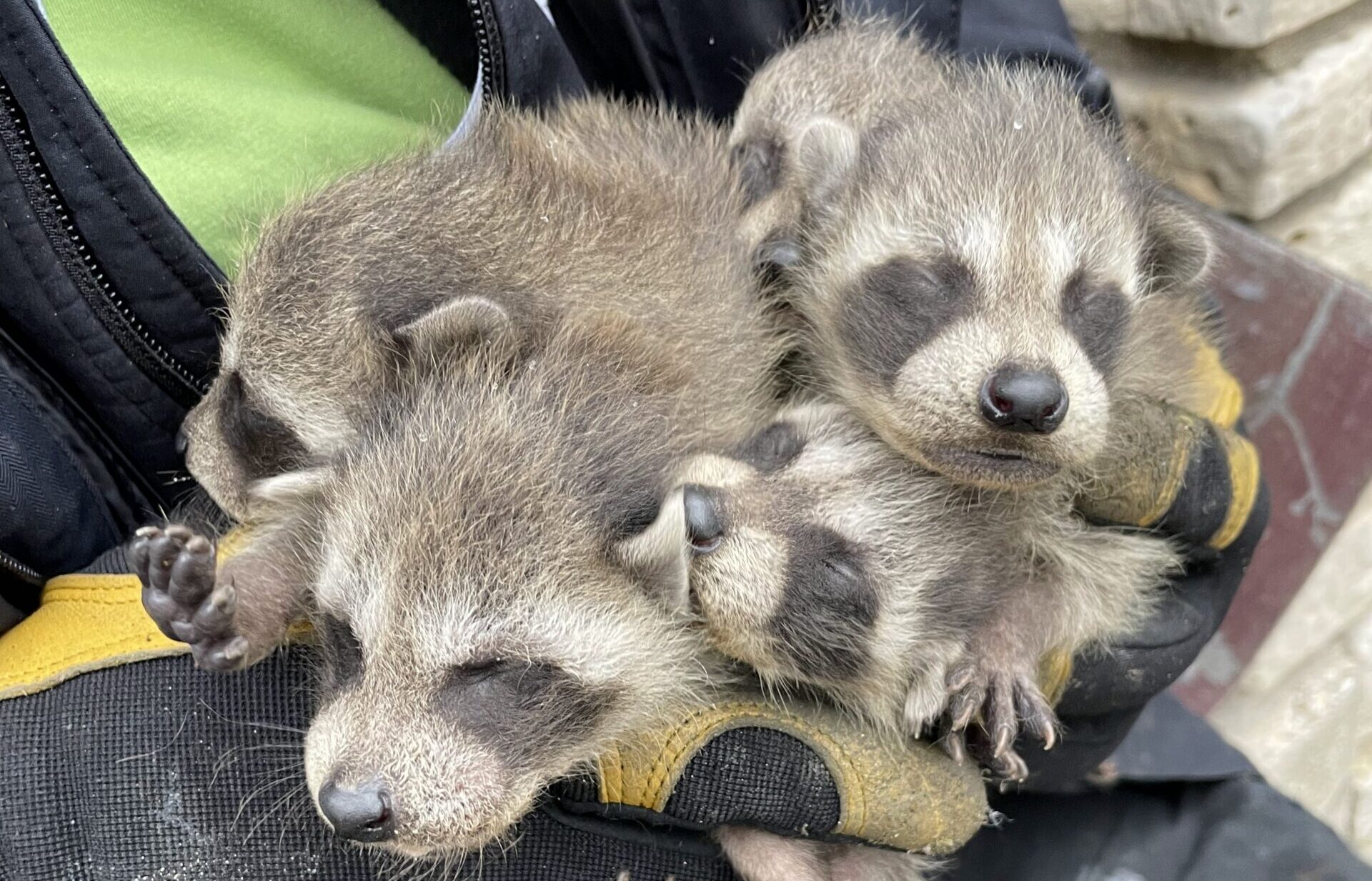
For example, a homeowner might hear noises in the attic and assume it’s a single animal. They set a trap, remove what they catch, and seal the hole, only to discover days later that there were babies left behind. Now, instead of a simple fix, they’re dealing with odours, damage, and a much more complex problem.
DIY wildlife removal often seems simple on the surface, but it rarely accounts for what’s happening behind the scenes.
What Animal Is Most Likely in My Attic?
The most common animals found in attics are raccoons, squirrels, mice, and bats. Raccoons and squirrels are especially active in spring when seeking nesting spaces, while rodents can be present year-round. Identifying the species correctly is essential, as each requires a different and often professional removal approach.
The Real Risks of Removing Wildlife Yourself
Physical Injury Risks
Wild animals are unpredictable, especially when they feel threatened. Even small animals can become aggressive if cornered. Raccoons, for example, are strong and highly defensive, particularly mothers protecting their young.
Attempting to handle or trap wildlife without proper training can result in bites or scratches, which may require medical attention. What seems like a manageable situation can quickly turn dangerous.
Health Hazards
Wildlife doesn’t just bring noise—they bring contamination.
Animals living in attics or walls leave behind droppings, urine, and nesting materials that can carry bacteria and parasites. These contaminants can affect indoor air quality and pose risks to your family.
Some of the most common concerns include:
- Rabies from bites or scratches
- Parasites such as fleas, ticks, and roundworms
- Airborne particles from dried droppings
Disturbing these materials without proper protection can expose you to serious health risks.
Property Damage
One of the biggest misconceptions about DIY removal is that it solves the problem permanently. In reality, it often makes things worse.
If an entry point is sealed while animals are still inside, they may panic and create new openings, chewing through wood, soffits, or even drywall to escape. This can lead to more extensive and costly damage than the original issue.
Legal & Ethical Concerns
Wildlife removal isn’t just about getting animals out; it must be done responsibly and humanely.
Many species are protected under local or regional regulations, especially during breeding seasons. Removing or relocating animals improperly can lead to unintended harm, particularly if young are left behind.
Separating a mother from her babies is one of the most common and serious mistakes in DIY wildlife removal.
Real-Life Scenarios: When DIY Goes Wrong
Before attempting to handle wildlife on your own, it’s important to understand how quickly things can go wrong, even with the best intentions. What may seem like a simple fix can escalate into a more serious and costly situation when key details are overlooked. The following real-life scenarios highlight common mistakes homeowners make when trying DIY wildlife removal, and how those situations can unfold in unexpected ways.
Scenario 1: The Trapped Raccoon
A homeowner sets a trap and successfully removes a raccoon from their attic. Problem solved until a few days later, when a strong odour developed. The raccoon had babies hidden in the insulation, now left behind.
Scenario 2: The Sealed Entry Point
After spotting a squirrel entering the roofline, a homeowner seals the hole. The squirrel, still inside, chews through another section of the roof to escape, creating even more damage.
Scenario 3: The Unexpected Encounter
While trying to remove what they believed was a small animal, a homeowner came face-to-face with a frightened raccoon. The situation quickly becomes dangerous, resulting in a close call and an emergency call for help.
When DIY Might Seem Safe (But Isn’t)
There are many situations where wildlife activity can appear minor or manageable at first glance. A faint scratching sound in the ceiling, a single animal spotted near the roofline, or a small gap along the edge of a building can give the impression that the issue is simple and contained. For homeowners and business owners, it can feel like something that can be handled quickly without outside help.
For example, you might notice a squirrel entering the same spot on your roof each morning and assume there is only one animal involved. In reality, squirrels often nest in groups, especially during breeding seasons. What seems like a single animal could actually be a mother with a litter hidden deeper in the attic. Blocking that one visible entry point without thoroughly checking can trap animals inside and lead to new damage as they try to escape.
Here are a few common situations that seem low risk but often are not:
- Single animal sightings
Seeing one raccoon or squirrel does not mean it is alone. Many species nest in groups or return repeatedly to the same safe space. - Small entry points
A gap that looks too small to matter can still allow animals to squeeze through or be expanded with chewing and clawing. - Occasional noises
Intermittent sounds in walls or ceilings may suggest limited activity, but they often indicate animals moving between nesting and feeding areas. - Minor signs in commercial spaces
Droppings in storage areas or behind equipment may point to a growing rodent issue that can quickly affect sanitation and inventory. - Outdoor wildlife activity
Animals regularly visiting dumpsters, vents, or rooflines are often testing access points and becoming comfortable near the building.
Even outdoor situations can be misleading. A bird nesting in a vent or a raccoon visiting a dumpster may not seem urgent, but these behaviours often signal that wildlife is becoming established nearby. Over time, this increases the likelihood of animals finding their way inside. What appears to be a small and manageable issue is often an early warning sign of a much larger problem.
Why Professional Wildlife Removal Is Safer
Professional wildlife removal provides a level of safety, precision, and long-term effectiveness that DIY methods cannot match. At Skedaddle Humane Wildlife Control, the goal is not just to remove animals but to fully resolve the issue in a way that protects your property and prevents it from happening again.
The process begins with a detailed inspection of the entire structure. Skedaddle technicians look beyond the obvious entry point and assess all potential access areas, including:
- Rooflines and shingles
- Soffits, fascia, and vents
- Chimneys and exhaust openings
- Foundations and structural gaps
This thorough approach ensures that no hidden entry points are missed, which is one of the most common reasons DIY efforts fail.
A key advantage of working with Skedaddle is its humane removal methods. Instead of using traps that can separate families or create stress, they focus on safe and ethical solutions:
- Animals are encouraged to leave on their own using one-way doors
- Babies are carefully located and reunited with their mothers outside
- Removal is timed to align with natural wildlife behaviour
This approach protects both the animals and your home, especially during nesting seasons when young are present but not visible.
Cleanup and restoration are also critical parts of the process. Wildlife does not just leave behind noise; it leaves contamination that can affect your health and comfort. Skedaddle addresses this by:
- Removing contaminated insulation and nesting materials
- Sanitizing affected areas to reduce bacteria and odours
- Restoring attic or wall spaces to a safe condition
Finally, prevention ensures the problem does not return. Once the animals are gone, Skedaddle secures the property using durable materials and proven techniques:
- Sealing all identified entry points
- Reinforcing vulnerable areas
- Installing protective barriers where needed
Choosing professional wildlife removal is about more than convenience. It provides a complete solution that addresses the root cause, protects your property, and gives you long-term peace of mind.
DIY vs Professional Wildlife Removal
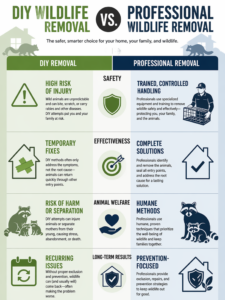
At first glance, handling a wildlife issue on your own might seem like a quicker and more affordable option. Many homeowners assume that setting a trap, sealing a hole, or using a deterrent will resolve the problem. However, wildlife behaviour is far more complex than it appears, and incomplete solutions often lead to recurring issues, added costs, and increased risk.
The comparison below highlights the key differences between DIY efforts and professional wildlife removal, but it’s important to understand the deeper context behind each situation.
| Situation | DIY Risk Level | Professional Outcome |
| Raccoon in attic | High | Safe removal + baby reunite |
| Squirrel in the walls | Medium-High | Entry sealed + prevention |
| Birds in the vent | Medium | Safe removal + vent protection |
What This Really Means for Homeowners and Businesses
A raccoon in the attic is one of the most common and high-risk scenarios. DIY attempts often involve trapping or trying to scare the animal away. What is often missed is that raccoons frequently enter homes to give birth. Removing the adult without checking for young can result in babies being left behind, leading to odours, contamination, and additional damage. Professional removal ensures the entire family is handled safely and humanely.
Squirrels in walls or attics can seem less threatening, but they are persistent and destructive. A DIY approach may focus on closing a visible hole, but squirrels can chew through wood, vents, and even roofing materials to regain access. Without identifying all entry points and reinforcing weak areas, the problem is likely to return. Professional services focus on both removal and exclusion, which stops the cycle.
Birds nesting in vents are often underestimated because they appear harmless. However, nests can block airflow, create fire hazards in dryer vents, and lead to moisture buildup. Attempting to remove nesting materials without proper handling can also spread debris and bacteria. Professionals not only remove the birds safely but also install protective covers to prevent future nesting.
Key Takeaways from the Comparison
- Risk increases with larger animals
Animals like raccoons pose greater safety and structural risks, especially when nesting is involved. - DIY often addresses symptoms, not causes
Removing an animal does not solve how it got inside or why it chose that space. - Wildlife problems are rarely isolated
What appears to be one animal is often part of a larger issue involving multiple entry points or hidden young. - Prevention is the biggest difference
Professional wildlife removal focuses on keeping animals out for good, not just removing them temporarily.
Understanding these differences helps clarify why professional wildlife removal is not just a service, but a complete solution. It reduces risk, protects your property, and ensures the problem is resolved the right way the first time.
What to Do If You Discover Wildlife in Your Home
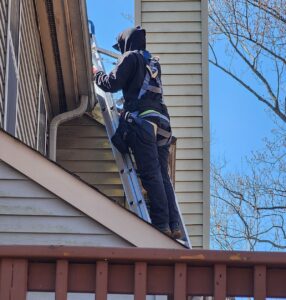 If you suspect wildlife is in your home, the best approach is to stay calm and avoid direct interaction.
Here’s what you should do:
- Keep your distance and avoid handling the animal
- Do not seal entry points right away
- Monitor activity from a safe distance
- Avoid disturbing nesting areas
- Contact a professional wildlife removal service
Taking the right first steps can prevent the situation from becoming more serious.
Call Skedaddle in Mississauga for Wildlife Removal Today!
While it may be tempting to handle wildlife removal yourself, the risks often outweigh the benefits. From potential injuries and health hazards to property damage and incomplete solutions, DIY approaches can quickly lead to bigger problems.
Professional wildlife removal ensures the issue is handled safely, humanely, and thoroughly, protecting both your home and the animals involved.
Contact Skedaddle Humane Wildlife Control today to safely and humanely resolve wildlife issues and protect your home for the future.

 Loading...







