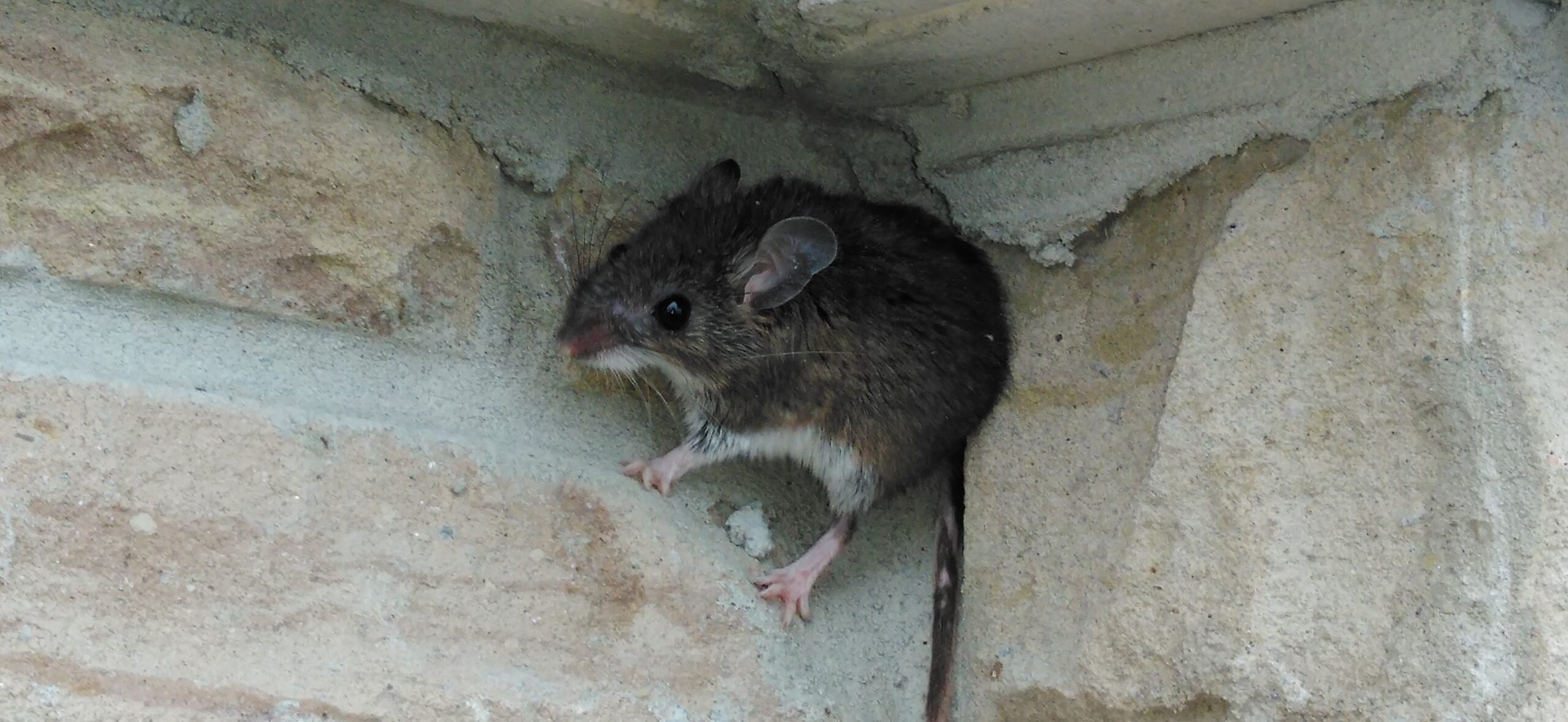
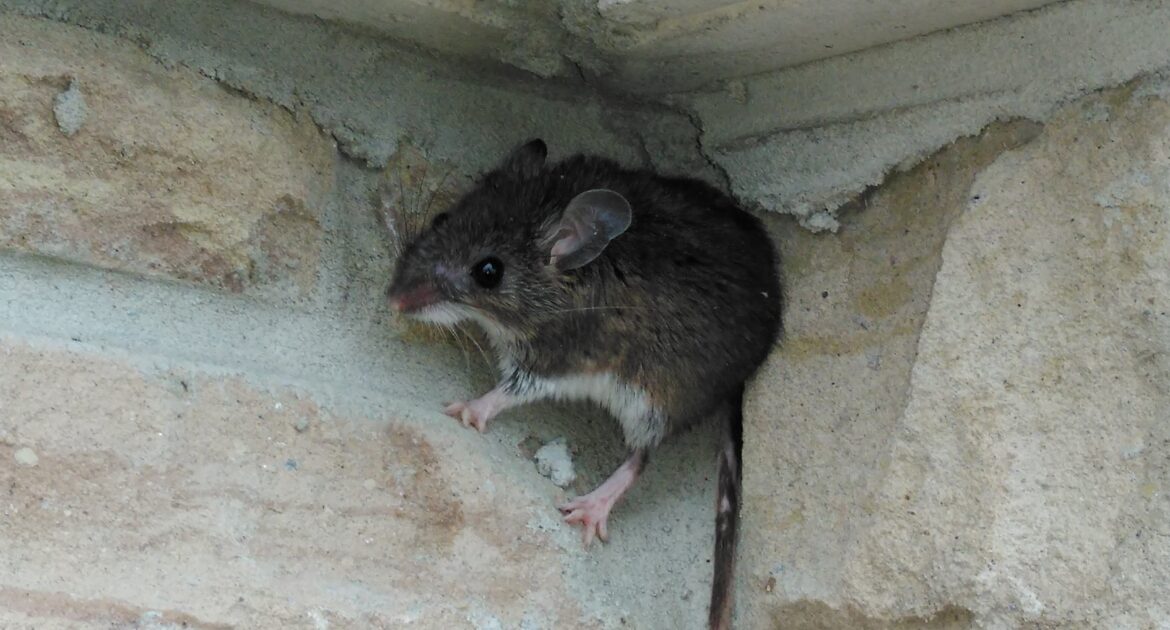
You settle in for the night, the house gets quiet, and then it starts. Scratching. Rustling. Light tapping behind the walls. You may brush it off at first, but these sounds often return night after night. When you hear mice in the walls at night, those noises are not random. They are signs of active movement inside spaces you don’t normally see.
You may wonder what those sounds really mean. Scratching noises in the walls usually come from mice that are most active after dark. Quiet homes make movement easier, and walls provide warmth, shelter, and safe travel paths. When this happens, professional support matters. At Skedaddle Humane Wildlife Control in Mississauga, we help homeowners understand what’s happening and address it safely and humanely.
In this blog, you’ll learn how nighttime behaviour reveals mouse infestation signs, what different sounds often mean, and why activity increases after dark. You’ll also see how professionals handle removal when mice move into wall spaces.
Why Nighttime Activity Happens Inside Walls
You may notice that the noises only start once the lights go out. That timing is not a coincidence. These mice are naturally nocturnal. Darkness offers safety, and quiet homes make movement easier.
You might hear activity peak late at night or just before sunrise. These hours line up with feeding, travel, and nesting behaviour. Walls, ceilings, and floor voids act like hidden highways. Once a mouse learns these routes, the movement becomes routine.
This is why mice in the walls at night is one of the earliest warning signs. Daytime silence does not mean the problem is gone. It only means activity has paused until conditions feel safer again.
Scratching and Scurrying Sounds
You may first hear light scratching noises in the walls. These sounds often move from one area to another. They may travel up or down between floors or stretch across ceilings.
These sounds usually come from movement, not damage at first. Mice use wall spaces to travel between food, shelter, and nesting areas.
Scratching noises often involve:
- Light Scraping Behind Drywall: This sound happens when a mouse climbs, turns, or squeezes through narrow wall spaces. Drywall is thin, so even small movements carry sound easily. The noise may be slow and steady as the mice feels its way through tight spots.
- Fast Scurrying Sounds: Quick scurrying usually means travel, not resting. Mice move fast between safe areas, especially when the house is quiet. These sounds often happen late at night and may stop suddenly once the mouse reaches cover.
- Repeated Movement Patterns: Hearing the same sound in the same place night after night often means a route has formed. Once a path feels safe, it gets reused often. This repetition is one of the clearest mouse infestation signs.
Over time, these scratching noises in the walls become more frequent. That pattern signals growing activity rather than a single visit.
Chewing and Gnawing Sounds
You may hear a softer grinding or tapping sound that feels different from scratching. This noise often comes in short bursts and may repeat in the same spot.
Chewing is a natural behaviour. Teeth grow constantly, so gnawing helps control that growth. Unfortunately, wall materials often get in the way.
Gnawing sounds often point to these three things:
- Contact with Wood, Insulation, or Drywall: These materials are easy to chew and common inside walls. Even light chewing can sound loud when the house is quiet. Over time, this contact can weaken surfaces you can’t see.
- Repeated Chewing in One Area: When chewing happens in the same spot, it may mean nest building or widening an opening. Mice often return to familiar areas that already feel safe. This repeated sound is a strong warning sign.
- Sounds that Stop and Start Suddenly: Short bursts of noise often match feeding or resting cycles. Chewing may pause when the mouse listens or moves. These stop-and-go patterns are common at night.
You may not see damage right away, but chewing noises are strong mouse infestation signs that should not be ignored.
Light Thumping or Dropping Sounds
You might hear a soft thump now and then. It can sound like something small falling inside the wall. This noise usually happens when a mouse drops from one surface to another.
Walls are full of beams, pipes, and ledges. Moving between them can cause short, dull sounds.
These sounds often mean:
- Movement Between Wall Levels: Mice may drop from higher areas to lower ones while traveling. These drops are usually short but noticeable. The sound is often heavier than scratching.
- Exploration of New Paths: New thumping sounds in new places can mean the mouse is exploring. As space is tested, movement spreads to other parts of the wall system. This often happens as activity grows.
- Nighttime Travel Between Nest and Food: These sounds usually happen after dark. Travel between resting areas and food sources creates repeated movement. This fits with mice in the walls at night behaviour.
While less common, these sounds add to the picture of mice in the walls at night when heard alongside scratching or gnawing.
High-Pitched Squeaks or Chirps
You may hear faint squeaking sounds late at night. These noises are easy to miss and often come from one area. They usually stay close to nesting spaces.
Communication sounds increase when more than one mouse is present. Nesting and feeding often lead to more vocal activity.
Squeaking often signals:
- Activity Near a Nest: Sounds stay in one place instead of moving through walls. This usually means a resting or nesting area is nearby. Quiet, repeated chirps are common in these spots.
- Interaction Between Animals: Communication happens when animals respond to each other. This may suggest a family group or shared space. These sounds often repeat over several nights.
- Established Use of Wall Space: Vocal sounds happen where mice feel safe. They don’t call out while traveling through risky areas. This comfort is a sign the space is being used regularly.
This is one of the clearer mouse infestation signs, especially when paired with scratching noises in the walls.
Why Sounds Seem Louder at Night
You may feel like the noises get louder after dark. In reality, your home simply becomes quieter. With fewer background sounds, even light movement becomes noticeable.
Nighttime activity also increases because it feels safer. Darkness lowers perceived risk and makes travel easier.
This is why people often report mice in the walls at night but hear nothing during the day. Silence during daylight hours does not mean the problem has ended.
How Wall Spaces Support Nocturnal Habits
You may not think of walls as living space, but they offer ideal conditions. Warmth, darkness, and hidden movement paths all exist behind drywall.
Once mice find these spaces, habits form quickly. They reuse the same routes and nesting areas unless access changes.
This is why activity often increases slowly. The longer wall spaces remain open, the more established behaviour becomes.
Why Activity Increases Over Time
You may think one night of noise is nothing to worry about. When sounds repeat, it often means the space is being used more often. Each quiet night makes the area feel safer, and that comfort encourages return visits.
Over time, paths inside the walls become familiar and easy to follow. Nesting areas feel more protected, and movement starts to happen on a regular schedule. This slow change is why early signs matter. When scratching noises in the walls are ignored, activity has time to settle in and grow.
Professional Mice Removal With Our Wildlife Team
You don’t need to handle this alone. When animals are active inside walls, removal must be calm, planned, and humane. At Skedaddle, we focus on changing how the structure functions as shelter.
Our approach allows mice to leave naturally using one-way doors. These doors let wildlife exit but prevent re-entry. Once activity ends, access points are secured to stop repeat use.
Professional mice removal focuses on safety, timing, and long-term prevention. This approach protects the home without creating stress or disruption.
A Quieter Home Starts With the Right Support
You should pay attention when sounds repeat, spread, or grow louder. These patterns rarely resolve on their own. Early professional support keeps the situation controlled. The longer wall spaces stay accessible, the harder habits are to break. Addressing the issue early limits damage and stress.
You don’t have to live with mice in the walls at night or wonder what those sounds mean. Scratching noises in the walls and other mouse infestation signs point to activity that needs professional care.
At Skedaddle Humane Wildlife Control in Mississauga, we help homeowners restore quiet by addressing the source safely and humanely. You can request an estimate to learn more about professional removal and prevention.
Taking action early helps protect your home, your comfort, and your peace of mind.

 Loading...