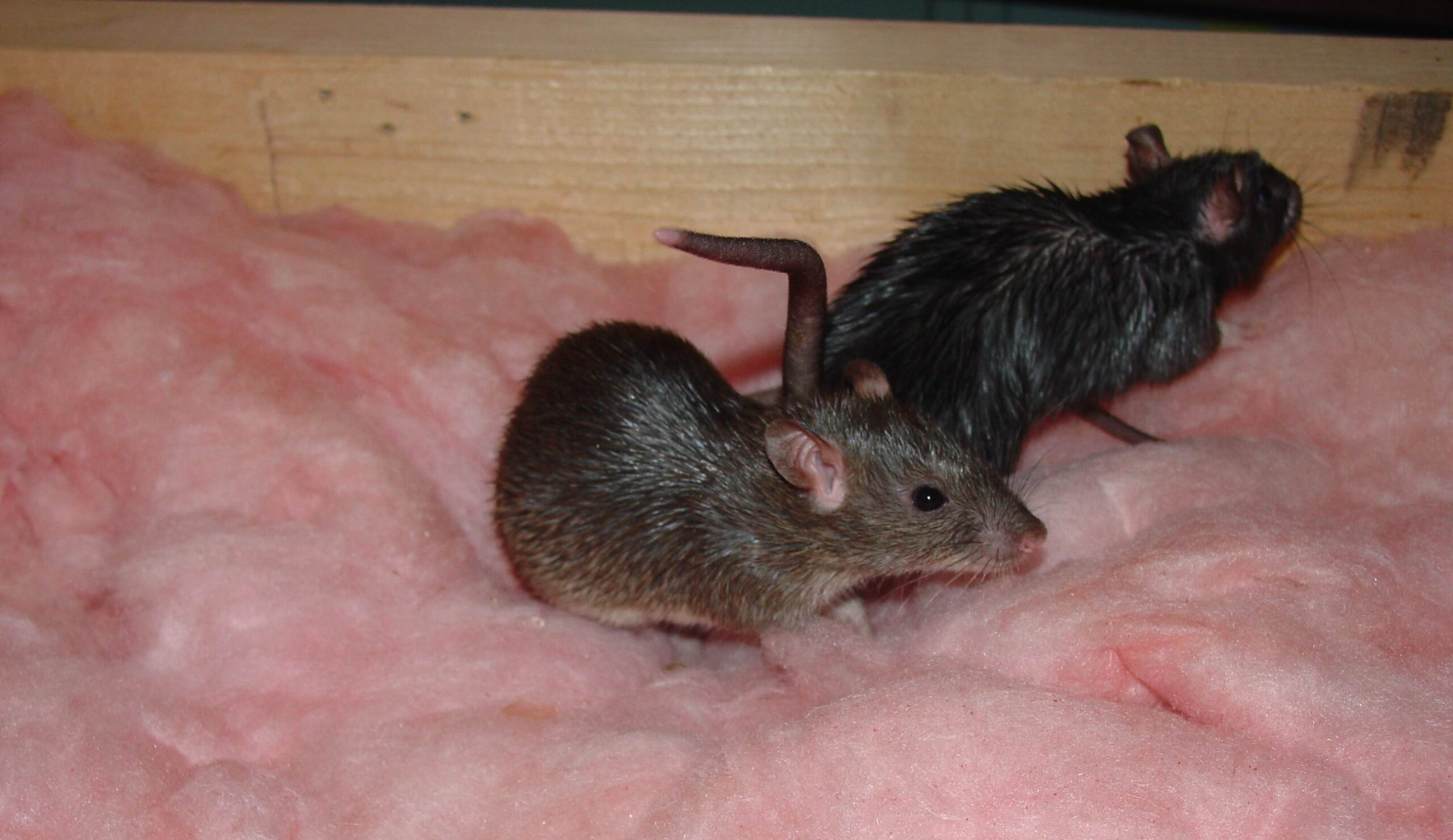
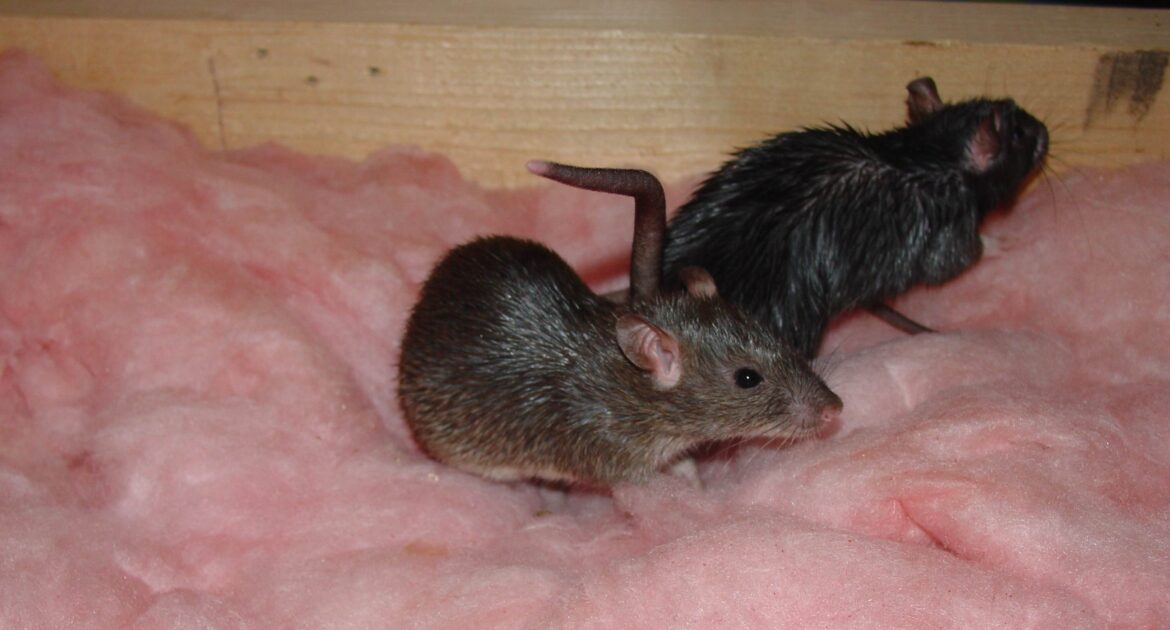
You probably expect winter to slow everything down, especially unwanted animals. But when the temperature drops, you may notice more scratching, chewing, and nighttime noises coming from walls or ceilings.
You might wonder why DIY rat traps fail in winter and why these problems seem to get worse instead of better. The truth is simple: winter makes rats desperate for food and warmth, and the cold weakens almost every trap that homeowners rely on.
You deal with harsh weather, icy surfaces, and freezing winds, but so do animals. When they get cold, they look for any warm place to hide. Your home becomes their first choice, which is why DIY rat traps fail in winter and leave families frustrated. Many homeowners place traps indoors or outdoors hoping for a quick fix, but freezing weather changes how smells travel, how bait behaves, and how animals move.
That’s why winter rat trap problems are so common. At Skedaddle Humane Wildlife Control in Mississauga, we help you understand what’s going on so you can avoid wasted time and stress.
This blog breaks down the biggest reasons DIY rat traps fail in winter, the cold weather rat control tips you should know, and why humane, professional help is the safest and most reliable option for your home.
Cold Weather Weakens the Bait You’re Counting On
You may think putting a strong-smelling bait in a snap trap or glue trap will get quick results. But winter temperatures change how bait behaves. Cold air dries food faster. Scents fade. Hard or frozen bait becomes almost impossible for a rat to grab onto.
Here’s what happens when the bait freezes:
- Smells don’t travel far. Winter air is still and dry, so animals can’t detect the bait as easily.
- Frozen bait loses flavour. A rat won’t risk danger for something that barely smells or tastes appealing.
- Moisture disappears fast. Peanut butter, cheese, and seeds dry out within hours.
- Hard bait breaks off. A frozen piece snaps instead of sticking to the trap.
You end up with traps that look ready but offer nothing attractive enough to bring animals close. This is one of the biggest reasons DIY rat traps fail in winter.
You’re Competing With Better Food Sources Indoors
Cold weather changes how animals behave. Rats spend more time staying warm than exploring. This means traps placed far from the nest may never be found. Your home offers easier meals—leftovers, crumbs, pet food, stored pantry items, and even garbage bins.
Indoors, rats choose:
- Warm nests close to heating sources
- Safe dark hiding places
- Food scraps that don’t require risk
- Water from pipes, leaks, or condensation
So even if you place bait correctly, animals simply don’t need it. Their needs are already met inside the home. This is another reason winter rat trap problems happen: rats ignore the bait completely.
Cold Weather Slows Trap Mechanisms
Many DIY traps depend on tension, glue, springs, or sticky surfaces. Winter affects all of them.
Why the cold makes traps unreliable:
- Glue traps harden, losing stickiness in low temperatures.
- Metal springs stiffen, delaying the trigger or failing to snap shut.
- Plastic parts crack or weaken, especially with outdoor placement.
- Mechanical traps freeze, making them slow or unresponsive.
This means even if a rat touches the bait, the trap may not react at all. Homeowners often check and wonder, “Why didn’t it go off?” The temperature is often the reason.
Outdoor Traps Are Basically Useless in the Cold
If you place traps outside, winter works against you even more. Heavy snow, freezing rain, and strong winds make it almost impossible for traps to work as intended.
Outdoor traps fail because:
- Snow covers and blocks bait
- Moisture ruins wooden traps
- Ice freezes mechanisms
- Bait becomes wet or unusable
- Hidden placement becomes even harder
By the time a rat reaches the trap, the weather has already changed how it works. That leads to more winter rat trap problems and wasted supplies.
Cold Weather Rat Control Tips From Our Skedaddle Team
You deserve a safe home, and winter shouldn’t make that harder. Because DIY rat traps fail in winter so often, we focus on long-term, humane methods that don’t rely on baits or failing mechanisms.
Our cold weather approach includes:
- Finding every entry point, even the tiny ones hidden under siding or behind vents
- Using humane one-way doors so rats leave safely but can’t get back in
- Protecting vulnerable areas like attic gaps, roof returns, wall openings, and foundation cracks
- Stopping future problems by sealing the home with durable materials
- Working in places you can’t safely reach, such as rooflines or deep attic corners
You get real results because everything is designed for winter conditions, not against them.
Why Professional Help Works Better in Winter
You aren’t doing anything wrong. Winter just changes the game. When you try to handle it yourself, traps freeze, bait fails, and animals stay hidden. A humane, trained team like ours understands winter rat trap problems and knows how to solve them safely.
You also stay away from harmful droppings, insulation damage, and risky areas inside the home. Our work is designed to protect you, your family, and the animals.
Get Ahead of Winter Problems Today
DIY rat traps fail in winter for many reasons: cold temperatures weaken bait, freeze mechanisms, and change animal behaviour. With the right help, you can keep your home protected and avoid months of stress.
If you want real cold weather rat control tips that work, request an estimate to learn more from our team at Skedaddle Humane Wildlife Control in Mississauga. We’re ready to help you stay safe, warm, and worry-free all winter long.

 Loading...