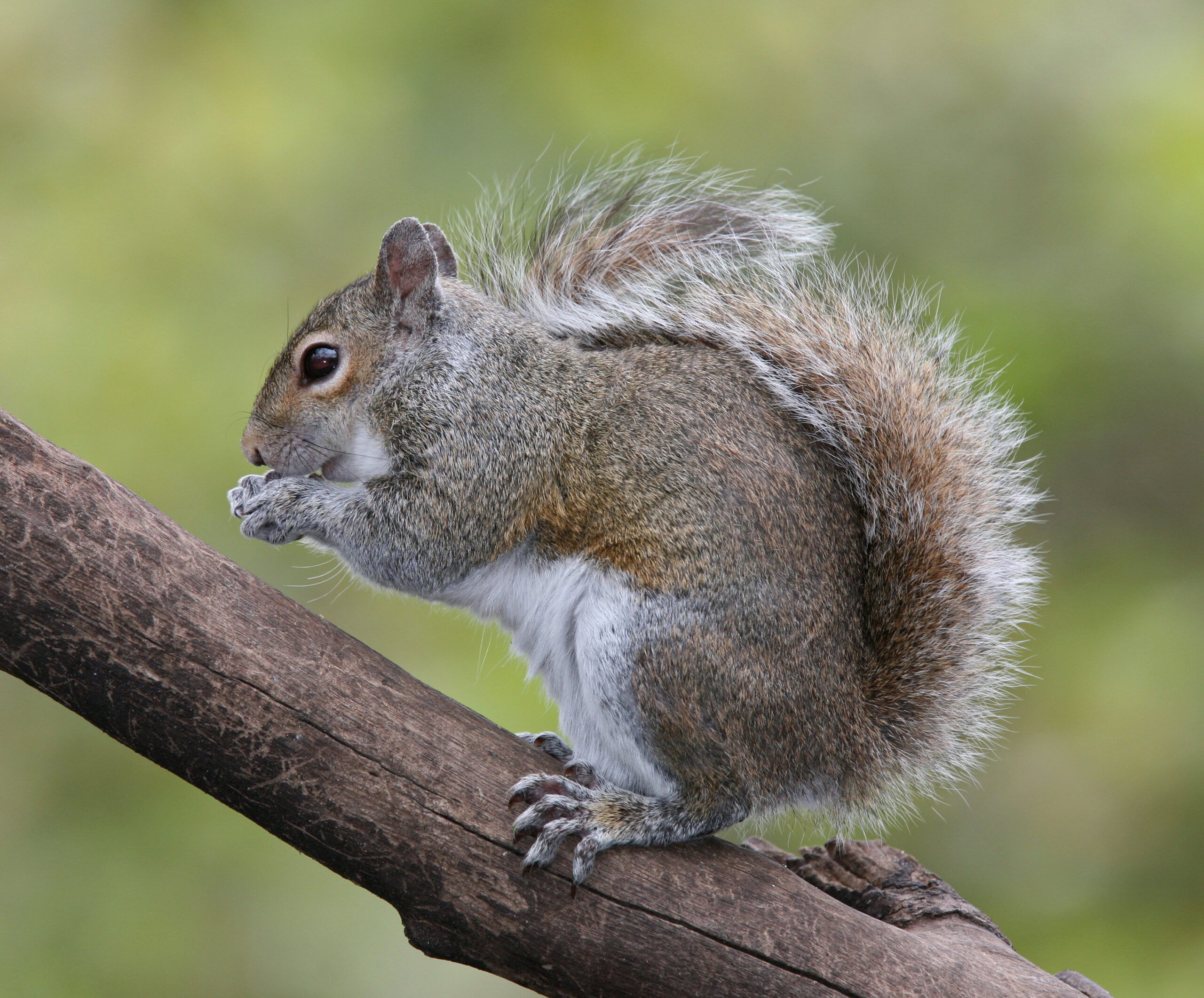
Imagine sitting in your living room, enjoying a quiet evening, when you suddenly hear scratching noises coming from the ceiling. It’s unsettling, right? You might brush it off as the wind or an old house settling, but deep down, you suspect something else. Could it be a squirrel? And more importantly, if it is a squirrel, should you be worried?
Many people see squirrels as cute, bushy-tailed animals that scamper around parks and backyards. It’s easy to underestimate them because of their size and playful appearance.
However, when these animals decide to move into your home, the situation changes completely. They stop being cute outdoor neighbours and become uninvited house guests that can cause serious trouble.
So, to answer the big question: Are squirrels dangerous if they get in a house?
The short answer is yes. While they aren’t likely to attack you like a scene from a horror movie, the risks they pose to your home’s structure and your family’s health are very real. From chewing through electrical wires to spreading unwanted germs, a squirrel infestation is not something to ignore.
In this blog, we will explore exactly why squirrels in the house risks are a major concern for homeowners. We will look at the physical damage they can cause, the health hazards they bring, and why you need our professionals help to deal with them. If you suspect you have uninvited guests, Skedaddle Humane Wildlife Control in Montreal is here to help you reclaim your home.
The Fire Hazard Hidden in Your Walls
One of the most frightening answers to “are squirrels dangerous?” involves the risk of fire. It might sound extreme, but it is a very common issue associated with rodents. Squirrels have teeth that never stop growing. To keep their teeth sharp and at a manageable length, they have an instinctual need to chew on things constantly.
Unfortunately, when they get into your attic or walls, they don’t distinguish between a piece of wood and electrical wiring.
- Chewed Insulation: Squirrels often gnaw away the protective plastic coating around electrical wires. This exposes the bare copper wire underneath.
- Sparking Risks: Once the wire is exposed, it can spark if it touches other wires, wood, or insulation. In the dry, dusty environment of an attic, a single spark can easily start a fire.
- Hidden Danger: Because this happens inside walls or in the attic, you might not notice the damage until it is too late. A fire could start without any warning signs in the living areas of your home.
Structural Damage to Your Home
Squirrels are determined creatures. If they want to get inside your house, they will work hard to make it happen. Their sharp teeth and strong claws allow them to tear through many building materials that you might think are tough enough to keep them out.
Once they are inside, the destruction doesn’t stop. They need to build nests and create pathways to move around. This behaviour leads to significant structural damage that can weaken your home over time.
- Entry Points: Squirrels often chew through fascia boards, soffits, shingles, and even aluminum vents to create entry points. These holes let in rain and snow, which can lead to water damage, mould, and rot in your roof and attic.
- Damaged Insulation: Your attic insulation is meant to keep your home warm in winter and cool in summer. Squirrels love to trample it down and tear it up to build their nests. This reduces your home’s energy efficiency, leading to higher heating and cooling bills.
- Wood and Drywall: They will chew on wooden beams, trusses, and drywall. Over time, this gnawing can compromise the structural integrity of your roof and ceiling.
Health Risks for Your Family
When asking “are squirrels dangerous?”, we often think about physical attacks. However, the silent dangers they bring in the form of bacteria and parasites are just as concerning. Squirrels are wild animals, and like all wildlife, they carry things that you definitely do not want inside your living space.
A squirrel infestation brings biological waste into your home. Over time, the accumulation of droppings and urine can create a toxic environment in your attic or walls.
- Droppings and Urine: As squirrels live in your home, they leave behind droppings and urine. This waste can soak into insulation and drywall, causing terrible odours that can spread through your house. More importantly, it can grow mould and fungus, which can release spores into the air you breathe.
- Salmonella and Leptospirosis: Squirrels can carry bacteria like Salmonella and bacteria that cause Leptospirosis. These can be spread through their waste. If you touch contaminated surfaces, you could get sick.
- Air Quality: As the waste dries, particles can become airborne. If these particles enter your home’s ventilation system, they can circulate through the air, potentially causing respiratory issues for people with allergies or asthma.
Parasites Hitching a Ride
Squirrels rarely travel alone. They are like a bus for tiny pests. When a squirrel enters your home, it brings its own ecosystem of parasites with it. These tiny hitchhikers can quickly spread from the squirrel to your home, your pets, and even your family.
Even if the squirrel stays in the attic, these parasites can migrate down into your living spaces looking for new hosts.
- Fleas and Ticks: Squirrels are common carriers of fleas and ticks. These pests can bite humans and pets, causing itchy welts and potentially transmitting diseases like Lyme disease.
- Mites: Mites are microscopic pests that can cause skin irritation and mange in pets. Bird mites or rodent mites can infest your home if the squirrel nest is abandoned or if the population grows too large.
- Bed Bugs: While less common, wild animals can sometimes carry bugs that are similar to bed bugs. Once these bugs get into your furniture or carpets, they are very difficult to get rid of.
Aggressive Behaviour in Defence
While squirrels are generally not aggressive toward humans and prefer to run away, they are still wild animals. If they feel threatened, cornered, or are protecting their babies, they can become aggressive.
This is a major reason why DIY removal is a bad idea. You never know how a squirrel will react when it feels trapped.
- Bites and Scratches: A scared squirrel can bite or scratch to defend itself. These injuries can be painful and are prone to infection.
- Protecting the Young: Mother squirrels are very protective of their babies. If you stumble upon a nest in your attic, the mother may attack to defend her young. This can be a terrifying experience in a confined space like an attic.
- Accidental Encounters: Sometimes, a squirrel might panic and accidentally fall into a wall cavity or get stuck in a living area. In its panic to escape, it can cause chaos, knocking over items and potentially running into people or pets.
Trying to catch or chase a squirrel yourself puts you at risk of physical injury. It is safer to let our professionals handle the removal, as they understand squirrel behaviour and know how to manage them safely.
Water Damage from Chewed Pipes
We talked about squirrels chewing wires and wood, but did you know they can also chew through pipes? Many modern homes use PEX piping (a type of plastic) for plumbing. To a gnawing squirrel, this looks just like another root or branch to chew on.
If a squirrel chews through a water pipe in your attic or walls, the consequences can be disastrous.
- Flooding: A burst pipe can release gallons of water into your home in a short amount of time. This can ruin ceilings, walls, floors, and furniture.
- Mould Growth: Even a small leak from a nibbled pipe can lead to dampness behind walls. This creates the perfect environment for black mould to grow, which is a severe health hazard.
- Expensive Repairs: Water damage is one of the most expensive things to fix in a home. You might have to replace drywall, insulation, and flooring, in addition to fixing the plumbing.
The risk of water damage adds another layer to the answer of “are squirrels dangerous?” They threaten not just the structure, but the livability of your house.
Professional Prevention is Key
The best way to protect your home from squirrel problems is to stop them from getting inside in the first place. This takes careful inspection and an understanding of how squirrels move and find entry points. Small gaps and weak spots on the outside of a home are often all they need.
At Skedaddle Humane Wildlife Control, our team inspects your home from the roof to the foundation to find these hidden risks. We use humane one-way doors to let squirrels leave safely without trapping them. Once they are out, we seal entry points with strong materials they cannot chew through, helping keep your home protected long-term.
Stop Squirrel Damage Before It Gets Worse
Are squirrels dangerous when they get inside a home? Yes. Squirrels in the house risks include fire hazards from chewed wires, damage to your attic, and health concerns from droppings and nesting material. These squirrel infestation dangers do not fix themselves and often get worse as squirrels nest and multiply.
Do not let these animals take over your space. DIY fixes can be unsafe and rarely solve the real problem. If you hear scratching in the walls or see squirrels on your roof, it is time to act.
Skedaddle Humane Wildlife Control in Montreal has the experience and tools to remove squirrels humanely and seal your home properly.
Ready to protect your home? Request an estimate today and let us help keep your home safe and secure.

 Loading...







