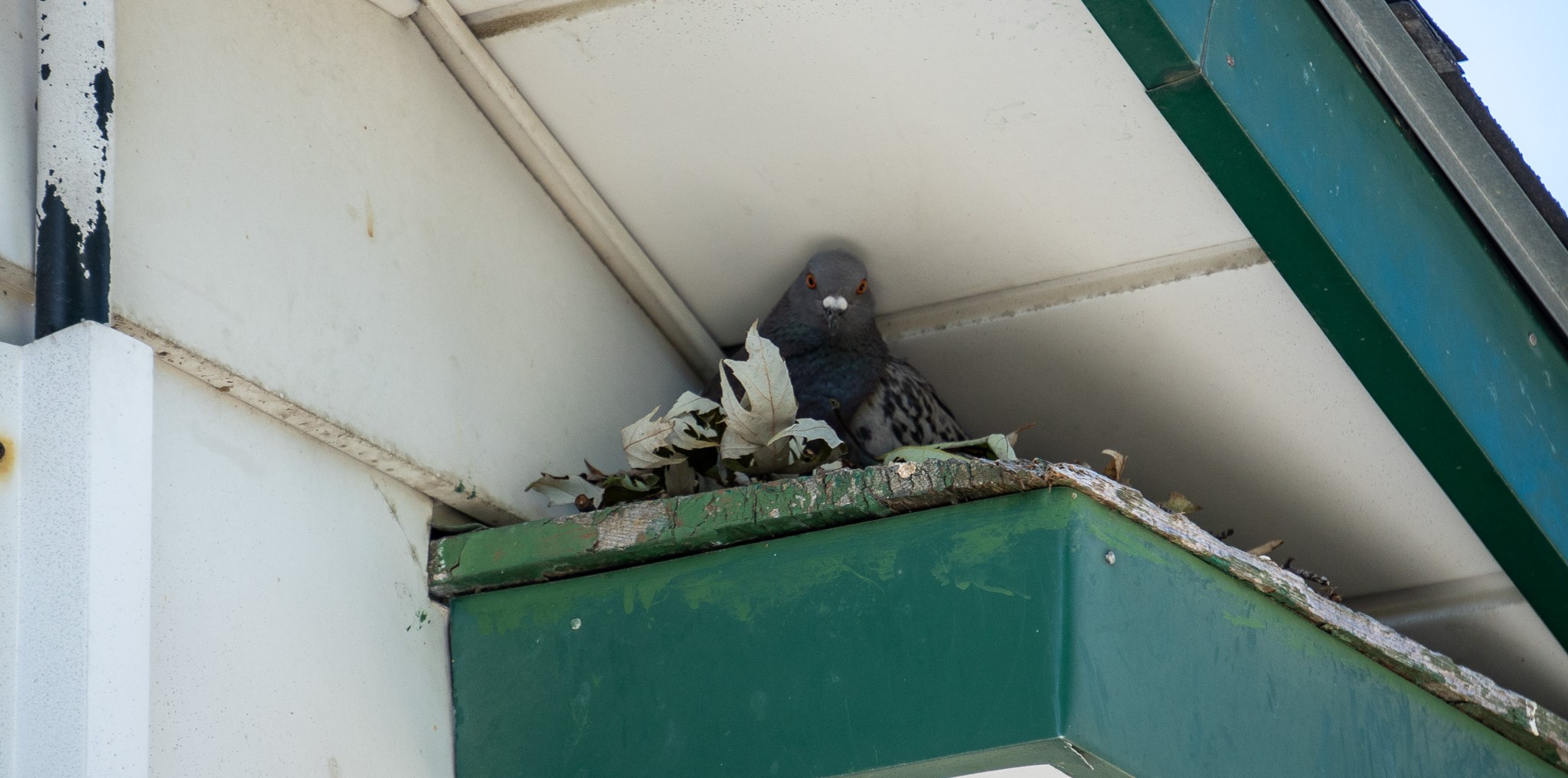
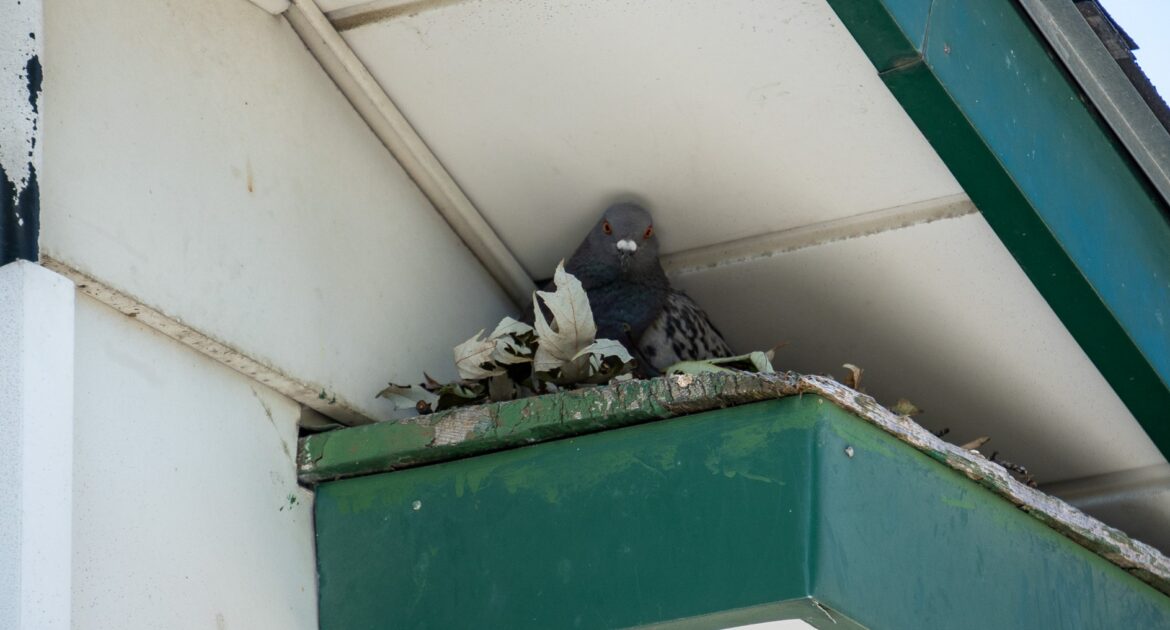
You may notice dark stains on ledges, walkways, or roof edges and assume it is just a mess that can wait. You might even think it is only a cosmetic issue. But when waste builds up around a home or building, the risks go much deeper than appearance. The truth is that bird droppings health risks can affect people, property, and long-term safety very quickly.
You should take this seriously because exposure does not always look dangerous at first. When droppings dry out, break down, or spread through air movement, problems begin. That is why bird droppings cleanup should never be delayed or handled casually. The safest path is always our professional wildlife cleanup, handled by trained teams who know how to protect people and structures.
At Skedaddle Humane Wildlife Control in Montreal, we focus on safe solutions that protect your space without putting you at risk. In this blog, you’ll learn how waste affects health, why surfaces and air quality suffer, and how professional cleanup helps stop long-term damage.
Health Risks That Can Affect People Indoors and Outdoors
You may not connect waste buildup with illness right away, but health problems often start quietly. These risks can grow over time and affect people before anyone realizes what is causing the issue. Exposure does not always come from touching surfaces, which makes the danger harder to spot. That is why professional handling matters as soon as buildup is found.
Common health concerns include:
- Airborne Illness Risks: When droppings dry out, tiny particles can break apart and become airborne. These particles can be breathed in without you noticing, especially in indoor or enclosed areas. Over time, this exposure may lead to breathing problems or flu-like symptoms. Poor ventilation can make these risks much worse.
- Bacteria and Infection Concerns: Waste can carry harmful bacteria that spread through contact with surfaces. This is a concern on patios, balconies, stairs, walkways, and shared spaces. People may touch these surfaces without knowing they are contaminated. Children, seniors, and pets face a higher risk because they spend more time close to the ground.
- Skin and Eye Irritation: Dust and residue from contaminated areas can irritate the skin and eyes. Even short exposure may cause redness, itching, or discomfort. These reactions can happen when particles are disturbed by wind or movement. Proper protective equipment is needed to prevent this type of exposure.
- Increased Risk in Enclosed Spaces: Attics, vents, and roof voids allow contaminants to settle and stay trapped. Air systems can move particles from these spaces into living areas. This increases exposure even if you never see the source. The longer buildup remains, the greater the health risk becomes.
These bird droppings health risks often go unnoticed until symptoms appear. That is why early our professional assessment and cleanup are so important.
Surface Damage That Becomes Costly Over Time
You may expect exterior surfaces to handle everyday exposure without trouble. Waste buildup
changes that much faster than most people realize. Acidic content slowly eats away at materials and weakens them over time. This damage often starts small but becomes expensive if ignored.
Damage often includes:
- Corrosion of Building Materials: Droppings contain acidic compounds that break down concrete, metal, and stone. Over time, these materials weaken, crack, or flake. Small areas of damage can spread across larger surfaces. Repairs become more costly the longer buildup continues.
- Staining and Permanent Marks: Painted surfaces, siding, railings, and walkways can stain deeply. Even after cleanup, marks may remain visible. These stains affect how a property looks and feels. Poor appearance can lower curb appeal and resale value.
- Damage to Roofs and Drainage Areas: Roofs, flashing, and gutters collect waste easily because of their shape. Corrosion and blockages can form quickly in these areas. Water may back up or leak underneath damaged sections. This can lead to hidden moisture problems inside the structure.
- Increased Maintenance Costs: Repeated surface cleaning without proper treatment often does not stop the damage. Materials continue to break down beneath the surface. Maintenance costs rise as repairs become more frequent. Our professional wildlife cleanup helps stop this cycle.
Property damage is one of the most overlooked reasons bird droppings cleanup should be handled correctly from the start.
Slip and Safety Hazards Around the Property
You may not expect waste buildup to create a physical safety risk. When layers build up or become wet, surfaces can turn slippery very quickly. This creates danger for residents, guests, staff, or anyone passing through the area. Safety concerns often appear suddenly and without warning.
Safety risks often include:
- Slippery Walkways and Steps: Waste on stairs, sidewalks, and entrances increases the risk of slipping. Even small patches can cause serious falls. Injuries may happen before anyone notices the hazard. Liability concerns often follow these accidents.
- Reduced Visibility of Hazards: Stains and buildup can hide cracks, uneven surfaces, or loose materials. This makes it harder to spot danger areas. Poor lighting can make the problem worse. Accidents become more likely when hazards are hidden.
- Unsafe Work and Entry Areas: Balconies, loading zones, and entry points may become unsafe to use. Staff or residents may avoid these areas altogether. Restricted access disrupts daily routines and operations. Professional cleanup helps restore safe use.
- Ongoing Risk Without Proper Treatment: Basic surface cleaning does not remove all residue. When moisture returns, slip risks often come back. The surface may look clean, but remain unsafe. Our professional methods address the problem fully and reduce repeat hazards.
These risks show why our professional wildlife cleanup is about safety, not just cleanliness.
Why Waste Problems Spread So Easily
You may wonder why small areas turn into large problems so quickly. Waste buildup attracts repeated activity and creates a cycle that gets worse over time. Once droppings appear, they signal a safe resting spot. This encourages repeat use, which causes buildup to grow faster and spread wider across nearby areas.
Air movement then carries dust and tiny particles into surrounding spaces, even indoors. This allows the problem to move beyond the original spot without being seen. At the same time, acid damage makes surfaces rougher, which traps more waste and speeds up damage. Without proper exclusion, activity continues, which is why professional solutions matter for long-term control.
Why Professional Bird Droppings Cleanup Makes a Difference
You may think removal is the main goal, but professional cleanup goes much further than that. It is designed to protect your health, your property, and the people who use the space every day. Proper cleanup also helps prevent the same problem from returning, which saves time and stress later.
Our professional cleanup benefits include:
- Controlled Removal Methods: Our professionals treat waste as hazardous material, not regular debris. Special methods are used to keep particles from becoming airborne. This lowers the risk of breathing in harmful material during cleanup.
- Protective Equipment and Training: Trained teams wear proper protective gear from start to finish. This includes respiratory protection and sealed equipment. These steps help keep workers and nearby occupants safe.
- Deep Sanitization: Cleanup includes full disinfection of affected surfaces, not just visible areas. This removes bacteria, residue, and lingering odours. Treated surfaces are safer and less likely to cause future issues.
- Safe Disposal Procedures: Waste is collected and disposed of following strict safety rules. This prevents re-exposure after the work is complete. Proper handling is key to long-term protection.
- Assessment of Hidden Damage: Our professionals inspect areas beyond what you can easily see. Vents, ledges, and nearby surfaces are checked for hidden buildup. This helps address problems before they spread.
This is why bird droppings cleanup should always be handled by trained teams who focus on safety, sanitation, and long-term results.
How Professional Wildlife Cleanup Prevents Repeat Issues
You may worry about the problem coming back even after cleanup is complete. Professional service focuses on prevention, not just removal. The goal is to stop repeat buildup and protect your space long term, not create a cycle of return visits.
Our professionals identify where birds enter and where waste collects. These areas are addressed as part of the process to reduce future activity. Humane exclusion methods are used so birds can leave safely without being able to return. One-way doors play an important role in stopping repeat access and future contamination.
Surfaces are treated after cleanup so residue is less likely to build up again. This helps reduce ongoing maintenance and keeps areas safer for daily use. Clear documentation is also provided to show the issue was handled properly, which supports health, safety, and property value. At Skedaddle, we focus on lasting solutions, not temporary fixes.
Protect Your Space With Professional Cleanup
You should never ignore the warning signs of waste buildup. Bird droppings health risks affect air, surfaces, and safety faster than many people expect. Proper bird droppings cleanup protects your home, your health, and your peace of mind.
At Skedaddle Humane Wildlife Control in Montreal, we provide professional wildlife cleanup that puts safety first. You can request an estimate to learn more about how we help protect your space the right way.

 Loading...