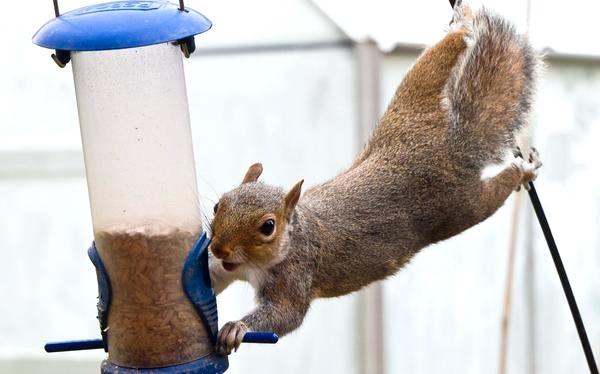
You may hear scratching above the ceiling or movement near the roof and think it is just noise. You might hope it will stop on its own. But when squirrels move inside a house, the damage can start quickly and grow without warning. This is especially true when the attic becomes a nesting space.
You should take signs seriously because squirrel damage to the home is rarely minor. Once these animals get inside, they chew, dig, nest, and reuse the same spaces over and over. That activity leads to squirrels in the attic damage that affects safety, comfort, and long-term value. A growing squirrel infestation often causes hidden problems that only show up after serious harm is done.
In this blog, you’ll learn how these animals damage insulation, wiring, and structure, why problems spread fast once they start, and why professional help matters early. You will also see how our team at Skedaddle Humane Wildlife Control in Montreal approaches these situations with safe, proven solutions that protect both homes and animals.
How Insulation Damage Affects Your Entire Home
You may never see what is happening in the attic, but insulation damage can affect every room below it. Once squirrels settle in, insulation is often torn apart to make nesting space. This reduces its ability to hold heat in winter and keep heat out in summer.
Over time, uneven insulation leads to cold spots, higher energy bills, and moisture issues. Air moves more freely through damaged areas, making your heating and cooling systems work harder. That is one of the most common forms of squirrel damage to the home.
Insulation damage also spreads as squirrels move through attic spaces. What starts in one corner rarely stays there. This is why squirrels in the attic damage often affects more than one area of the house.
Chewing Creates Serious Fire And Safety Risks
You may not realize how dangerous chewing behaviour can be inside walls and attic spaces until real damage is already done. Squirrels must chew every day to keep their teeth from growing too long. When electrical wiring, cables, or building materials are nearby, that constant chewing can quickly turn into a safety issue.
You may never see the damage from inside your living space. Wires and systems are often hidden behind walls and insulation. That is why chewing damage is one of the most dangerous problems linked to a squirrel infestation.
Common risks linked to chewing include:
- Electrical Wiring Damage: Exposed wires can spark, overheat, or short out when chewed. This increases the risk of electrical failure or even a house fire. Inspectors often flag this damage because it poses a serious safety concern. Even small bite marks can create long-term risk if left untreated.
- Internet and Utility Line Damage: Phone lines, internet cables, and security system wiring are often damaged next. Service outages may start without warning. Repairs usually require opening walls or ceilings, which adds time and cost. These issues often spread as squirrels move through the attic.
- Hidden Safety Hazards: Chewed wires and materials are not always visible during a quick check. Problems may stay hidden until systems stop working or fail suddenly. This makes early professional inspection important. Hidden damage is often worse than it appears at first.
Chewing damage is one of the most serious effects of a squirrel infestation because it can grow quietly and create safety risks before anyone notices.
Structural Damage That Gets Worse Over Time
You may expect your roof, walls, and attic to protect your home from weather and wear. When squirrels enter attic spaces, they often damage these barriers while gaining access and moving around inside. Over time, this weakens key parts of the structure and allows other problems to follow.
You might not see the damage right away from ground level. Structural issues often develop slowly and spread with repeated use. This is why squirrels in the attic damage can become costly if not handled early.
Structural damage often includes:
- Roof and Soffit Damage: Shingles may be lifted or broken during entry. Vents and soffits can be loosened or torn open. Gaps allow water, wind, and cold air inside the home. Damage often gets worse as the same areas are used again and again.
- Fascia and Wood Damage: Wooden edges, beams, and supports may be chewed or worn down over time. This affects both strength and appearance. Small areas of damage can grow into major repair needs. Wood damage often spreads as squirrels look for new nesting space.
- Repeated Entry Use: Once an access point exists, it is often reused. Each return makes the opening larger and easier to enter. This is a common sign of ongoing squirrels in the attic damage. Repeated use increases the risk of structural failure.
Structural issues are a major reason squirrel damage to the home affects resale value and buyer confidence.
Noise And Disruption That Impacts Daily Life
You may first notice the problem because of sound. Movement in walls or above ceilings is often loudest early in the morning or at night. Over time, the noise becomes more frequent.
Scratching, running, and gnawing sounds can disrupt sleep and daily routines. Even when activity seems to slow down, the damage often continues. Noise is usually a sign that nesting or movement paths are well established.
Persistent noise also suggests the issue is not temporary. A squirrel infestation rarely resolves without professional intervention. That is why sound should always be taken as a warning sign.
Contamination And Air Quality Concerns
You may never see waste buildup in attic spaces, but it can affect air quality throughout the home. Droppings and nesting materials collect in hidden areas. Over time, odours may move through vents and ceilings.
Contamination concerns often include:
- Odour Spread: Smells can enter living spaces through airflow. This affects comfort and buyer perception. Odours are difficult to remove without professional cleanup.
- Moisture and Mould Risk: Waste can trap moisture in insulation. This creates conditions for molud growth. Moisture issues often spread beyond the attic.
- Health Sensitivity Concerns: Families may worry about indoor air quality. Buyers are especially cautious when contamination is suspected. This can slow or stop a sale.
These risks make squirrel damage to the home more than a cosmetic issue.
Why One Problem Often Leads To Another
You may hope the issue is limited to one small area. In reality, attic activity often leads to multiple problems at once. Damage spreads as squirrels move and reuse the same paths.
Attics offer warmth, shelter, and quiet. Once squirrels feel safe, they return repeatedly. Without proper exclusion, activity continues season after season.
This pattern explains why squirrels in the attic damage is rarely isolated. Addressing only part of the issue allows the rest to continue unseen.
How Professional Squirrel Removal Protects Your Home
You may wonder what makes professional help different. Effective solutions focus on removal, prevention, and long-term protection. At Skedaddle, we handle the entire process so homeowners do not need to take risks.
Professional removal includes careful inspection, humane exclusion, and prevention planning. We use one-way doors that allow squirrels to leave safely but prevent them from re-entering. Entry points are secured after removal to stop future access.
This approach protects the structure, prevents repeat activity, and reduces stress. It is the safest way to address a squirrel infestation without harm to people or squirrels.
You may not realize how timing affects removal. Squirrel behaviour changes with seasons, nesting cycles, and weather. Our professionals understand when young squirrels may be present and plan accordingly.
Experience helps prevent mistakes that cause repeat problems. Proper removal protects both the home and the squirrels involved. This is why professional assessment is always recommended when squirrel damage to the home is suspected.
Protect Your Home Before Damage Spreads
You may feel unsure after learning how much damage can happen out of sight. The good news is that early action can prevent long-term harm. The key is working with trained professionals who focus on lasting solutions.
At Skedaddle Humane Wildlife Control in Montreal, we help homeowners address squirrels in the attic damage safely and effectively. If you are dealing with a squirrel infestation or early warning signs, you can request an estimate to learn more about your options.
Protecting your home from squirrel damage to the home starts with the right support—and acting before the damage spreads.

 Loading...