
In many Montreal homes, the garage is one of the most heavily used yet least protected areas of the property. It is where we store vehicles, seasonal equipment, tools, and often items that do not fit inside the main living space. However, this convenience also makes it one of the most common starting points for wildlife to gain access to a home. With its large door, frequent openings, and connection to the interior structure, the garage can unintentionally become an open invitation if even small vulnerabilities are present.
What makes garages particularly concerning is how quietly activity can begin. Wildlife often explores around the structure first, testing weak points such as worn seals, small gaps, or unprotected vents. Once inside, the garage offers warmth, shelter, and protection from harsh Montreal weather. From there, movement into the main home can occur through shared walls, ceilings, or utility openings, often without immediate detection.
At Skedaddle Humane Wildlife Control, we regularly see how garage-related intrusions lead to larger household concerns when left unaddressed. By understanding why this space is so frequently targeted and how entry actually occurs, homeowners can take meaningful steps to reduce risk and protect the entire home.
How to Keep Animals Away From the Garage?
Preventing wildlife from entering the garage starts with making the space less accessible and less attractive in the first place. Because garages are used daily and often left partially open during busy routines, even small habits can make a significant difference in reducing unwanted entry opportunities.
One of the most effective steps is to keep the garage as sealed as possible. This includes ensuring the garage door is fully closed when not in use and checking that the bottom seal, side weather stripping, and door tracks are intact. Even minor gaps can be enough for wildlife to investigate and eventually enter.
It is also important to reduce attractants both inside and outside the garage. Items such as bird seed, pet food, and unsecured garbage can draw activity toward the structure. Keeping these stored in sealed containers helps limit interest around the area.
Additional prevention steps include:
- Regularly inspecting the garage door for gaps or damage
- Repairing or replacing worn weather stripping
- Keeping the garage floor and corners free of food debris or clutter
- Ensuring vents and utility openings are properly screened or sealed
- Avoiding long-term storage of items that can create nesting opportunities
Lighting can also play a supporting role. Well-lit exterior areas around the garage may discourage exploratory movement, especially at night when many animals are most active.
Consistent maintenance is key. Small openings can develop over time due to weather changes, seasonal freezing and thawing, and regular use of the garage door. Staying ahead of these changes helps reduce the likelihood of wildlife finding a way inside
Why Garages Are So Attractive to Wildlife
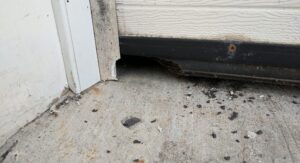 Garages offer a combination of shelter, warmth, and accessibility that makes them especially appealing in Montreal’s changing seasons. Unlike the exterior of a home, which is exposed to wind, snow, and temperature extremes, a garage provides a protected environment that often remains relatively stable year-round. This makes it an ideal place for wildlife to pause, explore, or establish movement routes.
Another key factor is access. Garages are designed for frequent entry and exit, which means doors are constantly opening and closing throughout the day. Each time this happens, there is an opportunity for wildlife to observe movement patterns and look for moments when entry might be possible. Even brief openings can be enough to encourage repeated investigation over time.
Several additional factors increase attraction:
- Warm air escaping from the home, especially during colder months
- Stored items such as cardboard boxes, seasonal decorations, or tools that provide shelter
- Reduced human activity during overnight hours
- Easy cover along walls, shelving, and stored vehicles
- Nearby food sources in outdoor bins or landscaping areas
Once wildlife begins exploring a garage, it often returns repeatedly to test weak points. The combination of warmth, protection, and opportunity makes it a consistent target, especially during seasonal shifts when survival pressures increase.
Common Garage Entry Points and Risk Levels
| Entry Point | Risk Level | Why It’s Vulnerable | Common Outcome |
| Garage door bottom gap | High | Frequent movement causes wear over time | Easy ground-level access |
| Side weather stripping | High | Cracks or warping creates small openings | Repeated unnoticed entry points |
| Roofline intersections | Medium | Seasonal ice, snow, and moisture damage | Access to attic or wall spaces |
| Utility line openings | High | Often not fully sealed or insulated | Direct pathway into structure |
| Vent openings | Medium | Screens can loosen or deteriorate | Entry into enclosed garage spaces |
Understanding these weak points is essential because even small structural issues can create reliable entry routes. Once wildlife identifies a consistent access point, it will continue using it as long as conditions allow, which is why early detection and maintenance are so important.
How Wildlife First Explores Your Garage
Before wildlife fully enters a garage, there is usually a cautious period of investigation. Animals rarely rush into an unfamiliar structure. Instead, they begin by observing from a distance and gradually working closer as they assess safety, shelter, and potential access points.
This exploratory behaviour often starts along the perimeter of the home. Wildlife will follow edges such as fences, walls, and landscaping features because these areas provide cover and reduce exposure. From there, the garage becomes a key point of interest, especially if it offers warmth or consistent activity such as vehicle use or door movement.
During this stage, animals will:
- Move along sheltered edges rather than open spaces
- Investigate smells coming from vents, doors, or openings
- Return repeatedly to the same area to test safety
- Pause and retreat if they sense disturbance or noise
- Focus on weak points such as gaps or damaged seals
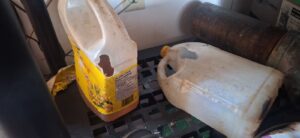 Once a potential entry point is identified, the behaviour becomes more deliberate. Wildlife may repeatedly return to the same spot, testing it over several nights. This is often when minor structural vulnerabilities begin to turn into established entry routes.
Garage exploration is typically quiet and subtle, which is why it can go unnoticed for some time. Homeowners may not see direct activity, but they might notice faint signs such as scratching sounds near the door, disturbed storage items, or small droppings near walls or corners.
Understanding this early stage of behaviour is important because it represents the point where prevention is most effective. Once a pattern of entry is established, the garage often becomes part of a larger movement route connected to the rest of the home.
The Garage-to-Home Connection
One of the most important reasons garages are considered a weak spot is their direct connection to the main living space. In many Montreal homes, the garage is not a separate structure but an attached extension of the house, sharing walls, ceilings, and utility systems. This creates an easy transition point once wildlife has gained access to the garage itself.
After entering the garage, wildlife often begins exploring for additional warmth and security. Shared construction features make it possible for movement to continue beyond the garage without needing to go back outside. Small openings around plumbing, electrical lines, or framing gaps can act as hidden pathways into the interior of the home.
Common transition routes include:
- Gaps in shared walls between the garage and interior rooms
- Openings around electrical panels or wiring conduits
- Spaces above garage ceilings that connect to upper floors
- Utility penetrations where pipes or ducts pass through walls
- Poorly sealed doorways leading from the garage into the home
Once inside these structural pathways, movement can spread quietly. Wildlife may travel between wall cavities, ceilings, and storage areas without ever entering visible living spaces at first. This is why activity that seems isolated to the garage can sometimes escalate into broader household concerns.
Another factor that increases risk is temperature. Garages are often slightly warmer than the outdoors, and the interior of the home is even more appealing. This temperature gradient naturally encourages movement inward, especially during colder Montreal months when shelter becomes a priority.
Understanding this connection highlights why addressing garage entry points alone is not always enough. The entire structural link between the garage and the home must be considered when assessing risk and preventing further access.
Seasonal Pressure in Montreal Homes
Montreal’s distinct seasons play a major role in how and why wildlife attempts to enter garages. As temperatures shift throughout the year, the need for reliable shelter and stable food sources becomes a driving force behind increased movement toward residential structures.
During the winter months, extreme cold and snow make garages especially attractive. The warmth escaping from the home through shared walls and doorways creates a noticeable temperature difference that can draw wildlife closer to the structure. Once inside a garage, the environment offers protection from freezing conditions and harsh winds, which significantly improves survival chances.
In spring, activity often increases as many species become more mobile after winter. This is also a time when nesting behaviour begins, leading wildlife to search for secure, sheltered spaces such as garages, storage areas, and wall voids. Increased movement during this season can make entry attempts more frequent and persistent.
Summer brings its own challenges. While conditions are generally more favourable outdoors, competition for food and water can still drive wildlife to explore residential areas. Garages often provide easy access to stored items and occasional food sources, making them a convenient stop during nightly movement patterns.
In the fall, pressure increases again as wildlife prepares for colder weather. This is one of the most active periods for entry attempts, as animals begin seeking long-term shelter before winter sets in. Garages often become a primary target due to their warmth and proximity to the main home.
Understanding these seasonal patterns helps explain why garage activity is not random. It is closely tied to environmental pressures that change throughout the year, making prevention an ongoing process rather than a one-time fix.
Structural Vulnerabilities Most Homeowners Miss
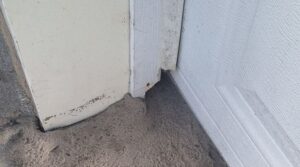 Many garage intrusions in Montreal are not the result of obvious damage, but rather small structural weaknesses that develop slowly over time. Because garages are used daily and exposed to constant temperature changes, snow, ice, and road salt, their materials naturally wear down. These gradual changes often create openings that go unnoticed until wildlife begins to explore them.
One of the most commonly overlooked issues is the gradual deterioration of seals and joints. Garage door weather stripping, in particular, can flatten, crack, or pull away from the frame. Even a small separation along the bottom or sides of the door can be enough to allow wildlife to investigate and eventually gain entry.
Other frequently missed vulnerabilities include:
- Hairline cracks in the foundation that widen with seasonal freezing and thawing
- Loose or shifted siding near the garage exterior
- Gaps forming where the garage structure meets the home
- Rusted or damaged vents that no longer sit flush against the wall
- Small openings around aging utility penetrations that were never fully sealed
Ice buildup and snow accumulation can also contribute to hidden damage. As snow melts and refreezes, it can expand small gaps in roofing materials or wall intersections. Over time, these minor changes create reliable access points that are difficult to detect without close inspection.
Another challenge is that garages often experience more movement and vibration than other parts of the home due to the frequent opening and closing of large doors. This repeated stress can gradually loosen fasteners and shift materials out of alignment, creating new entry opportunities.
Because these vulnerabilities are often subtle, they can be easy to overlook during routine maintenance. However, they are frequently the exact points wildlife takes advantage of when exploring or entering a garage.
Why DIY Fixes Often Fall Short
When homeowners notice signs of wildlife activity in or around the garage, it is natural to try quick fixes to block entry. While these efforts can sometimes reduce visibility of the issue, they often do not address the full scope of how and why wildlife is accessing the space in the first place.
One of the main limitations of DIY repairs is that they tend to focus on the most obvious gap or damage. However, garage intrusions are rarely caused by a single entry point. Wildlife often uses multiple weak spots around the structure, and sealing only one area can leave other routes open and active.
Another challenge is that many common repair materials are not designed to withstand seasonal weather changes in Montreal. Temperature fluctuations, moisture, and repeated use of the garage door can quickly weaken temporary seals, allowing gaps to reopen over time.
Common reasons DIY approaches fall short include:
- Missing hidden or secondary entry points around the structure
- Using materials that degrade quickly in cold and wet conditions
- Overlooking roofline and foundation-level vulnerabilities
- Failing to address movement routes that extend into the home
- Not identifying how attractants continue to draw activity back
There is also the issue of ongoing behaviour. Even if one entry point is temporarily blocked, wildlife that has already explored the area may continue testing other weak spots. Without a full understanding of the structure and movement patterns, activity can simply shift rather than stop.
A more effective approach requires looking at the garage as part of a connected system rather than an isolated space. This means identifying all potential access points, understanding travel routes, and addressing the underlying conditions that make the structure attractive in the first place.
How Skedaddle Humane Wildlife Control Addresses Garage Intrusions
Effectively resolving wildlife activity in a garage requires a complete understanding of how animals are entering, how they are moving through the structure, and what is encouraging them to return. At Skedaddle Humane Wildlife Control, we focus on addressing all of these factors as part of a single, coordinated process designed for long-term prevention.
The process begins with a full inspection of the garage and surrounding exterior. This includes identifying all entry points, even those that may not show obvious signs of use. We also assess how the garage connects to the rest of the home, since these structural links often play a key role in how activity spreads.
Once entry points and movement patterns are identified, a humane removal approach is implemented. One-way doors are used to allow animals to safely exit the structure on their own, while preventing them from re-entering. This method focuses on resolving the issue without causing harm or disruption to the natural behaviour of the animals.
After the garage has been cleared, all identified access points are professionally sealed and reinforced. This step is essential, as it prevents the same entry routes from being used again. Attention is given to vulnerable areas such as door seals, roofline intersections, foundation gaps, and utility openings.
Finally, preventative recommendations are provided to help reduce the likelihood of future activity. This may include improving storage practices, reducing outdoor attractants near the garage, and making structural adjustments that strengthen weak points over time.
By addressing both the immediate activity and the underlying causes, this approach ensures the garage is not only cleared but also better protected moving forward.
Protecting the Gateway Between Outdoors and Your Home
Garages are often overlooked as simply functional storage or parking spaces, but in reality they can be one of the most vulnerable parts of a home. Their size, frequent use, and direct connection to the main structure make them an easy target for wildlife looking for warmth, shelter, and access to a more secure environment.
As we have seen, even small structural weaknesses can create opportunities for entry, and once inside, wildlife can begin using hidden pathways that connect the garage to the rest of the home. Seasonal pressure in Montreal only increases this risk, as changing weather conditions drive animals closer to residential structures throughout the year.
By understanding why garages are so frequently targeted and recognizing the early signs of activity, homeowners can take proactive steps to reduce risk and protect their property. A comprehensive approach that addresses both structural vulnerabilities and attractants is key to preventing long-term issues and maintaining a secure home environment.
FAQ: Garage Wildlife Intrusions in Montreal
Why are garages such a common entry point for wildlife?
Garages offer warmth, shelter, and frequent access points, making them one of the easiest areas of a home for wildlife to investigate and enter, especially during colder Montreal months.
What are the first signs of wildlife activity in a garage?
Common early signs include scratching or movement sounds, disturbed storage items, droppings near walls or corners, and visible damage around doors, vents, or foundation edges.
Can wildlife move from the garage into the main house?
Yes, attached garages often connect directly to the home through shared walls, ceilings, or utility spaces, which can allow movement into interior areas if access points are present.
How small of an opening can allow entry into a garage?
Many animals can squeeze through surprisingly small gaps, sometimes only a few centimetres wide, especially around worn seals, cracks, or utility penetrations.
What is the most effective way to prevent garage intrusions long-term?
The most reliable approach is a full inspection to identify all entry points, followed by professional sealing and prevention strategies that address both structural vulnerabilities and attractants.

 Loading...







