








RAT REMOVAL PROCESS

Assess and Remove
Our technicians complete a 35-point inspection to identify rat activity, nesting areas, travel routes, and entry points. Thermal imaging helps reveal hidden movement, while one-way doors and species-appropriate removal methods allow rats to exit safely. You receive a customized plan and written quote before work begins.

Clear and Clean
After removal, we clean affected areas by addressing droppings, urine, nesting materials, and other contamination. Decontamination helps reduce health concerns, while pheromone and scent removal limit signals that may attract other rats. Our technicians use careful procedures designed to protect occupants, pets, and indoor air quality.

Prevent and Protect
We reinforce vulnerable openings with durable galvanized steel screening and complete targeted rat-proofing around foundations, vents, utility gaps, rooflines, and other access points. This long-term prevention work helps stop future entry, protects the structure from recurring damage, and is supported by Skedaddle’s lifetime guarantee.
Humane Rat Removal for Montreal Homes and Businesses
Protect your property with professional rat removal focused on humane methods, thorough cleanup, and long-term prevention tailored to your building.
With over 30 years of wildlife control experience, Skedaddle serves Montreal neighbourhoods: Plateau-Mont-Royal, Côte-des-Neiges, Notre-Dame-de-Grâce, Pointe-Claire, Laval, and surrounding communities. Our proven exclusion work is supported by a lifetime guarantee.
Rat Problems in Montreal Properties
Montreal’s dense neighbourhoods, older masonry buildings, connected row homes, laneways, and busy commercial corridors can provide rats with reliable food, water, and shelter. Properties near restaurants, construction sites, parks, railway corridors, and waterways such as the Lachine Canal may experience increased rodent activity.
Homeowners may hear scratching behind walls, discover droppings in basements, or notice gnaw marks near stored food and utility openings. Business owners may find rats around waste areas, loading zones, and storage rooms. Because rats can move between neighbouring structures, effective control requires identifying every entry point and addressing the conditions attracting them.
Rat Removal and Control in Montreal
Skedaddle provides comprehensive rat removal and prevention services for homes and businesses throughout Greater Montreal. Our technicians inspect basements, foundations, roofs, utility penetrations, wall cavities, and exterior areas to locate nesting sites and access points. We use humane removal strategies, clean contaminated spaces, and secure vulnerable openings with durable exclusion materials. By addressing food sources, structural gaps, and scent trails, our process helps prevent recurring rat activity while protecting residents, employees, pets, and the property itself.

Rat Activity Throughout the Seasons
Summer: Abundant Food Supports Population Growth
Summer provides rats with easy access to food and water across dense residential and commercial areas. Restaurant patios, overflowing garbage bins, compost containers, backyard gardens, pet food, and food waste in laneways can all support growing rat populations. Young rats born earlier in the year also begin exploring independently, increasing movement around foundations, sheds, garages, and lower-level storage areas.
Warm temperatures allow rats to travel farther between feeding and nesting sites. Properties near the Lachine Canal, railway corridors, parks, construction zones, and busy commercial streets may experience increased activity as rats follow reliable food sources. Homeowners may notice burrows beneath decks, droppings near waste containers, or gnaw marks around doors and utility openings. Businesses may see signs around loading areas, kitchens, and waste storage rooms.

Fall: Searching for Secure Shelter
As temperatures drop, rats begin looking for protected nesting areas. Gaps around foundations, damaged vents, utility lines, and shared walls can provide access to basements and crawl spaces. Their drive to secure food before winter may also increase activity around garages, storage rooms, and pantries.
Winter: Moving Deeper Indoors
During Montreal’s cold winters, rats rely on heated buildings for warmth and survival. Once indoors, they may nest behind walls, near furnaces, or inside insulation. Scratching sounds and droppings often become more noticeable as rats remain close to dependable food and water.
Spring: Breeding and Nesting Increase
Warmer spring weather triggers increased breeding and foraging. Rats become more active outdoors, rebuild nests, and search for new shelter. Melting snow and seasonal construction can also disturb established burrows, pushing rats toward nearby homes and businesses.
Why Rats Settle Around Montreal Properties
Rats are highly adaptable, and Montreal provides the three things they need most: food, water, and shelter. Dense neighbourhoods, older duplexes and triplexes, shared walls, laneways, restaurants, parks, and construction sites can all create reliable opportunities for rats. Waterways such as the St. Lawrence River and the Lachine Canal also support nearby food sources and sheltered travel routes.
In residential areas, rats may move between garbage storage spaces, gardens, sheds, basements, and neighbouring buildings. Once they find a dependable food source and a protected place to nest, they often stay close and reproduce, making the problem harder to manage without professional removal and exclusion.
- Older foundations and masonry: Cracks in stone, brick, and concrete can provide access to basements, crawl spaces, and wall cavities.
- Shared walls and connected buildings: In duplexes, triplexes, and row-style properties, rats may travel between units without being seen.
- Accessible food waste: Garbage bins, restaurant waste, compost, birdseed, and pet food can provide regular meals.
- Warm indoor shelter: Heated basements, utility rooms, insulation, and spaces behind appliances offer protection during cold weather.
- Laneways and construction activity: Burrows may be disturbed by excavation, roadwork, or renovations, causing rats to relocate to nearby properties.
What to Watch For
Early signs may include dark droppings, greasy smudge marks along walls, gnawed packaging, scratching sounds after dark, or burrows near foundations and sheds. You may also notice damaged weatherstripping, disturbed insulation, or a strong musky odour. Finding these signs early can help limit contamination and property damage.


Signs Rats May Be Hiding on Your Property
Identifying rat activity early can help reduce contamination, structural damage, and the risk of the problem spreading through connected buildings.
- Droppings in hidden areas: Small, dark droppings may appear inside cupboards, along basement walls, near food storage, or behind appliances and equipment.
- Scratching after dark: Rats are most active at night, so scratching, scurrying, or chewing sounds may come from walls, ceilings, and floors.
- Gnaw marks and damage: Look for chewed food packaging, damaged wiring, shredded insulation, or tooth marks around doors, vents, and utility openings.
- Greasy travel marks: Repeated movement along walls can leave dark smudge marks, oily streaks, worn paths, or disturbed dust near entry points.
- Burrows around structures: Fresh soil, small tunnels, or openings beneath decks, sheds, steps, and foundations may indicate an active outdoor nesting area.
One visible rat or a single warning sign can point to a larger population hidden nearby. A professional assessment can identify nesting areas, entry points, contamination, and the conditions allowing rats to remain on the property.
A Complete Approach to Humane Rat Removal
Skedaddle’s process goes beyond removing the rats you can see. Our technicians identify how they entered, where they are nesting, and what is attracting them. We then remove the animals, address contaminated areas, and protect the structure against future activity.
Step 1: Find the Source and Remove the Rats
Our technicians begin with a 35-point inspection, using thermal imaging where needed to locate nesting areas, travel routes, and hidden entry points. Humane removal may include one-way doors and other species-appropriate methods. We provide a customized written quote before work begins, and many removals can be completed in one day.
Step 2: Remove Contamination and Scent Trails
After removal, we address contaminated areas where droppings, urine, nesting materials, and food debris may remain. Our team removes waste, reduces pheromones and scent trails that can attract other rats, and applies appropriate decontamination measures to help restore a cleaner, safer environment for occupants.
Step 3: Reinforce Vulnerable Entry Points
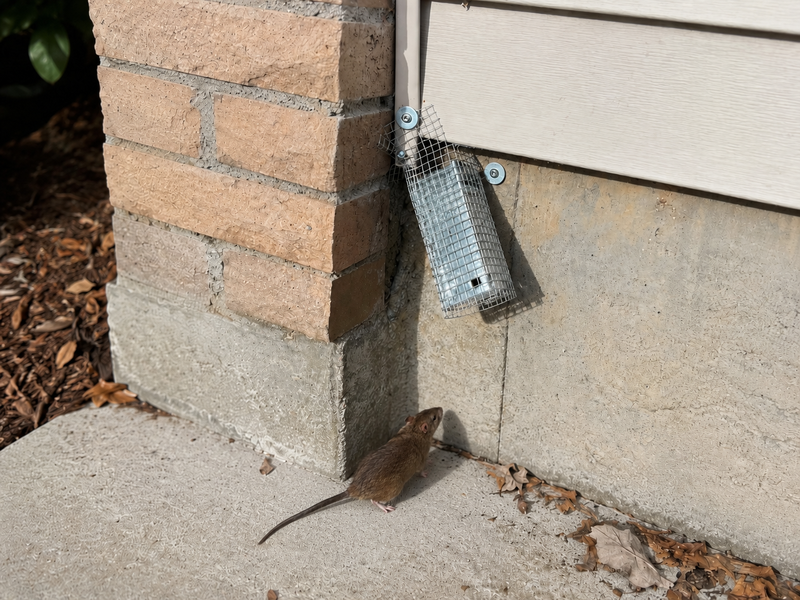
To reduce the chance of rats returning, we seal vulnerable openings and reinforce high-risk areas with durable galvanized steel screening. This wildlife-proofing work targets foundations, vents, utility gaps, rooflines, and other access points, providing long-term protection backed by Skedaddle’s lifetime guarantee.
By combining humane removal, careful cleanup, and durable exclusion work, Skedaddle provides a complete solution rather than a temporary response. This approach helps protect Montreal homes and businesses while addressing the underlying causes of recurring rat activity.

Health Risks That Can Follow Rat Activity
Rats can create health and safety concerns long before they are seen. In Montreal’s duplexes, apartment buildings, restaurants, and older homes, they may contaminate enclosed areas while moving between basements, kitchens, storage rooms, and shared walls.
Food and Preparation Areas Can Become Contaminated
Rat urine, droppings, saliva, and nesting debris can contaminate counters, stored food, cookware, and preparation areas. Contact with contaminated materials may expose people and pets to bacteria and other disease-causing organisms.
Droppings Can Affect Indoor Air
When dried droppings, urine, or nesting materials are disturbed, contaminated particles can enter the air. Sweeping or vacuuming affected areas without proper precautions may spread dust through basements, ventilation systems, and occupied rooms.
Parasites May Spread Beyond the Nest
Rats can carry fleas, mites, and ticks into buildings. Once a nest is established, these parasites may spread into living spaces and continue causing problems even after the animals have moved elsewhere.
Gnawing and Soiling Can Damage the Building
Repeated nesting can leave insulation, wall cavities, and storage areas heavily soiled. Rats also gnaw wood, plastic, pipes, and electrical wiring, increasing the potential for water damage, equipment failure, and unsafe electrical conditions.
Professional removal and decontamination help limit exposure while addressing hidden nesting areas, waste, scent trails, and structural damage.
Protect Your Property Before Rat Activity Spreads
Rat problems rarely disappear without addressing the nest, entry points, contamination, and conditions attracting them. Contact Skedaddle Humane Wildlife Control to schedule a professional rat assessment in Montreal. With over 30 years of experience, proven humane methods, and exclusion work supported by a lifetime guarantee, our team can provide a customized solution for your home or business. Book your assessment today and take the first step toward a cleaner, safer, and better-protected property.

Rat Complaints Are Rising in Montreal: Could Construction Be Driving Them Into Backyards?

Rats in Commercial Kitchens: Risks, Consequences, and Prevention
Are Rats Driving Your Customers Away? How To Ensure They Leave For Good
Frequently Asked Questions About Rats in Montreal
Common signs include dark droppings, greasy marks along walls, gnawed food packaging, damaged wiring, and scratching sounds at night. You may also notice burrows beneath decks, sheds, steps, or foundations. In older duplexes and triplexes, rats can move through shared walls, so activity heard in one room may originate from another part of the building. A persistent musky odour can also indicate a nearby nesting area.
Rats stay where they can reliably find food, water, and shelter. Garbage storage areas, compost, pet food, leaking pipes, cluttered basements, and openings around utility lines can make a property attractive. Rats also leave scent trails that help them navigate back to established feeding and nesting sites. Unless entry points, contamination, and attractants are addressed together, removing individual rats may provide only temporary relief.
The timeline depends on the size of the population, the number of entry points, the building’s condition, and whether rats are moving between neighbouring properties. Many removal and exclusion projects can be substantially completed in one day, while monitoring or follow-up visits may be needed for more complex situations. After inspecting the property, Skedaddle provides a customized written quote and explains the recommended removal, cleanup, and prevention timeline.
Humane rat removal begins by identifying active nesting areas, travel routes, food sources, and structural openings. Skedaddle technicians use species-appropriate removal and exclusion methods rather than relying on a temporary supply of traps or poisons. Once the rats are removed, contaminated materials and scent trails are addressed. Vulnerable openings are then secured to help prevent other rats from entering and re-establishing the population.
Yes. Rats are capable climbers and may reach rooflines using brick walls, drainpipes, cables, fences, vines, and overhanging branches. Damaged soffits, roof vents, gaps beneath flashing, and openings around utility lines can provide access to attics and upper wall cavities. Roof entry may be especially difficult to detect in attached homes, where rats can move between connected structures without appearing inside every unit.
Store-bought traps may catch an individual rat, but they rarely identify the full population, nesting site, contamination, or every access point. Poison can also create additional concerns if rats die inside inaccessible walls or ceilings. Professional service provides a complete assessment, safe removal, decontamination, and durable exclusion work. This is particularly important in multi-unit or connected buildings, where activity may extend beyond one room or property.

