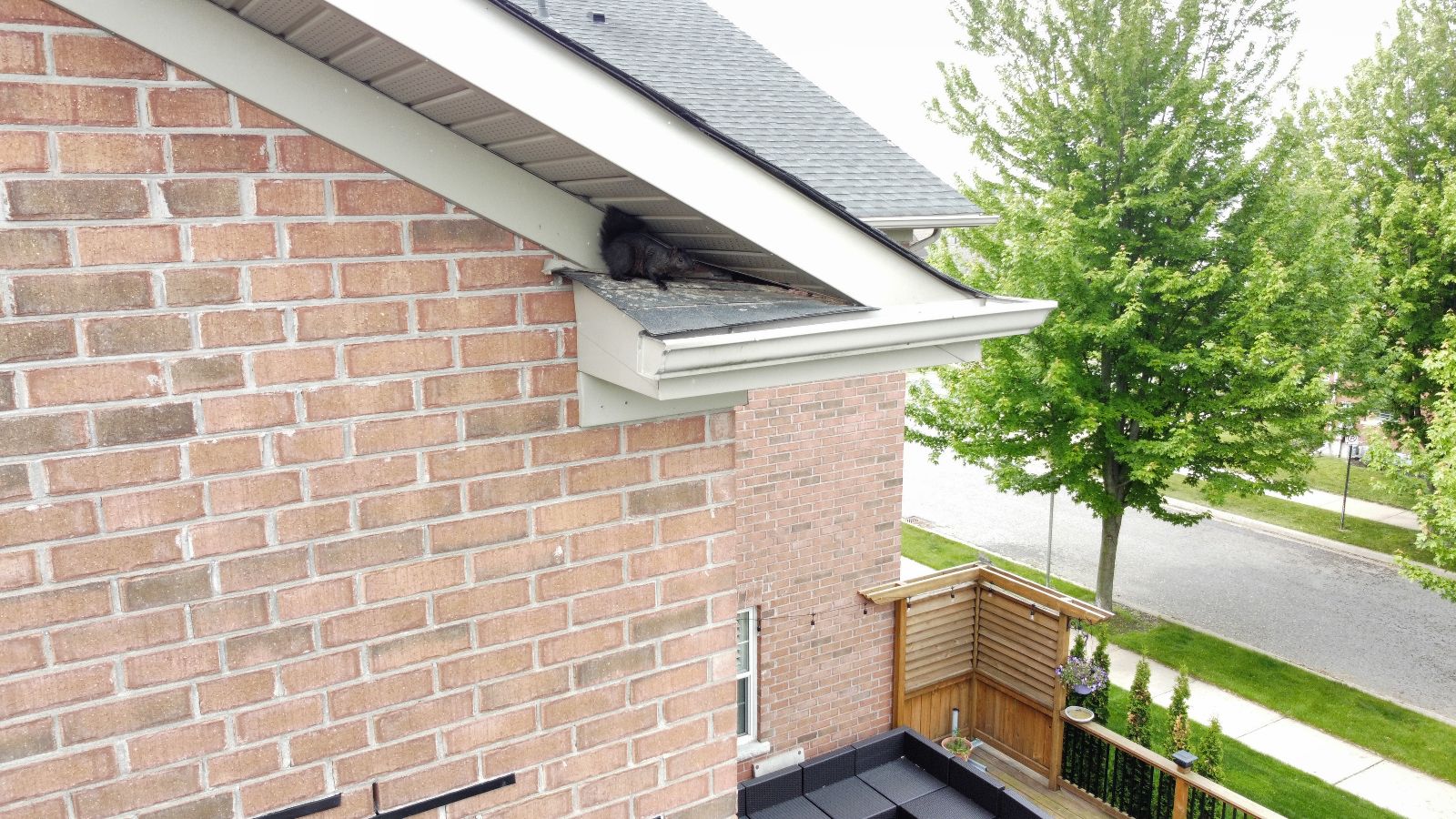

As Atlanta’s summer greens become autumn’s reds and oranges, we aren’t the only ones getting ready for cooler days. Squirrels in our neighborhoods are also preparing for the winter months.
While these energetic little animals are a delightful part of Atlanta’s scenery, their search for warmth can sometimes lead them straight inside our homes. They often turn attics and walls into cozy winter dens.
Understanding squirrel behavior is the first step to keeping your property from being an accidental wildlife shelter. This guide looks at how squirrel nesting habits work, why our homes seem so attractive to them, and what you can do to keep squirrel nests in Atlanta homes from becoming your reality.
The Science of a Squirrel’s Nest
Squirrels are surprisingly thoughtful builders. Their nests, called “dreys,” are made with care.
They build two main types of dreys:
- Leaf nests: Built in tree branches, these are used mainly in warmer months.
- Cavity nests: Made inside hollow spaces, like tree hollows, these nests are best for winter or raising babies.
Cavity nests offer better insulation and protect squirrels from cold weather, wind, and hungry predators. They can even be much warmer than the air outside—up to 20 degrees Fahrenheit. Because tree cavities are in short supply, squirrels get creative and start eyeing your home as an option.
The Autumn Scramble: Preparing for Winter
Fall is a busy time for squirrels. They spend most of their days searching for food, then hiding it away for the cold months ahead. One eastern grey squirrel might make thousands of little food stashes every year.
But food isn’t their only priority. Finding the perfect den is just as important.
A squirrel’s dream winter den is warm, dark, peaceful, and close to stored food. Attics, chimneys, and wall voids in Atlanta homes are exactly what squirrels want. This makes understanding squirrel nesting habits in Atlanta especially important for homeowners.
Your Home Through a Squirrel’s Eyes: Common Entry Points
Squirrels can be quite determined. They look for weak points and, with their strong teeth, can turn even a small gap into an entrance.
Their front teeth grow nonstop—about six inches every year—so they need to gnaw on things to keep them in check. That’s why even a tiny crack can become a way inside.
Look for these entry points:
- Roof vents and soffit gaps made from materials squirrels can chew through
- Gaps in siding or where two building materials meet
- Uncapped chimneys, which seem just like hollow trees to squirrels looking for winter squirrel dens in Atlanta
- Intersections where rooflines meet, offering protected corners to start widening an entry

The Dangers of Having Squirrel Nests in Atlanta Homes
When squirrels take up residence, they’re rarely quiet. The harm they cause can be expensive and risky.
One major risk is fire. Squirrels chew on a lot, including electrical wires. Chewed wires with exposed metal pose a serious danger. Electrical issues are a top cause of home fires, with wildlife sometimes making things worse.
Other common problems include:
- Shredded attic insulation, which reduces energy efficiency and raises bills
- Accumulation of urine and feces, causing bad odors and stains on ceilings or walls
- Chewed wood beams, PVC pipes, or supports
It’s not only about damage. Squirrels can introduce fleas or ticks into your home. The sounds of their running and scratching—especially early in the morning or late at night—can also be annoying and stressful.
Humane Prevention: Your First Line of Defense
Preventing problems is always better than trying to fix them. Keeping squirrels out in the first place is the most humane approach. By learning about squirrel nesting habits in Atlanta, you can better protect your space.
Here’s a quick checklist for prevention:
- Trim tree branches so they’re at least 6-8 feet from your roof
- Install a sturdy chimney cap to keep squirrels and other animals out
- Inspect and repair roof shingles, fascia boards, or soffits, especially at corners and joints
- Cover attic and gable vents with heavy-gauge wire mesh that squirrels can’t chew through
Why Professional Help is the Safest and Kindest Solution
If you think you already have squirrels inside, calling in a professional is important. Removing squirrels takes skill, especially since they may have babies two times a year—once in late winter, once in summer.
Simply sealing a hole doesn’t work. Determined squirrels will just chew another entrance not far away. At Skedaddle, we know how to spot all the entry points, not just the obvious ones.
At Skedaddle, we use a humane, effective method with a special one-way door. Squirrels can leave, but they can’t get back in. Once all squirrels are gone, experts seal the entries securely with materials that squirrels can’t chew. This stops new squirrel nests in Atlanta homes from forming.
Secure Your Home with Confidence
Your home is meant for you and your family, not for wildlife guests. When you know what attracts squirrels and how they act, you can take simple steps to make your home less appealing to them.
Check your home’s outside regularly to spot vulnerabilities. Prompt repairs go a long way in keeping you and the squirrels safe.
If you hear scratching or strange noises coming from your attic or walls, don’t ignore them. That could be an early sign of winter squirrel dens in Atlanta. Reach out to our team at Skedaddle for a full inspection. We provide humane, lasting solutions—so your home stays comfortable and secure.

 Loading...