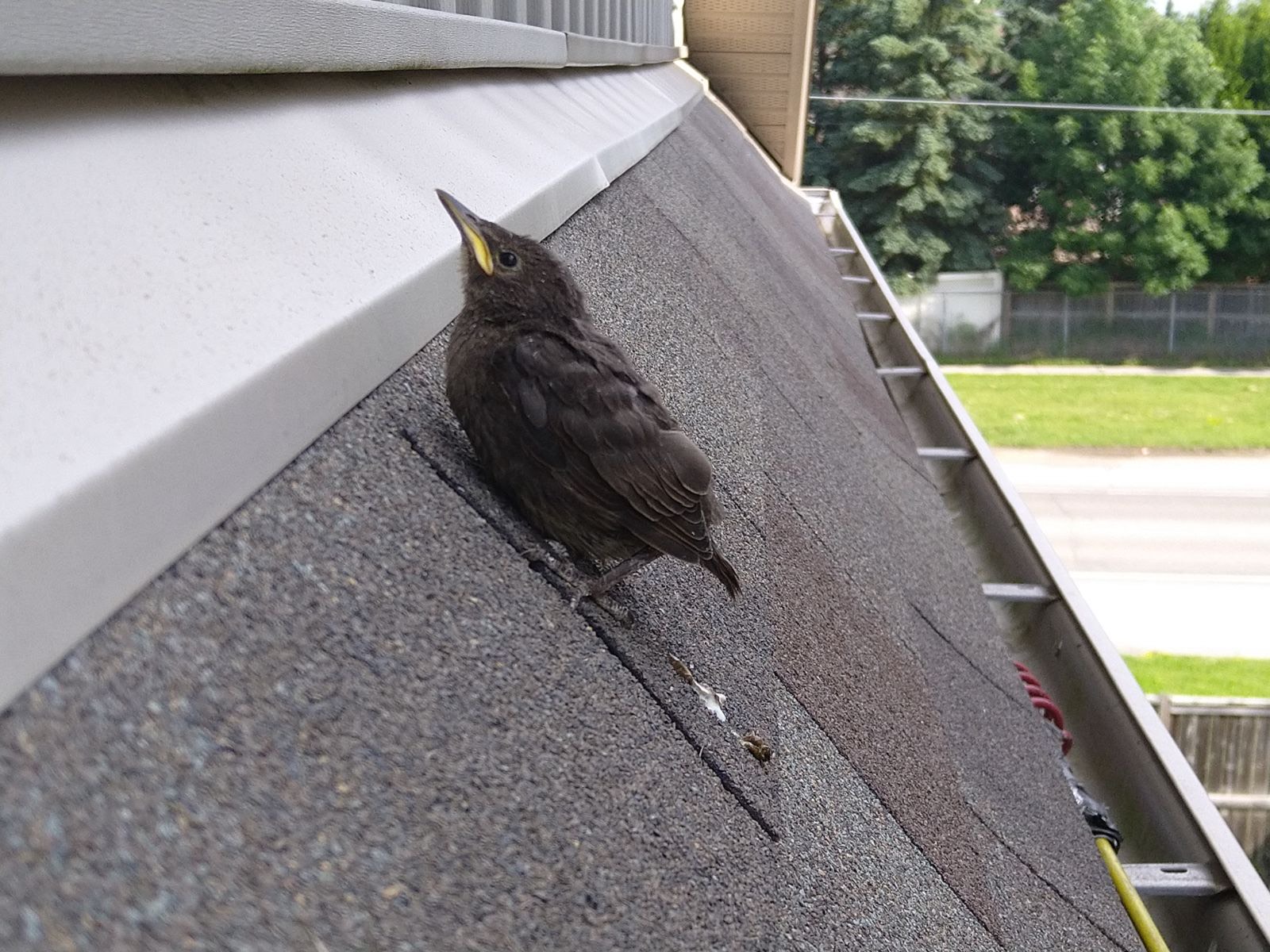

When winter comes to Georgia, you may expect most wildlife to slow down or move away. But many families still hear fluttering, tapping, and soft movement in vents, attics, or rooflines even in the coldest months.
The reason is simple: mild winters keep birds nesting in Georgia homes all year. You may not notice the change at first, but warmer temperatures help them stay active and look for places that feel safe. Your home becomes one of those places, especially when the winter season never gets cold enough to push them south.
You want to protect your home from mild winter bird problems, and understanding why this keeps happening is the first step. When the weather stays warm, these animals do not need to migrate, and they look for sheltered spaces with easy access and steady heat. Homes across Georgia offer everything they need: height, warmth, dry nesting spots, and protection from predators.
At Skedaddle Humane Wildlife Control in Georgia, we help families understand why this activity lasts all year and what makes houses such common nesting sites.
The rest of this guide explains the main reasons Georgia’s mild winters allow nesting to continue year-round, how the weather affects behavior, and why homes become long-term nesting spots.
Mild Winters Remove the Need for Migration
In many states, cold temperatures force birds to leave in search of warmer places. Georgia’s winter temperatures stay high enough that many species do not need to move at all. This change affects how they behave and where they choose to nest.
They stay active year-round because:
- Warm Temperatures Make Staying Easier: Migration takes energy, and only harsh weather pushes these animals to leave. Georgia stays warm enough through winter that staying put is the easier option. When they stay, they also keep using the same shelter sites, including attics, roof vents, and wall gaps.
- Food Sources Do Not Fully Disappear: Georgia’s winter weather does not cut off every food source. Seeds, insects, berries, and outdoor feeders stay available. With steady access to food, they do not need to move far.
- Longer Warm Spells Increase Activity: Warm days during winter help them search for new nesting spaces, return to old ones, and explore neighborhoods more often than in colder states.
Because the weather does not push them away, birds nesting in Georgia homes has become a year-round pattern.
Homes Offer the Warmth They Need for Nesting
Warmth is one of the biggest reasons homes stay attractive during Georgia’s mild winters. Even a small rise in temperature inside the roof or walls can feel like shelter to a small animal looking for a safe place to rest. Heat from the home moves upward and gathers in the attic, especially on cooler nights. The dry insulation in that space also holds warmth well and feels like natural nesting material, which makes it even more appealing.
Older vents can leak warm air, adding to the comfort inside these areas. Low winter winds in Georgia keep attic spaces steady and protected, creating a place where nests can form and stay undisturbed. This warmth helps these animals rest overnight, raise young earlier in the season, and return to the same spots again and again. When winter temperatures are not cold enough to push them out, they continue nesting indoors all year.
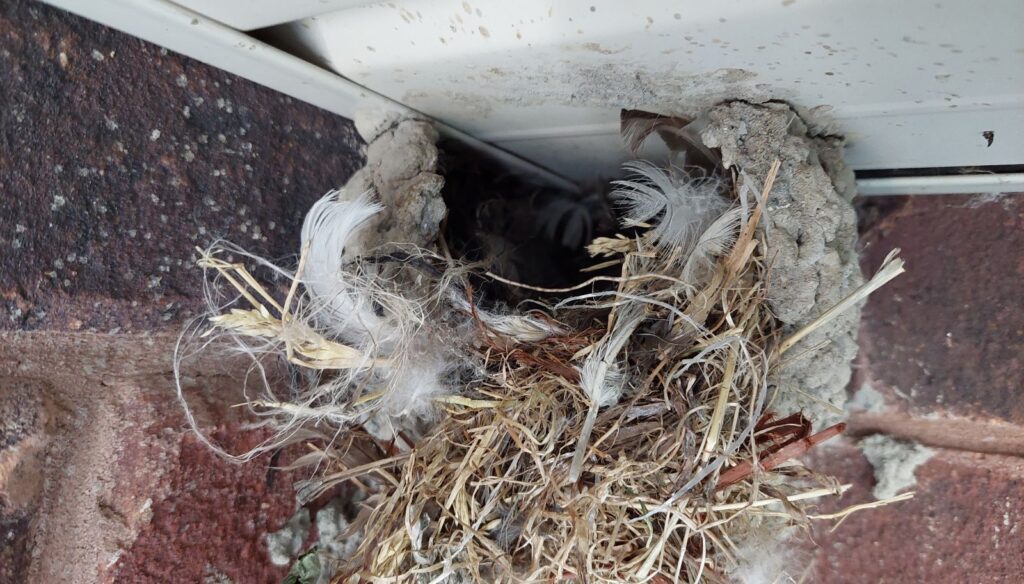
Georgia Homes Give Easy Access Points All Year
Mild winters do not just affect behavior. They also affect your home’s structure. In colder states, freezing temperatures seal gaps tightly as materials contract. Georgia’s warmer winter weather prevents this from happening, which means many houses stay open to wildlife throughout the year.
Here are some common reasons access points stay open:
- Roof Gaps Stay Flexible in Warm Weather: When wood and shingles do not freeze, they stay loose. That gives small animals a chance to squeeze through cracks around the roofline, soffits, or siding.
- Vents Stay Active Year-Round: Homes use heating systems more often in winter. Warm air moving through exhaust vents creates comfortable entry points and attracts wildlife to openings that may already be weak.
- No Hard Freezes to Seal Gaps: In colder states, freezing temperatures shrink materials and close small openings. Georgia’s winters rarely do this. Openings that allow birds nesting in Georgia homes remain open in every season.
- Storm Damage Lasts Longer: Wind and rain weaken shingles or screens, and warm winters delay repairs. These openings turn into nesting sites.
These access points invite nests to form even in months when other states see no activity at all.
Winter Shelter Needs Make Homes an Easy Choice
Even Georgia’s warmer climate still brings cold snaps, wind, and heavy rain. When those conditions hit, homes become reliable shelter with better protection than outdoor spots.
What do homes offer for birds?
- Dry Spaces for Nesting: Buildings provide dryness that natural spaces cannot guarantee during winter storms. Dry nesting material helps these animals stay warm and safe.
- Protection From Predators: Winter reduces foliage, leaving nests in trees more visible. A home hides a nest better than a branch can, especially in neighborhoods with hawks and other predators.
- High and Stable Structures: Attics, vents, and eaves sit higher than many natural nests. Height helps keep nests out of reach and makes indoor spaces feel secure.
These benefits explain why mild winter bird problems stay active even in months when residents expect less wildlife activity.
Georgia’s Winter Climate Encourages Early Nesting
Mild winters also change the timing of nesting. In places with harsh winters, nesting usually begins in spring, when temperatures finally warm up. But in Georgia, warm spells show up much earlier, and that invites wildlife to start nesting inside homes long before the season normally begins.
Some species begin searching for nesting spots weeks ahead of schedule because the warmth inside attics and vents makes the space feel safe. These areas stay warm through winter, giving them a head start without the risk of freezing temperatures. Many also explore nesting territories in January or February to claim a spot before spring. When a gap in a home provides easy access, they often return to the same location.
This early activity leads to year-round nesting because the cycle never fully stops. Warmer winters remove the break that usually forces wildlife to slow down, and that keeps nesting happening throughout the entire year.
Georgia’s Natural Landscape Supports Large Populations
Forested areas, neighborhoods with older homes, and urban parks keep wildlife populations steady. This means more animals are searching for nesting spots each winter.
Georgia’s natural environment supports them by:
- Providing food sources all year
- Offering tall trees for roosting and travel
- Giving easy paths from trees to rooflines
- Leaving many sheltered pockets where nests stay hidden
Warm winters help these populations stay active, so nesting activity in homes becomes more common.
Older Homes Create Even More Nesting Spots
Many Georgia neighborhoods have older homes with vents, siding, and roofing that have aged over time. Because winters stay mild, the natural wear-and-tear cycle slows down. That means small openings remain in place longer, giving wildlife easy access throughout the year.
Old vent covers often loosen or break, and worn rooflines create tiny gaps that are perfect for nesting. Chimneys and eaves that are rarely used can also stay open without anyone noticing. When these areas stay warm and dry, they become inviting spaces for nesting.
Mild winters allow these weak points to remain a problem all year, keeping older homes especially vulnerable to ongoing nesting activity.
How We Provide Year-Round Bird Prevention in Georgia
You want a safe home, and year-round nesting makes that harder. This is not something homeowners should solve on their own. At Skedaddle, we inspect every part of the home to find nesting spots, openings, and hidden gaps. We use humane one-way doors to let wildlife exit safely while preventing re-entry. We then secure and protect the structure so nesting does not return.
Our team also gives long-term guidance so you know how to keep your home safe in every season. Georgia’s mild winters make nesting a year-round issue, but with our help, you get a clear plan that protects your home through every climate shift.
A Home Protected From Year-Round Nesting
Birds nesting in Georgia homes has become a year-round issue because mild winters let them stay active in every season. You do not get the long freezes that force wildlife to leave, and homes offer warmth, shelter, and protection they cannot always find outdoors. You deserve a home free from mild winter bird problems, and the best way to get year-round bird prevention in Georgia is with trained support.
At Skedaddle Humane Wildlife Control in Georgia, we help protect your home with humane, long-lasting methods. We know where nests form, how wildlife enters, and what steps keep your home secure. Request an estimate to learn more, and let us help you keep your home safe and peaceful in every season.

 Loading...







