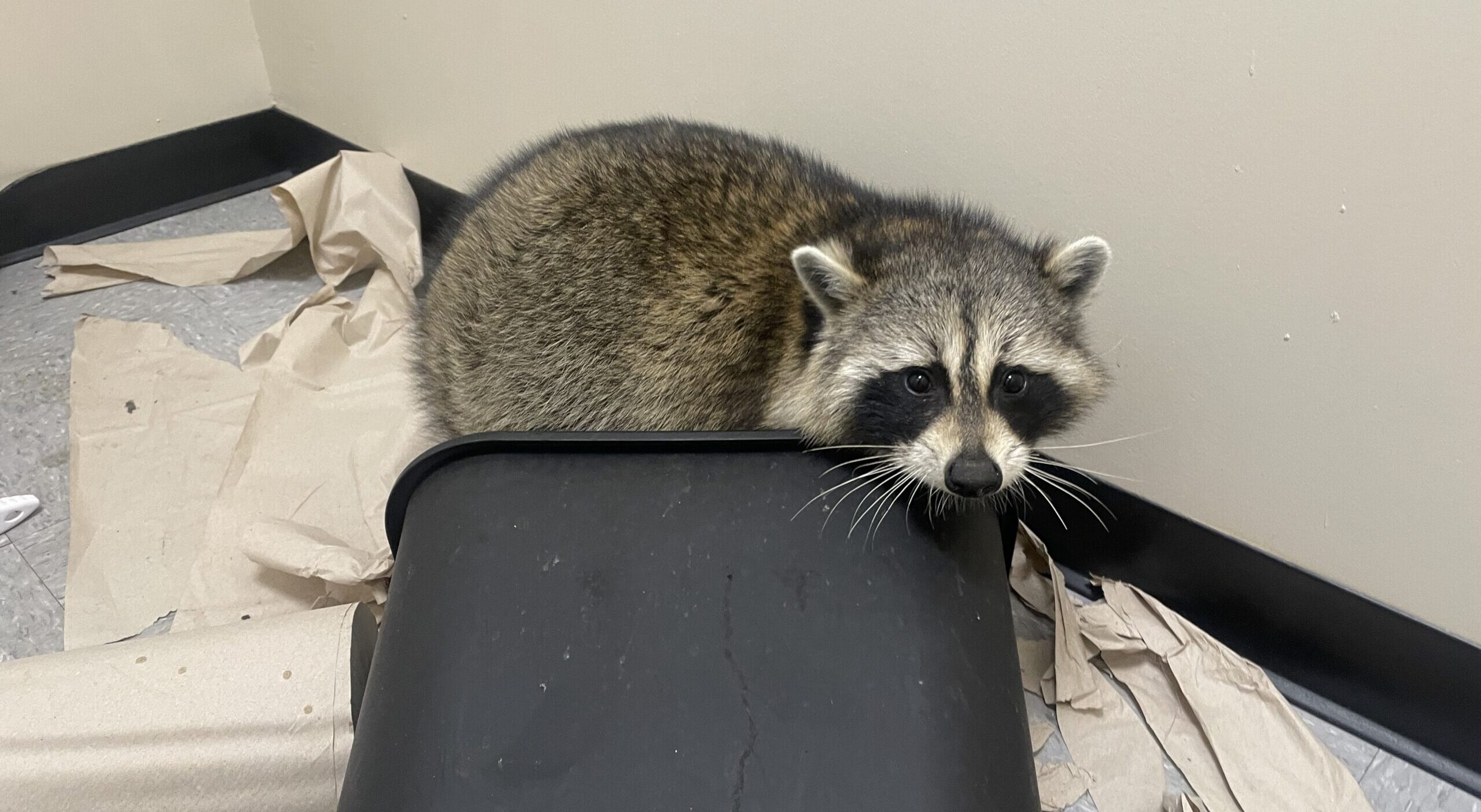
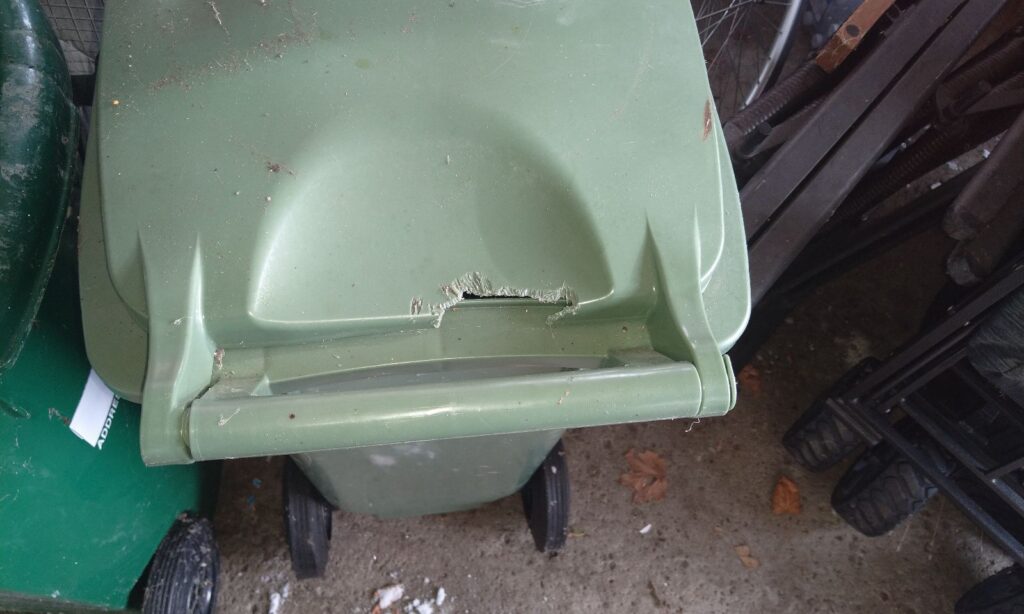
You put the green bin out the night before pickup. You wake up to find the lid pried open, food scraps scattered across the driveway, and muddy prints trailing across the lawn. You clean it up, reset the bin, and figure it was a one-time thing. But the next green bin day, the same thing happens again.
Your property may be accidentally feeding wildlife without you even realizing it. Green bins, recycling containers, backyard compost, outdoor freezers, and barbecue grease are all food sources that pull raccoons, skunks, and other animals to your property on a regular basis. These animals are smart and they learn fast. Once they find a reliable food source at your home, they keep coming back and over time, they start seeing your home as more than just a place to eat.
At Skedaddle Humane Wildlife Control in Oakville, we work with homeowners across the area every season and hear this story all the time. In this blog, you will learn exactly which parts of your property are accidentally feeding wildlife, why that regular food access creates a bigger problem than most people expect, and what our team does when these animals move from the yard into your home.
Is It Illegal to Feed Wild Animals in Ontario?
In Ontario, intentionally feeding wildlife is not always illegal under provincial law, but many municipalities, including Oakville, have bylaws that restrict or ban it in residential areas. These bylaws exist because regular feeding causes real problems. It draws large numbers of animals into neighbourhoods, makes them bold around people, and increases the chance they end up inside homes. Feeding wildlife, even by accident, changes their behaviour in ways that create lasting problems for the whole street.
Whether or not a bylaw applies to your situation, the result of feeding wildlife is the same. These animals lose their natural fear of people and structures. They link your property with food, come back regularly, and eventually start exploring the home itself, the shed, the deck, the soffit, and the attic. What started as a tipped green bin can become a raccoon denning under the deck or a skunk nesting near the foundation.
The most important thing to know is that you do not have to be trying to feed these animals for the problem to start. Common property features like green bins, compost, and barbecue grease attract wildlife whether you intend it or not. The goal here is to help you see your property the way these animals do, so you can understand why they keep showing up and what our team can do when the situation goes beyond the yard.
Green Bins
Green bins are one of the biggest attractants for wildlife in Oakville neighbourhoods. The smell of food waste travels much further than most people realize, and these animals can pick it up from a long distance away. Here is why green bins draw so much attention:
- The Smell From Green Bins Reaches Further Than You Think: Food scraps, meat packaging, and organic waste all produce strong smells that these animals can detect from far away. A green bin sitting outside overnight is basically sending out a food signal to every raccoon and skunk in the area. The smell is strongest in warm weather, which makes spring and summer the most active seasons for green bin raiding in Oakville.
- Standard Green Bin Lids Are Easy to Open: Most standard green bins have a latch or lid that does not put up much of a fight against a determined raccoon. These animals have strong, nimble front paws and can figure out simple latches quickly. Once a bin has been opened successfully, that same animal comes back to it every collection night. It does not forget.
- Putting Bins Out the Night Before Extends the Exposure Window: Many Oakville residents put their green bins out the evening before pickup, which means the bin sits outside all night. That overnight window is exactly when these animals are most active. A bin outside from 8 pm to 7 am gives wildlife ten or more hours to find it, open it, and empty it. Putting bins out as late as possible on the morning of collection makes a real difference.
Recycling
Recycling containers are not just paper and plastic to wildlife; they can look and smell like a food source too. Here is why recycling contributes to attracting these animals:
- Food Residue in Recycling Containers Produces a Strong Smell: Cans, bottles, and containers that held food or drink still carry residual smell even after rinsing. Juice containers, pet food tins, and takeout packaging all hold enough scent to draw these animals in. A recycling bin left outside overnight next to a green bin doubles the scent signal coming from your property. These animals do not separate organic waste from rinsed containers; they investigate anything that smells like food.
- Loose or Open Recycling Bins Are Easy to Knock Over: Many recycling containers have no lid or a lid that does not latch. These animals can tip them over with very little effort, spreading the contents across the yard. A knocked-over recycling bin creates a mess and reinforces the habit of visiting your property. It also spreads the smell of the contents across a wider area, pulling in more wildlife to the same spot.
- Recycling Put Out the Night Before Creates the Same Problem as Green Bins: Like green bins, recycling left out the evening before collection sits through the most active period for these animals. The combination of green bin and recycling at the curb overnight creates a strong food signal that draws animals from a wider area. Our team sees this pattern over and over in Oakville neighbourhoods where regular wildlife activity is reported.
Compost
A backyard compost bin or pile is one of the most consistent food attractants on a residential property. Unlike a green bin that only goes out once a week, a compost setup is present every single day, and the smell it gives off gets stronger as the material breaks down.
Raccoons, skunks, and mice are all drawn to compost because it gives them a steady supply of organic material in an easy-to-access location. A compost bin with a simple lid or no lid at all is very easy for these animals to get into. They do not just eat what is on top; they dig through the material to find the best scraps, which spreads the compost across the yard and creates a real mess in the process.
The bigger problem with compost is how close it usually sits to your home. A bin near the fence line or along the back of the garage brings these animals right to the edge of your structure every day. Animals that visit the compost regularly start exploring the nearby structure, checking the gap under the garage door, looking at the soffit above, and finding any opening that offers shelter near their food source. The compost brings them close. The structure is what they move into next.
Outdoor Freezers
An outdoor or garage freezer is not something most homeowners think of as a wildlife attractant, but it can be. Here is why outdoor freezers pull these animals closer to your home:
- Freezer Seals Break Down Over Time and Let Smells Escape: The rubber seal around a freezer door breaks down with age, especially in a garage or outdoor space where temperatures change a lot through the seasons. As the seal wears out, smells from the contents start to escape. Meat, fish, and other frozen food produce enough scent for these animals to pick up, and it draws them to investigate the garage or the area around the freezer.
- Garage Doors Left Open Give Wildlife Direct Access: A freezer stored in a garage that is frequently left open even for short periods becomes accessible to wildlife in the area. Raccoons that get into a garage looking for food will check the freezer, other storage containers, and any gap that leads further into the home. A garage is not a sealed space, it connects to the rest of your home through interior doors and utility openings that these animals can find and use.
- Chest Freezers Stored Outside Are Even More Vulnerable: A chest freezer on the deck or in the backyard has nothing between it and the animals in the neighbourhood. Even a well-sealed freezer gives off some smell that draws wildlife close, and the area around it becomes a regular spot for investigation. Animals spending time near an outdoor freezer are close to your home’s exterior and are more likely to find and use any weak entry point in the structure.
Barbecue Grease
A barbecue is one of the most overlooked attractants on a residential property. The grease, food residue, and fat that build up in and around a barbecue give off a strong smell that draws these animals in, especially raccoons and skunks. Here is why barbecue grease is such a consistent problem:
- Grease Traps and Drip Pans Collect Fat That Smells Strong: The grease trap and drip pan underneath a barbecue collect fat and food residue every time the grill is used. Even a small amount of built-up grease gives off a strong smell that these animals can detect from a distance. A barbecue that has not been cleaned in a few weeks is essentially a food source sitting on your deck, advertising itself to every raccoon in the neighbourhood.
- Barbecue Covers Do Not Block the Smell: A barbecue cover keeps rain off the grill but does nothing to contain the smell of grease and residue inside. The smell gets through and around the cover no matter how well it fits. Animals that pick up that smell will investigate the barbecue, the deck around it, and the structure nearby. A raccoon that climbs onto your deck to check the barbecue is already exploring the outside of your home.
- Grease Around the Barbecue Spreads to the Deck and Draws More Animals: Fat and grease that drip from the barbecue during cooking or that get tracked around the deck by curious animals spread the scent over a wider area. That spreading scent draws more animals to the same spot and increases how much time they spend on your deck. A deck with regular wildlife activity is a deck where these animals are also checking the fascia above, the gap under the door, and any entry point within reach.
Wildlife Problems in Oakville
Oakville’s established neighbourhoods, mature trees, and green spaces along the waterfront and creek corridors create ideal conditions for a large and active wildlife population. These animals move through residential areas every night and have learned to use the food sources that residential properties provide. Our team at Skedaddle works across Oakville every season and sees the same pattern repeat, properties with regular food attractants in the yard are the ones that end up with wildlife inside the home.
Spring and fall are the two busiest seasons for wildlife activity in Oakville. Spring brings animals out of their winter patterns and into active foraging mode, and it is also when females are looking for den sites near reliable food sources. Fall drives these animals to eat as much as possible before winter and to find warm, sheltered spots close to their food supply. Both seasons put a lot of pressure on residential properties that have attractants like green bins, compost, and barbecue grease in regular use.
Oakville’s collection schedule, with green bin day falling on the same day each week, creates a pattern that these animals learn and follow. Our team hears from homeowners throughout the city who notice wildlife activity on their property spikes on the same night every week. These animals have mapped out the collection schedule in their territory and plan their nightly routes around it. The food access drives the behaviour, and the behaviour eventually leads them to the structure.
Wildlife Removal and Prevention with Skedaddle
When you call our team at Skedaddle, we start with a full inspection of your property, the outside of the home, the yard, and all the areas where attractants are present. We check where these animals are getting access, what is drawing them to your property, and whether any have already found their way into the structure. That full picture is what lets us deal with both the immediate situation and the conditions that created it.
Where these animals have gotten into the home, under the deck, into the attic, or through a roofline opening, we put one-way doors at the active entry points. These let the animals get out on their own but stop them from coming back. After the structure is clear, we seal every opening with materials that hold up long-term. Homeowners should never try to seal entry points on their own, especially without knowing whether animals are still inside.
Cleanup and long-term prevention are the last steps. Our team removes droppings, treats contaminated areas, and fixes the structural conditions that made your home a target. We also talk through what is happening in the yard that may be contributing to the problem. You do not need to handle any materials or manage any part of this yourself. Call our team at Skedaddle Humane Wildlife Control in Oakville the moment you notice regular wildlife activity on your property and let us take care of it from start to finish.
Frequently Asked Questions
Does Oakville have bylaws about wildlife attractants like green bins and compost?
Yes. The Town of Oakville has bylaws related to wildlife attractants and unsecured waste. Property owners are expected to store waste in a way that does not attract wildlife. Our team can help identify what on your property may be pulling wildlife in and advise on what changes would help.
How do I know if wildlife has moved from my yard into my home?
Common signs include scratching or thumping sounds from the attic, walls, or under the deck at night, droppings near the foundation or roofline, damage to vents or soffits, and a musky smell near the outside of the home. If you notice any of these signs, call our team for an inspection before the situation gets worse.
Can wildlife smell food inside my garage?
Yes. Raccoons and other wildlife have a very strong sense of smell and can detect food through garage walls, especially near doors and vents. An outdoor freezer with a worn seal, open recycling, or stored pet food all give off enough scent to draw these animals close to your home on a regular basis.
Will wildlife stop coming to my property if I remove the attractants?
Cutting down on attractants will reduce how much time these animals spend on your property. However, animals that are already established in or under your home will not leave just because a food source is removed. Our professional removal and sealing are still needed for any active situation in or on the structure.
Is it safe to approach wildlife that comes to my green bin?
No. These animals should never be approached, cornered, or handled. Raccoons in particular can carry rabies and other diseases, and they can become aggressive if they feel threatened. Keep your distance and call our team if wildlife activity on your property is becoming a regular problem.
What should I do if I find droppings near my green bin or on my property?
Do not handle droppings without proper protective equipment. Wildlife droppings can carry bacteria and parasites that create health risks. Call our team and let us assess the situation and handle any cleanup safely.
Your Property Has More Going On Than You Think, Call Skedaddle Today
Green bin day is just one night a week. But the habits these animals develop from visiting your property do not go away when the bin is empty. They come back the following week, and the week after that. At some point, they stop just visiting for food and start looking at your home as a place to stay.
That shift happens faster than most homeowners expect. A raccoon that has been raiding your green bin for a few weeks is already familiar with your property. It knows the layout, it knows when things are quiet, and it is checking your roofline and deck for a way in.
The sooner you call, the easier it is to break that pattern before it turns into something bigger.
At Skedaddle Humane Wildlife Control in Oakville, our team helps homeowners figure out what is drawing wildlife to their property and what to do when those animals have already moved in. We handle the full process, inspection, removal, sealing, and cleanup. You do not need to manage any of this yourself. Request an estimate today and let our team assess your property before the situation goes any further.

 Loading...







