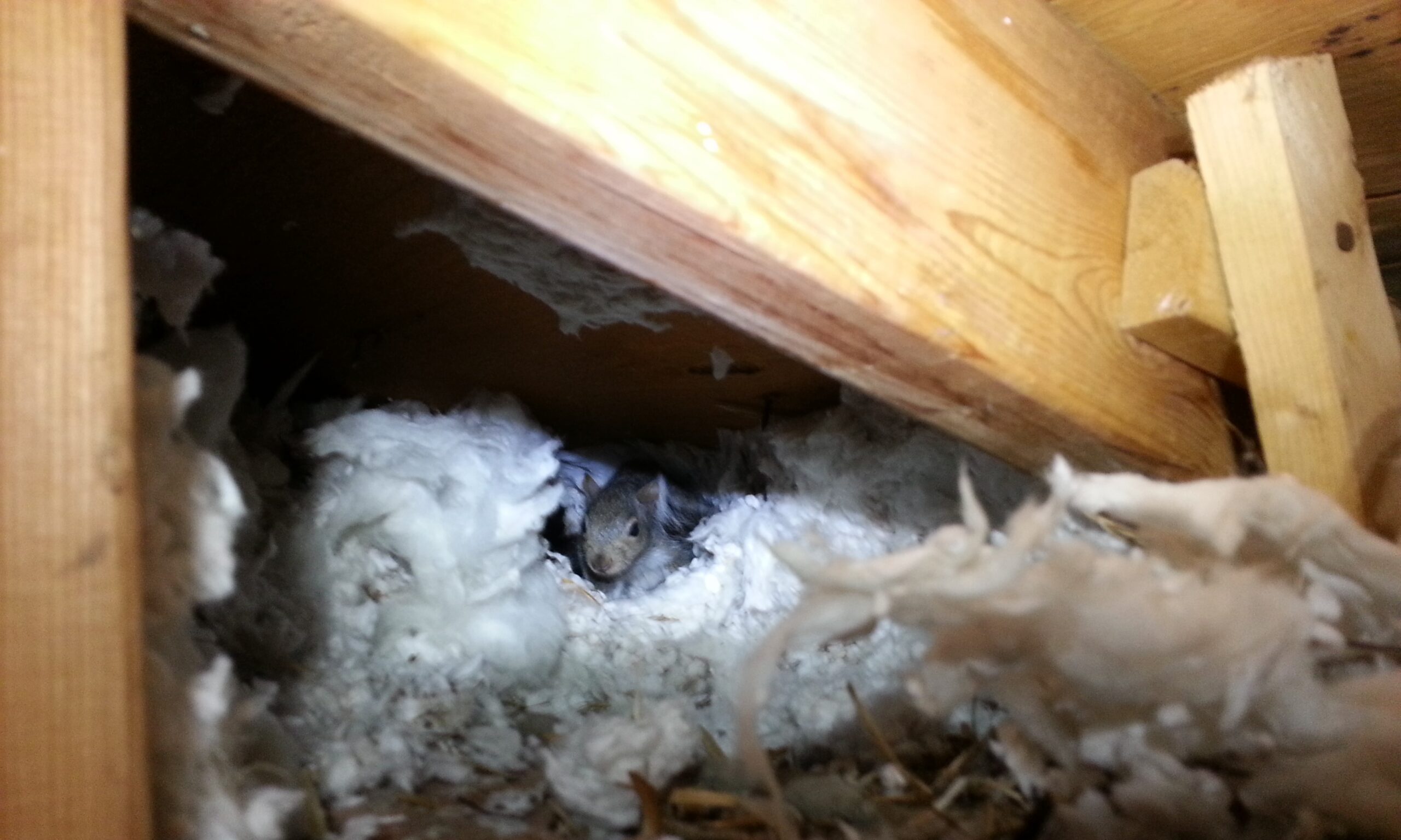
You might not notice the problem at first. A faint scratching sound. A small stain on the ceiling. A loose piece of siding that wasn’t there before. But over time, these small signs can point to something much bigger. In Oakville, animals like squirrels are known for causing serious structural damage once they find a way inside a home.
You may be surprised by how much harm they can cause in a short amount of time. Structural damage caused by squirrels can affect wiring, insulation, wood, and even the safety of your home. That’s why squirrel damage repair in Oakville often starts with proper wildlife control before repairs can even begin.
At Skedaddle Humane Wildlife Control in Oakville, we help homeowners understand what’s happening inside their homes and why fast action matters.
In this article, you’ll learn what structural damage caused by squirrels looks like, how it affects your home, and when squirrel removal services in Oakville and wildlife control for squirrel infestations are needed.
What Structural Damage Caused by Squirrels Really Means
You may think of squirrels as harmless animals outside, but once they enter a home, their behaviour changes. Inside, they chew, tear, and nest to survive. This activity causes damage to parts of the home that are not meant to handle constant gnawing or pressure.
Structural damage caused by squirrels often begins in hidden areas like attics, walls, and rooflines. Small entry points quickly turn into larger openings. Over time, this damage can weaken parts of the home and lead to costly repairs. That’s why squirrel damage repair in Oakville usually involves more than fixing what you can see.
Damage to Electrical Wiring and Fire Risks
You may not realize it, but chewing is constant for squirrels. Their teeth never stop growing, so they gnaw on hard materials to keep them worn down. Unfortunately, electrical wiring is often in their path.
When wiring is damaged, here are a few of main risks.
- Exposed Wires Can Lead to Short Circuits: When squirrels chew through the protective coating around wires, live wiring can become exposed. This can cause short circuits that affect lights, outlets, or appliances in your home. What starts as a small electrical issue can grow into a much bigger problem if the damage continues.
- Damaged Wire Coatings Increase the Chance of Sparks: Wires are insulated to keep heat and electricity contained. When that insulation is chewed away, electricity can jump or overheat nearby materials. This is especially dangerous in attics, where wood and insulation are often dry and packed closely together.
- Fire Risks Become Much More Severe Over Time: Even minor wire damage can raise the risk of fire. A single spark near insulation or framing can ignite without warning. Many homeowners don’t realize there’s a problem until they notice flickering lights, power outages, or a burning smell coming from inside the home.
Because this type of damage happens out of sight, it often goes unnoticed for long periods. That’s why wildlife control for squirrel infestations must come first. If animals are still present, wiring damage can continue even after electrical repairs are made, putting the home at ongoing risk.
Insulation Damage and Energy Loss
You rely on insulation to keep your home warm in the winter and cool in the summer. When squirrels get inside, they often tear insulation apart to build nests or create pathways through the attic. As the insulation breaks down, heat escapes more easily during colder months, energy bills increase, and cold drafts can begin to form throughout the home.
Once insulation is damaged, it can no longer do its job properly. In many cases, squirrel damage repair includes removing insulation that has been torn or contaminated after the animals have been humanely removed. Repairing insulation without proper squirrel removal services allows the problem to return, as squirrels will continue to access and damage the same areas.
Damage to Wood, Siding, and Roof Areas
You may first notice chewed wood or loose siding on the outside of your home. This is often how squirrels gain access in the first place. Roof edges, soffits, vents, and fascia are common targets because these areas are easier for animals to break through.
Common issues include:
- Enlarged Entry Holes: Small openings can quickly become much larger once squirrels start chewing. As they return to the same spot, the damage spreads and weakens the surrounding material. These enlarged holes make it easier for more animals to enter.
- Weakened Rooflines: Chewing and repeated movement along roof edges can weaken important structural areas. Over time, this can cause sections of the roofline to sag or shift. Weak rooflines also make future damage more likely.
- Water Entering Through Damaged Areas: Once openings exist, rain and snow can enter the structure. Moisture can soak into wood and insulation, leading to rot and long-term damage. This often creates additional repair needs beyond the original entry point.
Over time, this type of damage can spread beyond the original area. That’s why wildlife control for squirrel infestations focuses on stopping access first, before any repairs are completed. Securing the home helps protect repaired areas from future damage.
Attic and Wall Contamination
You may never go into your attic or inside your walls, but squirrels often do. Once inside, they build nesting areas using insulation, wood, and debris they find around them. These nesting areas quickly become contaminated as activity continues.
Droppings, nesting material, and moisture buildup can spread into surrounding areas over time. This contamination often leads to strong odours and can affect the air quality inside your home. In many cases, squirrel damage repair includes proper cleanup after wildlife has been removed, as leaving these areas untreated can allow problems to linger or worsen.
Why Structural Damage Gets Worse Over Time
You may hope the problem will go away on its own, but squirrel activity rarely stops without intervention. Once an animal feels safe inside a structure, it will continue returning to the same areas unless access is prevented. This allows damage to continue growing out of sight.
As time passes, small entry points can become much larger, and damage can spread into new parts of the home. Repairs also tend to become more expensive as materials weaken and moisture gets involved. That’s why early wildlife control for squirrel infestations plays such an important role in protecting the home and preventing repeat issues.
Other Risks Associated with Squirrel Infestations
You may think the damage is only to your home, but squirrel infestations also bring safety and health concerns. These risks often increase the longer animals remain inside the structure.
- Aggressive Behaviour When Young are Present: Squirrels may appear calm outside, but behaviour can change quickly when they are nesting. Mothers defending their young can become aggressive if they feel threatened. This increases the risk of bites or scratches if people or pets come too close.
- Parasites Spreading Through the Home: Squirrels can carry parasites such as fleas and ticks. These parasites don’t stay in one place and can spread into living areas over time. Once inside, they can affect people and pets, even after the animals are gone.
- Increased Risk the Longer Infestations Continue: The longer squirrels remain inside a home, the greater the risk becomes. Nesting materials, droppings, and parasites continue to build up. Addressing the problem early helps limit these risks and prevents further spread.
Why Wildlife Control Comes Before Repairs
You may want to fix visible damage right away, but repairs should never happen before proper wildlife control. If animals are still present in the home, any repairs made are at risk of being damaged again.
Without squirrel removal services:
- New Damage Can Occur Overnight: Squirrels are active and persistent, especially once they’ve made a home inside. Even after repairs are completed, new chewing or nesting can happen within hours. This quickly undoes repair work and adds new damage.
- Animals May Chew Through Fresh Materials: New wood, insulation, or wiring can attract even more attention from squirrels. Fresh materials are often easier to chew through than older ones. This puts recently repaired areas at immediate risk.
- The Infestation Can Restart: If squirrels are not fully removed, they will continue using the same entry points. This allows the infestation to repeat, even after repairs are finished. Over time, this cycle leads to higher repair costs and more disruption.
How Skedaddle Handles Squirrel Removal in Oakville
You should never try to handle a squirrel problem on your own. At Skedaddle Humane Wildlife Control, our professional wildlife team focuses on humane, effective solutions that protect both the home and the animal.
We use one-way doors that allow animals to leave the structure but prevent them from re-entering. This method removes squirrels safely without trapping or relocating them. Once the animals are out, we focus on securing entry points to help prevent future infestations.
This approach allows squirrel damage repair to move forward safely and correctly.
Squirrel Damage Repair in Oakville Starts with the Right Help
You don’t need to guess what’s happening inside your home. Structural damage caused by squirrels follows clear patterns, and early warning signs matter. Chewed wiring, torn insulation, and hidden nesting areas can affect safety, comfort, and long-term home value if left unaddressed.
Homes benefit from timely squirrel damage repair when problems are caught early. In situations where activity continues, reliable squirrel removal services help stop further damage before it spreads. Long-term protection often depends on wildlife control for squirrel infestations that focuses on prevention, not just removal.
If you’re noticing signs of activity or ongoing damage, our professional wildlife team at Skedaddle Humane Wildlife Control in Oakville can help. Request an estimate to learn more and protect your home before the situation gets worse.

 Loading...







