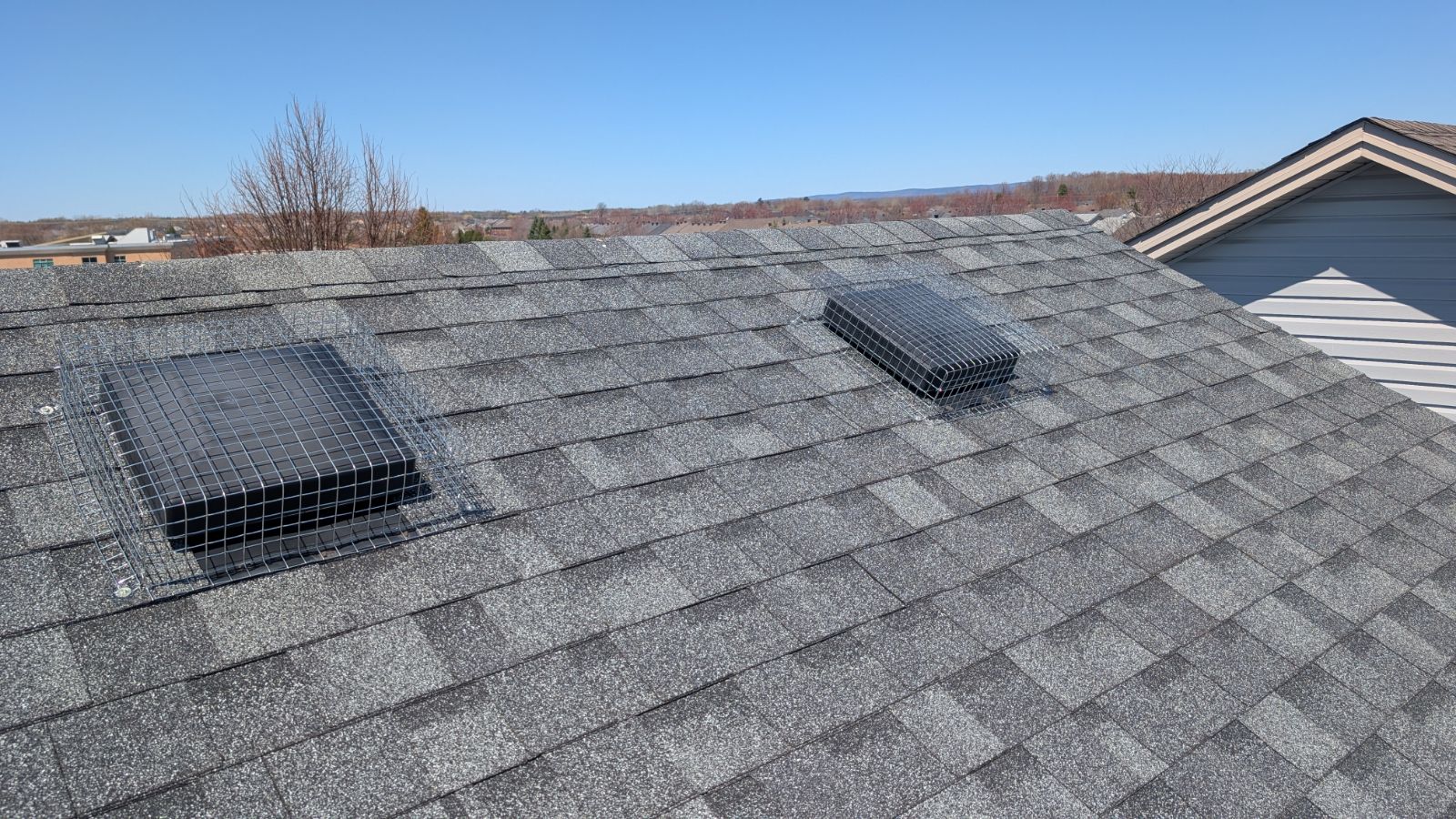
When homeowners think about raccoon entry points, they often picture damaged soffits or loose shingles. However, during a recent Ottawa-area service call, the source of the problem was something much less obvious: an exposed roof vent. What appeared to be a minor vulnerability from the outside had become a direct pathway into the attic for a determined raccoon.
This real-life wildlife removal story highlights an important lesson for homeowners. Small weaknesses along a roofline can go unnoticed for years, but to a raccoon searching for a safe place to den, they can be an open invitation. The good news is that with humane removal methods and proactive prevention, wildlife problems like these can be resolved while helping prevent them from happening again.
Why Raccoons Target Roof Vents
To a raccoon, a roof vent can look like the perfect opportunity. Elevated above the ground and often located near a warm attic space, vents provide access to the kind of sheltered environment raccoons seek when resting or raising their young. If a vent is damaged, poorly secured, or missing proper screening, a determined raccoon can quickly turn it into an entry point. Unfortunately, these vulnerabilities are often difficult for homeowners to spot from the ground, allowing wildlife activity to develop unnoticed.
The Ottawa Service Call: A Small Opening with a Big Impact
During this Ottawa-area service call, the source of the attic activity was traced back to a vulnerable roof vent. From the ground, it may not have looked like a serious issue. Up close, however, the opening provided exactly what a raccoon needed: access to a quiet, sheltered attic space.
Once inside, raccoons can quickly create disruption and damage. Common signs homeowners may notice include:
- Scratching or thumping sounds above the ceiling
- Disturbed or compressed attic insulation
- Damaged vent covers or roofline materials
- Droppings or strong odours in attic spaces
- Nesting materials near the entry point
- Repeated raccoon activity on the roof
This call is a clear reminder that even one exposed vent can lead to a larger wildlife problem. What begins as a small exterior weakness can become an active den site if it is not professionally addressed.
What Technicians Found During the Inspection
After identifying the roof vent as the primary entry point, our technicians conducted a comprehensive inspection of both the exterior and interior of the home. While the exposed vent had allowed the raccoons into the attic, it was important to determine whether there were any additional vulnerabilities that could create future problems.
Wildlife rarely enters a home by accident. In many cases, they take advantage of multiple weak points along a roofline or exterior wall.
During inspections, technicians commonly assess areas such as:
- Roof vents and exhaust vents
- Soffits and fascia
- Roof intersections and flashing
- Plumbing stack openings
- Construction gaps around the roofline
- Attic insulation and nesting areas
- Signs of wildlife-related damage
In this Ottawa home, the inspection confirmed that the roof vent was the primary concern. However, it also highlighted how easily similar vulnerabilities can go unnoticed. Many of the most important wildlife entry points are hidden from view, making professional inspections a critical part of preventing future attic intrusions.
Humane Raccoon Removal Comes First
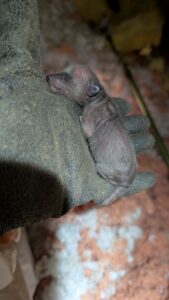 Once the raccoons were located, the next priority was removing them safely and humanely. At Skedaddle, our approach focuses on resolving wildlife conflicts without causing unnecessary stress to the animals or creating additional problems for homeowners.
Unlike methods that rely on trapping and relocating wildlife, our process works with natural raccoon behaviour. This is especially important during denning season when young raccoons may be present inside the attic.
Our humane removal process focuses on:
- Safely removing raccoons from the attic space
- Ensuring all animals are accounted for
- Reuniting mothers and young when necessary
- Reducing stress throughout the removal process
- Preparing the home for permanent exclusion work
The goal is not simply to get raccoons out of the attic. It’s to ensure they leave safely while addressing the conditions that allowed them to enter in the first place. By combining humane removal techniques with long-term prevention strategies, we help homeowners achieve a lasting solution rather than a temporary fix.
Why Roof Vent Screening Matters
Removing the raccoons was only part of the solution. To prevent future attic intrusions, the vulnerable roof vent needed to be professionally secured. Without proper protection, another raccoon, or even a different wildlife species, could eventually take advantage of the same opening.
Roof vents play an important role in maintaining airflow throughout a home, which means they cannot simply be blocked off. Instead, they require durable screening that allows ventilation to continue while preventing wildlife access.
Professional vent screening provides several important benefits:
- Protects vulnerable roof openings from wildlife entry
- Maintains proper attic ventilation
- Helps prevent future raccoon intrusions
- Provides a stronger barrier than many standard vent covers
- Reduces the risk of recurring wildlife damage
- Supports long-term home protection
In this Ottawa case, installing professional screening transformed a vulnerable entry point into a secure one. It’s a simple step that can make a significant difference, especially for homes surrounded by mature trees or located in neighbourhoods with active raccoon populations.
When it comes to wildlife prevention, some of the most effective solutions are the ones homeowners never notice, but wildlife certainly does.
Hidden Roof Vulnerabilities Homeowners Often Miss
One of the biggest challenges with wildlife prevention is that many of the most vulnerable areas of a home are difficult to see from the ground. A roof can appear perfectly intact while still containing small weaknesses that animals can exploit.
Over time, exposure to weather, aging building materials, and normal wear can create openings that may not be obvious until wildlife finds them first.
Some commonly overlooked vulnerabilities include:
- Damaged or uncovered roof vents
- Loose flashing around roof penetrations
- Gaps where soffits meet the roofline
- Worn fascia boards
- Openings around plumbing stacks
- Small construction gaps near the attic
Because these areas are often located high above eye level, homeowners may not discover a problem until they begin hearing noises overhead or notice signs of wildlife activity inside the home.
This Ottawa service call serves as a good example. The roof vent vulnerability was not something easily visible from the ground, yet it provided enough access for raccoons to enter the attic. Identifying these hidden weaknesses before wildlife does is one of the most effective ways to avoid costly damage and future intrusions.
Skedaddle’s Prevention-First Approach
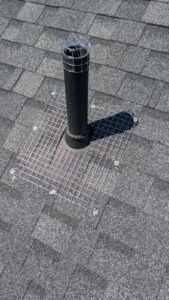 At Skedaddle, we believe the best wildlife removal service is one that helps prevent the problem from happening again. While removing the raccoons was an important step in this Ottawa service call, the long-term solution focused on identifying and addressing the conditions that allowed the intrusion to occur in the first place.
Every home is different, which is why our prevention strategies are tailored to the property. Rather than focusing on a single entry point, we look at the entire structure to identify areas that may become future vulnerabilities.
Our prevention-first approach includes:
- Professional screening of roof vents and other openings
- Identification of potential wildlife entry points
- Recommendations based on the home’s specific risk factors
- Comprehensive exclusion work where needed
- Assessment of attic and roofline vulnerabilities
- Long-term solutions designed to discourage future wildlife activity
This proactive approach helps homeowners avoid recurring problems while protecting the integrity of their property. In many cases, addressing a small vulnerability today can prevent a much larger wildlife issue tomorrow.
For Ottawa homeowners, this service call demonstrates an important lesson. Wildlife removal is only part of the equation. Prevention is what helps keep raccoons and other animals from returning in the future.
What Ottawa Homeowners Can Learn from This Call
This Ottawa raccoon removal story highlights just how quickly a small roofing vulnerability can turn into a wildlife problem. A single exposed roof vent was all it took for raccoons to gain access to the attic and establish themselves inside the home.
The biggest takeaway is that many wildlife entry points are not obvious from the ground. Areas that appear secure may actually be vulnerable to determined animals looking for shelter.
Homeowners can benefit from understanding that:
- Roof vents require durable wildlife-proof protection
- Small openings can lead to significant attic activity
- Wildlife often targets elevated, hard-to-see entry points
- Professional inspections can identify hidden vulnerabilities
- Prevention is often less costly than repairing wildlife damage
In Ottawa, neighbourhoods with mature trees and established homes can be particularly attractive to raccoons because they provide easy access to rooftops. While homeowners may not be able to spot every vulnerability themselves, taking a proactive approach to wildlife prevention can help reduce the risk of future attic intrusions.
As this service call demonstrates, addressing a problem early and securing vulnerable areas properly can make all the difference when it comes to protecting your home from wildlife.
Frequently Asked Questions About Raccoons and Roof Vents
Why do raccoons use roof vents to get into attics?
Raccoons are strong, curious animals that look for safe, sheltered spaces above ground. Roof vents can provide access to warm attic areas, especially if the vent is loose, damaged, or unscreened. Because these openings are often high and difficult to see from the ground, raccoon activity may go unnoticed until homeowners hear noises inside.
Can raccoons damage roof vents?
Yes. Raccoons have strong paws and are capable of pulling, bending, or widening vulnerable vent covers to gain access. Once a weakness exists, they may continue working at the opening until they can enter. Professional screening helps reinforce roof vents while still allowing proper airflow, reducing the risk of future wildlife access.
How can I tell if raccoons are in my attic?
Common signs include scratching, thumping, or movement sounds above the ceiling, especially at night or early morning. Homeowners may also notice damaged roof vents, disturbed insulation, droppings, strong odours, or raccoons repeatedly travelling across the roof. A professional inspection can confirm whether raccoons are present and identify how they entered.
Why is professional vent screening important?
Roof vents need to remain functional, so they cannot simply be sealed shut. Professional screening protects the opening while still allowing air to move properly through the attic. Skedaddle uses durable exclusion materials and proper installation techniques to help prevent raccoons and other wildlife from using vents as future entry points.
What happens after raccoons are removed?
After raccoons are removed humanely, technicians focus on prevention. Entry points are secured, vulnerable roof vents are screened, and other potential access areas are assessed. If attic damage or contamination is present, further recommendations may be provided. This prevention-first approach helps protect the home from repeat wildlife problems.
Protecting Your Home Starts at the Roofline
This Ottawa service call is a great reminder that wildlife problems often begin with vulnerabilities homeowners never see. In this case, a single exposed roof vent provided raccoons with everything they needed to access a warm, sheltered attic. What looked like a minor issue from the outside quickly became a wildlife intrusion that required professional attention.
The good news is that humane removal and proactive prevention work hand in hand. By safely removing the raccoons, professionally screening the roof vent, and identifying other potential vulnerabilities, Skedaddle was able to provide a long-term solution rather than a temporary fix.
If you’ve noticed sounds in your attic or are concerned about vulnerable roof vents and other entry points, don’t wait for a small problem to become a larger one. Contact Skedaddle Humane Wildlife Control to learn how our humane removal and prevention-first approach can help protect your Ottawa home.

 Loading...







