The winter months in Ottawa bring striking scenes, like the Rideau Canal shimmering with snow and ice. They also reveal the subtle evidence of local wildlife. One sign that often goes unnoticed is raccoon tracks in snow—evidence of infestation homeowners should pay close attention to during Canada’s coldest season. Spotting these tracks and understanding other signs of a winter raccoon presence are crucial steps for anyone wanting to keep their property safe and healthy.
Here, we walk you through what these tracks look like, how raccoon behaviour changes when the snow falls, and how to recognize a genuine infestation before it becomes a bigger issue.
Identify Raccoon Tracks in Winter: What Sets Them Apart?
One of the biggest challenges for Ottawa homeowners is correctly identifying raccoon tracks in the snow. Raccoons are active even when temperatures drop. Their footprints often reveal their presence before any damage or direct sightings occur.
Characteristics of Raccoon Tracks
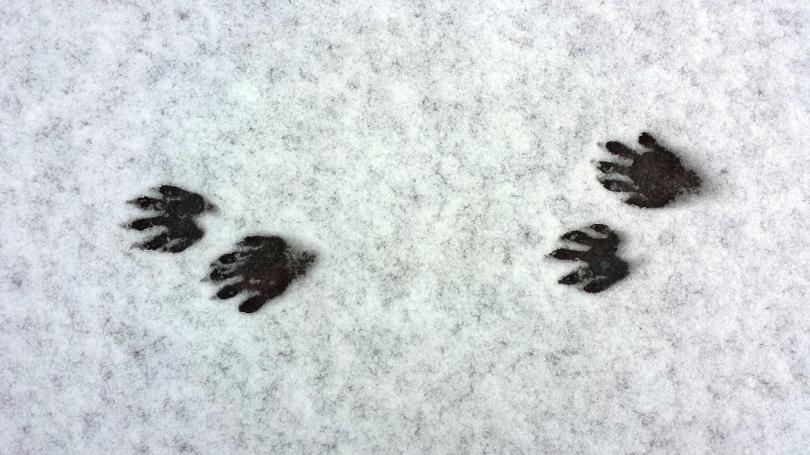
Raccoon tracks are distinctive. Each paw has five long, slender toes, resembling a tiny human hand. In the snow, look for these features:
- Front and rear paws both show five toes, but the front tracks may appear slightly smaller than the back.
- The toes are splayed and often curve slightly, creating a “starburst” effect in powdery snow.
- Claw marks are usually visible at the tip of each toe.
- The heel pad in the rear foot is larger and more elongated compared to the front.
Unlike other animals, raccoons move with a unique gait called a “pace walk,” placing the back foot where the front foot was. This gives their track pattern a staggered appearance in the snow, making it easier to spot if you know what to look for.
Differentiating from Other Animal Tracks
Homeowners may confuse raccoon tracks with those of squirrels, opossums, or even cats. To identify raccoon tracks in winter accurately, pay attention to these distinctions:
- Squirrel tracks: Smaller overall, with four long fingers and a less pronounced heel pad. Their track pattern is more of a “bounding” leap, with hind feet side by side.
- Opossum tracks: Also five-toed, but the rear foot has an opposable thumb that points outward.
- Cat tracks: Four toes with no visible claws (retracted when walking).
Recognizing these differences empowers you to act swiftly and appropriately. Proper identification supports more precise wildlife management and can inform your next steps in protecting your home.
Winter Raccoon Signs in Canada: Beyond the Tracks
Unlike animals that hibernate, raccoons enter a state called torpor. Activity slows, but they still leave their dens periodically in search of food and water. You might notice:
- Tracks leading to and from entrance points on warmer winter days.
- Paths worn in the snow, especially between outbuildings or garden sheds.
- Evidence of foraging near compost bins or garbage cans.
If any of these signs appear alongside raccoon tracks, it may indicate more than a passing visitor—it could mean you’re dealing with an active infestation.
Differences in Raccoon Behaviour in Snowy Conditions
Winter transforms the landscape for raccoons in Ottawa. Rather than hibernating, raccoons adjust their activity to conserve energy but remain opportunistic and persistent.
How Raccoons Deal with Cold Weather
Raccoons search for insulated, protected locations to establish winter dens. These areas offer shelter from wind and snow and are often found in or near human structures. Their winter behaviour includes:
- Spending extended periods sleeping when temperatures are lowest.
- Leaving dens during milder periods to forage for food, often returning along the same path to conserve energy.
- Remaining as quiet as possible to avoid detection, making infestations difficult to spot without clear animal tracks or other physical evidence.
While they may reduce their movement compared to spring and summer, raccoons are drawn to reliable food sources, making urban areas in Ottawa particularly attractive throughout the winter.
Why Homeowners Should Take Notice
Because winter raccoon activity is more covert, these animals can remain undetected for extended periods. This low visibility sometimes leads to increased property damage and unsanitary conditions, especially in areas where families gather or store valuables.
Awareness of how raccoons adapt in the Canadian winter empowers you to look for specific signs. Paying close attention to the landscape around your home—especially freshly fallen snow—can give you an early warning of wildlife activity.
Warning Signs of Raccoon Infestation
Identifying raccoon tracks is only the first step. An infestation comes with its own set of warning signals. Understanding these can help Ottawa property owners act before problems escalate.
Key Indicators of an Infestation
Here are common warning signs that you may be facing more than a passing raccoon:
- Tightly packed trails between outbuildings or along fence lines.
- Piles of feces, often in attics or unused corners of the house.
- Unexplained insulation damage or torn air ducts.
- Unpleasant, musky odour emanating from attics or walls.
- Regular noises at dusk or dawn—times raccoons are most active.
Being alert to these warning signs, along with recognizing and identifying raccoon tracks in the snow, provides the basis for sound property management during Canada’s coldest months.
Why Immediate Action Matters
A raccoon infestation left unchecked through the winter can cause extensive structural damage to roofs, soffits, and insulation. Raccoons’ presence may also lead to contamination of insulation and ducts by droppings and urine, increased risk of disease transmission, including roundworm and salmonella, and higher heating costs from compromised attic insulation.
Winter is an optimal time for early detection but a challenging period for removal, as raccoons are more likely to hunker down in attics or crawlspaces. Engaging professional help right away can help mitigate longer-term damage and prevent a repeat occurrence.
How Skedaddle Helps with Raccoon Infestations
Our team at Skedaddle assists Ottawa residents throughout the year, especially when winter wildlife challenges arise. We recognize that every raccoon infestation is different—requiring experience, customized strategies, and humane removal.
Our Approach to Raccoon Management
Raccoons are clever animals capable of manipulating even the smallest entry point into an open doorway to your attic. Our process is designed to overcome these challenges:
- We begin with a detailed assessment to identify entry points, vulnerable spots, and any signs of current or past infestation.
- Our technicians use advanced detection methods, including thermal imaging, to pinpoint hidden dens and locate any young raccoons that may be present.
- After carefully removing adult raccoons and babies by hand, we reunite families outside the home in specialized baby reunion boxes—keeping both animals and homeowners safe.
- Our team thoroughly clears and cleans contaminated materials—like soiled insulation—to eliminate health hazards and lingering odours.
- Finally, we secure all previous and potential future entry points with heavy-gauge screening to prevent raccoons from returning.
With over three decades of experience and a focus on humane, lasting solutions, we pride ourselves on helping Ottawa homeowners safeguard their properties—no matter the season.
Take Action When Winter Wildlife Leaves Its Mark
Spotting raccoon tracks in the Ottawa snow is more than a seasonal curiosity—it’s an early signal that your home may be at risk. Understanding these signs and recognizing the clues that indicate an active infestation can make all the difference in protecting your property. Raccoons can cause extensive damage and health hazards, especially when sheltering in attics or crawl spaces during the colder months.
Swift, professional intervention is the key to stopping raccoon problems before they escalate. At Skedaddle, our experienced team is equipped with the knowledge, technology, and humane techniques needed to resolve issues thoroughly and prevent their return. Don’t let wintertime visitors turn into costly repairs or sleepless nights—contact Skedaddle today for a complete assessment and let us fortify your home against wildlife intrusions, so you can enjoy the beauty of Ottawa’s winter worry-free.

 Loading...







