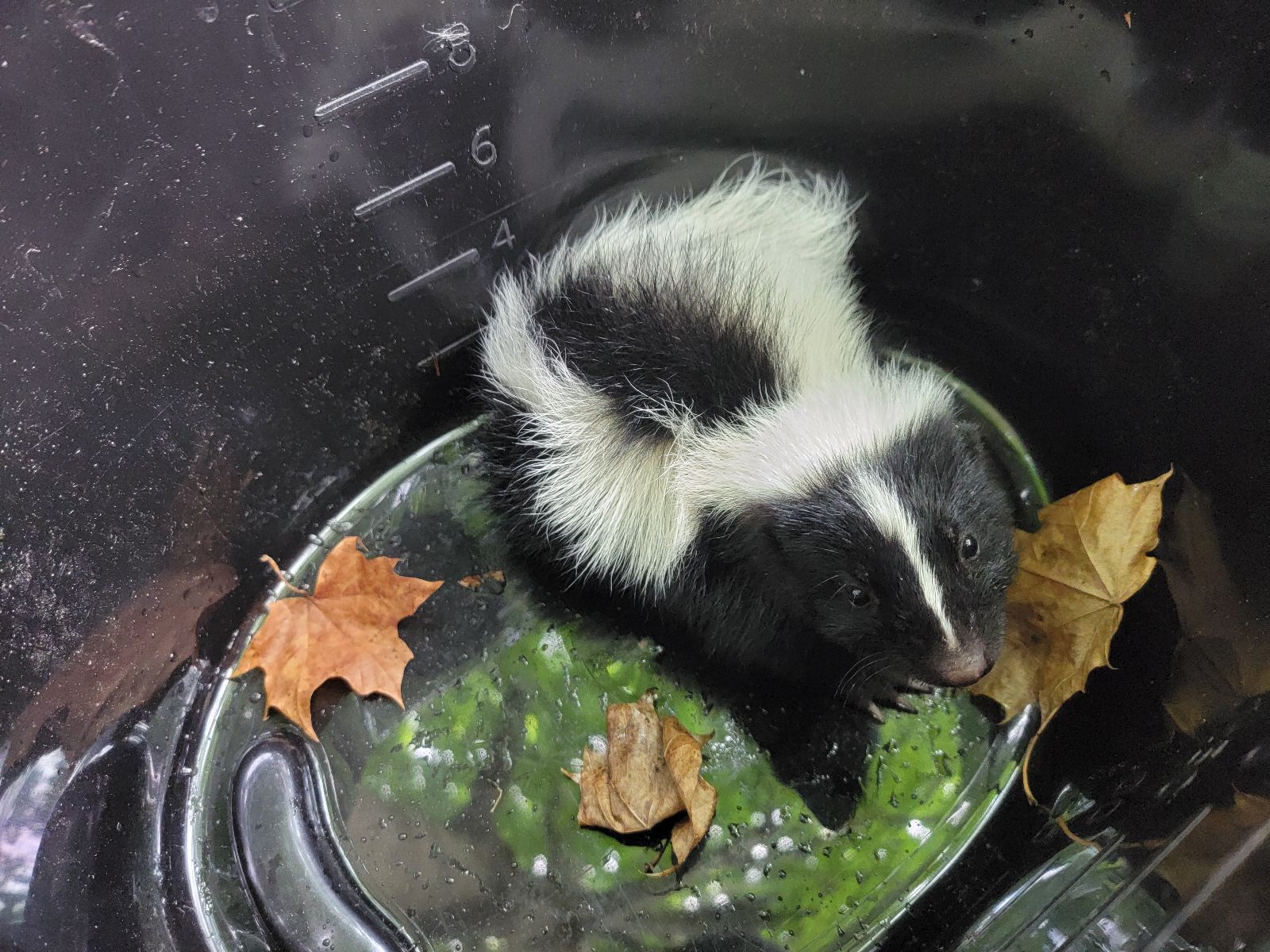

Every spring in Ottawa, homeowners and business owners brace for one of the city’s most notorious backyard visitors—the striped skunk. As the snow melts near places like Parliament Hill, these animals emerge from their winter dens, often making their presence known by the unmistakable smell they leave behind. Humane skunk removal tips aren’t just reactive solutions; the real key is prevention—stopping odours and property damage before skunks settle in. At Skedaddle, we believe proactive strategies—especially before spring—make a meaningful difference in protecting homes and workplaces across Ottawa.
Let’s explore practical solutions for preventing skunk-related issues, why winter is crucial for preparation, and how our humane approach supports a cleaner, safer property all year round.
Understanding Skunk Habits: Seasonal Patterns Matter
Skunks are not true hibernators. Instead, they enter a state of torpor during winter, resting for long periods beneath sheds, decks, and porches to conserve energy. Unlike raccoons or squirrels, skunks rarely climb; they prefer digging and burrowing to find shelter from the cold.
Recognizing these behaviours helps homeowners answer a few important questions:
- Why are skunks drawn to certain properties in late autumn and winter?
- What makes spring the most challenging time for encounters?
- How can we take steps before the problem escalates?
Knowing that female skunks often use their winter den sites into the spring for birthing, property owners can focus their prevention efforts at the right times. Taking action before families settle in is the most effective way to prevent skunk odours in spring and avoid complications with young skunks. Transitioning into the next section, let’s review deterrence methods to keep your space unwelcoming for skunks before they arrive.
Skunk Damage Prevention: Winter Preparation Is Essential
Winter often masks early signs of animal activity, and waiting until spring to address a skunk problem can have lasting consequences. Skunks are powerful diggers, capable of moving large volumes of soil and damaging foundational structures beneath porches, sheds, or business outbuildings.
Taking early action helps prevent intrusions and mitigates several associated risks. These include soil erosion or foundation shifting caused by tunnelling, damage to insulation, wiring, or unfinished flooring from persistent digging, and lingering odours that can become trapped in sub flooring and wall cavities. Early intervention also reduces the risk of confrontations between wildlife and pets or family members in close quarters, keeping both your home and household safe.
Here are five key steps for winter damage prevention:
- Conduct a full perimeter check for new holes or disturbed earth around outdoor structures.
- Reinforce known weak points using buried steel mesh or screening at least 8–12 inches deep.
- Address any food sources—like unprotected compost or spilled birdseed—that may attract skunks.
- Consult wildlife control professionals for help identifying less obvious entry hazards.
- Schedule annual re-inspections to ensure your defences remain effective.
Proactively reinforcing your property in winter prevents more labour-intensive interventions come spring. This wise investment in prevention saves time and money and, most importantly, avoids unnecessary contact with skunks and their powerful spray. Now that we understand how to prepare for and prevent winter habitation, let’s look at why spring brings fresh challenges—and how professional humane removal services like ours make a difference.
Humane Skunk Removal Tips: Why Prevention is Better Than Cure
By early spring, female skunks are likely nurturing young kits in established den sites. Attempting removal at this stage is far more complicated, as mothers defend their offspring and are more likely to spray. Humane skunk removal becomes not just about safely moving animals but also about protecting people, pets, and the baby skunks themselves.
Our experience shows the best way to prevent odours in spring and avoid complex removal is to keep skunks from ever settling: use deep-buried, high-quality steel screens to block burrowing around decks, sheds, and porches.
When removal is necessary, we follow humane steps by placing heated baby reunion boxes outside the den to allow the mother to safely relocate her young. We apply specialized hands-on techniques to gently guide adult skunks out, using one-way doors where appropriate, and always avoid methods that could frighten or harm the animals.
Homeowners who invest time in these humane removal tips not only resolve existing issues but are also much less likely to face repeat intrusions in future seasons. Let’s continue by examining what makes habitats attractive to skunks, so you can focus your prevention on the factors that matter most.
Modifying Habitats: Making Your Property Less Attractive to Skunks
A primary driver of skunk intrusion is a property’s appeal as prime habitat. Skunks seek out areas that offer safety, food, and easy access. Fortunately, small changes can make your home or business far less desirable to these animals.
Consider these five habitat modification suggestions:
- Clear away brush piles, overgrown hedges, or debris that provide low shelter.
- Store outdoor pet food, seeds, and garbage securely—never leave these overnight.
- Regularly mow lawns and trim low-hanging shrubbery where skunks might hide.
- Repair broken fencing or damaged foundation skirting immediately.
By targeting these attractants, you help shift the balance, inviting skunks to keep moving and find somewhere else to den. This proactive stance not only deters skunks but also enhances your property’s overall health and appearance.
We understand that some challenges, like identifying every entry point or cleaning up after skunks, can require a trained eye and special equipment. This is where professional help comes in for thorough, effective prevention.
Skedaddle’s Humane Approach: Professional Support to Prevent Odours and Damage
At Skedaddle Humane Wildlife Control, our service in Ottawa is shaped by decades of experience and local knowledge. We understand the city’s neighbourhoods, weather, and wildlife patterns—key factors in protecting properties from skunks, especially in the shadow of landmarks like Parliament Hill.
Our process is comprehensive. When you call us for help, we perform a detailed inspection to spot active and future den sites. Our technicians use hands-on, humane extraction methods—prioritizing the safety of people, pets, and skunks. All contaminated materials are safely removed, and areas are cleaned and deodourized. We install professional-grade buried screening to deny access, using materials and methods designed for Ottawa’s unique soil and seasons. Homeowners receive a full walk-through, with step-by-step explanations and a prevention plan tailored to their specific needs.
Working with us means confident, long-term protection against damage or surprise odours, no matter the season. If skunks do get underneath your home, early action remains critical—especially before baby skunks arrive. But the best approach is always preparation: staying ahead of the problem, not reacting after it settles in.
Take Control of Skunk Season with Expert, Humane Solutions
Springtime in Ottawa is a critical period for skunk activity, but with the right preventative measures, you can keep odours and damage at bay before they start. By understanding skunk behaviour, reinforcing potential entry points, and proactively maintaining your property, you make it far less attractive for skunks searching for shelter as the seasons change. Early action doesn’t just minimize the chances of unpleasant surprises—it’s also the safest way to protect pets, family, and your home’s value.
Don’t wait until the unmistakable smell signals a bigger problem. Skedaddle’s seasoned technicians specialize in humane, effective removal and long-term prevention strategies tailored for Ottawa’s unique neighbourhoods. Reach out to Skedaddle today and let our hands-on expertise safeguard your property, so you can enjoy a fresh, worry-free spring—no matter what wildlife tries to move in next.

 Loading...