You may see more wildlife around your Pickering home because parks, ravines, wetlands, and neighbourhood trees provide food, water, cover, and travel routes. These connected spaces can bring raccoons, squirrels, bats, and mice close to residential properties. A nearby roof or foundation may become useful when it contains an opening that leads to dry shelter.
You should not assume that every outdoor sighting means something is living inside your home. The concern grows when these animals return to one vent, soffit, chimney, roof corner, or foundation gap. Sounds indoors, visible damage, droppings, stains, or unusual odours may also point to an entry.
At Skedaddle Humane Wildlife Control in Pickering, we assess the entire structure and the surrounding property. You should not climb, enter an affected attic, touch droppings, or seal a suspected opening. In this blog, we explain how Pickering’s green spaces shape activity near homes, which signs may point to an indoor problem, and how our professional team responds.
Does Living Near a Park Increase Wildlife Activity Around Your Home?
Yes, living near a park can increase outdoor activity around your home. Green spaces offer natural cover, water, food, and routes between resting and feeding areas. Ravines, wooded edges, wetlands, and neighbourhood trees may carry these routes beyond the park boundary.
More outdoor movement does not mean your attic or walls are occupied. Loose soffits, damaged vents, open chimneys, roof gaps, and foundation cracks may provide access.
You should request our professional assessment when activity becomes focused on one part of the structure. Repeat visits, indoor sounds, or fresh damage provide stronger evidence than one sighting in the yard. Our team can determine whether the visitor is simply passing through or using an indoor space.
Connected Green Spaces Create Travel Routes
Pickering’s natural areas do not function as islands. Forests, valleys, creeks, wetlands, shorelines, and parks can connect across the city. These links allow movement between larger habitats and residential streets.
- Rouge National Urban Park: Rouge National Urban Park spans Pickering and other parts of the Greater Toronto Area. It includes forests, creeks, farms, marshland, trails, and Lake Ontario shoreline. Neighbourhoods near the park sit along the wider edge between natural and developed spaces.
- Ravines and Creek Valleys: Ravines and waterways provide covered paths through built areas. Raccoons, squirrels, bats, and mice may follow vegetation or water while moving between shelter and feeding areas. A ravine behind one property may connect to a much larger natural system.
- Waterfront and Wetlands: Pickering has 7.6 kilometres of Lake Ontario waterfront, and Frenchman’s Bay is a large coastal wetland. Shoreline plants, wetland edges, and nearby parks create shelter and water sources. Homes close to these features may experience regular outdoor movement.
- Neighbourhood Green Strips: Street trees, hydro corridors, wooded property lines, and small parks can connect larger natural areas. These routes allow movement through a neighbourhood without one direct trip from Rouge Park. Branches, fences, and nearby structures may then lead toward a roof.
Our inspection considers nearby trees, fences, rooflines, and green corridors instead of looking at one opening alone.
Different Species Use the Landscape in Different Ways
Each species uses Pickering’s landscape in its own way. Movement changes with available shelter, food, weather, and season. The same park edge or ravine may support several types of activity.
- Raccoons: Raccoons may follow shorelines, ravines, fences, and wooded edges while searching for shelter and food. They can climb trees, downspouts, and lower structures to reach a roof. A damaged soffit or open chimney may provide access to a protected den.
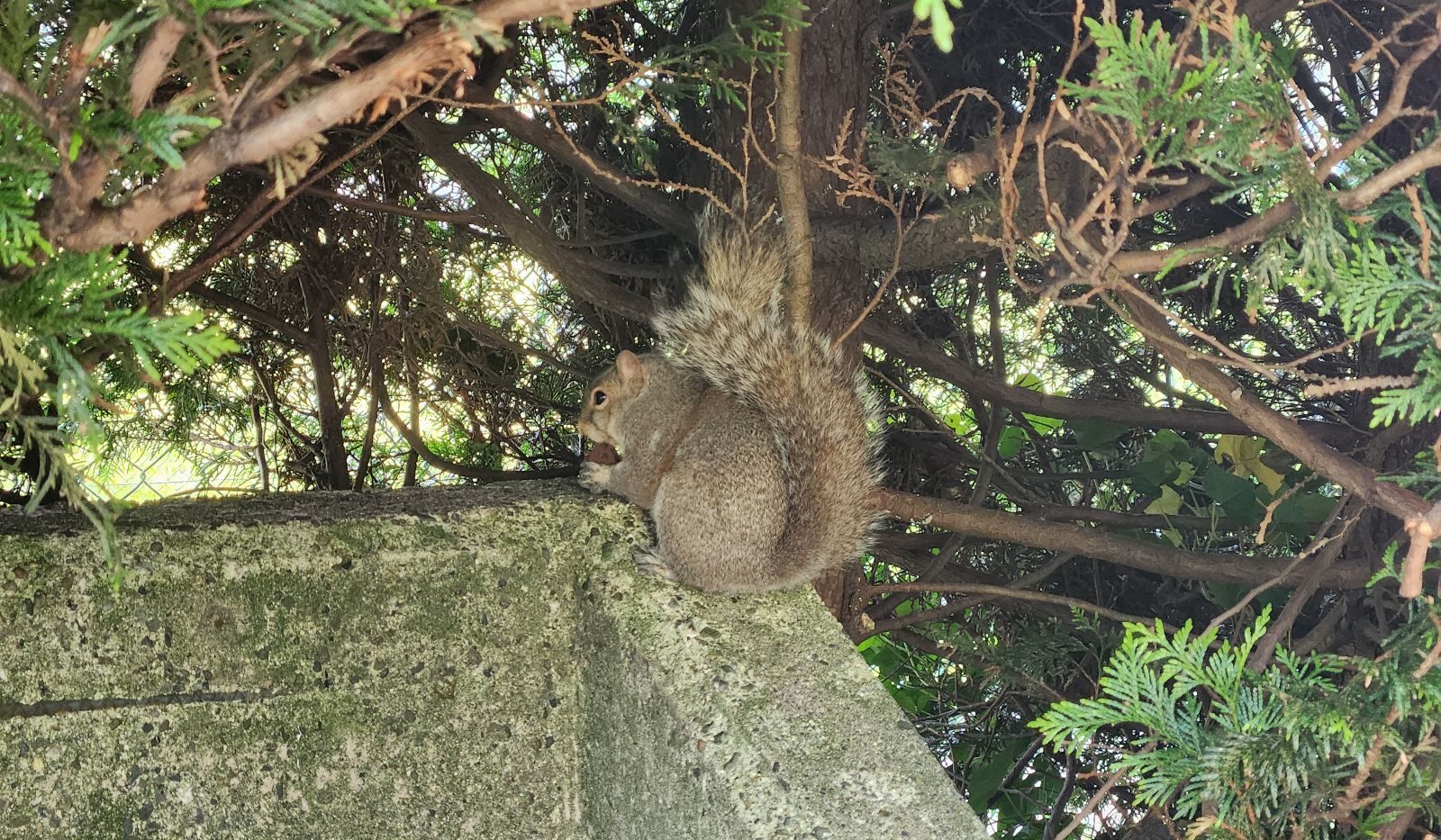
- Squirrels: Squirrels use branches, fences, utility routes, and connected rooflines. They can move from the tree canopy to a building without spending much time on the ground. Loose fascia, soffits, and vent covers may become entry points.
- Bats: Bats may travel and feed over wetlands, water, forest edges, and open green areas. Buildings near these places can contain narrow gaps around flashing, vents, siding, and rooflines. An entrance may be too small or too high to see clearly from the ground.
- Mice: Mice use dense plants, fields, shoreline edges, and landscaped areas for cover. Small foundation gaps and openings around utility lines may provide indoor access. Once inside, wall and ceiling spaces can allow hidden movement far from the original entrance.
Outdoor sightings do not confirm an indoor problem. Repeat movement toward the same building feature gives our team a more useful clue.
Seasonal Changes Shift Activity Toward Homes
Pickering’s green spaces support movement throughout the year, but the reason for that movement changes. Shelter, weather, food, and breeding seasons affect where these animals travel. A home may become more useful when outdoor conditions shift.
- Spring Nesting Periods: Raccoons and squirrels may seek protected places where young can remain hidden. Bats may return to established seasonal roosts. A professional must check for dependent young before removal or exclusion begins.
- Summer Feeding Activity: Wetlands, waterfront areas, forests, gardens, and neighbourhood greenery can support regular feeding routes. Some activity becomes easier to notice after sunset. Repeat visits to one roof section may point to more than travel across the property.
- Fall and Winter Shelter: Cold temperatures, wind, rain, and snow can make dry building spaces more attractive. Attics, chimneys, wall cavities, and roof voids provide cover from harsh weather. Existing exterior damage may become an entrance during this seasonal shift.
We identify the species and life stage before choosing a humane removal plan.
Signs That Outdoor Activity Has Reached the Structure
Outdoor sightings are common near Pickering’s green spaces. Concern increases when movement becomes focused on one part of your home. You should watch from a safe location and leave the inspection to professionals.
- Repeat Visits to the Roofline: Regular movement near one vent, soffit, chimney, or roof corner may point to an opening. One crossing does not prove entry. Repeated attention to the same location deserves a professional assessment.
- Sounds Inside the Home: Scratching, movement, chirping, or thumping may come from walls, ceilings, chimneys, or attics. The loudest sound may not be beside the entrance. Framing and enclosed spaces can carry noise into another room.
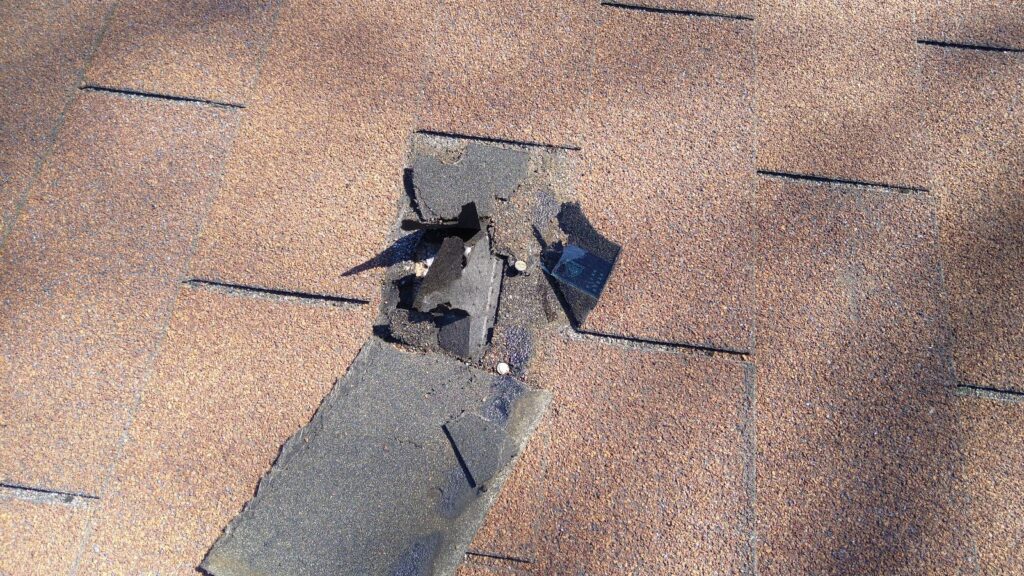
- Exterior Damage: Loose soffits, damaged vent covers, chewed materials, fascia gaps, and disturbed flashing may provide access. The visible gap may be smaller than the space behind it. You should not climb onto the roof to inspect the damage.
- Droppings, Stains, or Odours: Waste, dark marks, nesting material, or unusual smells may point to hidden activity. You should not touch, sweep, vacuum, or clean affected material. Our technicians can determine whether professional cleanup is required.
Do not seal a suspected entrance. Occupants or dependent young may remain inside, and closing the gap could trap them or force movement into another part of the home.
Park Proximity Does Not Guarantee an Indoor Problem
Raccoons, squirrels, bats, and mice can travel near homes without entering them. A visitor may cross a fence, roof, or yard while moving between natural areas.
Building condition determines whether that movement becomes an indoor concern. Secure vents, intact soffits, sound roof edges, closed utility gaps, and a stable foundation provide fewer entry opportunities. A damaged or poorly fitted feature can change that situation.
Our team compares exterior signs, indoor evidence, seasonal behaviour, and possible entrances. This wider assessment helps us locate the source instead of blaming the nearest green space.
Pickering and Durham’s Urban-Nature Edge
Pickering contains neighbourhoods beside forests, wetlands, waterfront, conservation lands, and connected trails. Altona Forest, Greenwood Conservation Area, Petticoat Creek Conservation Park, and smaller parks add connections through developed areas.
Rouge National Urban Park contains forest, river, and wetland habitats and extends into Pickering. The park also borders neighbourhoods, roads, hydro corridors, and other developed spaces. Natural routes and buildings therefore sit close together.
Our Pickering team considers both the structure and the surrounding landscape. That local view helps us follow a route beyond the first visible sign.
Wildlife Removal and Prevention with Skedaddle
Our professional wildlife team begins with a complete inspection of the structure. We examine rooflines, vents, soffits, chimneys, foundations, utility openings, attics, and other possible routes. You do not need to climb, enter an affected attic, or search for a nest.
We identify the species, active entrance, nesting area, and presence of dependent young. We also assess droppings, damaged materials, odours, and other evidence without asking you to touch anything. The findings guide a humane plan for the specific home.
When appropriate, our one-way doors allow wildlife to leave but prevent them from getting back inside. After the space is empty, our technicians complete professional cleanup where needed and secure vulnerable openings with durable materials. We do not use live trapping or relocation.
Frequently Asked Questions
Does seeing a raccoon near a park mean it lives in my attic?
No, a raccoon may be travelling or feeding outdoors. One sighting does not confirm that the attic is occupied. Repeat roof visits, indoor sounds, staining, or visible damage provide stronger signs. Our technicians can inspect the roofline and attic without requiring you to enter the space.
Can squirrels travel from a ravine to a residential roof?
Yes, squirrels can use branches, fences, utility routes, and nearby structures to move through a neighbourhood. The path may involve several connected features and begin on another property. Our team traces these connections while inspecting possible roof openings.
Why are bats active near waterfronts and wetlands?
Waterfronts, wetlands, forest edges, and open areas can provide feeding and travel spaces for bats. Nearby buildings may have narrow gaps around vents, flashing, siding, and roof edges. Outdoor activity does not prove occupancy. Our professional inspection is needed when movement repeatedly focuses on the structure.
Can mice enter homes near wooded areas?
Yes, but proximity to woods is only one factor. Foundation gaps, garage edges, utility openings, and damaged materials determine whether access is possible. Mice can travel through hidden wall and ceiling spaces. You should not open a wall or touch waste to locate the route.
Should an opening be sealed after activity is seen?
No, not before a professional confirms that the space is empty. Occupants or dependent young may remain inside. Early sealing can trap them or cause movement into another area. Humane removal must happen before permanent exclusion work.
Keep Green-Space Activity Outside the Home
Rouge National Urban Park, Pickering’s ravines, waterfront, wetlands, forests, and neighbourhood greenery support natural movement through the city. These connected spaces can bring raccoons, squirrels, bats, and mice close to residential properties. Outdoor activity becomes a household concern when the building provides an opening into an attic, chimney, wall, garage, or foundation.
You should not climb onto the roof, enter an affected attic, touch droppings, or seal a suspected entrance. Our team will identify the species, travel route, occupied space, and presence of dependent young. Removal must happen before damaged openings are permanently secured.
At Skedaddle Humane Wildlife Control in Pickering, we handle inspection, humane removal, professional cleanup, and long-term prevention. Our team follows the evidence beyond one sighting and addresses vulnerable areas across the structure. You do not need to perform risky work or handle contaminated material. Contact us to schedule a professional assessment or request an estimate to learn more.

 Loading...