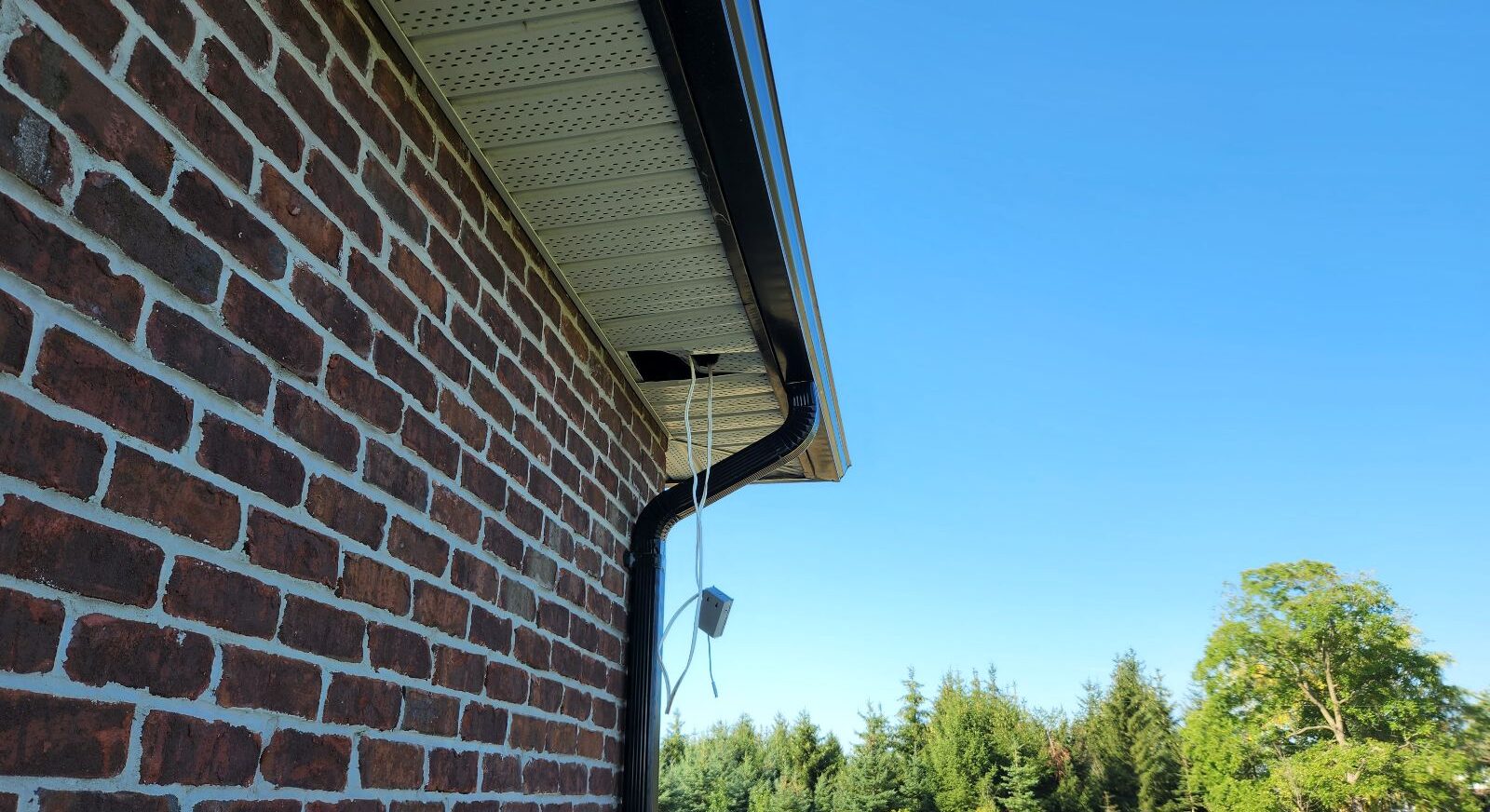
Fall storms can damage soffits, vents, shingles, fascia, and other roofline materials. Strong winds may pull pieces loose, while heavy rain can weaken wood and widen small gaps. These new openings can give wildlife a direct path into your attic, walls, or chimney.
You also face more pressure from animals during this time of year. Colder air, hard rain, and damaged outdoor nests can push them to search for warm, dry shelter. A small opening that sat unused during summer may suddenly become an entrance after a storm.
You should never climb onto a wet roof, enter an affected attic, touch droppings, or seal a suspected entrance. An adult or dependent young may already be inside. At Skedaddle Humane Wildlife Control in Pittsburgh, we inspect storm damage and determine whether the opening has become active. In this blog, we explain how fall weather can expose weak areas, remove outdoor shelter, and make your home more appealing.
What Is the Biggest Threat to Wildlife?
Habitat loss is one of the biggest threats to wildlife. When trees, nesting areas, and natural shelter disappear, these animals must search for other places to live. A severe fall storm can cause a sudden form of habitat damage by breaking branches, flooding dens, and destroying nests.
Your home may become more vulnerable when this outdoor damage happens at the same time as structural damage. An animal that loses its shelter may find a loose soffit, broken vent, or damaged roof edge nearby. This can turn one storm into both an outdoor problem and an indoor concern.
High Winds Can Damage the Roofline
High winds place strong pressure on the top and edges of your home. A building part does not need to fall off completely to create an entrance. A shifted panel or narrow opening may be enough to expose a protected space.
- Loose Soffit Panels: Soffits cover the underside of your roof edge. Wind can lift a panel, pull it away from the trim, or widen a gap at one end. The dark space behind it may lead directly into the attic. Damage can remain hidden when viewed from the ground.
- Damaged Fascia Boards: Fascia boards run along the roof edge and often sit behind the gutter. Wind, age, and moisture can cause these boards to crack or pull away. Soft or damaged wood may be easier for squirrels or raccoons to open further. The visible crack may also hide a larger space behind it.
- Lifted Shingles and Flashing: Strong wind may lift shingles or loosen metal flashing around chimneys, dormers, and roof joints. Rain can then enter beneath the exposed materials. As the area weakens, a small gap may become larger. The opening may connect with the attic or an enclosed ceiling.
- Open Roof Intersections: Additions, porches, lower roofs, and dormers create joints where several materials meet. Wind can loosen the siding, trim, or flashing around these corners. These areas often contain deep shadows that hide damage. You should not climb onto the roof to inspect them yourself.
One damaged section can lead to another. A loose gutter may pull at the fascia, while lifted flashing may allow water beneath the roof. A professional inspection must look at the complete roofline instead of only the most obvious damage.
Heavy Rain Can Weaken Building Materials
Heavy rain can enter cracks, seams, and areas already affected by age. Wood around soffits, fascia, trim, and roof edges may absorb water and begin to soften. Materials that looked secure before the storm may start to separate after several hours of driving rain.
Moisture can also spread beneath shingles, siding, and exterior covers. This means the weakened area may be larger than the part you can see. Squirrels, raccoons, mice, and rats may pull, push, or chew at a soft edge until it provides access.
Water damage should be examined before repairs begin. You should not pull away wet materials, reach into a gap, or enter the attic to look for activity. Our technicians can determine whether the storm only damaged the structure or whether animals have already moved inside.
Storm Debris Can Break Vents and Exterior Covers
Branches and windblown debris can strike many areas during a fall storm. Some damage is easy to spot, but other failures occur behind a cover or along its lower edge. A broken exterior part may expose a direct route into your home.
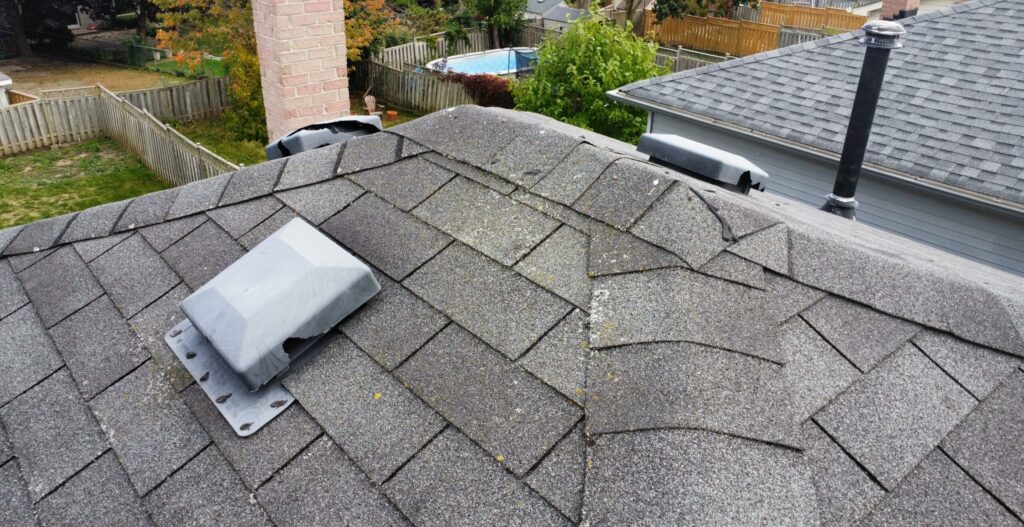
- Roof Vents: A falling branch may crack a plastic vent cover or loosen its frame. Wind can also tear away a screen without removing the whole cover. Warm air leaving the attic may draw attention to the damaged area. The opening can provide access to the space beneath the roof.
- Chimney Caps: Wind and debris may shift a cap or damage the screen around it. This can expose the chimney or a gap near the flashing. Birds, bats, squirrels, or raccoons may inspect the protected space below. Sounds near the fireplace do not show exactly where they entered.
- Exhaust Vent Covers: Dryer, bathroom, and kitchen vents have covers on the exterior wall. A storm can crack a cover, loosen a flap, or pull it away from the siding. The duct behind it may offer shelter from rain and wind. An opening around the frame may also lead into the wall.
- Gutters and Downspouts: Leaves and debris can block gutters and force water toward the roof edge. A loose gutter may also pull away from the fascia during strong wind. Downspouts can give some animals a route toward the damaged area. The full connection between the gutter, fascia, and soffit should be inspected.
A broken cover should not be closed before the space behind it is checked. An adult, dependent young, or nesting material may already be present. Sealing the opening too soon could trap them inside.
Damaged Outdoor Shelter Can Force a Move
Fall storms can break tree limbs, damage natural cavities, and tear apart outdoor nests. An animal that loses its shelter must quickly find another place that is dry and protected. Nearby attics, chimneys, wall cavities, and roof spaces may provide what the damaged nest no longer can.
This concern can become more serious when dependent young are present. Squirrels may raise a second litter in late summer or early fall. If wind destroys a tree nest, the mother may move her young to a sheltered part of a nearby building.
Other species may also search for temporary protection during severe weather. What begins as a place to escape one night of cold rain can become a longer stay. If the entrance remains open, activity may continue throughout the fall and winter.
Cold Rain Makes Warm Homes More Appealing
Fall storms often bring colder air along with heavy rain. At the same time, heated buildings begin releasing warm air through small gaps. A damaged home can therefore provide warmth, dryness, and protection when outdoor conditions become harsh.
- Warm Air Near Openings: Heat may escape around vents, soffits, roof joints, chimneys, and utility gaps. These warm air currents can draw attention to a weak area. The same gap that releases heat may lead toward an attic or wall cavity. Storm damage can make the route easier to use.
- Dry Attic Shelter: An attic provides protection from wind, rain, and sudden temperature drops. Insulation can also offer soft material for a nest. Activity may begin in one quiet corner before spreading across the space. You may not hear movement right away.
- Protected Wall Cavities: An exterior opening can connect with walls, ceilings, and spaces beneath floors. Pipes, wiring, and framing may create routes through several parts of the home. The place where you hear scratching may be far from the entrance. Opening the wall yourself could expose waste or allow movement into the room.
- Approaching Winter: The need for reliable shelter increases as fall moves toward winter. Mice and rats may seek protected spaces that allow them to remain active during colder weather. Squirrels and raccoons may return to buildings they used in the past. A storm-damaged opening can make that return easier.
The activity may not end when the weather clears. Once an animal finds a warm, protected space, it may continue using it. Our professional removal and exclusion are needed to address both the occupants and the damaged entrance.
Pittsburgh Homes Can Have Hidden Storm Damage
Pittsburgh has many older homes, rowhouses, brick buildings, mature trees, and properties built along hillsides. These features can create complex rooflines with chimneys, additions, lower roofs, soffits, and several exterior joints. A storm may affect more than one part of the structure.
Tree-lined areas and neighborhoods near parks can also experience fallen branches and damaged outdoor shelter. Animals may move through yards and between nearby buildings while searching for another place to stay. Connected rooflines and closely spaced homes can provide routes that are difficult to follow from one property.
The age of a home does not determine whether it is protected. Older buildings may contain worn wood or aging vents, while newer homes can have loose covers or gaps around construction joints. Our team examines rooflines, vents, soffits, foundations, and interior spaces to find damage that may not be visible from the yard.
The Bottom Line on Wildlife Removal and Prevention
Our professional wildlife team begins with a detailed inspection of your property. We check the roofline, soffits, fascia, vents, chimney, flashing, attic, walls, and foundation. This allows us to identify the active entrance as well as storm-damaged areas that could provide future access.
We then determine which species is present, where it is staying, and whether dependent young are involved. When appropriate, our one-way doors allow wildlife to leave while preventing them from getting back inside. Removal happens before any active opening is permanently secured.
After the space is empty, our technicians close entry points with durable materials built to handle changing weather. We also remove affected nesting material and waste when needed. You do not need to climb, enter a tight space, touch droppings, or perform any part of the work yourself.
Frequently Asked Questions
Can a storm create a new entrance in one night?
Yes, strong wind, heavy rain, or falling debris can damage a building within a few hours. A vent cover may crack, a soffit panel may shift, or flashing may pull away from a roof joint. The storm can also enlarge a small gap that was already present. A professional inspection can determine whether the opening has become active.
What signs may appear after a fall storm?
You may hear scratching, running, flapping, or movement above the ceiling or inside a wall. Loose soffits, broken vent covers, nesting material, droppings, or repeated activity near one roof area can also point to entry. You should observe these signs from a safe location. Do not touch waste or approach the damaged opening.
Should a damaged opening be sealed immediately?
No, not if wildlife may be inside. Sealing the entrance could trap an adult or dependent young within the attic, chimney, or wall. It may also force them to search for another way into the living space. Humane removal must happen before permanent exclusion.
Should homeowners inspect the roof or attic themselves?
No, homeowners should not climb onto a roof or enter an affected attic. Wet materials, loose roofing, damaged wiring, contamination, and an active entrance can create serious risks. Droppings and nesting material should not be touched, swept, or vacuumed. Trained technicians should inspect these areas with the proper equipment.
Can activity continue after the storm ends?
Yes, an animal may remain after finding a dry and protected space. The damaged opening can also allow others to enter later. Clear weather does not mean the attic or wall is empty. An inspection is needed to confirm what is inside and how the entrance is being used.
Keep Storm Damage From Becoming an Indoor Problem
Fall storms can make your home more vulnerable in several ways. Wind may loosen soffits, fascia, shingles, vents, and flashing. Heavy rain can weaken wood and widen existing gaps, while falling branches may break exterior covers. At the same time, damaged outdoor nests and colder weather can push animals toward warm, dry buildings.
You should not climb onto the roof, enter an affected attic, touch droppings, or seal an opening yourself. The visible damage may be only one part of the problem. An adult or dependent young may already be inside, and other weak areas may remain hidden along the roofline.
At Skedaddle Humane Wildlife Control in Pittsburgh, we inspect the complete structure before creating a humane removal and prevention plan. Our team finds active entrances, checks for occupants, handles contaminated material, and secures vulnerable areas after removal. Contact us to schedule a professional assessment or request an estimate to learn more about protecting your home after a fall storm.

 Loading...








