Historic homes and aging properties attract wildlife because years of wear and tear create small gaps, soft wood, and weak spots that make getting inside very easy. These openings are often hidden in spots most homeowners never think to check, like behind fascia boards, around old chimneys, or along aging foundations. The older a home gets, the more entry points tend to show up, which is part of why these properties see so much more wildlife activity than newer builds.
You might love everything about your older home, from its character to its charm, but wildlife loves it for a very different reason. Rotting wood, missing roof parts, and open chimneys all tell animals that there’s a warm, quiet place to nest just on the other side. These conditions don’t have to be big or obvious to attract attention.
This blog is for any homeowner with an older or historic property who wants to know why wildlife activity seems to follow them and what can be done about it. You’ll learn what specific features make aging homes so appealing, how these weak spots develop over time, and how Skedaddle Humane Wildlife Control in Pittsburgh handles wildlife problems in older properties from start to finish.
Do Older Homes Attract Rodents?
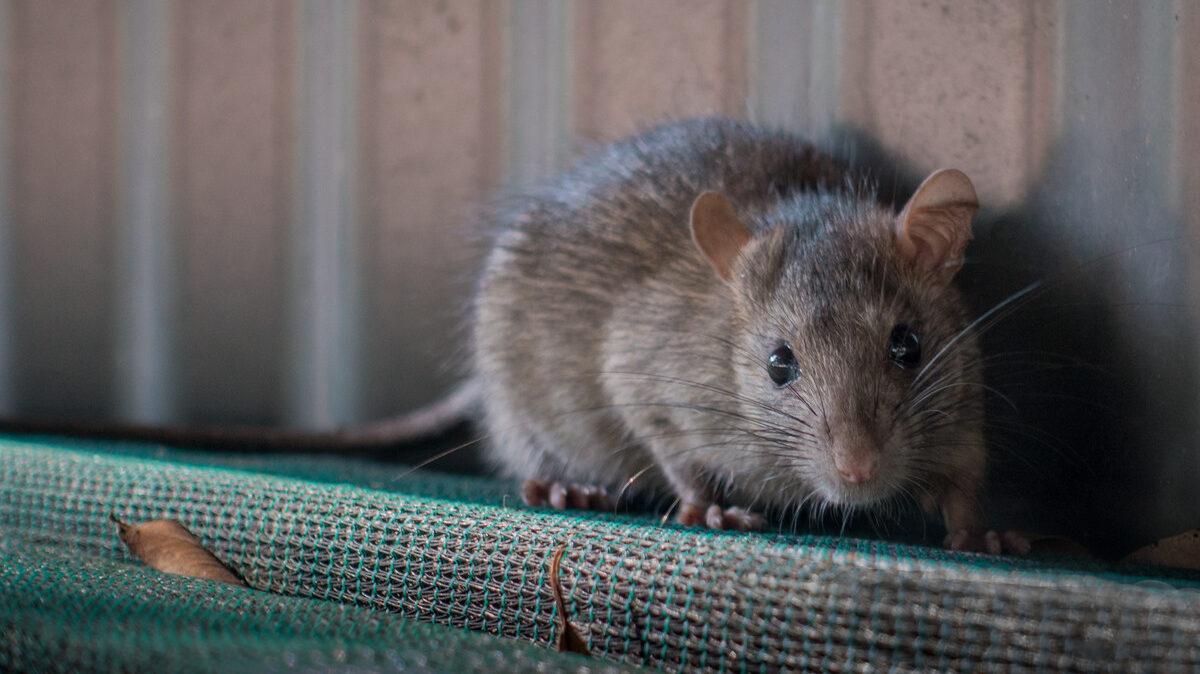
Yes, older homes are more likely to attract rodents and other wildlife than newer builds. Aging materials, shifting foundations, and years of weather damage all create small gaps that rodents can use to get inside with very little effort.
Rodents only need a gap about the size of a dime to squeeze through, and older homes tend to have many of these gaps spread across the foundation, roofline, and outer walls. These openings grow slowly over time, often without any clear sign that something has changed. A home that was fully sealed years ago may have several new entry points today just because of normal aging.
This pattern isn’t just about rodents. Squirrels, raccoons, bats, and birds are all drawn to the same conditions that rodents look for, which is part of why older homes tend to see a wider mix of wildlife activity overall.
Structural Vulnerabilities of Aging Properties
As a home gets older, its building materials start to break down in ways that create easy access for wildlife. Several specific structural issues explain why older homes become such common targets over time.
Weathered Wood and Fascia
Wood that has been exposed to rain and moisture for many years becomes soft, weak, and easy to chew through. This kind of wear happens slowly and quietly, often without any clear sign until wildlife has already found it.
- Moisture Breaks Wood Down Over Time: Decades of rain, snow, and humidity cause wood to rot in ways that aren’t always easy to see from the outside. What looks like solid wood on the surface may already be soft and weak underneath. This soft wood is easy for squirrels and raccoons to chew through when they’re looking for a way inside. A roofline that seemed fine last season can develop a usable entry point before the next one arrives.
- Fascia Boards Become Easy Targets: Fascia boards run along the edge of the roofline and are some of the most exposed pieces of wood on a home. Years of weather cause them to warp, split, and weaken in ways that make them easy to pry open. Once a gap forms in a fascia board, it often leads straight into the attic space behind it. This is one of the most common entry points we find on older properties during a full inspection.
- Soffits Follow the Same Pattern: Soffits are the panels that sit just below the fascia, and they face the same kind of wear over time. A soffit that has been bent, cracked, or softened by moisture can hide a tunnel that leads straight into the attic. These gaps are easy to miss from the ground and often go unnoticed for a long time. This is part of why a close, up-front look at these areas matters so much.
- Damage Spreads If Left Alone: Once wildlife finds a weak spot in wood or fascia, the damage tends to grow. Chewing widens the opening, moisture gets in, and more wood starts to soften around the original gap. This cycle makes an already weak area worse over time. Catching and fixing these spots early stops a small weak point from turning into a much bigger entry point.
Foundation Cracks and Gaps
Over many years, a home’s foundation shifts and settles, and small cracks form along the lowest parts of the structure. This is a natural part of aging, but it creates real risks for older properties.
Shifting soil causes foundations to move slightly over time, and even small movements can open up cracks that animals use to get inside. Mice and bats only need tiny openings to get into wall spaces and lower levels of a home. These cracks often show up in corners, around pipe entry points, and along the base of outer walls.
Because these openings tend to be at or below ground level, they’re easy to miss during a quick look at the outside of a home. This is part of why foundation gaps are one of the most common hidden entry points we find on older properties during a full inspection.
Degraded Roof Components
An aging roof develops weak spots that go well beyond how it looks. Missing or curling shingles, worn flashing, and old roof vents all create openings that wildlife notices quickly.
- Aging Shingles Create Gaps: Shingles that curl, crack, or fall off over time leave parts of the roof open in ways that create easy entry points. These gaps let warm air from the attic escape, which acts like a signal to wildlife searching for a warm place to stay. Once an animal finds this warm air, it often starts looking for a way to get inside. Even a small lifted shingle can be enough of an opening to start this process.
- Old Roof Vents Lose Their Protection: Roof vents on older homes often have screens or caps that have rusted, cracked, or broken down over the years. Without a working cap or screen, a vent becomes an open door that leads straight into the attic. These old vents are one of the most common entry points we find during inspections of older properties. Replacing or fixing them is one of the most useful prevention steps available.
- Flashing Lifts and Gaps Form: Flashing is the metal that seals the edges where the roof meets a chimney, wall, or other structure. On older homes, flashing can lift, rust, or pull away from the surface over time, leaving small but usable gaps. These gaps are easy to miss during a quick look from the ground but can be clearly seen up close. Wildlife is quick to find and use these openings once they form.
- Warm Air Escaping the Attic Attracts Attention: Any gap in the roof that lets warm attic air escape can pull wildlife toward the home. Many animals are actively searching for warm, sheltered spaces, especially during colder months. The warmth acts like a sign that there’s a comfortable space just on the other side of the gap. Sealing these openings removes the signal that draws activity toward the roof in the first place.
Architectural Elements and Nesting Appeal
The unique design features that make historic homes beautiful also make them very attractive to wildlife looking for a safe place to nest. Several specific design elements explain why older properties offer such good nesting conditions.
- Nooks, Ledges, and Cornices: Detailed stone carvings, deep window ledges, and decorative cornices all create sheltered spots that look and feel like natural cliff faces and cave openings to wildlife. These features are especially appealing to birds looking for a safe place to build a nest. The complex design of historic homes means there are often many more of these spots than on a simple modern exterior. Each one is a possible nesting site that goes unnoticed until the activity becomes obvious.
- Unprotected Chimneys: Older masonry chimneys often don’t have modern steel caps or mesh screens, which means they’re open at the top. Raccoons, birds, and squirrels all use open chimneys as entry points and nesting spaces. A chimney without a proper cap is one of the most direct and easy entry points on any older home. This is one of the first things our team checks during an inspection of a historic property.
- Spacious Attics and Crawlspaces: Large, undisturbed attic spaces in older homes offer the quiet, warm, and dark environment that many animals look for when raising young. These spaces tend to be bigger and less frequently used than attics in newer builds, which makes them even more appealing. Once a family settles in, the space can become a regular den site that gets used year after year. Finding this early and sealing it properly is what actually stops this pattern from repeating.
Established Surrounding Ecosystems
The area around an older home often plays just as big a role as the structure itself in bringing wildlife close. Mature trees, thick plants, and busy neighborhoods all help create the conditions that pull wildlife toward historic properties.
Mature trees with branches hanging close to the roof act as direct pathways for squirrels and raccoons to reach the roofline. These branches make it easy to get from nearby trees straight onto the roof, removing one of the main things that would otherwise keep wildlife away from the upper parts of a home. Properties with large, older trees close to the structure tend to see more roofline activity as a result.
Dense older neighborhoods with well-known wildlife populations also mean there’s steady pressure from animals looking for new territory. Historic areas often fall into this category, where raccoons, squirrels, and birds have been living nearby for a long time and know the area well.
How Skedaddle Handles Wildlife in Older Homes
Our team at Skedaddle has a lot of experience working with older and historic properties, which need a different level of care than a standard inspection. We know how these homes are built and where the most common weak spots tend to show up over time.
Every inspection starts with a full check of the whole outside of the home, including the roofline, foundation, chimney, and all the unique design details that come with older properties. We look for every possible entry point, not just the ones that are easy to spot, because older homes often have several access points active at the same time.
Once we know the full picture, we use one-way doors that allow wildlife to leave naturally while stopping them from getting back in through the same spots. After the space is clear, we seal every entry point using strong materials built to hold up against weather and determined animals.
Other Wildlife Concerns in Pittsburgh
Pittsburgh’s older neighborhoods have some of the most well-built and charming properties in the region, and those same properties tend to see the most consistent wildlife activity. Many homes in areas like Shadyside, Squirrel Hill, and the North Side have aging wood exteriors, original masonry chimneys, and mature trees that create great conditions for wildlife all year long.
The city’s hilly landscape also plays a role, since wooded slopes and ravines bring wildlife much closer to homes than flat suburban layouts usually allow. This closeness means animals have shorter distances to travel from natural habitat to nearby properties.
Cold Pittsburgh winters also push wildlife to look for warm shelter earlier in the fall and stay longer into the spring. This longer active season makes regular inspections and proper sealing especially important for older properties across the Pittsburgh area.
Frequently Asked Questions
How do I know if wildlife has gotten into my older home?
Common signs include scratching or scurrying sounds in the attic or walls, visible droppings near entry points, and strange smells coming from closed-off spaces. Gnaw marks on wood or siding near the roofline are another strong sign that something has been trying to get inside. These signs often show up in more than one spot at a time on older properties with multiple entry points. Finding any one of these clues is enough reason to call our professionals for a full inspection.
Can wildlife damage the historic features of my home?
Yes, chewing, nesting, and moisture from wildlife activity can all cause damage to wood, insulation, and structural materials over time. Original woodwork, masonry, and decorative features are especially at risk since they're often older and harder to replace. The longer the activity continues, the worse the damage tends to get. Acting early helps protect the parts of your home that matter most.
Is it harder to seal an older home against wildlife?
Older homes often have more entry points and more complex layouts, which means a full inspection takes more time and attention. The variety of materials and design features on historic properties creates more spots to check compared to a standard newer build. However, proper sealing is absolutely possible and just as effective on historic properties as on newer ones. Experience with older homes makes a big difference in how fully these inspections get done.
Does wildlife activity in older homes get worse in certain seasons?
Yes, spring and fall tend to bring the biggest jumps in activity, since animals are either looking for nesting spots in spring or seeking warm shelter before winter. Older homes with existing gaps and weak spots are especially easy targets during these seasonal changes. These patterns make inspections during these months especially useful for catching problems early. Staying ahead of these seasonal shifts is one of the best ways to protect an older property.
Can one inspection find all the entry points on an older property?
A full inspection can find the large majority of active and possible entry points on an older home. Our team is trained to check the areas that are most often missed, which makes a big difference in how complete the results are. Older properties sometimes have several entry points active at the same time, which is why checking the full outside of the home matters so much. A complete inspection gives the most accurate picture of what the home is dealing with.
Older Homes Deserve a Closer Look
Historic and aging properties have a lot to offer, but their age also makes them more open to wildlife than most homeowners realize. Soft wood, foundation gaps, failing roof parts, and open chimneys all create conditions that wildlife is quick to find and use. These weak spots don’t have to be large or easy to see to cause a real problem.
The charm of an older home comes with a need to stay on top of the kind of wear that most people don’t notice until something moves in. A small gap that formed over the winter can become an active entry point by spring if it isn’t caught and fixed in time.
At Skedaddle Humane Wildlife Control in Pittsburgh, we have the experience and tools to inspect older properties fully, find every entry point, and seal them properly. We know where to look on historic homes because we’ve seen the same weak spots show up again and again across Pittsburgh’s older neighborhoods. We handle everything so you don’t have to.
Request an estimate today and let our team take a closer look at what your home may be dealing with.

 Loading...