Homeowners in Richmond Hill and surrounding areas may not realize how serious the fire risks from squirrel nests can be during the coldest months. Squirrels are resourceful, often building their nests in attics, wall cavities, or chimneys—locations easily overlooked. While these secretive rodents seek warmth, their nests can become hidden hazards, especially as winter sets in.
The materials used by squirrels for nesting are highly flammable and often placed dangerously close to electrical wiring, significantly increasing the chances of accidental winter fires. At Skedaddle, we understand the unique wildlife risks faced by Richmond Hill residents, and we’re here to help you identify, address, and prevent squirrel nests before they become an emergency.
How Squirrel Nests Accelerate Winter Fire Hazards
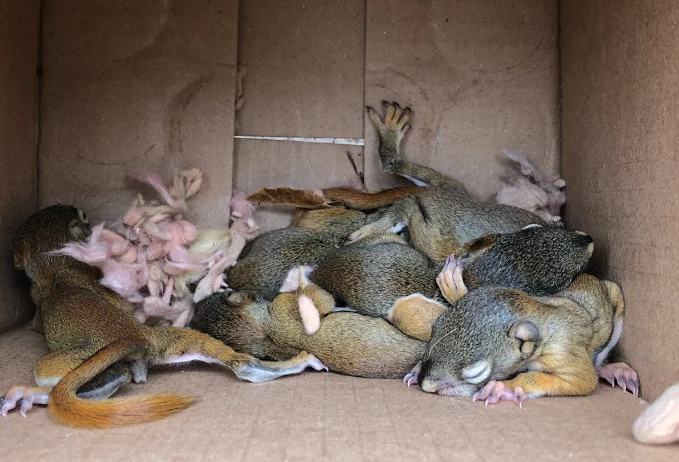
The presence of squirrel nests inside homes significantly raises winter fire hazards. These animals use dry, fibrous materials—leaves, twigs, and shredded insulation—to build nests that grow as families expand. Nesting often occurs in hard-to-detect places like attics and wall cavities, typically going unnoticed until a real problem arises.
Squirrels have an instinct to chew due to their continuously growing teeth, which often leads them to gnaw through insulation and electrical wires. This behaviour can create live wires that spark near their dry nests, posing a major fire risk.
Key reasons squirrel nests escalate fire risk during winter include:
- Nests built near exposed electrical wiring may ignite if wires are chewed and begin to spark.
- Accumulation of extremely dry materials in attics and wall cavities can act as kindling for accidental fires.
- Squirrels often seek warmth in hard-to-reach areas, making nests and fire risks harder for homeowners to detect.
- Multiple nests can be built if several squirrels or growing families take up residence, compounding the problem.
- The frequent chewing by squirrels wears away protective materials around wiring, increasing the chances for shorts and sparks.
Our experience shows that the risk spikes in winter when squirrels spend more time inside. Their warmth-seeking behaviour brings them closer to your electrical systems—a serious issue homeowners cannot overlook.
Let’s explore prevention strategies that protect your home—and your peace of mind—throughout the harshest months of the year.
Strategies to Prevent Squirrel Nests in Winter
To prevent problems from squirrel nests during winter, proactive steps must be taken before and during the cold season. Squirrels expertly exploit even small building vulnerabilities, and once inside, removal without harm to the animals or property becomes challenging.
Effective strategies in Richmond Hill include:
- Scheduling a professional fall and winter inspection to uncover current or potential squirrel entry points.
- Trimming back tree branches near your roofline to deny squirrels easy access to your attic and upper levels.
- Use heavy-gauge screening to seal off soffits, and other vulnerable areas.
- Repairing damaged roofing, fascias, or wood that may provide an entry point.
- Ensuring chimneys have tightly fitted caps to keep wildlife out.
- Removing outdoor food sources such as open garbage, compost, or birdseed during snowy months.
With over 30 years of experience, Skedaddle’s technicians start every removal with a thorough home assessment. By identifying where squirrels may gain access, we create a tailored removal and prevention plan, using quality materials designed to withstand persistent chewing. Our method isn’t just about removing squirrels—it’s about protecting your home for many winters to come.
Now, let’s consider how squirrel nesting behaviour throughout the year—especially in summer—contributes to the winter fire hazards you may not expect.
Hidden Year-Round Threat: Summer Nests and Escalating Risks
Squirrel infestations aren’t just a winter problem. Nests started in summer often lead to compounded winter fire hazards. Squirrels typically produce two litters a year, with the second set of young arriving in late summer. As they seek safe dens for their young, they build or expand nests in attics and walls—often closer to electrical wiring.
By the time winter arrives, summer nests may have already outgrown initial spaces, with squirrels chewing further into insulation, ductwork, and electrical systems. The expanded nests mean more dry, flammable material has accumulated—sometimes right on high-voltage lines.
Consider these points:
- Summer nests give squirrels a head start in establishing larger homes within your walls or attic.
- Growing squirrel families may share the same den, increasing the size and number of nests near wiring.
- Over time, older and newer nest materials combine, creating bigger fire risks.
- Warm temperatures in summer allow unchecked nesting; by winter, areas are heavily compromised.
- Even in new homes, squirrels exploit unseen roofing or vent gaps.
This year-round pressure means the risk of a winter fire isn’t just a cold-weather issue—it starts in warmer months and peaks during family holidays. That’s why comprehensive prevention and removal must be a year-round effort.
Next, it’s crucial to understand the legal implications. Property owners—both residential and commercial—face responsibilities you may not have considered.
Skedaddle’s Approach to Squirrel Nest Hazards
At Skedaddle, our approach is humane, comprehensive, and tailored to each property.
Our service process features:
- Detailed Inspection: We perform a home assessment to identify every entry and nesting point squirrels may use.
- Hands-On Removal: All adult animals and babies are safely removed, using specialized equipment for even the hardest-to-access spaces.
- Securing Entry Points: We seal every gap, vent, and crack with high-quality, squirrel-resistant materials.
- Sanitization: Nesting materials and contaminated areas are cleaned to eliminate bacteria and odours that attract new animals.
You can expect comprehensive services that include installing factory-grade screening to prevent future entry, repairing compromised ventilation and electrical systems, and providing insurance documentation for legal and safety reassurance. Additionally, you’ll receive guidance on ongoing home maintenance, such as trimming branches and inspecting exterior features, to help keep your property protected.
With each step, we prioritize your safety and the protection of your property against the fire risks associated with squirrel nests.
Now that we’ve addressed the immediate and structural risks squirrels pose, let’s cover some frequent questions from our clients about identifying and eliminating these dangers before they escalate.
Protect Your Home from Dangerous Squirrel Nests This Winter
Squirrel nests hidden within your attic or walls aren’t just a minor inconvenience—they present a real threat to your family’s safety and property, especially during winter. These nests can quickly turn a cozy home into a fire hazard, as they are often packed with dry materials and built close to electrical wiring. Squirrel activity extends beyond colder months; nests from summer can escalate risks, leading to bigger problems as temperatures drop.
Avoid reliance on quick DIY fixes. With over 30 years of local expertise, Skedaddle in Richmond Hill offers humane, effective solutions to identify every entry point and address immediate dangers and long-term prevention. Safeguard your home, meet legal obligations, and enjoy peace of mind this season.

 Loading...







