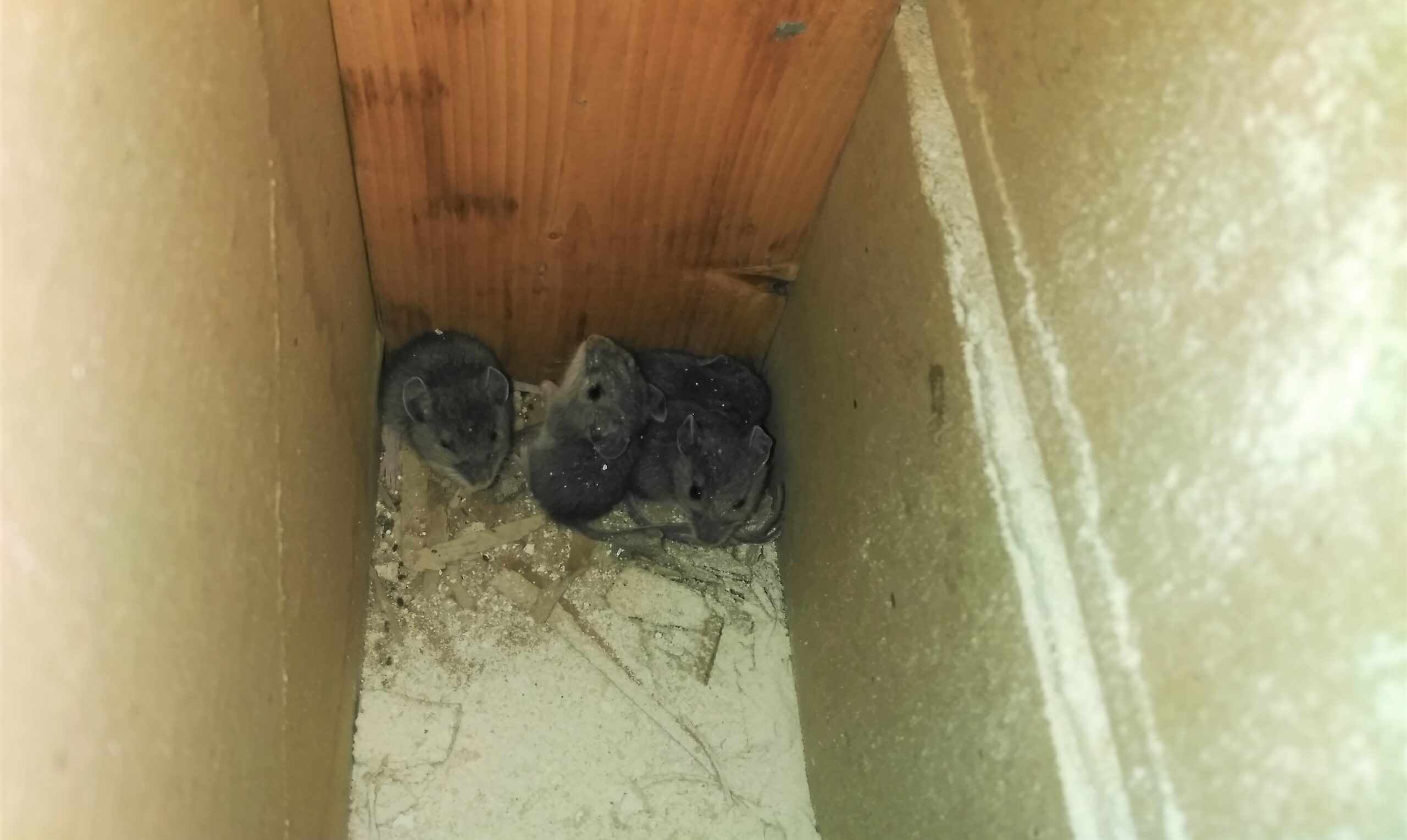
When it comes to mice, their ability to reproduce quickly is one of the main reasons why they can become such a big problem in homes. A single litter of mice usually includes five to seven pups, but in some cases, a female mouse can have as many as 14 babies at once.
After birth, the young mice grow up quickly, reaching maturity in just a few weeks. This rapid growth means that even just a couple of mice can turn into a much larger issue before you have time to notice. They often hide and multiply behind walls or in small, hard-to-reach spaces, which makes it easy for them to go undetected.
Understanding the cycle of mouse reproduction is the first step to preventing an infestation. That’s why, in this blog, we will cover the essential facts about how quickly mice breed and why it’s important to act fast when you suspect their presence. We will also discuss why handling this issue on your own can be challenging and the benefits of working with our professionals. The team at Skedaddle Humane Wildlife Control in St. Paul is here to provide reliable, humane solutions to protect your home from these fast-growing creatures.
When Do Mice Have Babies?
Mice have babies all year long when they live inside a warm house. In the wild, they usually breed during the spring and fall months. Once they find a safe, warm spot inside your walls or attic, the weather outside no longer matters to them. They will continue to reproduce during the cold winter and the hot summer.
A female mouse is pregnant for only 19 to 21 days before she gives birth. She can also mate again just one or two days after having her babies. This means she can be pregnant with a new litter while she is still nursing her current pups. You can easily see how quickly a few mice can turn into dozens. A single female can produce up to 10 litters every year.
Key Facts About Mouse Gestation
The gestation period for a mouse is incredibly short. It takes less than three weeks for a pregnant female to have her babies. You might not even realize you have a pregnant mouse in your house until the babies are already born. The mother spends this time building a soft, warm nest using insulation, paper, or fabric she finds around your home.
During this short pregnancy, the mother mouse needs extra food to stay healthy. She will search your kitchen and pantry for easy meals. You might start noticing small chew marks on food boxes or finding droppings in your cupboards. These are clear signs that she is getting ready to feed a growing family.
Once the 19 to 21 days have passed, the mother gives birth in her hidden nest. She will stay very close to her babies for the first few weeks to keep them warm and fed. You will rarely see the babies during this time because they are completely helpless and hidden away from danger.
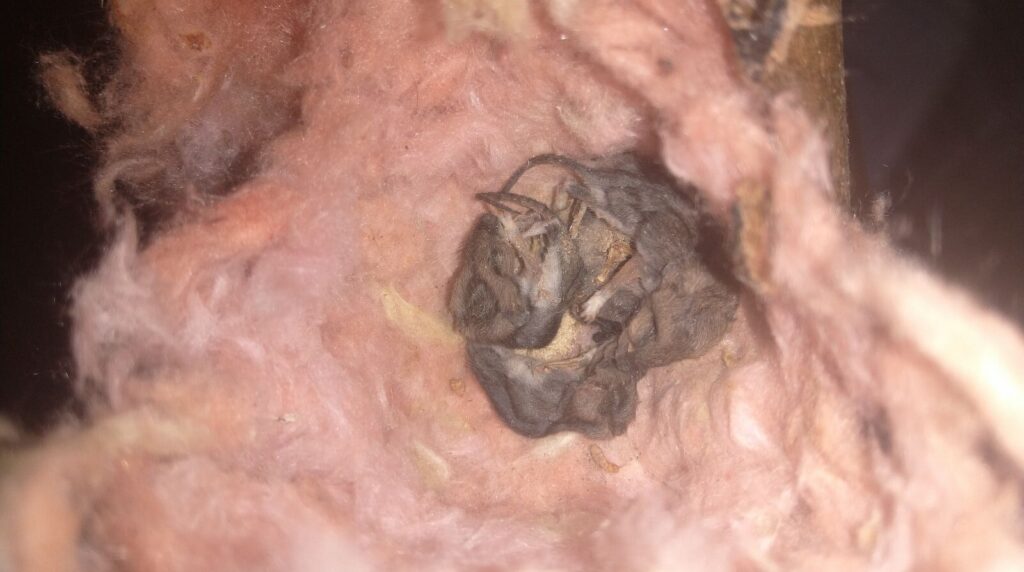
The Newborn State of Baby Mice
When baby mice are first born, they are incredibly tiny and delicate. You might be surprised to learn how helpless they really are during their first few days of life. This section explains exactly what these newborns look like.
- Born Without Sight or Hearing: Newborn mice are completely blind and deaf when they enter the world. Their eyes and ears are tightly closed, keeping them safe from the outside environment. They rely entirely on their mother to guide them, keep them warm, and provide milk. You will not see them exploring because they cannot sense the world around them yet.
- Completely Hairless Bodies: These tiny animals are born without any fur to protect them. Because their skin is pink and bare, people sometimes call newborn mice “pinkies.” They cannot control their own body heat, so they must huddle together with their brothers and sisters in the nest. The mother uses her own body heat and the soft nest materials to keep them alive.
- Total Dependence on the Mother: For the first week, the babies do nothing but sleep and drink milk. The mother must stay very close to the nest to protect them from cold and danger. If the nest is disturbed, the mother might move the babies to a safer location inside your home. You can see why a safe, hidden spot in your house is so important for their survival.
How Fast Do Baby Mice Develop?
Baby mice do not stay helpless for long. They go through a very fast timeline of growth before they are ready to leave the nest. Here is how they change over their first few weeks of life.
- The First Week of Growth: Around the fourth day, their ears begin to fully develop and open up. By the sixth day, a soft layer of fuzz starts to grow on their bare skin. They are still mostly helpless, but they are getting stronger every single day. You can see how fast their bodies adapt to their environment in just one week.
- Opening Their Eyes: When the babies are about 13 or 14 days old, their eyes finally open. This is a major step in their development because they can now see their surroundings. They start to move around the nest more and become curious about the world. You might start hearing faint scratching noises as they become more active inside your walls.
- Weaning and Independence: At 21 days old, the pups are fully weaned off their mother’s milk. They begin to eat solid food and leave the nest to explore on their own. This is the stage where they start causing damage to your home by chewing on wires and leaving droppings. You now have several new independent mice roaming around your house.
Reaching Maturity and Breeding: Frequency
Mice reach the adult stage of their lives much faster than most other animals. This rapid maturity is the main reason why their populations grow out of control so fast. Here is what happens when they grow up.
- Fast Sexual Maturity: Young mice are ready to start breeding when they are just four to six weeks old. This means a baby mouse born in your house will have its own babies a little over a month later. The cycle repeats itself incredibly fast if the animals are not removed. You can quickly end up with multiple generations of mice living together.
- Constant Year-Round Breeding: Because the inside of your home is climate-controlled, these animals breed constantly. They do not wait for a specific season to find a mate and have babies. A single female can produce up to 300 offspring during her lifetime if she lives indoors. You will face a growing population every single month.
- Rapid Population Growth: If you start with just two mice, they can potentially produce over 60 offspring in a single year. Those 60 offspring will also start breeding at six weeks old. This causes the population to multiply at an alarming rate that quickly takes over a home. You must stop the breeding cycle early to protect your property from serious damage.
Local Mouse Challenges in St. Paul
Having mice or other wildlife in your home can be stressful, but knowing why it happens is the first step to solving the problem. Animals, like mice, are simply looking for food and shelter to survive. Unfortunately, homes in the St. Paul area often provide exactly what they need. From crumbs in the kitchen to warmth from your heating system, your home is an inviting place for wildlife during the colder months.
Preventing these intrusions starts with understanding how animals get inside. Tiny cracks, holes, or even loose weatherstripping are common entry points for mice and other critters. These openings may seem insignificant, but they are enough for even the smallest pests to pass through. Sealing up these gaps and keeping food properly stored goes a long way in keeping your home safe from unwanted guests.
At our service, we take all these factors into account when helping homeowners in St. Paul. We inspect your property to identify hidden entry points and signs of wildlife activity. Using our knowledge of local building types and seasonal patterns, we provide solutions tailored to your specific needs. Our goal is to not only remove these pests but to also ensure your home stays protected in the future.
Professional Mouse Prevention Strategies
Mice can be a big problem if they find their way into your home. They not only cause damage by chewing wires or furniture, but they also leave behind droppings that can make you and your family sick. That’s why it is important to act quickly when you suspect a mouse problem. At Skedaddle Humane Wildlife Control, we use a safe and thorough process to keep your home free of mice and protect it from future issues.
Our process begins with a detailed inspection of your property. We carefully check for any entry points where mice might be getting in. Once we find these spots, we use humane methods to remove the mice. This means we don’t harm the animals, and we ensure that they cannot come back into your space again. Our one-way doors are an effective solution that allows them to leave safely.
After the mice are removed, we move on to sealing up the entry points to keep them out for good. We also provide cleanup and decontamination services for any areas where mice have been active, making sure your home is safe and hygienic. You can trust our team to handle the problem efficiently and professionally, giving you peace of mind and a mouse-free home.
Frequently Asked Questions
How long do mice live?
In the wild, mice usually live for about one year because of predators and harsh weather. However, when they live comfortably inside your home, they can survive for two to three years.
Do mice come back to the same nest?
Yes, mice are very territorial and will return to a safe nesting spot to have multiple litters. This is why our professional sealing and prevention are necessary to keep them out for good.
How do I know if the mice have babies?
You might hear faint squeaking noises coming from your walls or ceiling. You may also notice the adult mice gathering soft materials like paper or fabric to build a nest.
Will mice leave my house on their own?
No, mice will not leave a warm home that provides them with food and water. They will stay and continue to breed until professional steps are taken to remove them.
How small of a hole can a mouse fit through?
A mouse can squeeze its body through a hole the size of a dime. If their head can fit through a crack, the rest of their body can easily follow.
Let Our Experts Protect Your Home
It’s easy to underestimate how quickly a small group of mice can grow into a much larger problem. With each litter containing five to seven babies, and their ability to reproduce rapidly, a small issue can turn into a major infestation before you know it. Mice don’t just invade your space; they also chew through wires, insulation, and wood, causing costly damage to your home. On top of that, they can carry diseases that pose a threat to you and your family.
The good news is, you don’t have to face this problem alone. At Skedaddle Humane Wildlife Control, we understand how important it is to act fast to protect your home. Serving St. Paul and Plymouth, our team specializes in humane and professional wildlife removal services. We make sure the animals are safely removed and your home is properly secured to keep them from returning.
Don’t wait until a small infestation turns into a big problem. Reach out to us today for an estimate and take the first step toward reclaiming your home. You deserve a safe and clean living space, and Skedaddle is here to help you achieve that with reliable service you can trust.

 Loading...