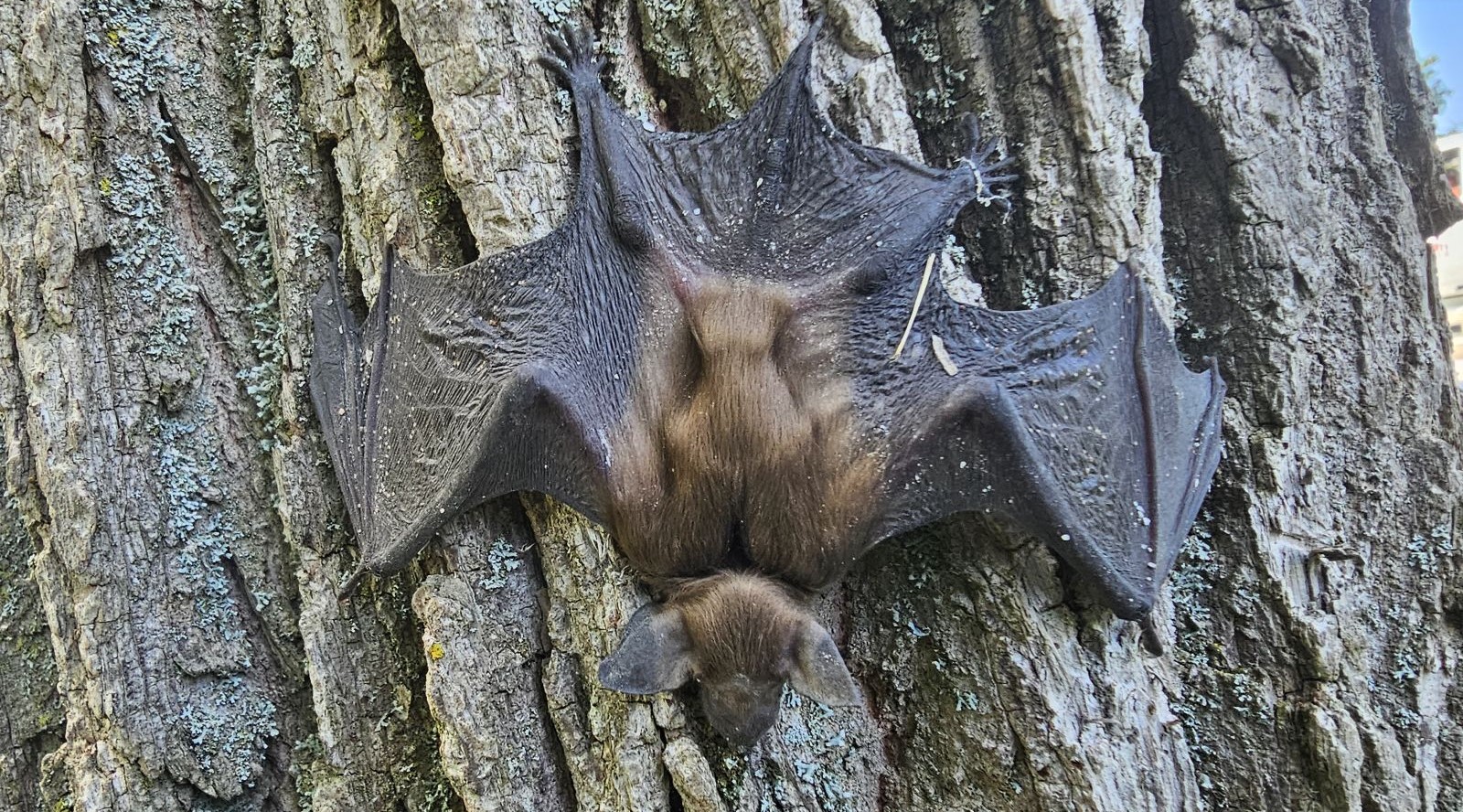
You might not think about bats very often, but they play a huge role in Minnesota’s ecosystem. These small animals eat mosquitoes and other insects that bother us and damage crops. Without them, we would see a rise in pests that affect both people and farms. Sadly, bats are facing a serious threat called White Nose Syndrome.
So, how can you help stop the spread of White Nose Syndrome bats in Minnesota? The answer involves learning what the disease is, how it spreads, and what steps support bat conservation efforts. At Skedaddle Humane Wildlife Control in St. Paul, we see firsthand how much harm this disease can cause. The good news is that with the right actions, you can play a part in protecting Minnesota bats for the future.
This article will explain:
- What White Nose Syndrome is and how it affects bats
- The types of bats found in Minnesota
- The signs of infection and what makes the disease so dangerous
- How you can help reduce the spread
- How our team at Skedaddle helps keep both bats and homes safe
What Is White Nose Syndrome?
White Nose Syndrome is a disease caused by a fungus called Pseudogymnoascus destructans. The fungus grows in cold, damp areas like caves and abandoned mines—places where bats hibernate in winter. It shows up as white fuzz on their noses, ears, and wings.
The real danger isn’t just the fungus itself. It wakes bats up too early from hibernation. When that happens, they use up their stored fat before spring arrives. Without food to eat in the cold months, many of them die.
Since it was first spotted in New York in 2006, White Nose Syndrome has spread across most of the U.S. In Minnesota, it was first confirmed in 2016. Since then, populations of cave-dwelling bats have dropped sharply. This makes bat conservation efforts more urgent than ever.
Why White Nose Syndrome Is a Big Problem
You might wonder why this disease matters so much. After all, they’re just bats, right? The truth is, they are essential for a healthy environment. Here’s why:
- Insect Control: They eat huge amounts of mosquitoes, moths, and beetles. Without them, pests multiply quickly.
- Farm Protection: Farmers rely on bats to save crops from insects. Without them, farmers spend billions more on pesticides.
- Balanced Ecosystem: When these animals decline, it affects birds, fish, and plants that depend on stable insect populations.
That’s why fighting White Nose Syndrome isn’t just about bats—it’s about protecting Minnesota’s entire ecosystem.
Bat Species in Minnesota
Minnesota has eight species, each weighing less than an ounce:
- Eastern red
- Hoary
- Silver-haired
- Big brown
- Little brown myotis
- Northern long-eared
- Tricolored
- Evening (the newest addition)
Some migrate south for winter. Others hibernate here in caves or mines, where White Nose Syndrome spreads most easily. The little brown myotis, northern long-eared, and tricolored have been hit the hardest.
Because all Minnesota bats eat insects, every one of these species plays a role in keeping our nights more comfortable and our crops more secure.
Signs of White Nose Syndrome in Bats
The disease is hard to see unless you know what to look for. Here are some common signs:
- White fuzz on the nose, ears, or wings
- Unusual behavior, like flying during the day in winter
- Weak, thin bats that can’t fly well
- Large numbers of dead bats near caves or roosts
If you ever notice these signs, don’t try to handle the animals. Call professionals like us at Skedaddle. We’re trained to handle bat infestations in Minnesota safely.
How the Disease Spreads
White Nose Syndrome spreads in two main ways:
- Bat to Bat: They live close together in caves and mines, so the fungus moves quickly from one to another.
- Human Activity: Spores stick to clothing, shoes, and gear when people enter caves. If those spores move to another cave, the disease spreads further—even without bats present.
This is why public caves often have signs asking visitors to stay out or clean their equipment.
How You Can Help Stop the Spread
You can play a big role in protecting Minnesota bats and slowing down the disease. Here are some of the best steps:
1. Stay Out of Closed Caves and Mines
Many areas with bats are gated or posted as closed. Respect those rules. Even walking inside can disturb hibernating bats and spread spores. When these animals wake up too early, they burn energy they need to survive the winter. Once that energy is gone, they often cannot make it until spring. By staying out, you give bats the best chance to rest and recover naturally.
2. Decontaminate Gear and Clothing
If you enter caves legally, clean everything afterward. Spores can live on fabric and equipment for months. Warm water and approved cleaning solutions are best for researchers and cave explorers.
Shoes, backpacks, and tools can carry spores into new areas without you even knowing it. Taking time to wash or replace gear helps prevent the spread of the disease. This small step goes a long way toward protecting bat colonies.
3. Support Natural Habitats
You don’t have to enter a cave to help bats. Making your yard wildlife-friendly helps too:
- Keep tall trees and dead trees for roosts
- Plant native flowers and grasses to attract insects
- Provide clean water sources like birdbaths or small ponds
These changes give bats safe places to rest, hunt, and drink. A strong natural habitat means bats are healthier and better able to fight disease. Even small efforts in your backyard can add up to big results when many people take part.
4. Report Unusual Sightings
If you see bats flying in daylight during winter, or find several dead ones, report it to the Minnesota Department of Natural Resources. Quick reporting helps with research and protection.
Experts can track where White Nose Syndrome is spreading and act faster to slow it down. Your call may give scientists important data that saves thousands of bats. Always keep your distance and let professionals handle the situation safely.
5. Educate Others
Many people still fear bats or see them as pests. Share what you’ve learned about White Nose Syndrome bats and why they matter. The more people care, the stronger bat conservation efforts will be.
Teaching your friends, neighbors, or kids helps build awareness and respect for bats. When communities understand their value, they are more likely to protect bat habitats. Education is one of the simplest but most powerful tools for change.
Why Prevention Matters for Homes Too
While most of the focus is on caves and wild roosts, homes can also play a role. Sometimes, bats end up in attics, chimneys, or wall spaces. If they are infected, the risks increase.
That’s why preventing bats in homes is so important. At Skedaddle, we install one-way doors that let them leave but keep them from coming back. We also seal entry points around roofs, vents, and chimneys. By protecting your home, you’re also helping reduce the spread of the disease.
How Skedaddle Helps With Bat Conservation
You might not think of a wildlife control company as part of bat conservation efforts, but we are. Here’s how:
- Safe Removal: We never trap or relocate these animals. Instead, we guide them out safely with one-way doors.
- Long-Term Protection: We seal homes so they can’t get back inside.
- Public Education: We explain the risks of White Nose Syndrome and how people can help protect Minnesota’s bats.
- Eco-Friendly Practices: Our work supports both homeowners and wildlife by finding solutions that respect nature.
When you call us, you’re not just protecting your home; you’re also helping local bat populations survive.
Take Action for Minnesota’s Bats
White Nose Syndrome bats are facing serious challenges, but you can help make a difference. By avoiding caves, reporting sick bats, and supporting conservation, you’re already part of the solution. And when they end up in your attic, that’s where we come in.
At Skedaddle Humane Wildlife Control in St. Paul, we specialize in keeping homes safe while still respecting wildlife. From safe removal to prevention, we help you protect your space and do your part in protecting Minnesota bats. Request an estimate today to learn more about our services and how you can support bat conservation efforts in your community.

 Loading...