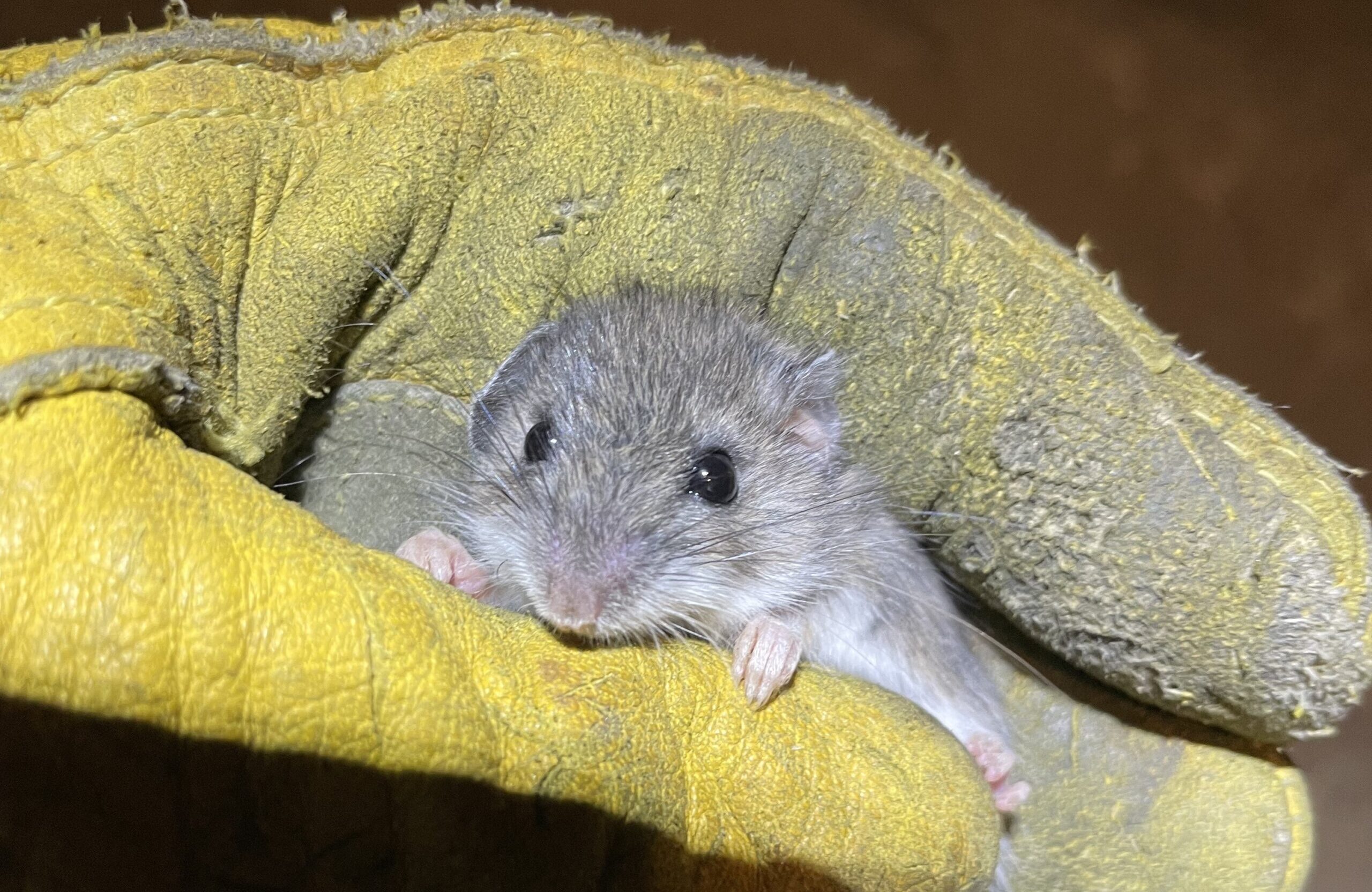
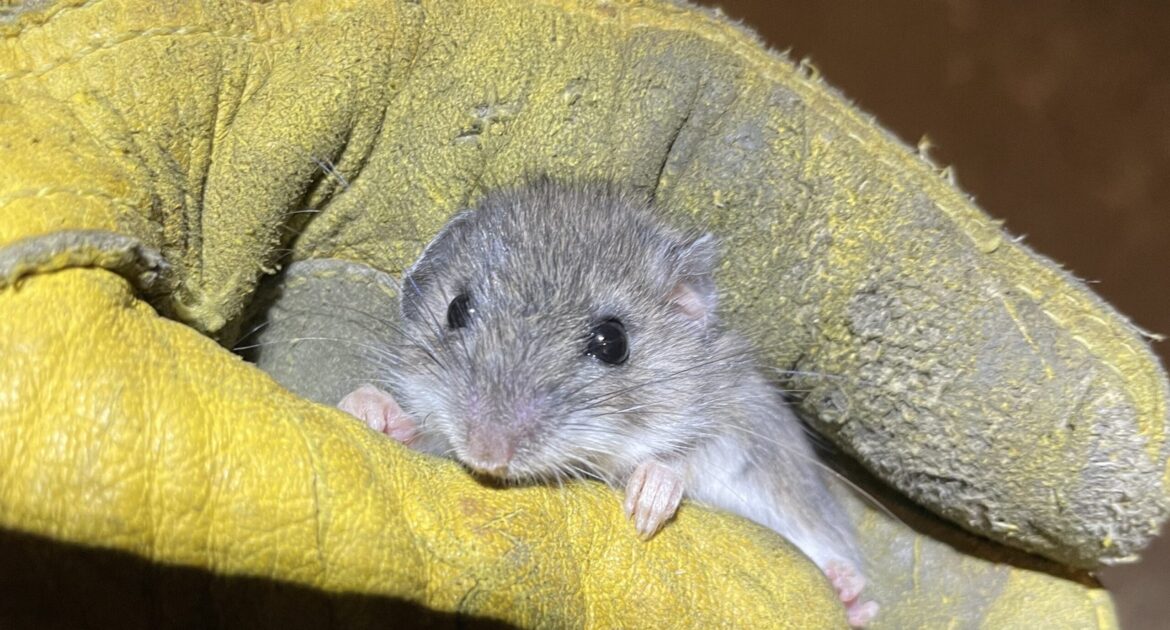
Discovering signs of mice in your home can be unsettling. Tiny droppings, gnawed packaging, or scratching sounds in walls or ceilings may make you feel like you need to act immediately. The first thought for many homeowners is to use poison, assuming it is the quickest and easiest solution.
At Skedaddle Humane Wildlife Control in St. Paul, we know this instinct. However, poison is not just cruel—it’s often unsafe and rarely solves the underlying problem. There are professional, humane alternatives that protect your home, your family, and local wildlife, while actually solving the issue long-term. In this blog, we’ll explain why poison is a problematic choice, how it affects mice and other animals, and how humane solutions offer safer, more effective results.
How Poison Really Affects Mice
Rodenticides, commonly marketed as mouse poison, often cause internal bleeding or organ failure. Many people assume it is a quick and painless solution, but the reality is far different.
- Mice usually experience symptoms for several days before death, including weakness, lethargy, and pain.
- During this period, mice may wander the home, seeking hiding places while suffering internally.
- In some cases, poisoned mice can die in walls or under floors, leaving homeowners to deal with unpleasant odors and secondary issues.
These delayed effects make poison one of the cruelest ways to address a mouse problem. Humane alternatives focus on prevention, deterrence, and safety, rather than prolonged suffering.
Unintended Consequences for Other Animals
Poison doesn’t just affect the mice—it can harm pets and local wildlife as well. Secondary poisoning is a serious concern in residential areas.
- Pets: Dogs or cats may accidentally ingest poison, or consume poisoned mice, leading to internal bleeding, organ failure, or even death.
- Wildlife: Birds, raccoons, foxes, and other animals may eat poisoned mice, resulting in sickness or death.
- Predators: Hawks, owls, and other predatory animals are at risk after consuming poisoned rodents.
According to a 2018 study from the U.S. Environmental Protection Agency, anticoagulant rodenticides have been detected in over 70% of tested predatory birds and mammals in urban areas, illustrating how widespread the impact can be. Using poison in your home may temporarily reduce mouse activity, but it creates risks for other animals in your neighborhood that far outweigh the benefits.

Safety Risks for Humans
Beyond wildlife, poison presents a significant danger to people, particularly children. Even small amounts of rodenticides can be toxic if ingested.
- Accidental ingestion can lead to nausea, vomiting, internal bleeding, and other serious complications.
- Children and curious pets are especially at risk when poison is left within reach.
- Poisoned mice wandering in the home can also contaminate food preparation areas.
Minnesota Poison Control Centers report hundreds of accidental rodenticide exposures each year. These incidents often require hospitalization and sometimes lead to long-term health effects.
Why Poison Does Not Solve the Root Cause
Even if poison reduces the number of mice temporarily, it does not address the conditions that allowed the infestation in the first place. Mice reproduce rapidly—up to 50–60 offspring per year per breeding pair.
- New mice can enter your home even after poison has killed the initial population.
- Structural vulnerabilities such as gaps, vents, or damaged siding remain open, inviting future infestations.
- Food sources like crumbs, pet food, and garbage continue to attract rodents.
Long-term prevention requires professional evaluation and intervention, not just reactive poisoning. Without addressing these root causes, homeowners often find themselves in a cycle of repeated mouse problems.
Humane Alternatives to Poison
At Skedaddle, we prioritize methods that are effective, safe, and humane. These approaches protect your family, pets, and local wildlife, while preventing suffering.
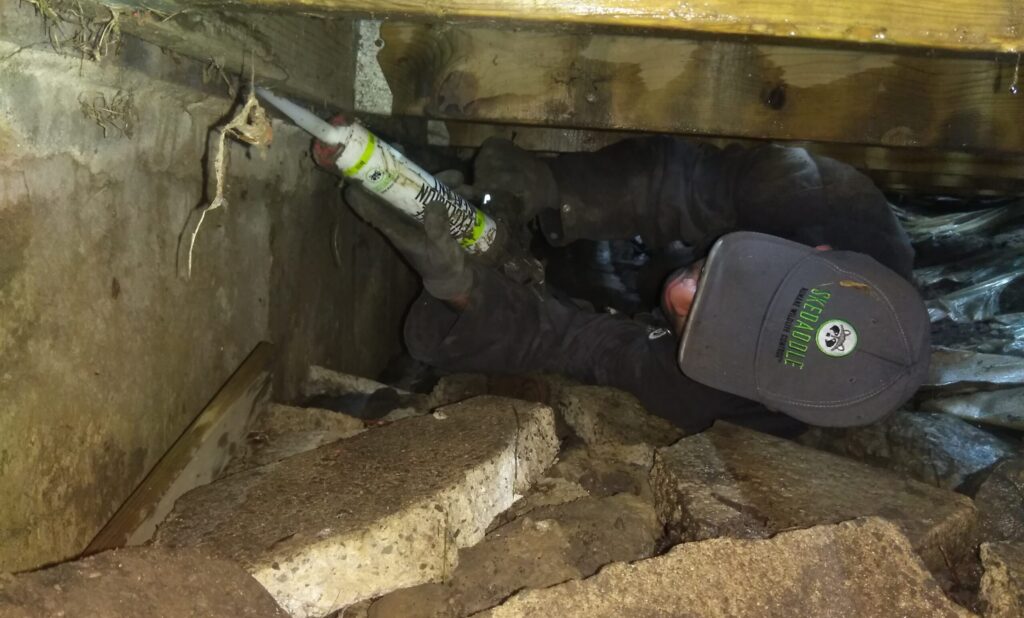
- Professional inspections: We carefully examine your home to locate entry points and vulnerabilities.
- Environmental modifications: Removing food sources, sealing gaps, and reducing shelter opportunities make your home less attractive to mice.
- Safe deterrents: Professional-grade, humane methods discourage mice from returning without causing pain or distress.
Humane solutions may require a little more planning than simply laying out poison, but they deliver lasting results while keeping everyone safe.
Common Myths About Poison
Many homeowners believe poison is the fastest, cheapest, and most effective option. These are misconceptions that often create more problems than they solve.
- “Poison is quick and painless.” The reality is that mice often suffer for days.
- “Poison keeps other animals away.” Secondary poisoning can attract predators that may become sick or die.
- “It’s cheaper than professional services.” Property damage, wildlife harm, and medical costs for pets or children make poison far more expensive in the long run.
Understanding these myths helps homeowners make safer, more informed decisions about managing mouse problems.
Prevention Tips for Homeowners
While poison may seem like a shortcut, prevention is always the most effective long-term solution. Homeowners can take steps to make their property less inviting to mice.
- Seal cracks, gaps, vents, and foundation openings to block entry.
- Store food in sealed containers and clean up crumbs promptly.
- Remove clutter, piles of wood, or stored items that provide shelter.
- Keep garbage, compost, and pet food secure and inaccessible.
Even small preventative measures can make a significant difference in reducing the likelihood of mice entering your home. Combined with professional guidance, these strategies ensure that your property remains secure.
Seasonal Considerations: Why Mice Are Active Year-Round
Mice don’t only invade homes in the winter—they can be active year-round.
- In spring and summer, mice are more likely to reproduce, increasing population growth in homes with accessible food and shelter.
- Seasonal changes in temperature and precipitation can push mice indoors, seeking warmth or dry spaces.
- Understanding seasonal patterns helps homeowners recognize when prevention and professional intervention are most effective.
Addressing these seasonal risks early can prevent serious infestations without resorting to inhumane methods.
Advantages of Professional, Humane Solutions
Working with a professional wildlife control team like Skedaddle provides long-term benefits:
- Safety for your family and pets: No accidental poisonings or exposure to toxic chemicals.
- Long-term effectiveness: Professional inspections and preventive measures address the root cause.
- Ethical approach: Humane solutions prevent unnecessary suffering for animals.
- Peace of mind: Knowing your home is protected without causing harm to wildlife reduces stress and risk.
Humane solutions offer lasting results that poison simply cannot provide, making them the smart choice for modern homeowners.
Protect Your Home and Local Wildlife
Using poison may seem convenient, but it is one of the cruelest, most dangerous, and least effective ways to handle a mouse problem. Mice suffer unnecessarily, and your family, pets, and local wildlife may face serious risks.
At Skedaddle Humane Wildlife Control in St. Paul, we provide professional, humane solutions that address the problem safely and effectively. From inspections to preventive measures and safe deterrents, we focus on long-term results that protect everyone involved. Contact us today to learn how humane wildlife control can keep your home secure, your family safe, and local wildlife unharmed.

 Loading...