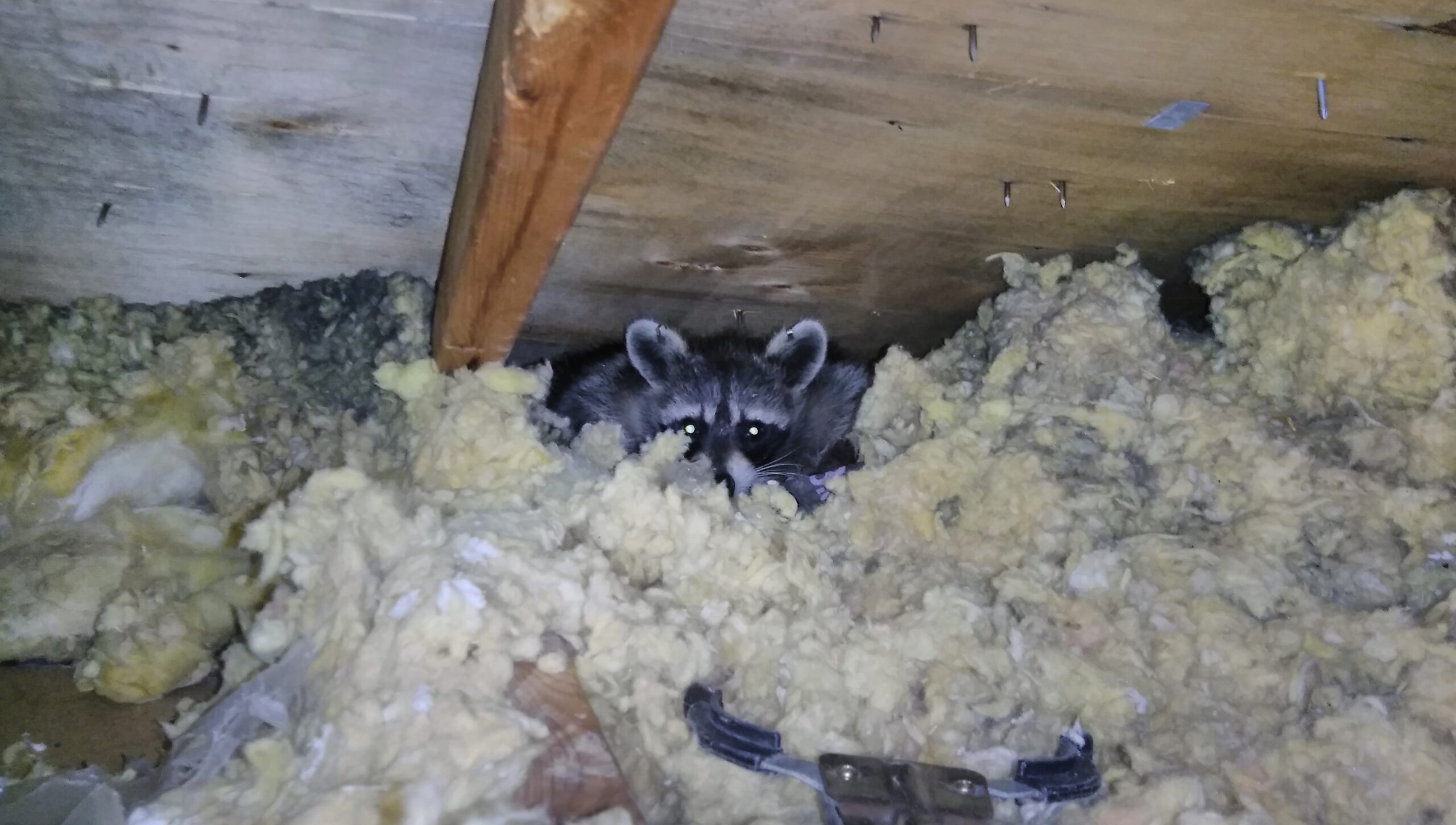
You can absolutely get sick from raccoons living in your attic. These animals carry diseases, parasites, and bacteria that can spread through their droppings, urine, and saliva. You don’t even have to come into direct contact with them for your health to be at risk.
The danger is real even if you never go into your attic. Dried droppings break down into dust that can travel through your home’s air system and into the rooms where you and your family spend time every day. The longer raccoons live in your attic, the more waste builds up and the bigger the health risk becomes for everyone in the house.
At Skedaddle Humane Wildlife Control in Scarborough, we deal with attic raccoon problems every day. In this blog, we walk you through the most serious health risks that come with having raccoons in your attic, what those risks mean for your family, and why calling our team right away is the safest and smartest thing you can do.
What Diseases Do Raccoons Carry?
These animals are known carriers of several serious diseases and parasites. The most common ones include raccoon roundworm, leptospirosis, and rabies. All of which can be transmitted to humans under the right conditions. Secondary pests like fleas, ticks, and mites that travel with raccoons can also cause their own set of health problems once they make their way into your living spaces.
These diseases don’t require direct contact with a raccoon to spread. Roundworm eggs can become airborne from dried droppings. Leptospirosis spreads through urine that soaks into insulation and wood. Rabies can be transmitted through a bite or scratch if someone encounters an animal that has gotten into the living areas of the home. Each of these risks is serious on its own, and when these animals have been living in your attic for weeks or months, the exposure risk goes up significantly.
This is why we always tell homeowners: don’t go into the attic to investigate on your own. Don’t try to clean up droppings or remove nesting material yourself. The risks are real, and the right response is to call our team at Skedaddle right away so we can assess the situation safely and take care of it properly.
Raccoon Roundworm in Your Attic
Raccoon roundworm (known scientifically as Baylisascaris procyonis) is one of the most serious health risks that comes with a raccoon infestation in your attic. Here’s what you need to know:
- What It Is and How It Spreads: Raccoon roundworm is a parasite that lives in the digestive system and gets passed through their droppings. When droppings dry out, the microscopic eggs become airborne and can be inhaled or accidentally swallowed. You don’t have to touch anything to be exposed, simply being in or near a contaminated attic space can put you at risk.
- What It Does to the Human Body: If roundworm eggs are ingested or inhaled, the larvae can travel to the brain, eyes, and other organs and cause serious damage. Symptoms can include nausea, fatigue, loss of coordination, and in severe cases, permanent neurological damage or vision loss. It’s a rare but extremely serious condition that requires immediate medical attention.
- Why the Attic Is a High-Risk Zone: These animals tend to use the same spot in your attic as a latrine over and over again. This means droppings pile up in one area, creating a concentrated zone of contamination. Air moving through your attic, including through vents and gaps, can carry those microscopic particles into the rest of your home without you ever knowing it.
- Call Us Before You Go Up There: If you suspect raccoons have been in your attic, do not go up to investigate on your own. Our team has the proper equipment and training to handle contaminated spaces safely. Contact Skedaddle right away and let us assess the situation before anyone enters the attic.
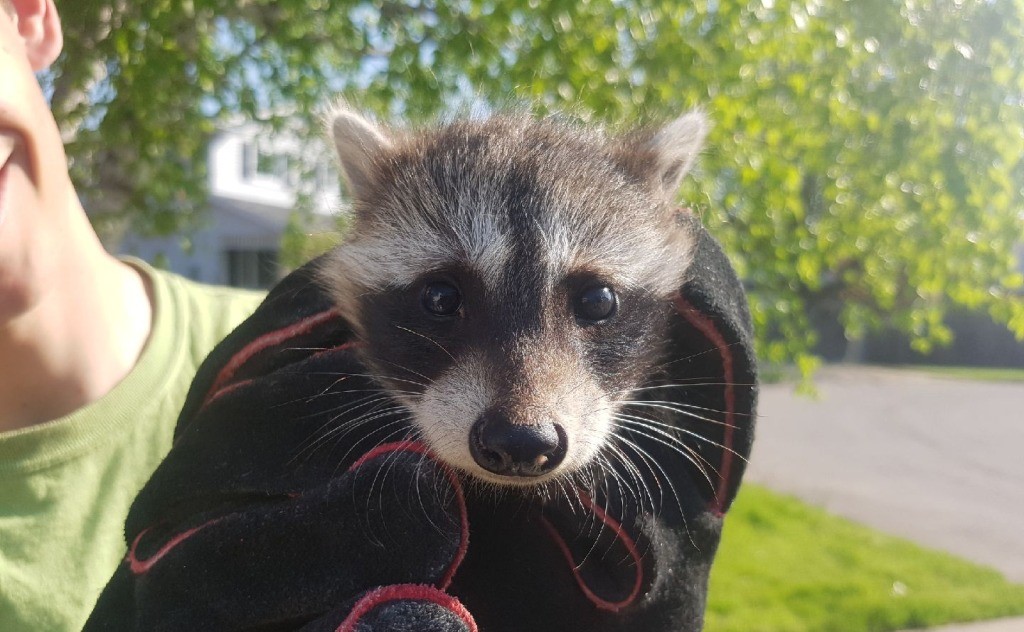
Leptospirosis and Raccoon Urine
Leptospirosis is a bacterial infection spread through the urine of infected animals, and raccoons are a common carrier. Here’s how it becomes a problem in your attic:
- How It Gets Into Your Home: Raccoon urine soaks into attic insulation, wood framing, and drywall over time. As it dries, the bacteria can become airborne or remain active in damp areas for weeks. Humans can be exposed by breathing in contaminated dust or coming into contact with affected materials. Neither of which requires direct contact with the animal.
- What Leptospirosis Does to Your Health: Leptospirosis causes flu-like symptoms that can include high fever, muscle aches, headaches, and vomiting. In serious cases, it can lead to kidney or liver damage. Because the early symptoms look like a common illness, many people don’t connect it to a raccoon problem in their home until things have gotten much worse.
- The Damage Goes Beyond Your Health: Beyond the health risk, raccoon urine causes real structural damage to your attic. It soaks into insulation and reduces its effectiveness, drives up your heating and cooling costs, and creates persistent odour problems that are very difficult to get rid of without professional help. The longer it sits, the worse the damage gets.
- Don’t Touch Contaminated Materials: If you’ve noticed staining, odour, or damaged insulation in your attic, do not attempt to remove or replace it yourself. Our team handles contaminated attic materials safely and makes sure the space is properly treated before any restoration work begins.
Rabies and the Risk of Direct Contact
Rabies is a serious viral disease that affects the nervous system and is almost always fatal once symptoms appear. While raccoons in the attic don’t typically come into direct contact with the people living below, the risk of a face-to-face encounter goes up when an animal feels trapped, cornered, or threatened and that can happen when homeowners try to investigate or handle the situation on their own.
A raccoon that has made its way from the attic into the living areas of your home is a much more immediate danger. This can happen when animals get disoriented, when a mother raccoon is separated from her young, or when construction or renovation work disturbs their space. In those situations, the chance of a bite or scratch increases significantly and any bite from the animal needs to be treated as a potential rabies exposure right away.
The safest way to avoid any risk of rabies exposure is to keep your distance and call our team immediately. Do not attempt to corner, chase, or remove a raccoon on your own under any circumstances. Our technicians are trained to handle these situations without putting themselves or the homeowner at risk, and we have the right equipment to do the job safely every time.
Secondary Pests That Come With Raccoons
These sneaky animals don’t come alone. They bring fleas, ticks, and mites with them and once those pests are in your attic, they don’t stay there. Here’s what that means for your home:
- Fleas Move Fast Through a Home: Fleas that arrive with raccoons can spread through your attic and into your living spaces quickly. They’ll bite people and pets, cause skin irritation, and can transmit their own diseases in the process. A flea problem that starts in the attic is much harder to deal with than one that’s caught early.
- Ticks Carry Their Own Health Risks: Ticks that come in with raccoons can carry Lyme disease and other tick-borne illnesses. If ticks make their way into your home from the attic, the risk of a bite goes up, especially for children and pets who spend time on the floor. This is a secondary health risk that most homeowners don’t think about when they discover raccoons overhead.
- Mites Cause Skin Problems: Raccoon mites can irritate human skin and cause intense itching and rashes. They’re small enough to travel through gaps in the attic floor and into the rooms below, and they can be difficult to identify without our professional help. If anyone in your home is experiencing unexplained skin irritation, a raccoon infestation above could be the cause.
- Let Our Team Handle the Full Problem: Getting rid of raccoons is only part of the solution. Our team assesses the full scope of what’s been left behind, including secondary pests, so nothing gets missed. You shouldn’t have to deal with any part of this yourself, and with Skedaddle on the job, you won’t have to.
Attic Raccoons in Scarborough
Scarborough is home to a large and active raccoon population. The area’s mix of mature neighbourhoods, wooded ravines, and older housing stock creates ideal conditions for raccoons to thrive and to find their way into attics. Older homes in particular tend to have more vulnerable entry points, including worn soffits, aging rooflines, and gaps around vents and chimneys that give raccoons easy access.
Spring and fall are the busiest times for attic raccoon activity in Scarborough. In the spring, female raccoons are looking for safe, warm spots to have their young and your attic fits that description perfectly. In the fall, they’re searching for shelter ahead of the colder months. Both of these seasonal windows mean more raccoons actively trying to get into homes, and more homeowners discovering an unwanted tenant overhead.
The longer this animal stays in your attic, the more damage it does and the greater the health risk becomes for your family. Scarborough homeowners who notice scratching sounds, odours, or visible damage to their roofline should call our team right away. Early action makes the removal process faster, the cleanup easier, and the risk to your family’s health much lower.
Raccoon Removal and Prevention with Skedaddle
When raccoons are living in your attic, the safest thing you can do is call our team at Skedaddle Humane Wildlife Control. We start with a full inspection of your home: checking the attic, roofline, soffits, vents, and any other areas where raccoons may have gotten in or caused damage. We look at the full picture so nothing gets missed and no entry point gets left open.
We use one-way door systems that allow raccoons to leave your attic on their own without being able to get back in. It’s a humane approach that doesn’t involve trapping or relocating animals. Once they’re out, we seal every entry point so they can’t return and we make sure the job is done properly the first time so you’re not dealing with the same problem again down the road.
After removal, we assess the damage left behind. Contaminated insulation, soiled wood, and structural damage all need to be dealt with before your attic is safe again. Our team handles all of it so you don’t have to go near any of it yourself. From the first inspection to the final seal-up, we take care of everything and we make sure your home is safe, clean, and protected when we’re done.
Frequently Asked Questions
How do I know if raccoons in my attic are making my family sick?
Symptoms like unexplained headaches, fatigue, nausea, or skin irritation that don't have an obvious cause could be connected to this animal infestation. If you've heard noises in your attic and anyone in your home is feeling unwell, call our team and your doctor right away.
Can raccoon droppings make you sick without touching them?
Yes. Dried droppings break down into dust that can become airborne and be inhaled. This is one of the most common ways raccoon roundworm eggs are transmitted to humans and it can happen without any direct contact with the droppings or the animal.
How long does it take for raccoon droppings to become dangerous?
Roundworm eggs in raccoon droppings can become infectious within two to four weeks of being deposited. The longer droppings sit in your attic, the greater the risk. This is why early removal and professional cleanup are so important.
Is it safe to stay in my home while raccoons are in the attic?
It depends on the extent of the infestation and where the animals are. Our team can assess the situation and let you know what's safe. In severe cases, reducing time spent in rooms directly below the attic is a good precaution until the problem is resolved.
Can raccoons get from the attic into the rest of my home?
Yes. These animals can push through drywall, move through wall cavities, and find their way into living areas, especially if they feel threatened or are searching for food. If you hear sounds inside your walls or see signs of activity beyond the attic, call us right away.
What should I do if I find a raccoon inside my living space?
Do not approach it or try to chase it out yourself. Keep children and pets away from the area, open an exterior door if it's safe to do so, and call our team immediately. The animal inside your living space is an urgent situation that needs our professional attention right away.
Raccoons in Your Attic Are a Health Risk: Let Us Handle It
Having these animals in your attic isn’t just a nuisance. It’s a real health risk for you and your family. Roundworm, leptospirosis, rabies exposure, and secondary pests are all serious concerns that come with an attic infestation. The longer the problem goes unaddressed, the greater the risk becomes. None of this is something you should try to deal with on your own.
The smartest move you can make is to call our team as soon as you suspect raccoons are in your attic. Don’t go up to investigate, don’t try to block entry points yourself, and don’t wait to see if they leave on their own. They won’t… and every day they stay is another day of damage and health risk building up overhead.
Skedaddle Humane Wildlife Control in Scarborough is ready to help. We’ll inspect your home, remove the animals safely, and make sure your attic is clean and protected when we’re done. Contact us today to request an estimate and get the problem taken care of the right way.

 Loading...








