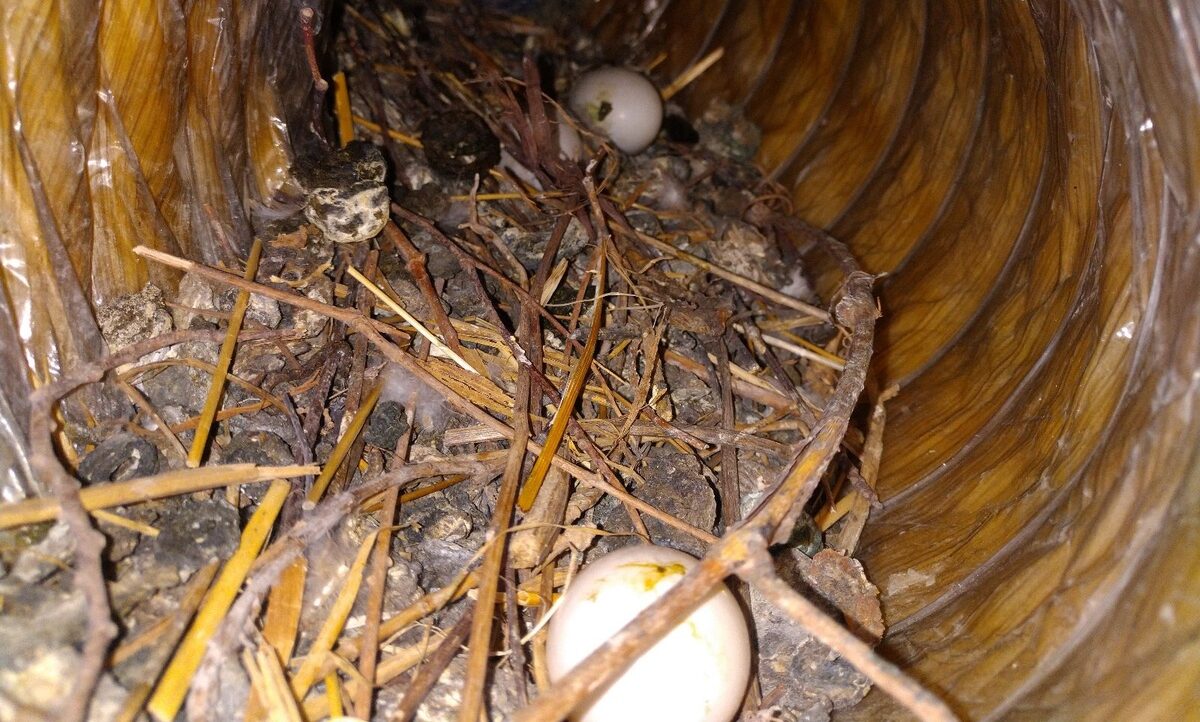
You may see birds return to the same roof vent because it still offers accessible shelter or a familiar place to nest. A loose cover, damaged screen, or open edge can leave the space available after earlier visits. Returning occupants may be building a nest, caring for young, resting, or checking the opening.
Landing on the vent does not prove that nesting is happening inside. Repeated entry, grass or twigs carried through the gap, and calls from behind the cover provide stronger clues. Even then, an inspection is needed to establish which space is occupied and whether eggs or dependent young are present.
At Skedaddle Humane Wildlife Control in Columbus, Ohio, we assess the vent, its function, and the evidence before planning removal or protection. You should not climb, touch nesting material, run equipment to force departure, or cover a suspected entrance. We explain what supports return visits and how our professional team addresses access once the space can safely be cleared.
Why Do Birds Keep Nesting in the Same Vent?
Birds nest in the same roof vent when accessible openings offer shelter or useful cover. Some return to proven nesting sites, while others locate available cavities after previous occupants leave. However, repeated sightings do not prove identical birds return or that every visit involves nesting—a vent may simply serve as a perch, resting spot, or entry point. Securing the opening requires addressing access, not just removing material.
Sheltered Space Can Make the Opening Worth Revisiting
Some cavity-nesting species use openings in buildings as shelter, including spaces around vents. European starlings and house sparrows are examples of species that use cavities or building openings. The suitability of a particular vent still depends on its design, condition, and the space behind it.
- Cover Behind the Exterior Opening: A recessed area behind a vent cover may offer more shelter than an exposed roof surface. It can reduce direct exposure to wind or rain without guaranteeing a dry or comfortable space. The amount of cover varies between vent designs and locations. Our team assesses the actual cavity rather than assuming every opening provides ideal nesting conditions.
- A Nesting Area Out of Open View: A sheltered corner may conceal a nest from the parts of the property you normally use. The resting or nesting area can sit beyond the entrance visible from below. You might notice repeated visits without seeing the nest itself. Our professionals assess the connected space so you do not have to reach inside or remove the cover.
- A Convenient Landing and Access Point: A vent edge may provide a place to land before entering or inspecting a gap. That can make one part of the roof receive regular attention. Perching alone does not establish that the space behind it is occupied. We compare the landing pattern with entry, carried material, and other evidence before recommending work.
Continued Access Can Keep the Pattern Going
A sheltered cavity remains available when the route into it is not addressed. Damage, loose components, or an unsuitable cover may allow repeated use even after a nesting period ends. Our team distinguishes an active entrance from other vulnerabilities that need protection.
- Damaged Covers or Screening: Broken sections or displaced screening can leave access behind an otherwise recognizable vent. Weather wear, impact, or poor attachment may contribute to the damage. Its appearance does not establish when the space was first used. We assess the opening and evidence of occupancy before choosing removal or exclusion work.
- Gaps Along Edges and Joints: A vent can remain mostly intact while leaving a gap along one edge. The opening may be difficult to see from the ground, especially where trim or roofing partly conceals it. Repeated visits to that edge can help guide the inspection. Our professionals check the complete feature rather than only the most visible part of the cover.
- Replacement Without Suitable Exclusion: Replacing a broken component may not resolve access if the replacement leaves a usable gap. However, that does not mean every new cover will fail or needs the same additional protection. The design must suit the vent and the way it functions. Our team assesses those needs before recommending durable exclusion.
A Familiar Location May Be Used Again
Some species return to nesting areas that have worked for them before. If the same shelter and opening remain available, the location may continue to receive attention. This can help explain repeat use without proving that every visit involves the same occupants.
A new pair may also discover a cavity that was used in an earlier season. Familiarity is therefore only one possible reason for the pattern. Casual sightings cannot reliably establish individual identity or the history of a nest.
Our prevention work focuses on the accessible space rather than waiting for one season’s activity to end. Departure does not secure the opening. The route needs assessment and suitable protection once the space is clear.

Nesting Material Shows How the Space May Be Used
Grass, twigs, feathers, and other material carried repeatedly into an opening can suggest nest building. That pattern is more informative than a visit to the cover alone. A single piece caught on an edge may be less conclusive.
Old material can remain after a nest is no longer active. Its presence does not confirm that eggs, young, or adults are currently inside. The connected space must be assessed before removal or closure begins.
Our team checks the location and extent of the material alongside occupancy. We also assess whether it affects the vent’s function or nearby spaces. You should leave it untouched rather than pulling visible strands from the opening.
Repeat Visits Need to Be Compared With Other Signs
You may notice entry, carried material, or sounds at different times during normal use of your home. Together, these observations can help explain how the vent is being used. Our team compares them with physical evidence rather than treating any one sign as a complete diagnosis.
- Regular Entry and Exit: Disappearing through an opening provides a stronger clue than landing beside it. Repeated use can help us identify the route needing closer assessment. It still does not show how many occupants are present or where they rest. We inspect the connected area before describing the extent of the problem.
- Material Carried Inside: Repeated trips with grass or twigs may point toward nesting activity. The material can be taken farther inside than the visible cover suggests. You should not approach or open the vent to confirm its destination. Our team assesses the nesting area and checks whether it is active.
- Calls or Movement From Behind the Cover: Chirping, scratching, or fluttering may suggest activity in the vent or a nearby space. Sound can travel through the building and seem closer than its source. Calls alone do not confirm the presence of young or identify the exact nesting location. We compare the noise with other findings before deciding how to proceed.
- Waste or Debris Near the Opening: Droppings or scattered material below a vent may support evidence of use. These signs can also remain after the activity changes. Their location and condition need assessment before the source is confirmed. You should leave the area untouched while our professionals assess occupancy and cleanup needs.
Roof Ventilation and Exhaust Outlets Need Different Protection
An attic vent helps air move through the roof space. A roof-mounted exhaust outlet serves connected ductwork or equipment. They may look similar from below, but their functions affect the protection that can safely be used.
A covering must not interfere with airflow, moving parts, or discharge from the outlet. Fine screening is not a suitable solution for every feature, especially where lint needs to pass freely. One installation method should not be applied to all vents.
Our team identifies the feature before selecting exclusion work. HVAC or roofing expertise may be needed when equipment performance or weatherproofing is involved. You should not add screening or cover an opening without that assessment.
An Occupied Vent Needs Careful Timing
A quiet entrance may still connect with an active nest behind the cover. Adults can leave temporarily while eggs or dependent young remain inside. Our team identifies the occupants and nest status before planning a lawful, humane response.
- Adults May Be Away From the Nest: One departure does not establish that the whole space is empty. Activity may pause while an adult feeds or remains out of view. Closing the route during that quiet period could block a necessary return. We assess the connected area rather than relying on the opening’s appearance.
- Eggs and Young May Remain Hidden: Eggs or dependent young may sit well beyond the visible entrance. Young may not be able to reach or use an exit independently. Exclusion must not prevent the parental care they still need. Our plan accounts for the nest’s occupants before any permanent closure is completed.
- Species and Nest Status Affect the Response: Legal protections vary, so identification matters before removal. Active nests of protected species may limit when work can proceed or require specific authorization. Our team checks the applicable requirements rather than treating every species and nest alike. The response follows those findings alongside the need to preserve vent function.
Clearing Material Does Not Complete the Prevention Work
Professional cleanup addresses affected material when removal is appropriate. It does not make an accessible cavity secure by itself. The same opening may remain available even after the nest and debris are gone.
The cover, surrounding joints, and nearby vulnerable edges need assessment as well. Another gap beside the feature could allow access after the main opening is protected. Our team considers the complete area rather than one visible nest.
Permanent exclusion follows confirmation that the relevant space is clear. Protection must also preserve the vent’s intended function. We choose suitable materials and explain any additional repair concerns that need specialist attention.
Columbus Rooflines Need a Property-Specific Assessment
Columbus homes have varied roof designs, vent arrangements, and additions. Older and newer properties can both have openings that deserve attention. A building’s age alone does not establish whether a vent is secure or occupied.
Seasonal nesting activity can change the pattern of visits, but not every return involves breeding. A feature may also be used for resting or investigated outside the main nesting period. The actual evidence matters more than assumptions about the month.
Our team assesses the vent type, condition, and connected space at the individual property. The plan follows confirmed use and relevant vulnerabilities. We do not recommend the same cover or removal approach for every roofline.
Keep the Vent Working and Close the Access with Skedaddle
Our professional wildlife team identifies the occupants, vent type, access route, and nest status. Those findings guide bird removal and prevention work. We explain whether the situation allows immediate action or requires different timing.
Where suitable, our one-way doors allow wildlife to leave but prevent re-entry. They are not appropriate for every active nest. Eggs and dependent young must be accounted for before exclusion, and the plan must preserve necessary care.
Our team assesses professional cleanup and sanitation needs once removal is appropriate. We then protect access with durable materials suited to the feature. At Skedaddle Humane Wildlife Control in Columbus, the work addresses the opening while preserving the vent’s intended function.
Frequently Asked Questions
Does landing on a vent mean there is a nest inside?
No, a vent may provide a perch or an opening being investigated. Landing alone does not show what happens behind the cover. Repeated entry and carried material provide more useful clues. Our team assesses those signs before confirming nesting.
Are the same individuals returning each year?
That cannot be established from casual sightings. A useful location may be revisited, while new occupants may discover it too. Repeat activity therefore does not prove the same pair has returned. The accessible space remains the main prevention concern.
Does old nesting material mean the nest is active?
No, material may remain after earlier use has ended. It does not confirm the presence of eggs, young, or adults. Removing it also does not secure the entrance. Our team checks occupancy before cleanup and protection work proceeds.
Will visits stop once the young leave?
They may change after a nesting period, but departure does not make the opening secure. The space can remain available for later investigation or use. A quiet period also needs assessment before clearance is confirmed. Our team checks the area before completing permanent protection.
Address the Opening Before the Next Nesting Attempt
You may see birds return because the vent still provides shelter, access, or a familiar nesting location. Repeat visits do not prove that the same occupants return each year. Perching alone also does not confirm a nest behind the cover.
Repeated entry, carried material, calls, and nearby waste deserve assessment together. You should not climb, touch droppings or nesting material, run equipment to force departure, or cover a suspected entrance. Adults may be away while eggs or dependent young remain inside. Inspection must establish occupancy and the appropriate response before removal or closure begins.
At Skedaddle Humane Wildlife Control in Columbus, Ohio, we assess the space and explain what the findings show. Our team completes humane removal when appropriate, handles professional cleanup, and protects vulnerable access. We also preserve the vent’s function and identify concerns requiring other qualified professionals. Contact us to schedule a professional assessment or request an estimate to learn more.

 Loading...