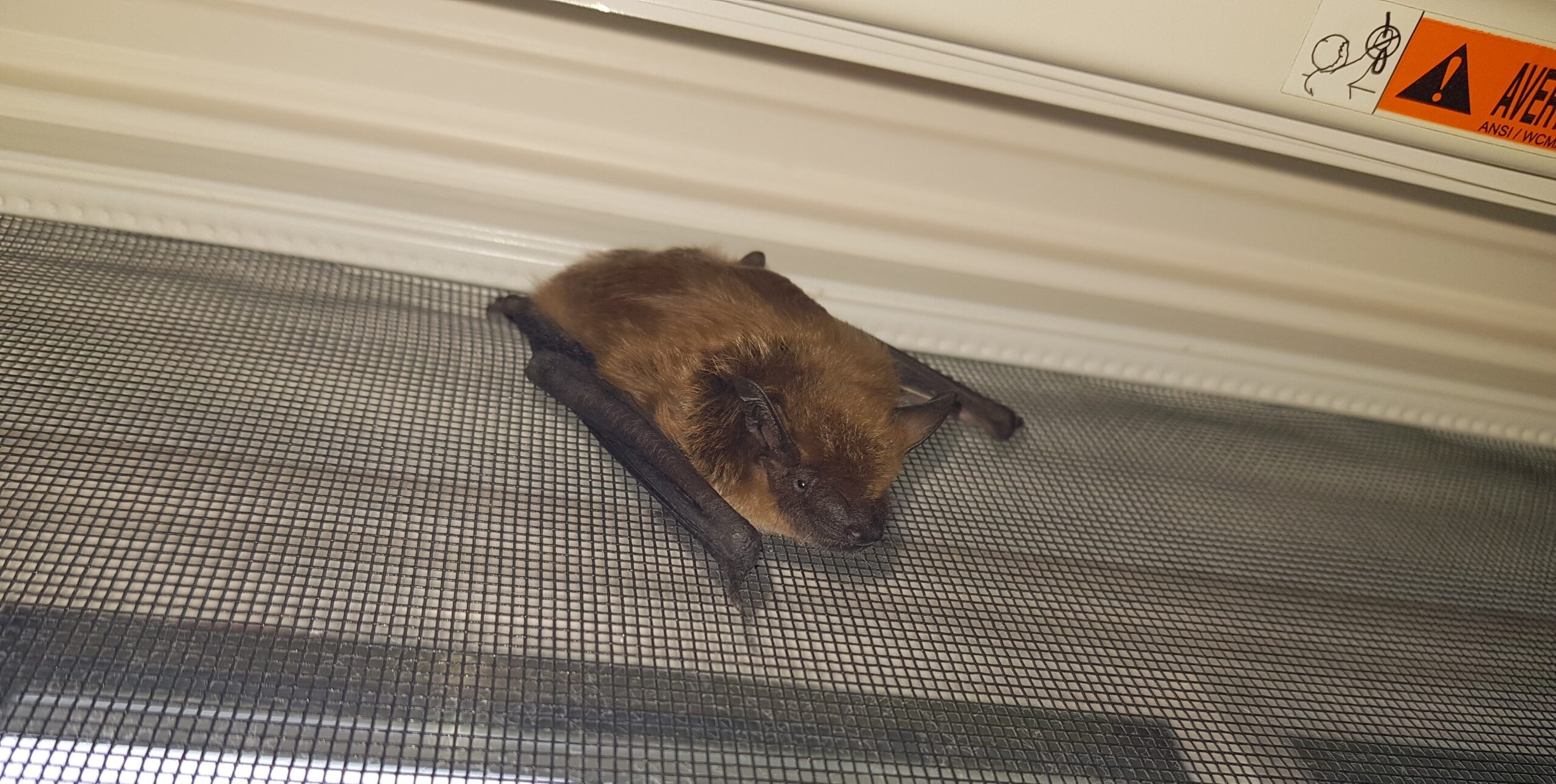
You just moved into a brand new home. Everything is fresh, clean, and tight. So why are bats showing up? It seems like it shouldn’t happen, but it does, and more often than you’d think. New construction homes can still get bats because even the smallest gap in the exterior is enough for them to squeeze through. They only need an opening the size of a dime to find their way inside.
New homes are built fast. Contractors focus on the big picture — framing, insulation, plumbing, and electrical. Sealing every tiny gap isn’t always a priority. That leaves your home open to these animals looking for a warm, dry place to roost.
At Skedaddle Humane Wildlife Control in Scarborough, we specialize in identifying and sealing potential entry points in new construction homes to ensure your property is protected from unwanted intrusions. In this blog, we break down the real reasons why new construction homes are still vulnerable to bats and what needs to happen to stop them from getting in.
How Do Bats Get Into a Home?
These animals get into a home through very small gaps and openings on the exterior. They can squeeze through a hole as small as a dime or the width of a pinky finger. Their bodies are flexible, and aside from their skull, most of their structure is soft tissue and cartilage. This allows them to compress and twist through openings that seem way too small.
Common entry points include gaps along the roofline, open or damaged vents, spaces where different building materials meet, and gaps around fascia boards and soffits.
Agile Anatomy and Tiny Gaps
These animals are built to fit into places you’d never expect. Their flexible bodies give them the ability to slip through gaps that most animals couldn’t manage. For new construction homes, this is a real problem because even a perfectly built house has small imperfections.
Here are some common spots where gaps show up:
- Fascia Boards and Soffits: Small gaps can form where the roofline meets the fascia and soffit. These areas may look sealed from the ground, but even a narrow opening is enough for a bat. Once one finds the gap, it can slip into the roof space very easily.
- Where Brick Meets Wood or Siding: The places where different building materials meet are harder to seal perfectly. Brick, wood, and siding can leave tiny spaces between them. These small transition gaps can become hidden entry points.
- Around Windows and Door Frames: Slight shifts during installation can leave narrow openings around frames. These spaces may seem minor, but they can still allow wildlife to get inside. A bat does not need much room to enter.
- Gaps Behind Gutters and Downspouts: These spots are often missed during construction. Gutters and downspouts can hide spaces that are not easy to see from below. Because they are sheltered and high up, they can become ideal entry points.
Construction Vulnerabilities in New Builds
Modern homes are built quickly. That speed comes with trade-offs. When contractors are moving fast, small gaps around structural elements don’t always get sealed before the next crew comes in. These overlooked areas become bat entry points.
Some of the most common construction vulnerabilities include:
- Gaps Around Pipes and Wires: Pipes and wires often pass through the outside walls of a house. If these openings are not sealed tightly, they can leave enough space for a bat to enter. These gaps are common in both walls and roof areas.
- Poorly Sealed Roof-to-Wall Junctions: The places where the roof connects to the walls can be difficult to seal completely. If the materials do not fit tightly together, small openings may remain. These hidden spaces can give bats direct access to the inside of the home.
- Misaligned or Loose Soffits: Soffits can sometimes be installed with small misalignments. Even a slight gap can leave an opening large enough for a bat. Because soffits are high up and shaded, these spaces can be very attractive.
These aren’t signs of poor quality homes — they’re just the reality of how homes are built. Bat-proofing simply isn’t on a contractor’s checklist. That’s where professional wildlife services come in.
Poorly Sealed Rooflines
The roofline is one of the most common places bats use to get inside a home. New homes are no exception. Even freshly installed roofing materials can have gaps that bats easily exploit.
Here are the roofline areas most at risk:
- Ridge Caps: Ridge caps sit at the top peak of the roof. If they are not installed tightly, small spaces can remain underneath. These gaps can give bats an easy way into the attic.
- Roof Vents: Roof vents are one of the most common entry points. If they are open, damaged, or not screened properly, wildlife can get through. A bat can slip in and then use the attic as a roosting space.
- Shingle Edges and Flashing: Flashing helps protect the roof where different surfaces meet. If flashing does not sit tightly against the shingles, it can leave small openings. These narrow gaps are often enough for these animals to use.
- Dormer and Soffit Junctions: These sections of the roof involve several materials meeting in one place. Because of that, small gaps can easily form during installation. These areas are common hidden entry points on newer homes.
Attraction to New Structures
New homes are often built in areas that were recently developed or cleared for construction. When this happens, local wildlife loses many of the natural places it once used for shelter. Bats that previously roosted in nearby trees or wooded areas must look for new spaces to rest. A warm attic in a newly built home can seem like a perfect alternative.
Many new neighbourhoods in Scarborough are also built close to green spaces, ponds, or creeks. These environments attract insects, which are the main food source for bats. At night, bats hunt these insects in large numbers around water and tree-covered areas. Once feeding is finished, they look for a quiet and protected place to rest.
A warm roof space or attic offers exactly the type of shelter bats need. It stays dry, protected from predators, and warm during cooler nights. These conditions make a house very appealing compared to exposed outdoor spaces. This is why new homes can sometimes become unexpected roosting spots.
Loss of Natural Habitat
As cities expand, many natural bat habitats slowly disappear. Old hollow trees, rock crevices, and forest shelters are often removed during construction and development. Without these natural roosts, these animals must search for other places to rest during the day. Human structures often become the next best option.
In growing areas like Scarborough, many homes are built on land that was once forest or farmland. Bats that once lived in nearby trees may still live in the area after construction is finished. With fewer natural shelters available, attics and wall cavities start to look like suitable replacements. These spaces provide the darkness and warmth bats naturally prefer.
This does not mean bats are intentionally targeting homes. Instead, they are adapting to changes in their environment the only way they can. Buildings simply provide similar conditions to the natural roosts they once used. Understanding this behaviour helps explain why these animals sometimes appear in new neighbourhoods.
Odour Attractants
When a single bat enters a home, it can sometimes lead to more arriving later. Droppings, known as guano, produce a strong scent that other bats can detect. To them, that smell signals a safe place where they have already roosted successfully. Over time, this scent can attract additional bats to the same location.
This is one reason why small problems can grow quickly if they are not addressed early. The first bat that enters is often exploring the area for shelter. If the entry point remains open and the droppings stay inside the space, more bats may follow. What begins as a single bat can slowly become a larger colony.
Early detection and removal are very important in preventing this situation. Once these animals establish a colony, the cleanup and exclusion process becomes more complex. Professional wildlife control ensures that the bats are safely removed and that the space is cleaned and sealed properly. This prevents new bats from being drawn to the same location in the future.
Bats in Scarborough: Regional Regulations
Scarborough’s climate plays a big role in bat activity. The humid summers and mild springs create ideal conditions for roosting. Homes with small openings in roofs or walls are especially vulnerable.
Local building styles also impact where these animals settle. Many older homes in Scarborough have gaps under eaves or in brickwork. These tiny spaces provide easy access for these animals to enter and roost.
Regional regulations protect certain bat species, so removal must follow the rules. These animals are often most active in Scarborough during the spring and summer months. Early action helps prevent colonies from forming in attics or crawl spaces.
Bat Prevention in Scarborough: Leave It to the Professionals
Keeping bats out of your home requires a careful inspection and proper sealing of every possible entry point. These animals can squeeze through very small openings along rooflines, vents, and siding. Because of this, preventing them from entering is not something that should be left to guesswork. Our trained wildlife professionals know exactly where to look and how to secure these areas properly.
Our team at Skedaddle Humane Wildlife Control in Scarborough uses professional exclusion methods designed to solve the problem safely and effectively. We install one-way doors that allow bats already inside the home to exit on their own. Once they leave, they cannot return through the same opening. This method protects the bats while also protecting your home.
After we confirm that no bats remain inside, we seal every entry point with durable materials built to last. This step is essential because even a small gap can allow bats to return later. Our goal is to solve the problem completely and prevent future infestations. If you notice signs of these animals in your home, it is important to contact our professionals right away instead of trying to handle them yourself.
Frequently Asked Questions
Can a brand new home really have bats?
Yes. New homes can have bats shortly after construction. Even minor gaps left during the build are enough for these animals to enter.
How do I know if bats are in my home?
Signs include dark staining around small exterior gaps, guano on the ground or windowsills, scratching sounds in walls or the attic, and these animals seen flying near the roofline at dusk.
Are bats dangerous to have in my home?
These animals can carry health risks including rabies and histoplasmosis. Their droppings can also cause structural damage over time. Do not touch bats or their droppings — contact a professional immediately.
What time of year are bats most likely to enter a home?
Bats are most active from late spring through early fall. Maternity season runs from roughly April to August, when females are raising pups and colonies are at their largest.
Is bat removal in Ontario regulated?
Yes. These animals are protected under provincial wildlife regulations. Removal must be done humanely and at the right time of year. Our team at Skedaddle understands and follows all local guidelines.
How long does bat exclusion take?
Every home is different, but our professional exclusion typically involves an inspection, installation of one-way doors, and sealing after the bats have exited. Our team will walk you through the full process from start to finish.
Don’t Wait — Protect Your New Home Now
At Skedaddle Humane Wildlife Control, we understand how stressful and frustrating it can be to discover bats in your brand new home. But you’re not alone, and we’re here to help. With decades of experience, our trusted team in Scarborough specializes in identifying how bats enter homes, why they settle in, and how to safely and humanely remove them. We don’t just stop at removing the problem — we ensure your home is protected long-term to prevent bats from coming back.
Our process is designed to give you peace of mind. From inspection to exclusion, we use proven methods that prioritize the safety of both your family and the wildlife. We take pride in delivering fast, reliable, and effective service so you can enjoy your space without worry. Don’t wait to address the problem. These animals may seem small, but they can cause damage and disruption over time.
Contact Skedaddle Humane Wildlife Control today to request an estimate and take the first step toward protecting your home. With our friendly and professional team by your side, you’ll have the support you need to solve the issue once and for all. Trust us to restore the comfort and security of your home — bat-free!

 Loading...







