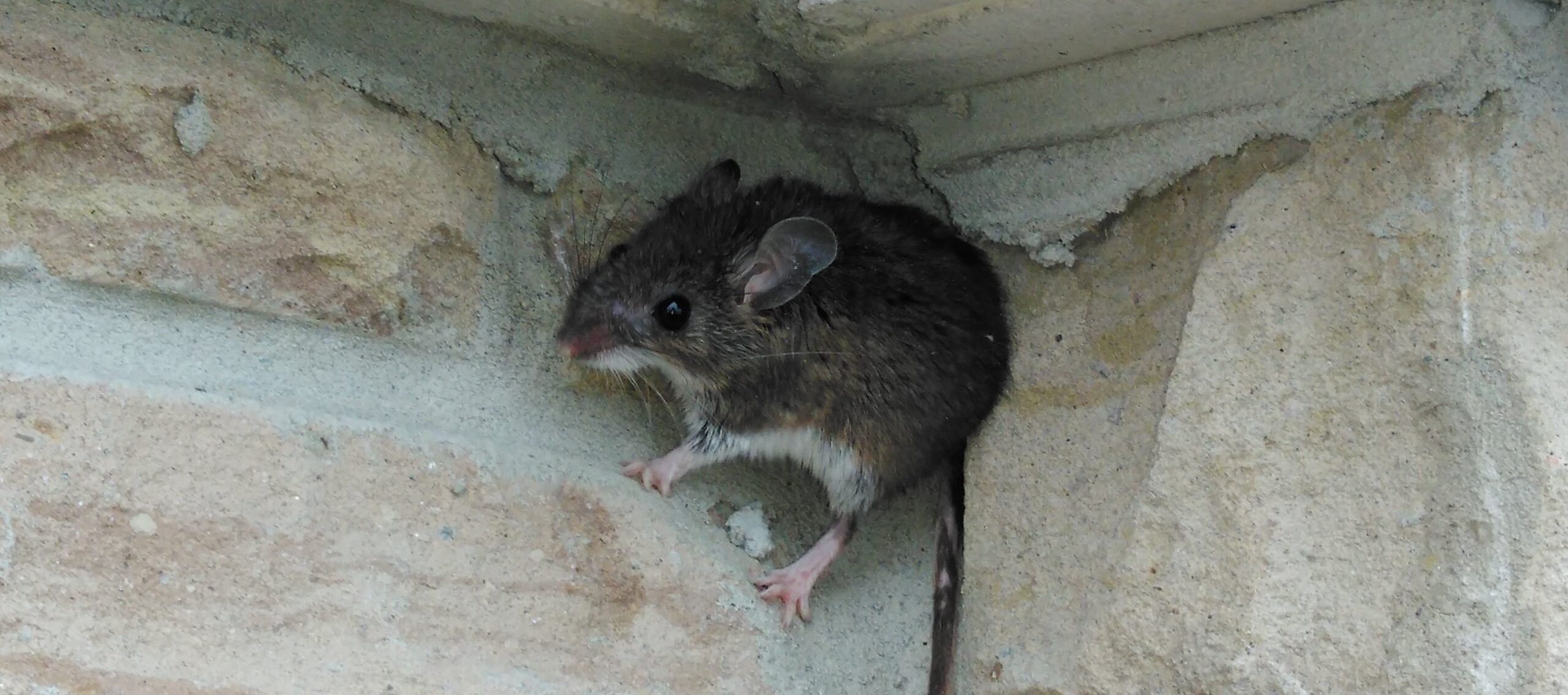

You might think your home is sealed tight, but tiny invaders often prove otherwise. Mice are experts at finding weak spots and slipping inside. They don’t need much space at all—just a hole the size of a dime is enough for them to squeeze through. Once indoors, they cause mess, damage, and health risks that nobody wants to deal with.
So, how do mice squeeze through the smallest spaces? And more importantly, what does this mean for your home?
In this article, you’ll learn exactly how mice enter homes, the tricks they use to get through gaps, and what signs to look for in Sunbury and other nearby areas. We’ll also talk about how Skedaddle Humane Wildlife Control helps with preventing mouse infestations using safe, proven methods.
How Do Mice Enter Homes?
Mice have bodies built for squeezing. Their ribs are flexible, their skulls are tiny, and their fur hides just how small they really are. If their head can fit through a hole, the rest of the body usually follows. That’s why mice squeezing through gaps is one of the biggest challenges for homeowners.
These small spaces include:
- Gaps under doors and garage entries
- Cracks in foundations or walls
- Holes around utility pipes and vents
- Loose shingles or siding
Once inside, they’re quick to find food, water, and safe nesting areas. The more comfortable they get, the harder it is to stop them.
10 Ways Mice Squeeze Through the Smallest Spaces
Mice are built like escape artists. Here are ten ways they manage to slide into your home with precision:
1. Flexible Skeletons
Mice are sometimes called “liquid animals” because of how easily their bodies can shift shape. Their skeletons aren’t as stiff as other mammals, and their ribs can compress inward. This lets them flatten their bodies to fit through spaces you wouldn’t believe. A small crack along your foundation or a gap around a pipe is enough for entry. What looks like a solid barrier to you can be an open door to them. They only need about a quarter of an inch, which is smaller than your pinky fingernail, to slip inside and set up a nest.
2. Whiskers as Guides
Whiskers are one of a mouse’s most important tools. They act like built-in measuring sticks, letting mice test whether a gap is large enough before pushing through. If the whiskers slide in smoothly, the body usually can too. Whiskers also help them stay balanced and navigate in the dark. This means even at night, they can find and test openings around your home with surprising accuracy and confidence. They’ll use whiskers to explore places like wall gaps, baseboards, and vents without making a sound, giving them an easy way in while staying hidden.
3. Powerful Teeth
A mouse’s teeth never stop growing, so they’re always sharp. If they find an opening that’s almost big enough, they don’t give up. Instead, they chew at the edges until it’s wide enough to squeeze through. Wood, vinyl siding, plastic, and even thin metal are no match for their bite.
This habit not only gets them inside but also causes expensive damage to homes over time. They can chew through wires too, which makes them a fire hazard, and once they’ve made one gap, they’ll often come back and use it again.
4. Fur That Lays Flat
While a mouse looks furry and round, its coat is designed to help it squeeze through tight spots. Their fur flattens against the skin, trimming down the space they need to push through. This little detail often makes the difference when moving through a pencil-width crack. The smooth movement also prevents them from snagging on rough surfaces, so they can slip in and out without leaving obvious signs right away. The fur also helps them stay quiet while they move, so you may never notice when they’re slipping through an opening.
5. Strong Back Legs
Mice aren’t just good at squeezing—they’re skilled climbers. Their powerful back legs act like springs, helping them leap and climb vertical surfaces. This allows them to reach high entry points, like attic vents or gaps along the roofline. They can scale bricks, wires, and even siding with ease.
Once they’re up high, they use their other skills to locate tiny cracks that bring them directly inside your home. These legs also let them run quickly across beams or rafters once inside, making it easy to build nests out of reach.
6. Flexible Joints
One of the reasons mice move so easily through odd spaces is the flexibility of their joints. Unlike larger animals, they can twist and bend their limbs in unusual directions. This makes it possible for them to turn corners inside narrow cracks or crawl through winding pathways. It also means that even awkward or uneven openings don’t slow them down. Their bodies adapt quickly to the shape of the space. This flexibility makes them hard to block, since even oddly shaped openings can still be used as secret passageways.
7. Small Skulls
The skull is the stiffest part of the body, so if it fits, the rest of the mouse will follow. That’s why experts say if a mouse’s head can pass through a hole, so can the body. Their skulls are tiny and narrow, allowing them to pass through spaces as small as a dime. This is why sealing even the smallest gaps in your home is so important. Without protection, that single gap could become the main entrance for a full nest of rodents moving inside.
8. Persistence Pays Off
Mice don’t give up when faced with a challenge. If a hole looks promising, they’ll keep at it until they succeed. They may chew, push, and squeeze for hours, testing the limits of the gap. Their determination means that even if an opening isn’t ideal, it often becomes wide enough over time.
This persistence is one of the main reasons mouse problems rarely go away on their own. They’ll return again and again until the space becomes usable, showing just how determined these tiny animals can be.
9. Quiet Movement
One of the scariest things about mice is how silently they move. Their small paws barely make a sound, which helps them sneak through gaps unnoticed. By the time you hear scratching or squeaking, they may already have a full nest hidden inside. This quiet movement makes them tough to catch early. It also allows them to explore and test multiple entry points without alerting you right away. This is why infestations often surprise homeowners—by the time they notice the signs, mice are already settled in.
10. Ability to Remember Routes
Mice aren’t just physically skilled—they’re smart. Once they find a good entry point, they remember it and return to it again and again. They even leave scent trails that guide other mice to the same spot. This learned behaviour means one tiny gap can become a highway for an infestation. If you don’t seal the entry, you can expect repeat visits, often growing in numbers over time. Their memory also helps them navigate your home’s layout quickly, letting them find food and shelter with ease.
Quick Facts: Just How Small is Small?
You may still wonder how mice squeeze through gaps that look impossible. Here are some eye-opening facts:
- A hole the size of a dime is enough for entry.
- A gap as small as a pencil width can let young mice in.
- Chewing turns tiny cracks into wide doorways.
These “tiny invaders” don’t need much of a welcome mat—just a weak spot.
Why Mice Want to Be Indoors
Homes in Sunbury and surrounding areas face unique challenges. Cold winters push mice to search for warmth, while older homes may have gaps from settling or wear. Even new builds aren’t safe—construction leaves openings around vents, chimneys, and foundations.
Mice aren’t getting inside for fun. They’re searching for three things: food, water, and shelter. Unfortunately, homes in Sunbury provide all three.
- Food: Pet bowls, crumbs, and unsealed pantry items make easy meals.
- Water: Leaky pipes or condensation give them what they need to drink.
- Shelter: Attics, walls, and basements are warm, quiet, and perfect for nesting.
Once one mouse settles in, it doesn’t take long for more to join. Plus, because mice breed quickly, one small entry can turn into a large infestation within weeks.
Preventing Mouse Infestations with Skedaddle
You want your home safe and your family protected. That’s where Skedaddle Humane Wildlife Control comes in. We focus on prevention, not just removal. Here’s how we help:
- Full Inspection: We look for all possible entry points, even the tiny ones.
- One-Way Doors: Our proven method lets animals exit but stops them from re-entering.
- Sealing Weak Spots: We secure gaps so future mice can’t get inside.
- Long-Term Protection: Our work keeps your home safe through every season.
By trusting professionals, you avoid the stress and risks of handling mice on your own.
Keep Tiny Invaders Out for Good
How mice enter homes is a question every homeowner should take seriously. Their ability to squeeze through dime-sized gaps makes them one of the toughest pests to keep out. From health risks to property damage, ignoring the problem only makes things worse.
At Skedaddle Humane Wildlife Control in Sunbury, we know how to stop these tiny invaders before they take over. Our team uses safe and effective methods to keep your home protected while respecting wildlife.
Request an estimate today to learn more about how mice enter homes, the dangers of mice squeezing through gaps, and the best ways of preventing mouse infestations in Sunbury.


 Loading...