Winter in Sunbury can be a challenging season for homeowners, especially when it comes to wildlife. Squirrels, in particular, may become more active near houses as they look for warmth and shelter. Noticing noises or signs in the attic can be alarming, and understanding squirrels in the attic in the winter is the first step toward keeping your home safe.
At Skedaddle Humane Wildlife Control, we help homeowners manage winter wildlife concerns safely and responsibly. Knowing what to look for and how to respond ensures that both your family and the squirrels remain unharmed.
Why Squirrels Seek Shelter in Winter
Squirrels are typically outdoor animals, but colder temperatures can make attics and roof spaces appealing. They are looking for warmth, safety, and easy access to food sources.
- Gray and fox squirrels, common in Sunbury, are resourceful and can travel long distances to find shelter.
- During winter, natural food sources like acorns and seeds become scarce, so squirrels may explore properties more actively.
- Attics provide a warm, quiet environment that is safe from predators and the elements.
Understanding this behavior helps homeowners see why squirrels might attempt to enter homes during the winter months.
Common Squirrel Entry Points in Homes
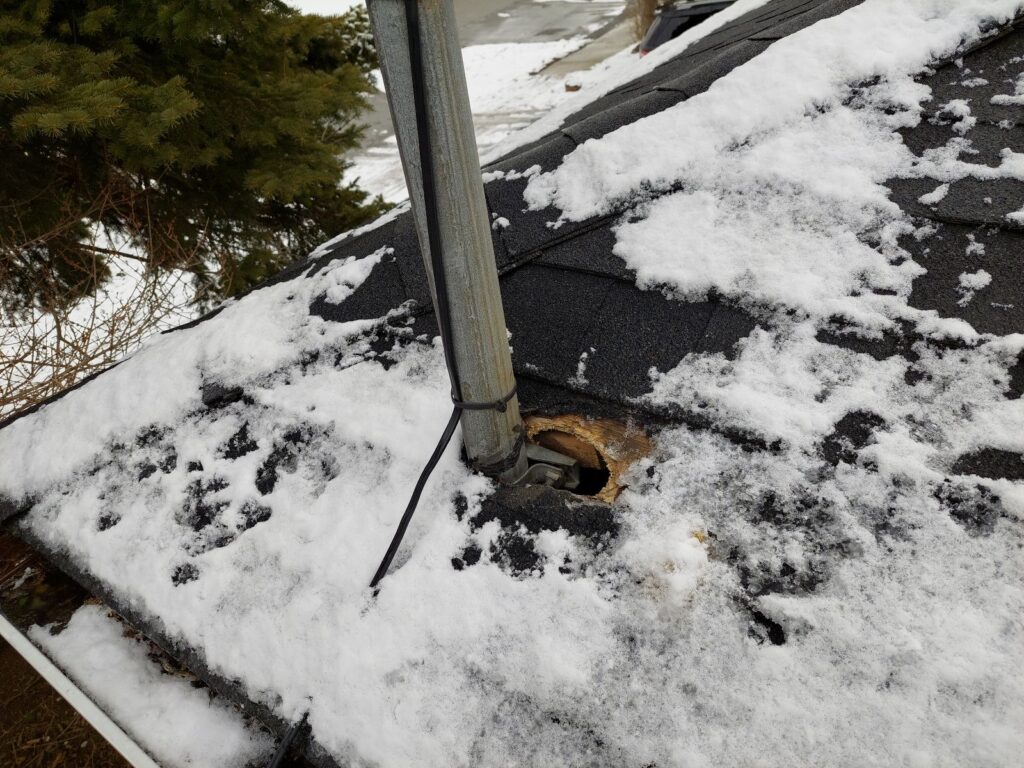
Squirrels are surprisingly agile and can squeeze through very small openings. Knowing squirrel entry points home is critical to preventing winter intrusions.
- Gaps in rooflines or eaves are frequently used.
- Vents, chimneys, and attic louvers without proper screens can be entryways.
- Loose siding or damaged soffits can allow easy access.
- Open windows, doors, or even pet doors sometimes provide temporary entrances.
Even minor gaps can be exploited due to their flexibility, so regular inspection and professional guidance are important.
Signs Squirrels Are in the Attic in Winter
Homeowners often don’t notice squirrels immediately, but certain signs indicate activity. Detecting them early helps prevent damage.
- Scratching, scampering, or thumping noises in the attic or walls.
- Evidence of gnawing on wood, insulation, or wiring.
- Droppings or chewed nesting material near rooflines or vents.
- Damaged insulation or nesting materials scattered in attics or crawl spaces.
Being alert to these signs ensures homeowners can address squirrels in the attic in the winter before significant issues arise.
Risks of Squirrels Inside Your Home
While squirrels are not aggressive, their presence in homes can lead to costly problems. Understanding these risks emphasizes why professional guidance is recommended.
- Squirrels may damage insulation, wiring, or stored items, sometimes resulting in hundreds or thousands of dollars in repair costs.
- Noise from squirrels can be disruptive, especially during nighttime hours.
- Nesting materials and droppings can affect indoor air quality and create contamination risks.
Studies show that homes experiencing unchecked squirrel activity in the winter often require more repairs, highlighting the importance of timely intervention.
How Professional Services Help
Professional wildlife control provides homeowners with safe, effective, and humane solutions. At Skedaddle, we assess homes, identify vulnerabilities, and provide long-term recommendations.
- Inspections determine where squirrels may have entered and if any are currently nesting.
- Experts recommend solutions such as sealing gaps, repairing damaged rooflines, and reinforcing potential entry points.
- Professional squirrel removal services ensure the problem is addressed safely, without putting homeowners or the animals at risk.
Homes that receive professional attention experience far fewer repeat issues and maintain long-term safety.
Preventing Squirrels From Entering Your Home
Preventive steps are the best way to minimize the chance of squirrels entering your home during winter. With professional guidance, homeowners can make their properties less attractive to wildlife.
- Regularly inspect rooflines, vents, and chimneys for gaps or damage.
- Ensure attic and soffit openings are properly sealed and screened.
- Trim tree branches that provide direct access to the roof.
- Secure outdoor food sources, including bird feeders, compost bins, or trash cans.
Implementing these steps reduces the likelihood of squirrels in the attic in the winter while protecting wildlife.
Maintaining Safety While Respecting Wildlife
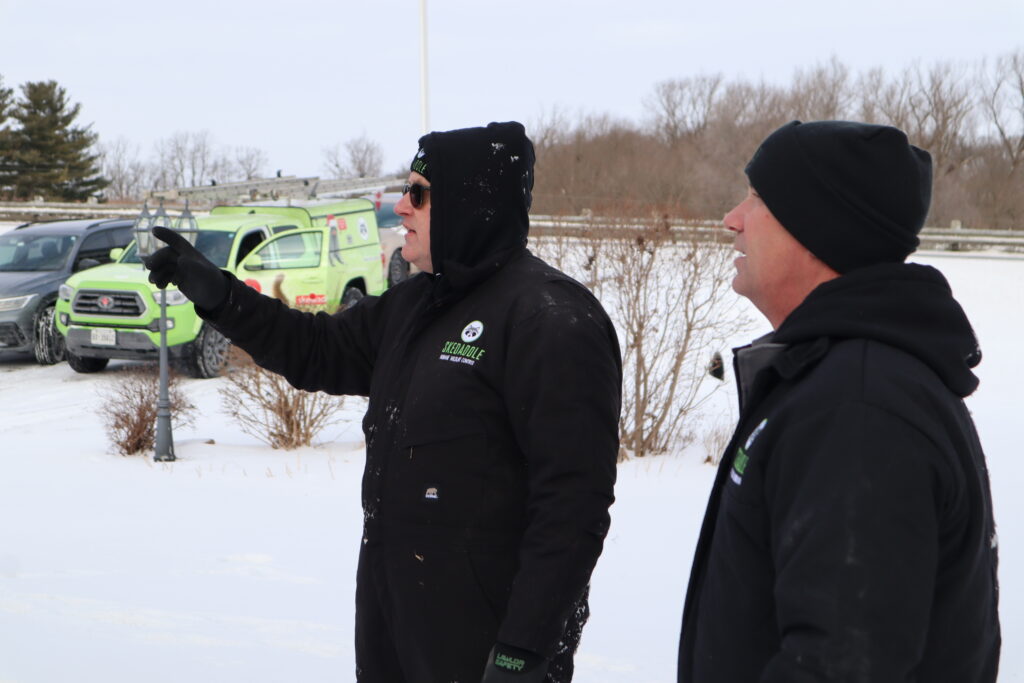
A key part of managing squirrels in winter is ensuring both your family and the animals remain safe. Professional guidance balances property protection with humane treatment.
- Early detection and proactive maintenance prevent property damage and disruption.
- Professional recommendations provide long-term solutions for preventing access.
- Routine inspections and repairs ensure that homes remain safe year-round.
By addressing squirrel activity with professional support, homeowners can maintain peace of mind and promote humane wildlife management.
Key Takeaways
Squirrels often try to enter homes in winter seeking warmth and food, but their presence can create damage and disruption. Homeowners in Sunbury should be aware of the signs, potential entry points, and benefits of professional intervention.
- Avoid attempting to handle squirrels yourself.
- Keep children and pets away from areas where squirrels may be present.
- Contact professional squirrel removal services for safe and humane management.
- Take preventive measures to minimize access points and reduce future activity.
Being aware of squirrels in the attic in the winter allows homeowners to respond effectively, protect their homes, and maintain humane treatment of wildlife.

 Loading...