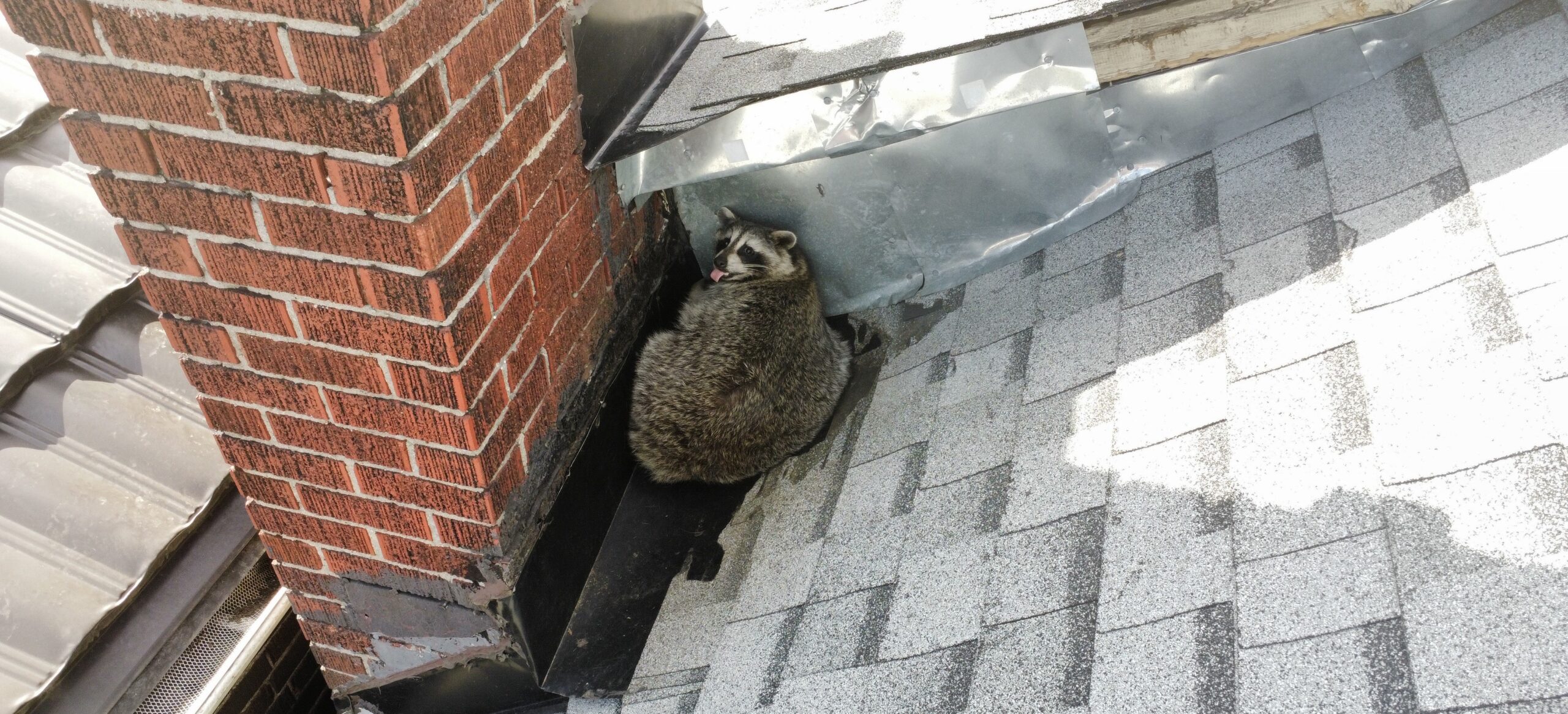
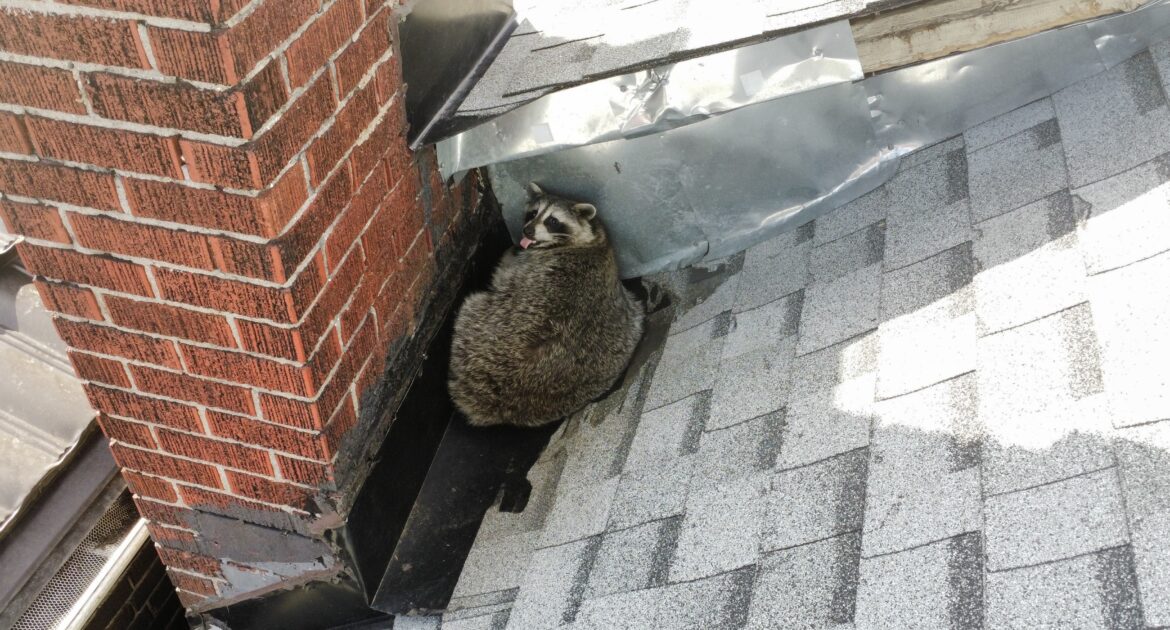
Have you ever found yourself tossing and turning in bed, only to be kept awake by mysterious sounds above your head? In Toronto, where the CN Tower is a familiar part of our skyline, these noises might be more common than you think. Sounds in your ceiling are a frequent complaint among homeowners and business owners across the city. If you’re hearing scratching, thumping, or curious chittering in your ceiling after dark, it’s time to consider the possibility that raccoons have made themselves at home just above your living space.
We understand how stressful and unnerving these raccoon noises in your ceiling at night can be, not only because they disrupt your peace, but also because they hint at a larger problem. These highly intelligent creatures are resilient, and while their adaptability is impressive, their presence in your ceiling or attic can spell trouble for your property. Let’s explore the nighttime raccoon signs in Canada, the risks they bring, and the best approaches to keep your Toronto property safe and raccoon-free.
Identifying Noises and Signs in Your Ceiling
Understanding what you’re hearing is the first step to addressing a possible ceiling raccoon infestation. The unique sounds and other nighttime signs homeowners detect can help distinguish these animals from others.
What Noises Do Raccoons Make in Ceilings at Night?
Raccoons are most active after sunset, especially in urban areas like Toronto. If you’re trying to interpret those late-night disturbances, focus on these typical sounds:
- Thumping and Heavy Footsteps: Raccoons are larger than many rodents, producing slower, heavier movements as they walk.
- Chittering and Chirping: Unique to raccoons, especially young kits. Their vocalizations are softer and resemble bird calls, which is a prime clue that you’re dealing with this type of wildlife.
- Rustling and Scratching: These noises occur when they are rearranging insulation or trying to access food.
Very young raccoons—kits—are particularly vocal. Their cries often sound remarkably like small birds. This insight helps distinguish raccoon infestations from other wildlife, as no common attic nuisance produces quite the same range of noises.
Nighttime Signs Residents Should Watch For
Spotting these animals can be difficult, but several clear indicators may point to their presence in your ceiling or attic:
- Loud noises consistently occurring after sunset
- Unusual odours coming from vents or ceiling fixtures
- Visible damage to soffits, roof vents, or siding
- Stained or sagging ceilings due to nests or urine
- Chirping, mewing, or chatter, especially in early spring
These signs, combined with the unique sounds described above, are key clues for identifying a potential issue. Recognizing these symptoms early gives you a head start in addressing the problem before it worsens.
How to Differentiate Noises from Other Wildlife
It’s common for Toronto homeowners to wonder if it’s raccoons, squirrels, birds, or mice that are making a racket overhead. Here’s how to tell the difference:
- Raccoons: Heavier, slower movement; occasional thumping; a distinct mix of chittering and mewing from kits; active mostly at night.
- Squirrels: Fast, light scurrying mainly during daylight hours; very quick and random movement patterns.
- Mice or Rats: Very light, faint scampering; frequent squeaks and gnawing sounds; active throughout the day and night.
- Birds: Flapping, light hopping, and direct chirps, especially during the day.
Understanding these differences helps you avoid misdiagnosis which, in turn, ensures that you take the right approach to removal. Recognizing vocalizations—especially those of their noisy kits—is a key insight that speeds up effective intervention.
Effective Removal and Prevention Strategies
Hearing noises in your ceiling at night is often the first clue that you need professional help. Dealing with raccoons is rarely straightforward, due to their intelligence, protective behaviour (especially during baby season), and their determination to find shelter.
Skedaddle’s Humane Approach
At Skedaddle, our removal process is thorough, humane, and tailored to each unique situation. Our skilled technicians provide:
- A full inspection to identify every entry point these animals use or could use
- Careful assessment for babies or nests, using specialized tools and thermal imaging when needed
- Gentle hand removal of kits, placing them in heated reunification boxes outside the home to ensure they reconnect safely with their mother
- Complete sealing of all access points with durable materials to prevent re-entry
- Cleaning of contaminated areas and replacement of soiled insulation, removing health risks
- Deodorization to eliminate scents that may attract future intrusions
By focusing on humane methods, we ensure both your family’s well-being and the safety of the raccoon family, which is especially important during spring and summer.
Tips for Homeowners and Businesses
To minimize your risk and keep these animals out, consider these proven prevention tactics:
- Inspect your roofline, attic, and exterior for potential vulnerabilities, especially before the colder months
- Ensure attic and roof vents are properly screened with heavy-gauge materials
- Repair any rotted wood, damaged soffits, or missing shingles promptly
- Store all garbage and green bins securely to reduce attractants
- Trim tree branches away from the roof to limit easy access
Regular maintenance and inspection, especially during autumn, make it much harder for wildlife to take advantage of weak spots and secure a winter den.
Risks: Damage and Health Concerns from Infestations
While raccoons are clever survivors, their activities cause problems for Toronto homes and businesses. Once inside your ceiling or attic, they:
- Trample and compress insulation, raising heating costs and reducing energy efficiency
- Tear apart ductwork and damage wiring, increasing fire and air quality risks
- Leave droppings and urine that can contaminate entire areas and produce strong odours
- Destroy roof vents, soffits, or flashing to enlarge entry points, which can also let in water and pests
In addition to property damage, these animals introduce several health concerns. Their droppings can contain roundworm (Baylisascaris), which is dangerous if ingested, along with other pathogens like leptospirosis and salmonella. Raccoons are also known carriers of rabies—posing a risk to both people and pets through bites or scratches.
These issues make timely and professional removal essential, not only to restore your property but to keep your family or staff safe.
Why Professional Help Is Key for Raccoon Removal
Given the challenges of removal—like accessing tight attic spaces, safely handling protective mother raccoons, or decontaminating nesting sites—professional service is vital. Skedaddle’s technicians combine three decades of experience with local Toronto knowledge to ensure every job is handled properly.
Here’s why our approach stands out:
- Every inspection includes thermal imaging and an in-depth search for hidden animals, especially immobile babies
- Removal doesn’t end with animal extraction—we fully clean and decontaminate affected areas, restore insulation, and implement deodorization
- We secure all potential future points of entry, from roof vents to vulnerable siding
- Our solutions are designed to be long-lasting and tailored to keep even the cleverest wildlife out
If you’re hearing suspicious noises or seeing clear nighttime raccoon signs, prompt action is crucial. Professional intervention provides peace of mind and long-term protection without causing harm to wildlife.
Ceiling Raccoon Infestation Tips
Prevention is always better than a cure—especially when it comes to wildlife in your home. By being proactive, you reduce the chance of hearing noises in your ceiling at night and deal with problems before they become costly.
To prevent wildlife intrusions, keep all garbage, compost, and recycling bins closed and securely fastened. Trim shrubs and tree branches near your roofline to eliminate easy access points. Install chimney caps and vent covers that are specifically designed to be raccoon-proof. Additionally, schedule yearly professional inspections to identify and address any new vulnerabilities before they become problems.
Long-term success comes from a combination of vigilant property maintenance and expert support. As a trusted local provider, we’re always ready to help Toronto residents safeguard their homes—so the only nighttime noise you hear is the city settling in for rest, not wildlife overhead.
Reclaim Your Peace and Protect Your Home with Skedaddle
Hearing odd noises in your ceiling at night is more than a mere annoyance—it’s a clear warning that wildlife may have infiltrated your home. These adaptable creatures can quickly cause costly damage while creating serious health risks for your family or business. Recognizing the unique sounds and signs of an infestation early is the first step toward a solution, but effectively addressing the problem requires professional expertise.
Don’t let another sleepless night or mounting repairs disrupt your life. Skedaddle’s experienced team in Toronto uses humane, thorough techniques to remove wildlife, decontaminate affected areas, and seal entry points, ensuring your property remains safe and wildlife-free. Secure your peace of mind—reach out to Skedaddle today and discover how effortless it is to restore comfort and safety to your space for good.

 Loading...







